Tariff Resilient Building Materials
April 2025Tariffs and supply chain disruptions have made one thing clear—building with traditional materials like imported lumber no longer guarantees reliability or predictable pricing. From rising costs to delayed deliveries, international trade volatility is reshaping the way we think about sourcing and constructing.
For builders, developers, and homeowners alike, the solution lies in innovation—especially with materials that are made in the USA, sustainably produced, and resilient to global market pressures. In this blog, we explore what it means for a material to be tariff-resilient and why smart alternatives like ACRE are helping build a more stable future for the industry.
Why Tariff Resilience Matters in Construction
The construction industry is vulnerable to facing unprecedented challenges, from tariffs on imported lumber and steel to global supply chain slowdowns. These disruptions can drive up material costs and throw project timelines into uncertainty. As a result, builders and developers are shifting their priorities, seeking materials that go beyond performance to offer price stability, reliable availability, and resilient sourcing.
Tariff-resilient materials offer critical advantages including:
- Budget Stability: Predictable pricing helps builders manage costs and avoid budget overruns.
- Consistent Supply: Domestically made and alternative materials minimize reliance on overseas markets and reduce the risk of delays.
- Reduced Risk: Materials less impacted by trade disruptions help safeguard projects of all sizes from unexpected shocks.
In a global market defined by volatility, tariff resilience has become more than a smart move, it’s essential to keeping construction on time, on budget, and on track.
Tariff-Resilient Sustainable Alternatives to Imported Lumber
Lumber is among the most tariff-sensitive building materials, frequently subject to price volatility and supply chain disruptions. As international trade grows more unpredictable, builders are turning to innovative alternatives that offer greater stability and sustainability.
Composite and synthetic wood alternatives—especially those made from domestically sourced, renewable materials—help bypass the uncertainties of global timber markets. Products like ACRE, manufactured from upcycled rice hulls in the Mississippi Delta region, provide the natural look and workability of wood without the risk of tariff-related cost spikes. These materials are not only high-performing and weather-resistant, but also support U.S.-based supply chains, ensuring consistent availability and long-term price confidence.
ACRE: The Tariff-Resilient Wood Alternative
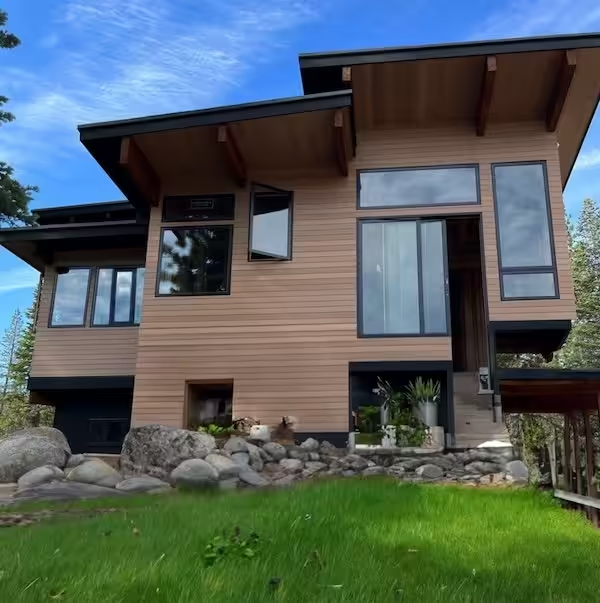
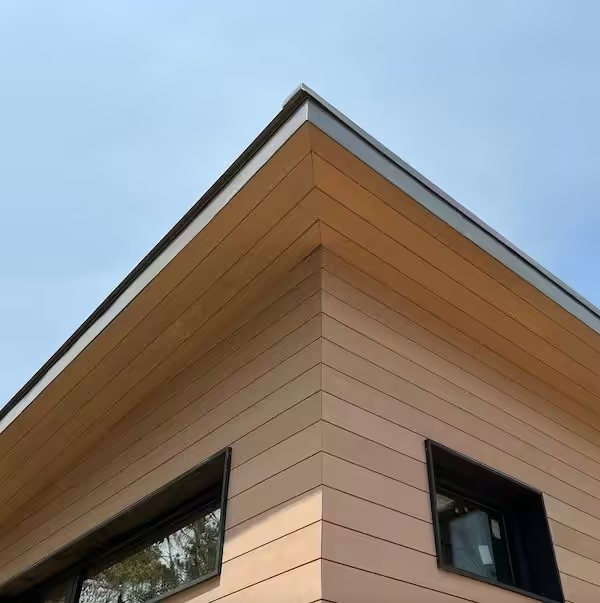
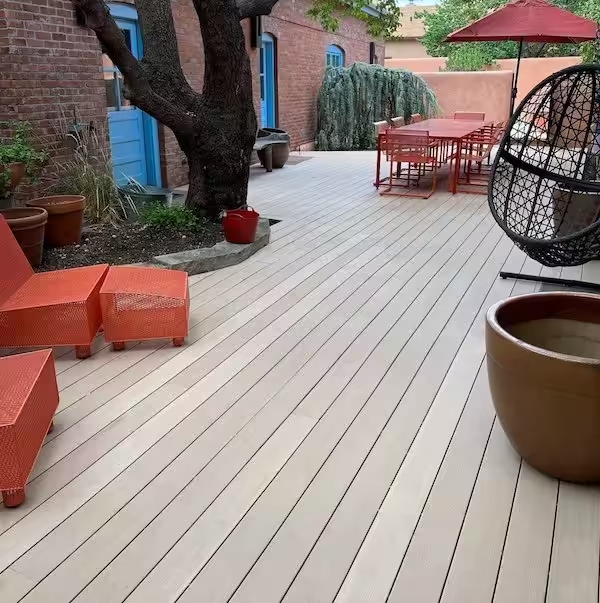
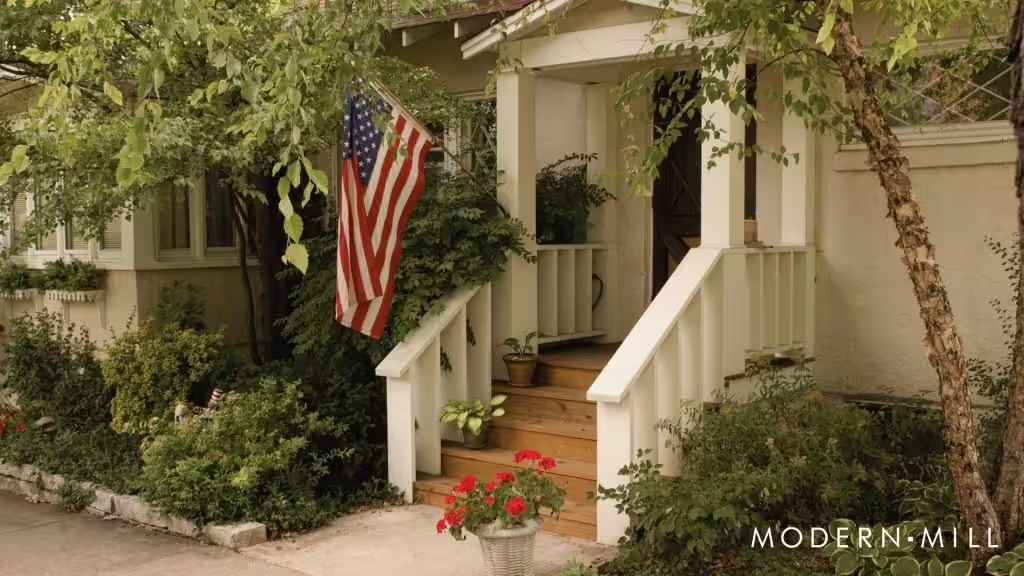
ACRE is redefining what’s possible in sustainable construction. Made in the USA from upcycled rice hulls, ACRE is a tree-free alternative to traditional wood that offers the warmth and aesthetic of lumber without the downsides of international sourcing. Its domestic production means it’s shielded from global tariff shocks, ensuring builders have access to a stable, consistent supply. Beyond tariff resilience, ACRE is water, weather, and pest-resistant, making it ideal for siding, trim, decking, and more. For those seeking a future-proof material that delivers on performance, sustainability, and supply security, ACRE stands out as a smarter choice.
With ongoing lumber supply challenges and rising uncertainty in global trade, many builders and homeowners are asking the same question: how can you capture the beauty of wood when real wood isn’t reliably available? The answer lies in next-generation alternatives like ACRE.
ACRE offers all the visual appeal of real wood with no supply headaches. It’s manufactured in the USA, making it immune to international tariffs and trade disruptions. For wood lovers, ACRE delivers where it matters:
- Authentic Look and Feel: It mirrors the grain, texture, and warmth of wood—without cutting down a single tree.
- Custom Finish Options: Can be painted or stained (no primer needed) to replicate the beauty of tropical hardwoods.
- Low Maintenance: Unlike wood, ACRE won’t rot, splinter, or require frequent maintenance
- Durable: Highly resistant to water, weather, UV rays, pests, and mold—ideal for both interior and exterior applications.
- Sustainable Sourcing: Made from recycled agricultural waste, supporting a circular, eco-conscious supply chain.
ACRE doesn’t just replace wood—it reimagines it for a more stable, sustainable future in construction.
Conclusion
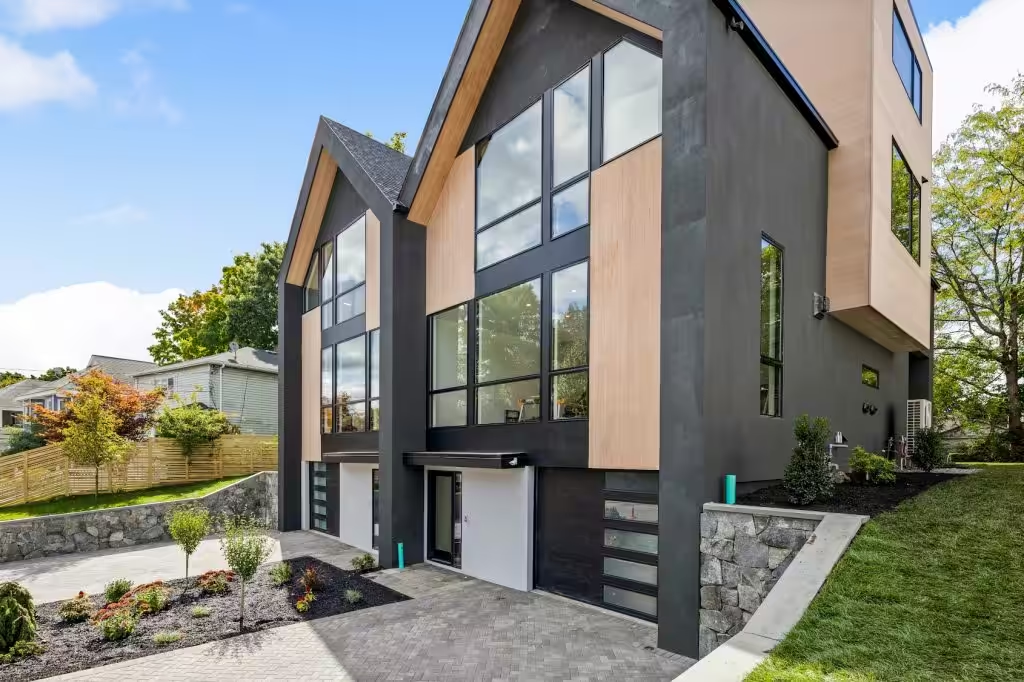
As the construction industry navigates a new era of global uncertainty, choosing the right materials has never been more critical. Tariff-resilient solutions like ACRE offer a dependable path forward, combining the beauty of natural wood with the reliability of domestic sourcing and the strength of sustainable innovation. By moving away from vulnerable supply chains and embracing next-generation materials, builders, developers, and homeowners can future-proof their projects against market volatility while building smarter, greener, and more resilient spaces.
Interested in exploring tariff-resilient, sustainable building solutions for your next project? Order ACRE samples or complete the contact form to learn more about reliable, cost stable materials from Modern Mill.
Ready to Experience the
Difference?
Ask for ACRE at your local lumber yard or order samples to see for yourself why builders are making the switch.