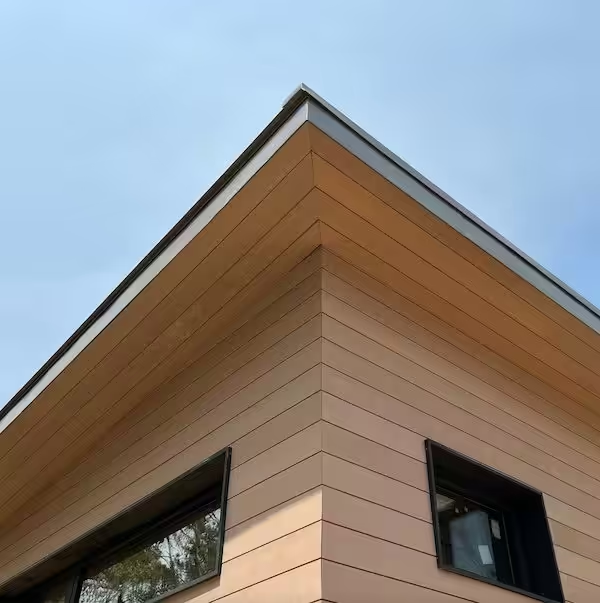
ACRE Siding vs Fiber Cement Siding
May 2025Choosing siding means finding a material that checks all the boxes: durability, beauty, ease of use, and eco-friendliness — see this full framework for how to choose siding for the seven factors that matter most. Today’s innovative sustainable siding, like ACRE by Modern Mill, meets more of these needs than ever, part of why more builders are specifying composite siding over legacy options. While fiber cement has long been chosen for its strength, how does it stack up? This blog compares ACRE to fiber cement on performance, aesthetics, sustainability, installation, and design flexibility to help builders, architects, and homeowners decide.
Material Composition and Environmental Impact
Fiber cement siding is made from a mix of cement, sand, and cellulose fibers. While durable, its production uses lots of energy and involves mining materials like limestone and clay. Cutting it releases silica dust, which can be unsafe on jobsites. ACRE, a top eco-friendly siding, is made from upcycled rice hulls, a farm byproduct. It produces no harmful dust, is tree-free to reduce deforestation and carbon emissions, and is part of a zero-waste, USA-made, recyclable process.
Durability and Performance
Both ACRE and fiber cement are built to last, but they offer different experiences in the field.
- Fiber cement is resistant to fire and pests but can absorb water over time if not sealed properly. Its rigid composition makes it prone to cracking during transport, cutting, or installation—especially in cold or shifting climates.
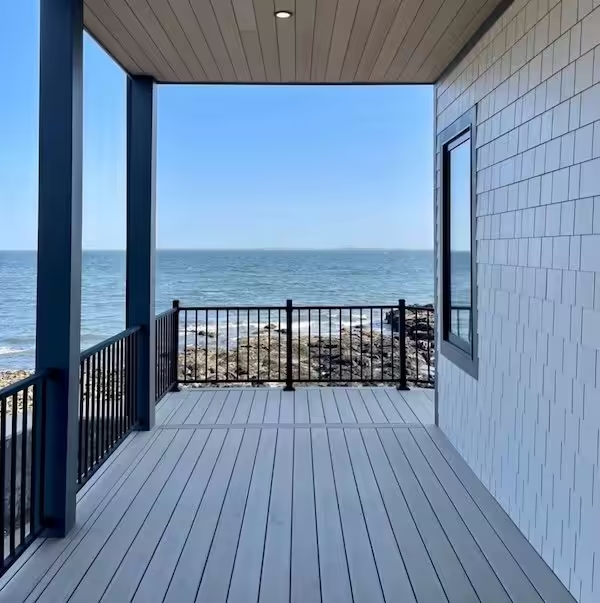
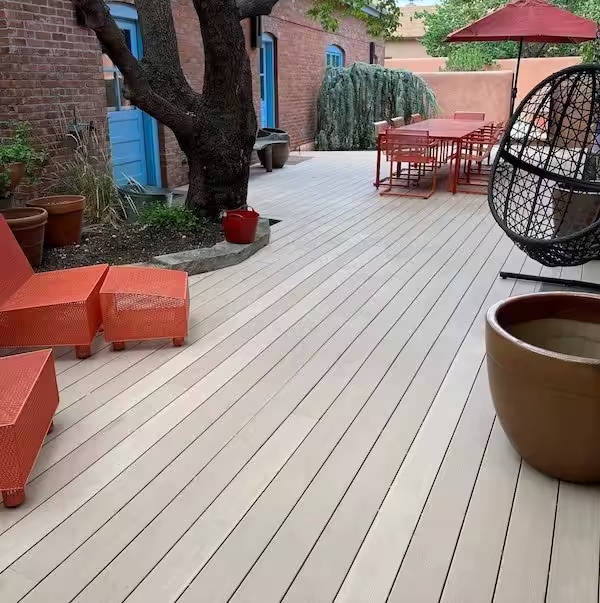
- ACRE siding resists water, rot, and insect damage without needing sealing or priming. It doesn’t splinter or warp and performs reliably in diverse conditions, from humid coasts to freezing winters. Its lighter weight also makes it easier to handle and install, reducing the risk of damage on site.
ACRE’s resistance to swelling or shrinking make it ideal for maintaining clean lines and tight joints over time, helping preserve a project’s finish with less maintenance.

Installation and Jobsite Experience
When it comes to performance on the jobsite, ACRE and fiber cement offer very different experiences. For a deeper look at working with the material on site, see our guide to building with ACRE for builders and architects. Here’s a breakdown of how they compare:
- Fiber cement:
- Heavy and difficult to handle
- Causes excessive wear and tear on blades
- Produces silica and harmful dust when cut
- Questionably suitable for ground contact
- Screwing holes can mushroom or split
- ACRE:
- Lightweight yet strong and stays consistently straight, making it easier to carry, fasten, and install with fewer crew members.
- Cuts, sands, and routs smoothly using standard woodworking tools, with no special equipment or harmful dust.
- Strong screw and nail retention with no mushrooming, screw burnout, splitting, and no pre-building required.
- Can be thermoformed to wrap corners, bend around curves, or create custom shapes
- Water-resistant and suited to direct ground contact
Aesthetics and Natural Beauty
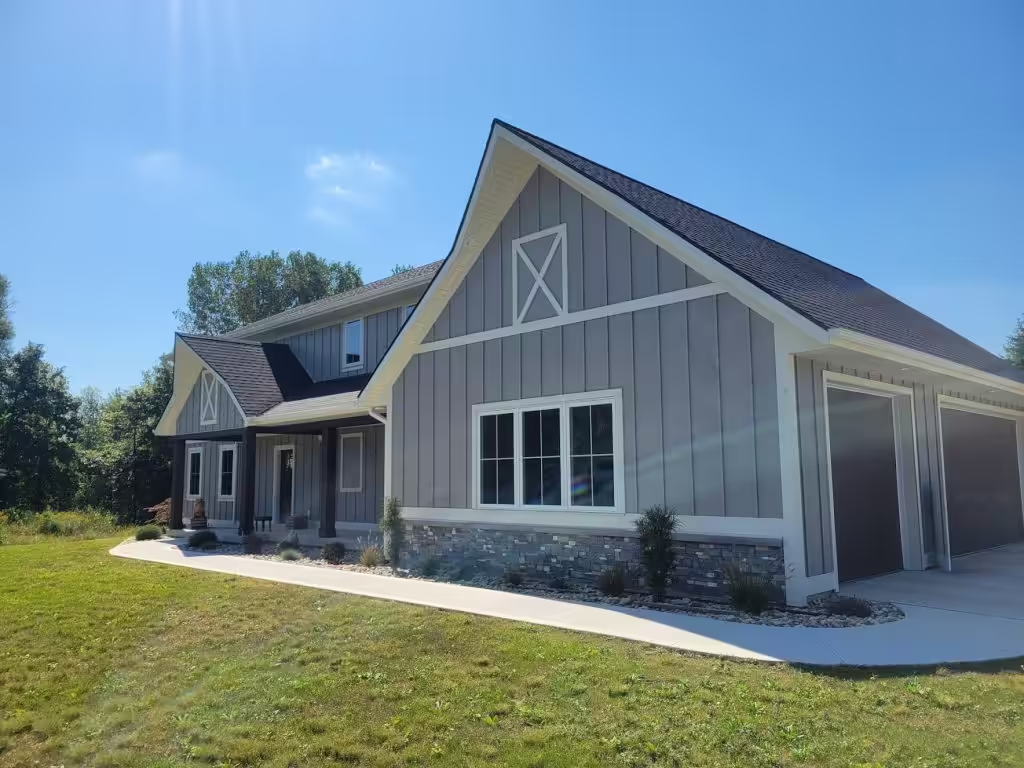
Aesthetics are another area where the contrast between ACRE and fiber cement becomes clear. Fiber cement typically comes in a range of factory-finished colors, but its look can often appear synthetic, lacking the warmth and texture of natural materials. It doesn’t quite capture the natural beauty that many homeowners and designers seek.
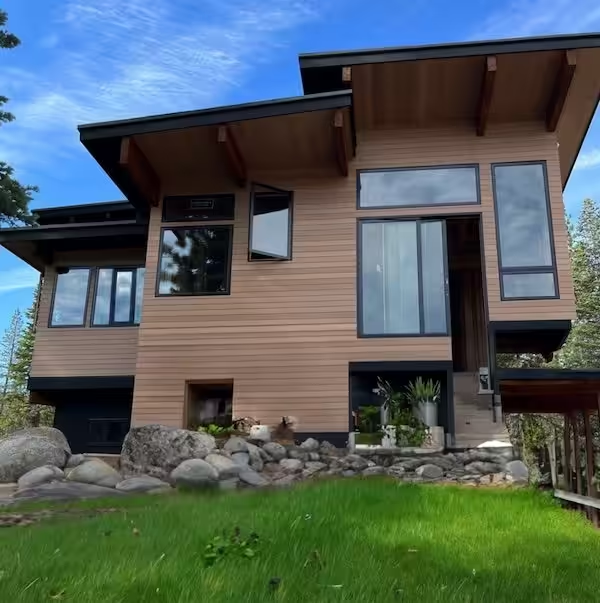
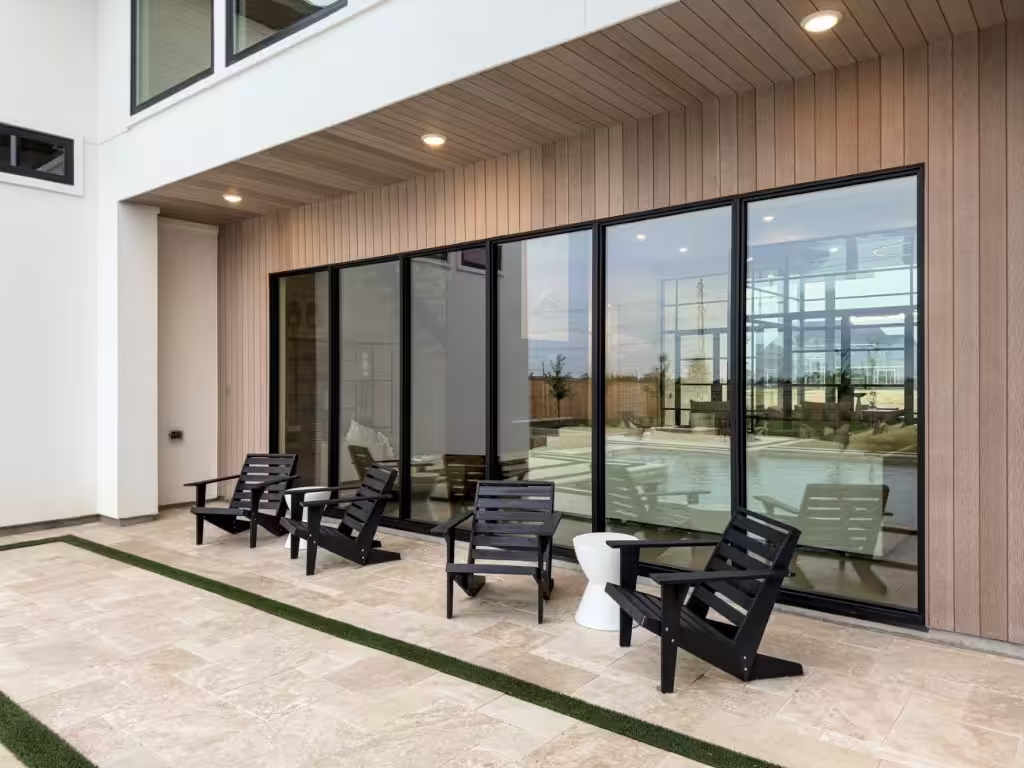
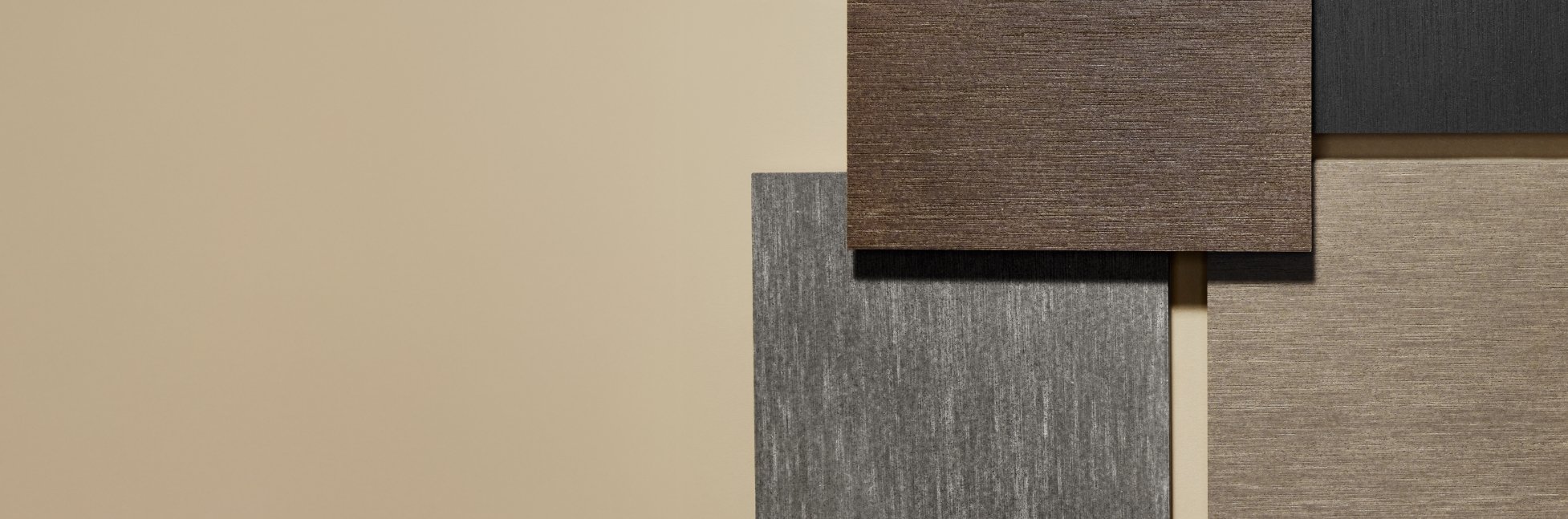
ACRE, on the other hand, closely resembles the beauty of wood, offering the rich texture and warmth that makes it a standout in any project. Made from upcycled rice hulls, a natural waste byproduct, ACRE closely captures the natural qualities of wood without the drawbacks. ACRE is also paintable and stainable without primer, offering hundreds of approved colors to perfectly match any design project.
Conclusion
Fiber cement has long been used in siding projects for its durability and fire resistance, but it comes with trade-offs in weight, workability, and environmental impact. If you are weighing ACRE against another engineered option, see how it compares to thermally modified wood. ACRE composite siding offers a next-generation alternative that meets the needs of today’s builders, architects, and homeowners—delivering strength, beauty, and sustainability in one material. With its wood-like appearance, ease of installation, and low environmental footprint, ACRE is proving that you don’t have to compromise to build smarter and more sustainably.
Interested in seeing the difference for yourself? Order ACRE samples today or fill out our contact form below to see where ACRE can fit into your next project!
Ready to Experience the
Difference?
Ask for ACRE at your local lumber yard or order samples to see for yourself why builders are making the switch.