Is Composite Siding Worth It?
June 2025When it comes to choosing the right siding for your home or building project, the options can feel endless—wood, fiber cement, vinyl, engineered wood, and composites all promise different advantages. Among them, composite siding has emerged as a popular contender for those seeking durability, low maintenance, and modern curb appeal. But with a wide range of materials and price points in the category, it’s fair to ask: is composite siding really worth it? In this blog, we’ll break down what composite siding is, how it performs compared to other materials, and what to consider when deciding if it’s the right choice for your project.
What Is Composite Siding?
Composite siding is made from a blend of materials, often engineered to mimic the look of wood while improving on its weaknesses. These composites vary in composition but typically combine wood fibers or plant-based content with plastic resins, polymers, or other binding agents to create a durable exterior cladding material. Traditional composites often use wood waste or sawdust, while innovative options like ACRE by Modern Mill take sustainability further by utilizing upcycled rice hulls—agricultural waste that would otherwise be burned or discarded.
The engineering behind composite siding focuses on eliminating wood’s most problematic characteristics. While natural wood is susceptible to moisture damage, insect infestation, and dimensional changes from temperature fluctuations, composite materials are designed to resist these issues through their manufactured composition. This results in siding that maintains the aesthetic appeal of wood grain and texture while offering superior performance in challenging weather conditions and requiring significantly less ongoing maintenance.
Durability and Weather Resistance
One of composite siding’s biggest advantages is its ability to stand up to the elements. Unlike wood, quality composite siding doesn’t:
- Absorb moisture, swell, or warp
- Attract termites, carpenter ants, or other pests
- Crack or split with temperature fluctuations
- Require frequent maintenance or staining
Composite also outperforms other siding materials in challenging conditions. It’s more resilient than vinyl in cold climates where it can become brittle and crack. Unlike fiber cement, which can chip or crumble under impact, composite materials maintain their integrity even when stressed.
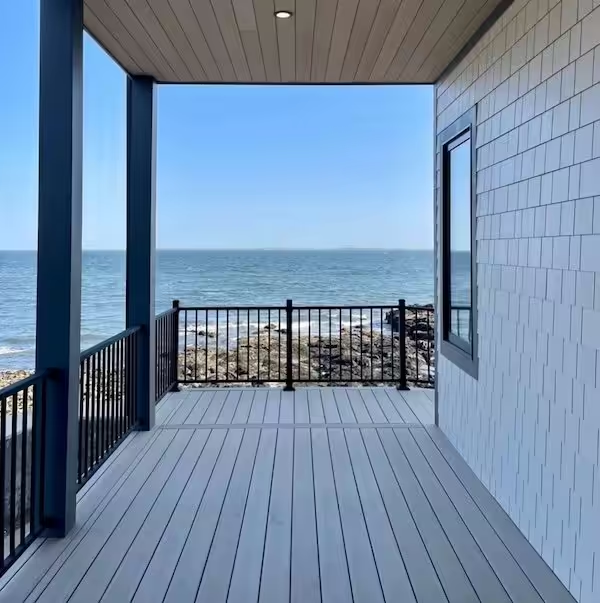
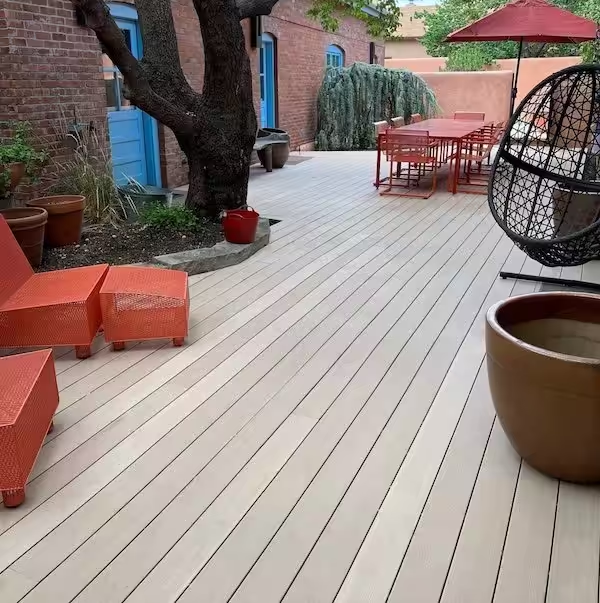
Modern composites like ACRE siding are engineered for extreme weather resistance. They perform exceptionally well in moisture-heavy environments and freeze-thaw cycles, maintaining both performance and appearance even in harsh conditions. While wood siding requires regular repainting, staining, and sealing to maintain its protective barrier, composite siding delivers consistent weather protection without the ongoing maintenance demands.
Curb Appeal
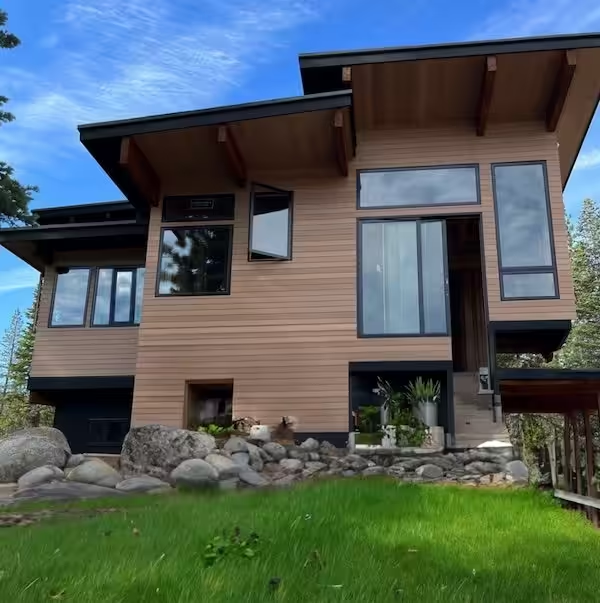
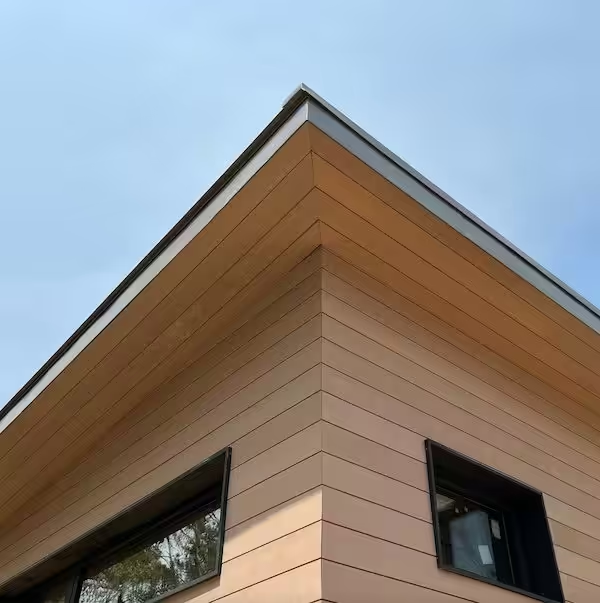
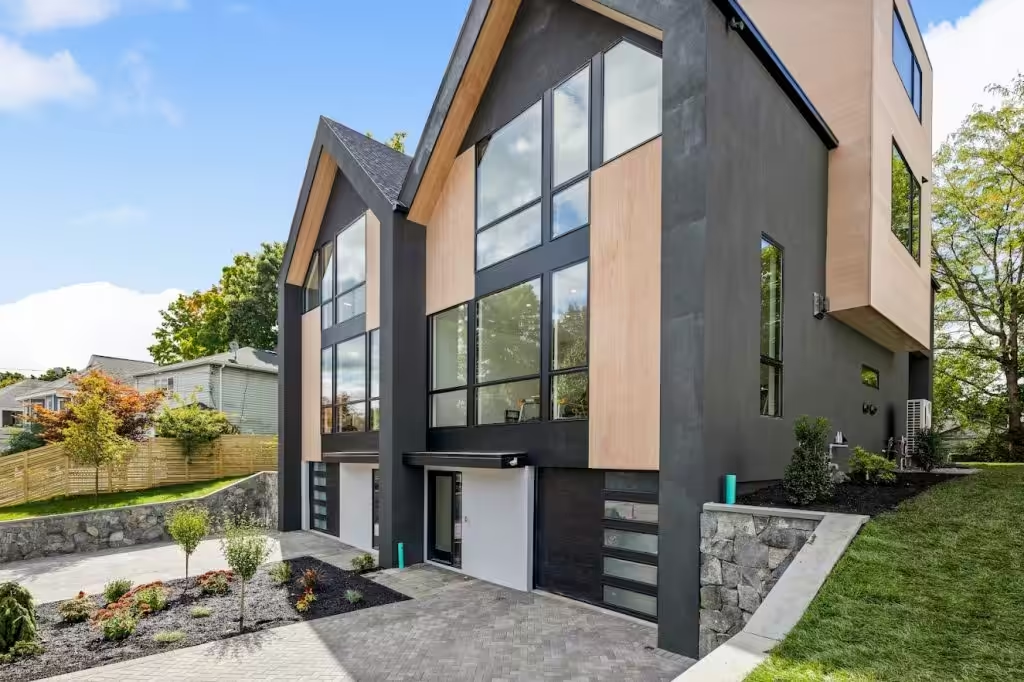
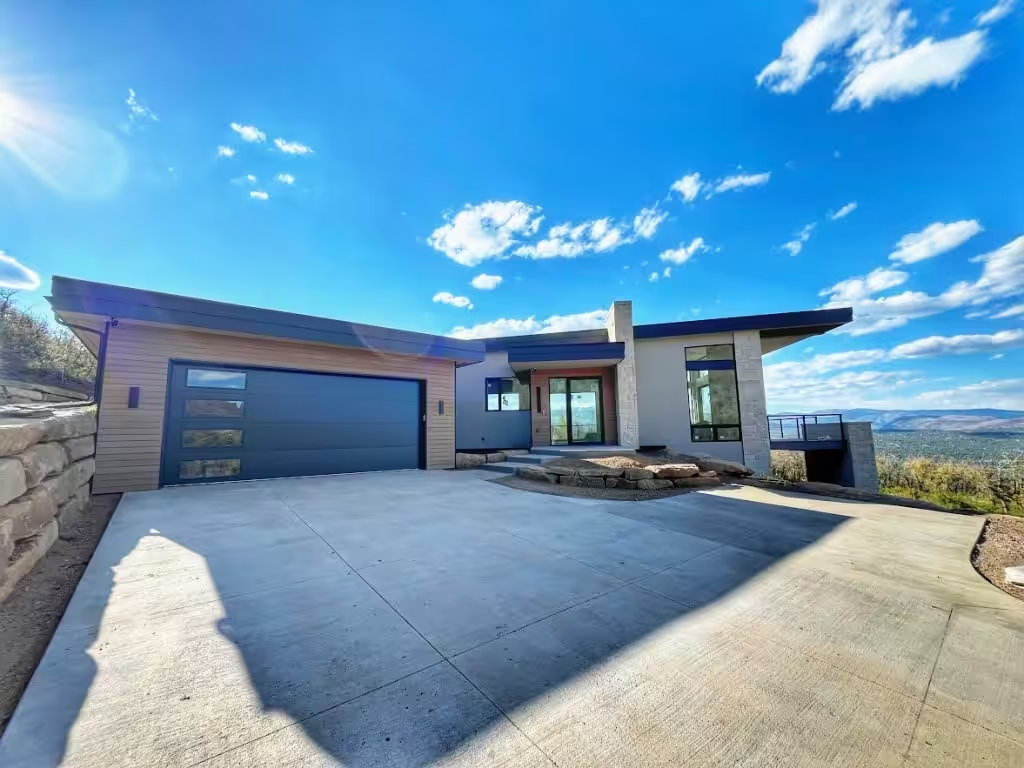
Composite siding has come a long way in recent years. Top-tier products now offer textures and grains that convincingly replicate natural wood, without the inconsistencies like knots, cracks, and color variations that often come with lumber.
Modern composite products deliver impressive design versatility. They can be:
- Painted or stained to match custom colors
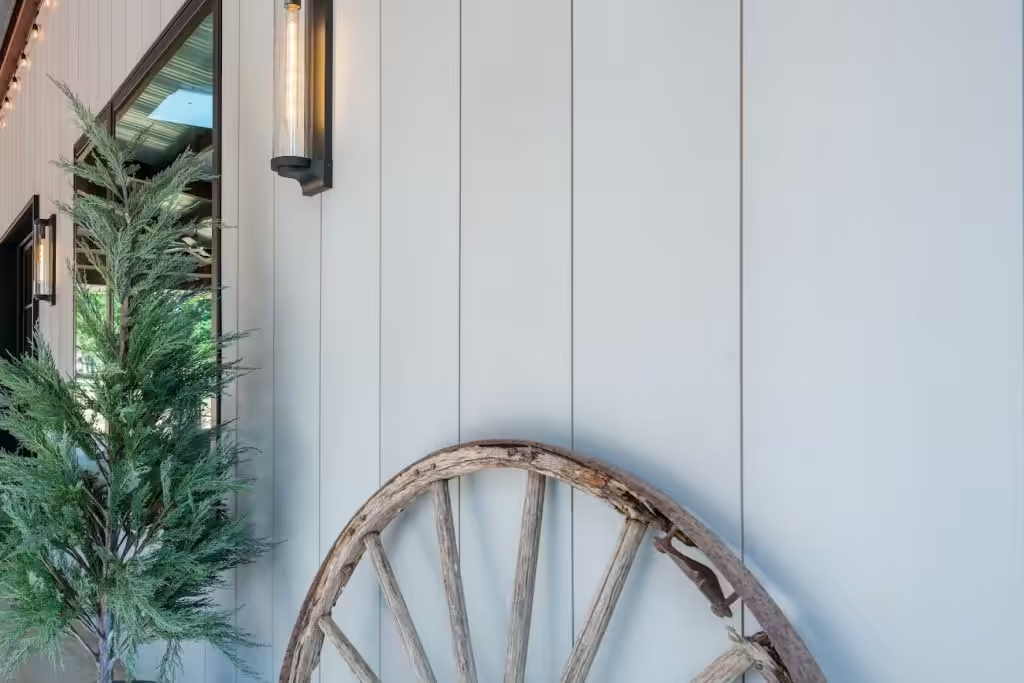
- Installed in various profiles, including shiplap, board-and-batten, nickel gap and more
- Used across architectural styles, from rustic farmhouse to contemporary
This flexibility allows homeowners to achieve their desired aesthetic without compromising on performance. While wood siding can develop weathering, staining, or discoloration from moisture exposure, composite maintains its appearance year after year. There’s no risk of deterioration or warping that creates shadow lines, or the gray weathering that untreated wood develops over time.
Environmental Benefits
Composite siding is often considered a greener alternative to traditional materials, especially products made from recycled or upcycled content. While conventional wood siding contributes to deforestation and vinyl production relies heavily on petroleum-based resources, many composites offer a more sustainable path forward.
ACRE from Modern Mill stands out as a particularly eco-friendly siding option:
- Manufactured from upcycled rice hulls, reducing agricultural waste
- No trees are harvested in the process, unlike traditional wood siding
- Produced in a zero-waste facility in Mississippi, supporting local jobs and reducing transportation emissions
The durability of composite materials also contributes to their environmental benefits. Unlike wood, which requires regular treatments with chemical stains and sealers, composite siding maintains its performance without ongoing chemical inputs. This longevity means fewer replacements over time, reducing the environmental impact of manufacturing, transportation, and disposal.
In today’s eco-conscious market, using sustainable building materials like composite siding can support LEED points and align with environmentally minded buyer values—adding both environmental and market appeal to your project.
Builder Friendly Workability
Builders have long favored wood siding for its ease of installation—it cuts cleanly, accepts fasteners well, and doesn’t require specialized tools or techniques. However, many composite materials have earned a reputation for being difficult to work with, often dulling saw blades quickly, creating static cling issues, or producing harmful dust during cutting.
Innovative composites like ACRE are redefining what contractors can expect from composite workability. Unlike traditional composites that can be problematic on the jobsite, ACRE delivers the same ease of installation that builders appreciate in wood:
- Cuts cleanly without dulling blades or creating excessive dust
- No static cling or cleanup issues
- Works with standard carpentry tools and techniques
- Accepts nails and screws without pre-drilling or splitting
This improved workability translates to faster installation times and lower labor costs. Contractors don’t need to invest in specialized cutting equipment, deal with blade replacement issues, or manage dust control systems. The material behaves predictably during installation, allowing builders to work efficiently while maintaining the quality finish that homeowners expect.
For contractors who want the performance benefits of composite without the installation headaches, materials like ACRE prove that you don’t have to sacrifice workability for durability.
Long-Term Cost Savings
Upfront, composite siding tends to sit in the middle of the price spectrum—typically more than vinyl or low-grade wood, but less than premium cedar or engineered wood. While exact pricing depends on brand, region, and finish options, what often tips the scale in favor of composites is the long-term value.
Consider the ongoing costs composite eliminates:
- Lower maintenance and repair costs—no regular staining, painting, or sealing
- Greater lifespan and fade resistance compared to wood or vinyl
- Reduced risk of costly repairs from rot, pest damage, or weather-related issues
Additionally, homes with high-quality, low-maintenance exteriors often command higher resale values and can be more attractive to buyers who want to avoid ongoing upkeep responsibilities.
Conclusion
So, is composite siding worth it? For many projects, absolutely. It offers a rare combination of beauty, durability, and sustainability, all with less maintenance than traditional wood or vinyl. While the upfront investment may be higher than basic alternatives, composite siding delivers exceptional long-term value through reduced upkeep costs, extended lifespan, and lasting curb appeal.
Whether you’re renovating a forever home or designing a high-performance build, composite siding provides the smart, stylish, and eco-conscious solution you’re looking for. Modern innovations like ACRE have addressed traditional composite drawbacks, proving that you don’t have to sacrifice workability or performance for sustainability.
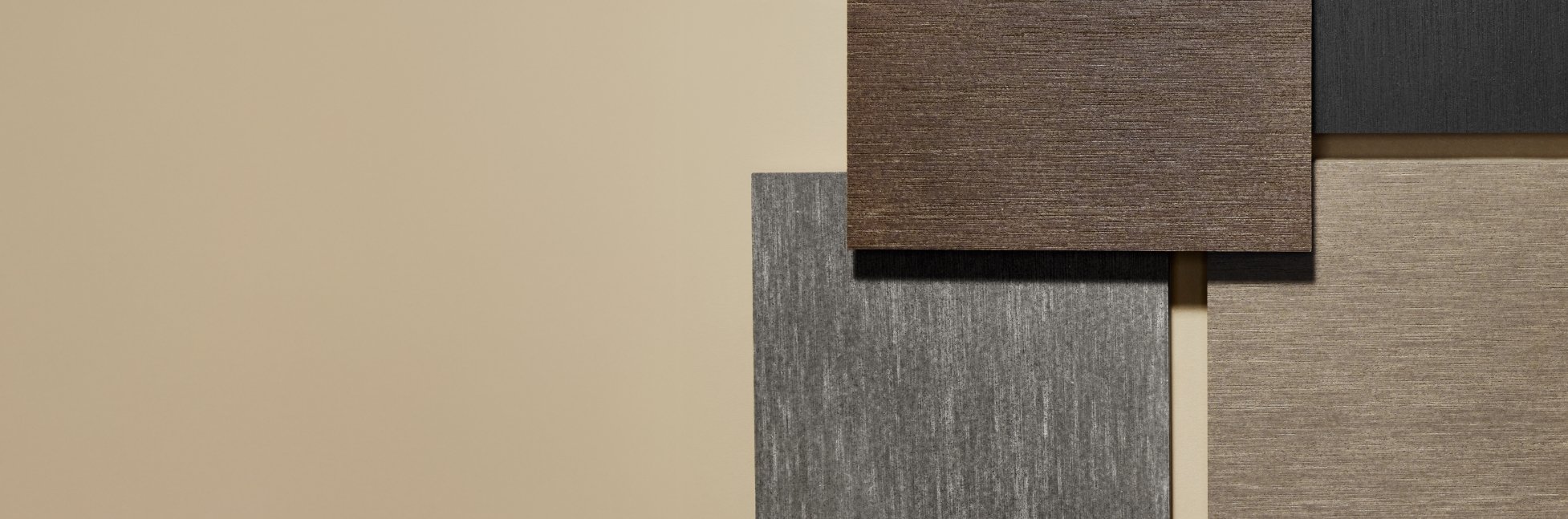
Ready to explore composite siding options like ACRE? Order samples or get in touch with the contact form below to see how ACRE can elevate your next project.
Ready to Experience the
Difference?
Ask for ACRE at your local lumber yard or order samples to see for yourself why builders are making the switch.