Top 5 Benefits of Synthetic Wood Siding
November 2025Synthetic wood siding is becoming one of the most reliable and design-forward exterior materials used by homeowners, builders, and architects today. Also known as faux wood siding, materials like composite siding options are leading the next generation of building by mirroring the natural warmth and character of real wood while delivering performance benefits traditional lumber cannot match.
Synthetic wood siding often replaces the need to cut down forests and with interest in sustainable construction materials growing, it has earned a permanent place in residential and commercial design. Below are five key benefits that explain why.
1. Natural Beauty That Looks Like Real Wood
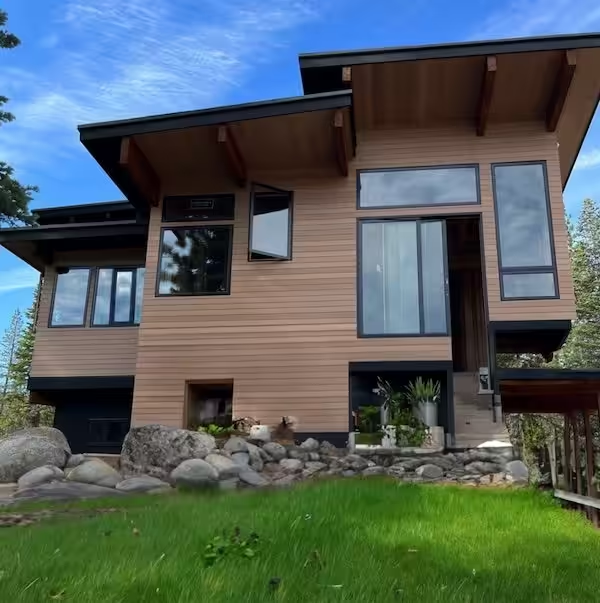
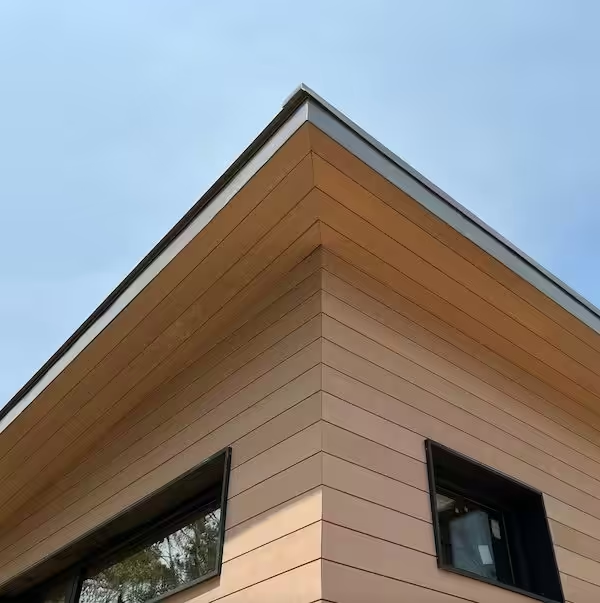
One of the biggest reasons synthetic wood siding continues to grow in popularity is its ability to replicate the authentic grain, texture, and tone of real wood. Early composites and some low quality options today are capstocked and appear plastic-like, but today’s innovative materials can achieve a realistic, warm finish that often makes them indistinguishable from real woods like cedar siding.
Features homeowners and designers appreciate include:
- Realistic wood grain patterns
- Warm, natural tones suitable for luxury siding applications
- Availability in profiles like shiplap siding, board and batten, and v-groove
- Compatibility with stains and paints for fully custom looks
Realistic looking synthetic wood siding options also support biophilic design by offering the same visual cues and wellness benefits as natural materials. Research shows that earthy tones and wood-like textures can reduce stress and create a sense of connection to nature, even when made from simulated nature materials.
2. Little to No Maintenance Compared to Real Wood
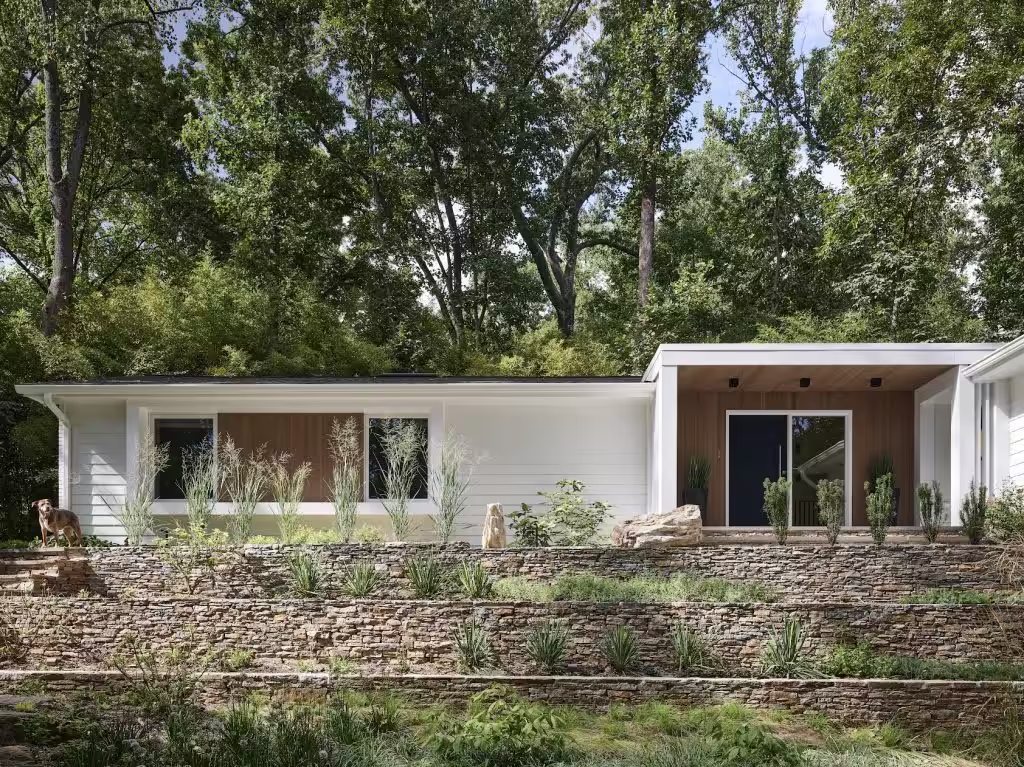
One of the biggest frustrations with natural wood siding is the ongoing maintenance. Wood needs regular staining or painting to prevent fading, cracking, and moisture damage, and those upkeep cycles increase costs over time.
Synthetic wood siding eliminates most of those concerns. High-quality materials resist:
- Moisture absorption
- Extreme weather
- Rot and decay
- Insects and wood-boring pests
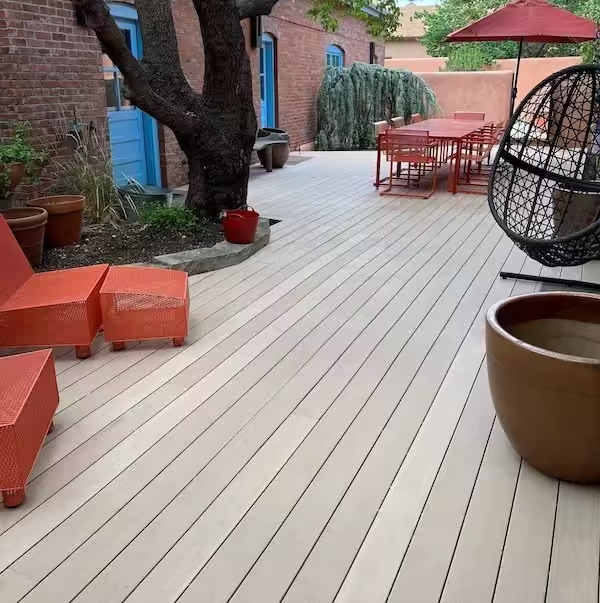
This makes faux wood siding a practical choice for both new builds and remodels. Homeowners enjoy the look of wood without the yearly upkeep, and builders save significant time by avoiding field finishing.
3. Long-Lasting Durability in All Climates
Where natural wood struggles, synthetic wood siding thrives. Composite siding options are engineered for long-term stability and perform reliably across nearly every environment.
Durability benefits include:
- Consistent stability during humidity changes
- Better resistance to harsh sun, heavy rain, and freezing temperatures
- Longer lifespan than traditional wood
- Reduced callbacks for builders
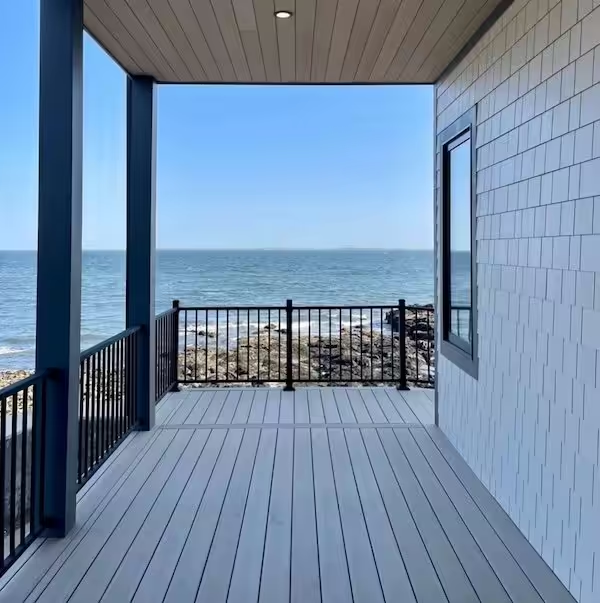
This is especially important for areas with high moisture, coastal salt air, or four-season climates where natural wood typically requires aggressive maintenance to avoid early failure.
4. Sustainable and Tree-Free Material Options
Sustainability is one of the strongest reasons homeowners and professionals choose synthetic wood siding. Harvesting trees for siding contributes to deforestation and impacts climate health. Many modern composites are made from upcycled or renewable resources, offering a healthier future.
Sustainable benefits include:
- Reduced reliance on forest harvesting
- Some products made from recycled or upcycled content
- Consistent quality that minimizes waste
- Availability as sustainable construction materials for LEED or green building goals
Synthetic wood siding also supports long-term environmental performance when it resists rot, insects, and weather damage, which reduces replacements and waste over time.
5. More Design Flexibility and Cost Predictability
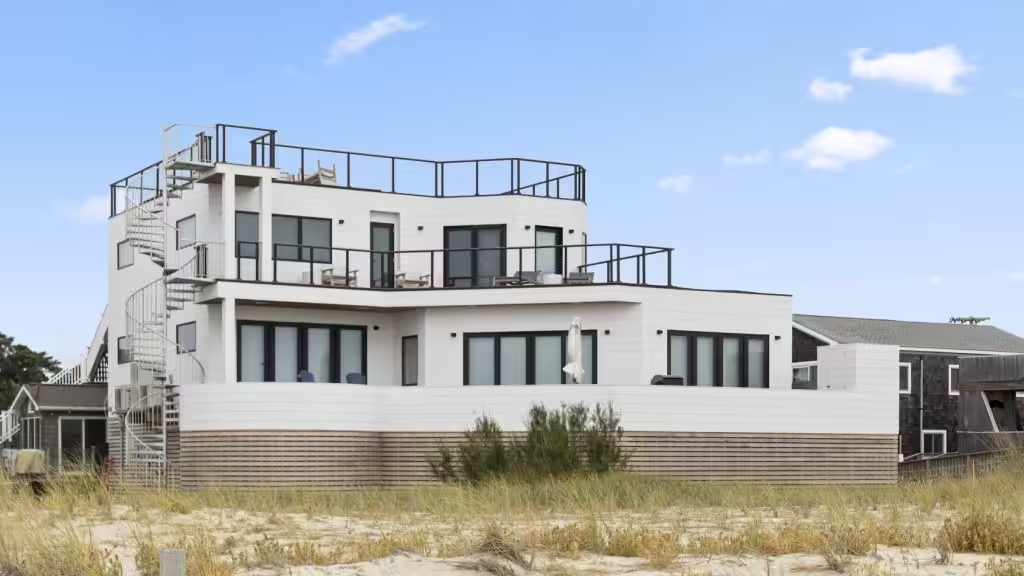
Since synthetic wood siding is engineered rather than harvested, homeowners and design teams gain greater consistency and creative freedom. Boards are uniform, stable, and available in a wide range of formats that wood cannot reliably match.
Design advantages include:
- Availability in modern and traditional profiles including siding shiplap, nickel gap, v-groove, and board and batten
- Better color control through factory finishing or custom stain options
- Greater ability to match architectural styles
- No surprises in grain variation or board quality
Synthetic siding also avoids the price volatility of wood. Real cedar siding continues to increase in cost due to limited supply and early harvesting of younger trees. Many synthetic options remain comparably priced or more cost-effective over the full life of the home.
ACRE by Modern Mill: The Standout Synthetic Wood Siding Option
While many composites fall short in realism or performance, ACRE by Modern Mill blends the best qualities of wood and advanced composites into a single material. It is engineered from upcycled rice hulls, offering a completely tree-free alternative that delivers authentic wood beauty with minimal maintenance.
Why ACRE stands out:
- Truly indistinguishable from natural wood in grain and feel
- Fully stainable and paintable unlike most capped composites
- Resistant to water, rot, pests, and extreme weather
- Made in a zero-waste facility in Mississippi
- Available in shiplap siding, nickel gap, edge and center bead, v-groove, and more
- Performs as a long-lasting cedar siding alternative without the upkeep
For homeowners and design professionals seeking sustainable siding that does not compromise beauty or performance, ACRE is one of the most innovative materials on the market today.
Experience the Future of Wood
Synthetic wood siding is reshaping the possibilities in modern architecture. It offers the natural warmth people love about wood, paired with durability, sustainability, and ease that natural materials cannot match.
Ready to explore ACRE for your next project? Order samples today and connect with the Modern Mill team through the form below to discuss how ACRE can elevate your exterior design.
Ready to Experience the
Difference?
Ask for ACRE at your local lumber yard or order samples to see for yourself why builders are making the switch.