Best Long-Lasting Siding Options
January 2026Selecting long-lasting siding is one of the most important decisions homeowners, builders, and architects make. Exterior cladding shapes not only curb appeal but also long-term performance, maintenance needs, and sustainability. Today’s market includes a wide range of materials, from traditional choices like vinyl and fiber cement to next-generation composites engineered for decades of reliability.
Below is a detailed look at the most durable siding types available today, how they perform over time, where they fall short, and why advanced materials are raising expectations for longevity and beauty.
Vinyl Siding
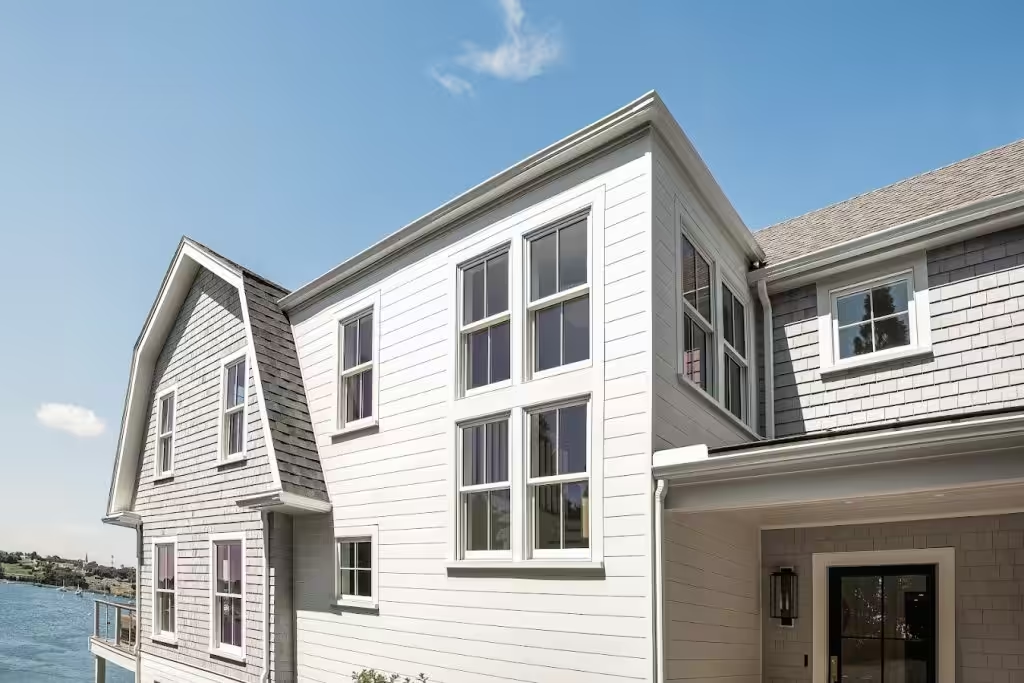
Vinyl siding has been popular for decades thanks to its affordability and straightforward maintenance, making it a common option in many subdivisions and residential builds.
Where vinyl performs well
Vinyl naturally resists moisture, does not require repainting, and offers a broad range of color choices. It is lightweight and quick to install, which can appeal to homeowners seeking a cost-effective solution.
Where vinyl shows its limits
Vinyl siding typically has a shorter lifespan than newer materials. It can warp under high temperatures, become brittle in cold weather, and fade under UV exposure. Its surface texture remains visually flatter than materials designed to replicate real wood.
Vinyl offers decent performance—but modern building trends are moving toward more durable, higher-value materials.
Fiber Cement Siding
Fiber cement combines cement, sand, and cellulose fibers, delivering toughness that performs well in harsh climates.
Where fiber cement excels
It offers strong fire resistance, good stability, and a more realistic wood-like texture compared to vinyl. It’s commonly chosen for regions with frequent storms or high humidity.
Where it falls short
Fiber cement is heavy, difficult to cut, and labor-intensive to install. Cutting produces silica dust, requiring proper safety measures. While durable, it may require repainting and can show edge wear in freeze–thaw climates.
Fiber cement offers longevity, but not without maintenance and installation challenges.
Engineered Wood Siding
Engineered wood aims to blend the warmth of real wood with better moisture resistance and stability.
Where engineered wood performs well
It has a more authentic texture than vinyl or fiber cement and can be easier to install due to its lighter weight.
Limitations over time
Since engineered wood still contains organic material, it can absorb moisture, swell, or discolor if not properly maintained. It requires ongoing sealing or painting to protect its surface.It strikes a middle ground, but still carries long-term vulnerabilities.
Metal Siding (Aluminum & Steel)
Metal siding is valued for its exceptional longevity and resilience.
Strengths of metal siding
Metal is resistant to rot, insects, and fire. It performs exceptionally well in regions dealing with extreme temperatures or severe weather.
Challenges to consider
Metal can dent, expand or contract with temperature changes, and may not achieve the warm, residential curb appeal many homeowners want. It’s one of the longest-lasting options, but not the most versatile aesthetically.
ACRE™: A Next-Generation Siding Solution
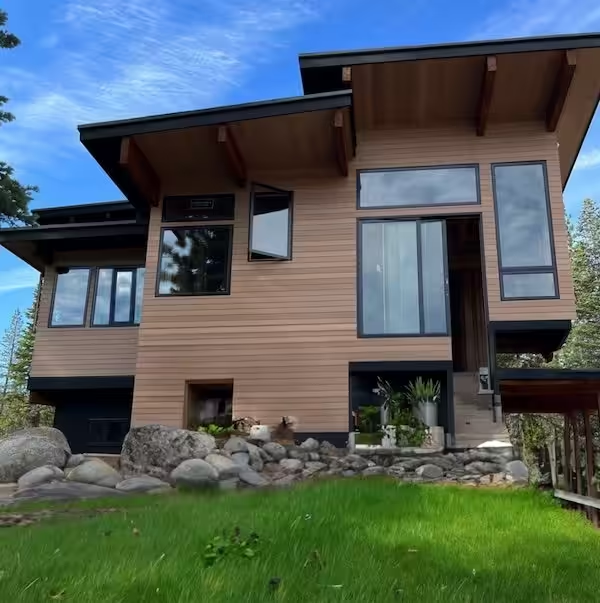
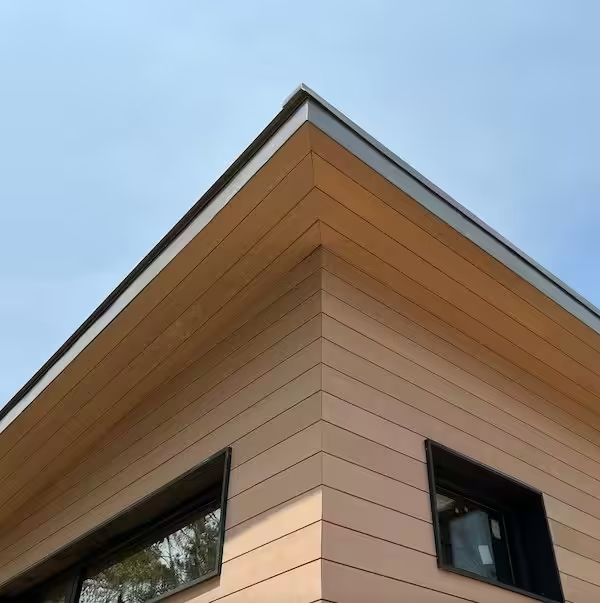
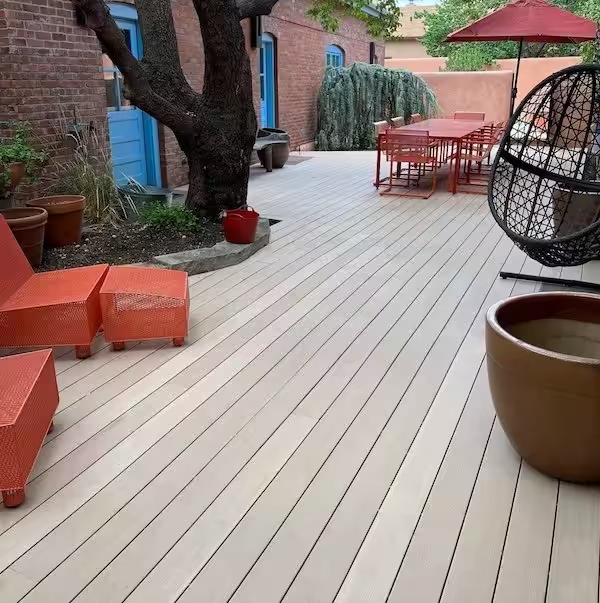
ACRE by Modern Mill™ represents a major step forward in siding durability. Made from upcycled rice hulls in a zero-waste facility, it combines long-term performance with the natural warmth and workability of wood, without the weaknesses of traditional materials.
Highlighted by Builder Online, ACRE is milled into many popular profiles and seamlessly blends sustainability and performance.
Why ACRE outperforms traditional siding
- Highly stable—won’t rot, splinter, or crack
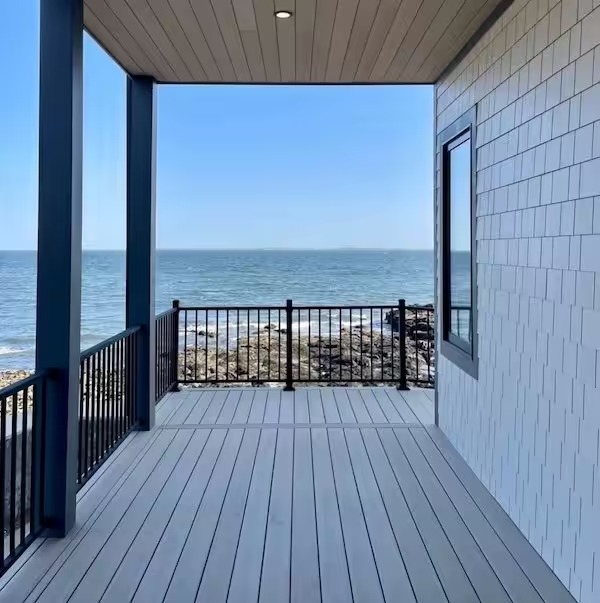
- Exceptional moisture resistance, ideal for coastal or humid regions
- Pest resistant without added chemicals
- Stainable and paintable, offering full design flexibility
- Lightweight and easy to install with standard tools
- Tree-free and upcycled, supporting sustainable construction
The material is fire rated and as reported by Homeliving Handbook, ACRE offers notable fire resistance and long-term durability in weather challenging climates. The material is also extremely simple to use on jobsites, with Los Angeles Times sharing why so many building pros have made the switch from traditional lumber to ACRE.
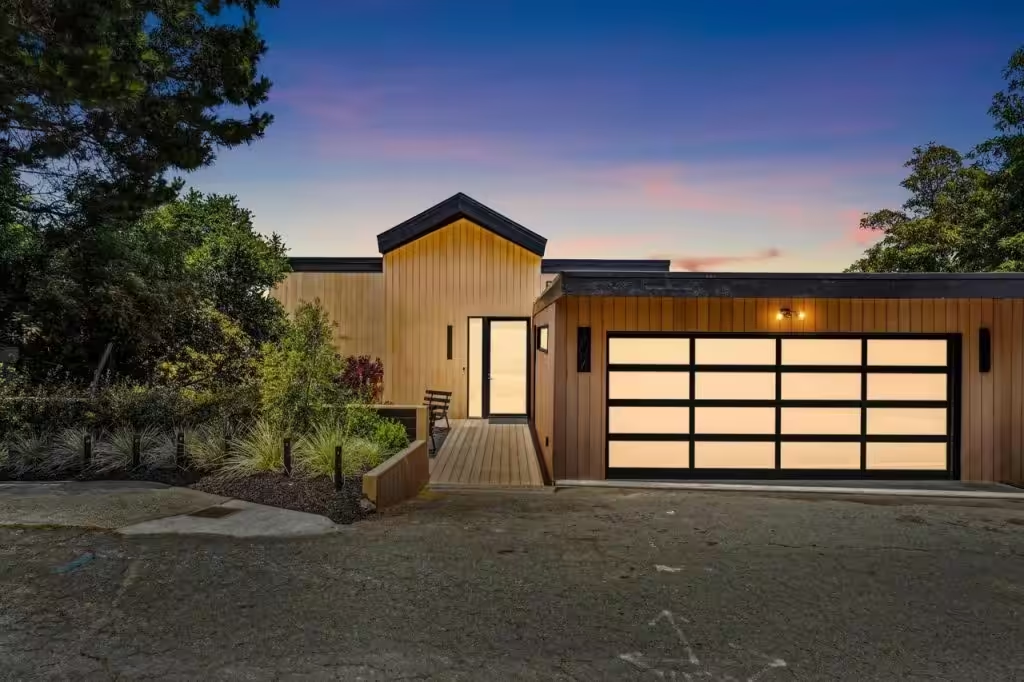
Conclusion: Choosing the Best Long-Lasting Siding
Durable siding must do more than withstand weather, it needs to retain its beauty, minimize maintenance, and support responsible building practices. While vinyl, fiber cement, engineered wood, and metal offer specific advantages, they all include tradeoffs.
ACRE delivers a rare combination of performance, longevity, and design flexibility, supported by industry recognition and third-party validation. For homeowners, builders, and architects seeking a beautiful, resilient, and future-forward material, ACRE stands out as one of the strongest siding solutions available today.
Ready to see the difference for yourself? Order ACRE samples today or contact the Modern Mill team in the form below to see where ACRE can fit into your next build.