Best Sustainable Construction Materials for an Eco-Friendly Home
February 2026Building “green” used to sound simple: choose natural materials and avoid anything synthetic. Most homeowners and builders know it doesn’t work like that anymore. Some natural resources are in smaller and smaller supply and cannot meet demand anymore. An old growth tree like ipe, teak or mahogany takes hundreds of years to grow and there aren’t enough of them left in the environment to keep up with the pace of demand. In an attempt to keep up, these woods are being harvested early which leads to poor quality.
A material can be natural and still be resource-heavy over the life of a home. Another material can be manufactured and still end up with a lower real-world footprint because it lasts longer, needs fewer coatings, and doesn’t have to be replaced as often.
So if you’re trying to make your home more eco-friendly, it helps to start with one practical question. What materials will still be doing their job and still look good after decades without constant upkeep. Below are the sustainable construction materials that tend to perform well in that bigger-picture sense.
What Sustainable Actually Means in Building
When people talk about sustainable building, they’re often mixing a few different ideas together:
- Responsible sourcing including where it comes from, and what it displaces
- Manufacturing impacts, the waste, and circularity
- Performance and lifespan considerations
- Maintenance load like sealing, painting, and replacement
- End-of-life realities including reusability, landfill, or circular pathways
There’s a reason modern green building frameworks put so much emphasis on lifecycle thinking. For example, LEED’s “Building Life-Cycle Impact Reduction” credit is specifically about reducing impacts across a full lifecycle, not just selecting a material by reputation.
That doesn’t mean every homeowner needs to run a formal LCA. It just means you’ll make better decisions when you consider durability and maintenance as part of sustainability.
1) Recycled & Bio-Based Composites
Recycled and bio-based composites have become a major category in sustainable construction because they rethink what raw materials can be. Instead of relying entirely on virgin resources, these materials may incorporate recycled plastics, reclaimed wood fibers, or agricultural byproducts that would otherwise go to waste. That approach helps reduce pressure on forests while extending the useful life of existing resources.
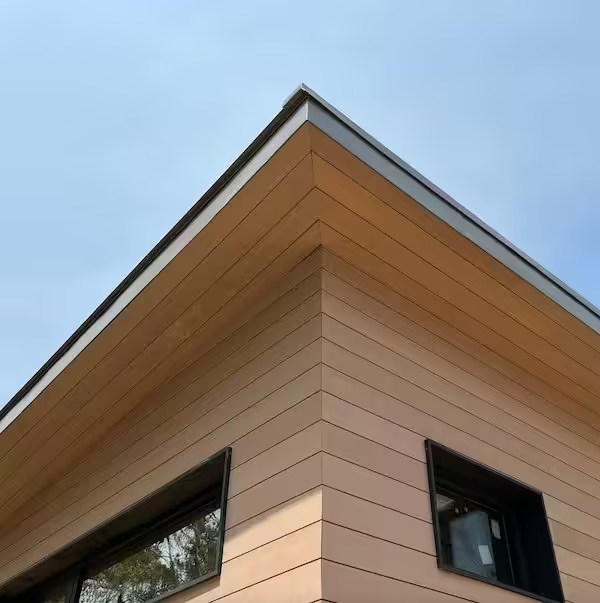
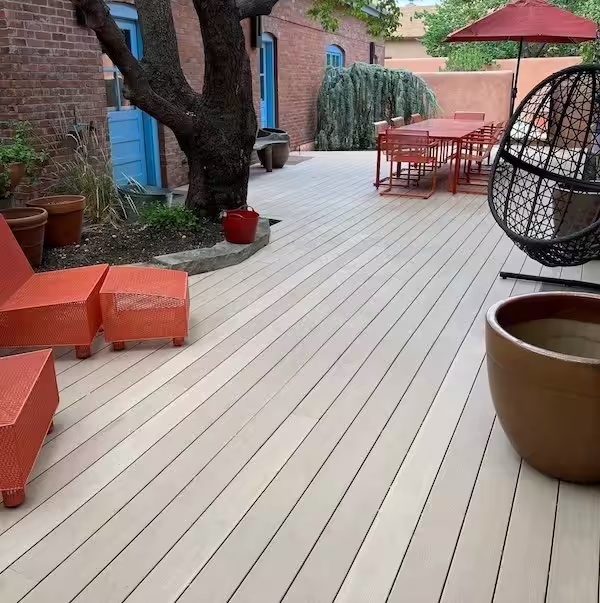
Within this category, different manufacturers take different approaches. ACRE by Modern Mill uses upcycled rice hulls, an agricultural byproduct, to create wood-like siding, trim, and decking. Other well-known composite brands such as Trex, TimberTech, and Fiberon focus primarily on recycled plastic and reclaimed wood content in their exterior building products. While the inputs vary, these materials are generally engineered to resist moisture, insects, and dimensional movement.
From a sustainability perspective, the advantage of composite materials often shows up over time. Products that hold their shape, maintain appearance, and require fewer repairs can reduce replacement cycles and the ongoing material and labor demands placed on a home. When evaluated through a lifecycle lens, recycled and bio-based composites can be a practical option for homeowners looking to balance performance, longevity, and responsible material use.
2) Responsibly Sourced Wood
Wood can be a sustainable choice when it’s responsibly sourced and used where its strengths are protected. The place where wood often performs best, long-term, is where it’s not being asked to be a sacrificial surface. This includes interior framing, protected structural applications, interior finishes that aren’t constantly exposed to UV, rain, salt air, or repeated wet and dry cycles.
Where wood gets complicated is on the exterior, especially when the design intent requires consistent color, shadow lines, and predictable maintenance. That’s where the “natural is sustainable” thinking starts to fall apart for many projects. A helpful approach is to keep wood where it excels and use more stable exterior materials where exposure is the main driver of repair and replacement.
3) Recycled Metal Roofing and Cladding
Metal is rarely described as “warm” or “natural,” but it’s often a strong sustainability performer because it can last a long time, resist moisture, and avoid frequent maintenance cycles. For many homes, metal roofing is a top choice compared with products that require routine replacement or repeated upkeep. If your priority is long service life and fewer material cycles, metal often earns a spot on the shortlist.
Where it makes the most sense:
- Roofs in snow, ice, and freeze–thaw climates
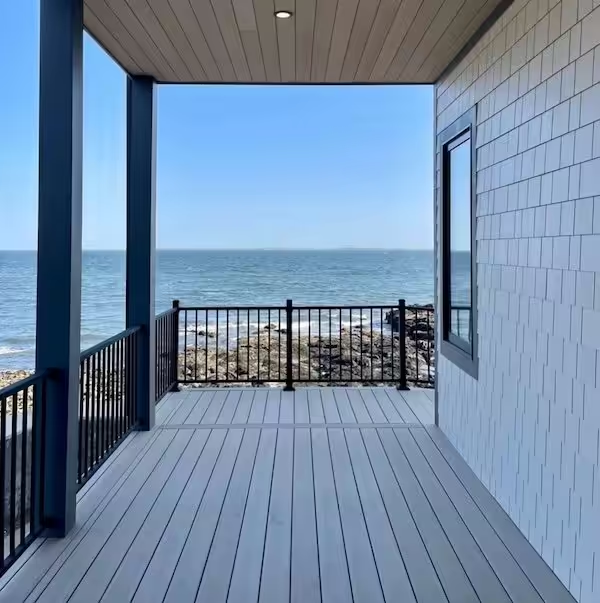
- Homes near the coast that experience salt-air and heavy winds
- Any build where longevity and low maintenance are core requirements
4) Low-Emission Interior Materials and Finishes
Low-emitting paints, sealants, and interior finishes matter because they reduce VOC exposure and help create healthier indoor environments. Sustainability isn’t only environmental, it’s also livability.
This category is also where choosing fewer coatings can be a sustainability strategy. If you can reduce the number of re-coats, touch-ups, and refinishing cycles needed over time, you reduce material use and labor, too.
5) Durable Exterior Siding That Reduces Replacement Cycles
Exterior siding is one of the biggest long-term variables in home sustainability because it’s a weather-facing system that gets punished. Sun exposure isn’t polite. Moisture isn’t predictable and most homeowners don’t maintain their exterior on an ideal schedule. They maintain it when time, money, and attention allow.
That’s why the most sustainable siding choices are often the ones that behave consistently and reduce the likelihood of early replacement. If you’re exploring options, it can help to compare siding not only by appearance, but by:
- Moisture resistance and dimensional stability
- Finish longevity
- Composition of the material
- Likelihood of cupping, splitting, or rot in your climate
For homeowners who want a wood-forward look with fewer long-term demands, this is where products in categories like sustainable building materials start to matter more than labels.When a project calls for a convincing wood aesthetic with improved durability, materials like synthetic wood siding can be part of an eco-friendly strategy because they’re designed to reduce the “maintenance treadmill” that leads to frequent refinishing and earlier replacement.
6) Wood-Like Exterior Profiles That Preserve Design Intent
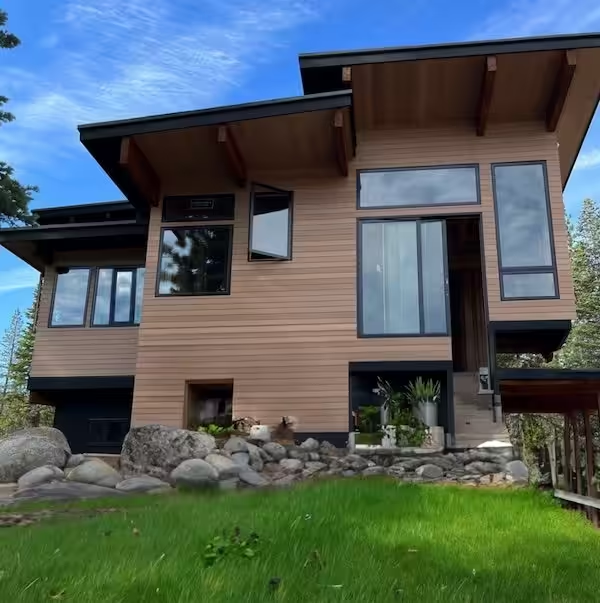
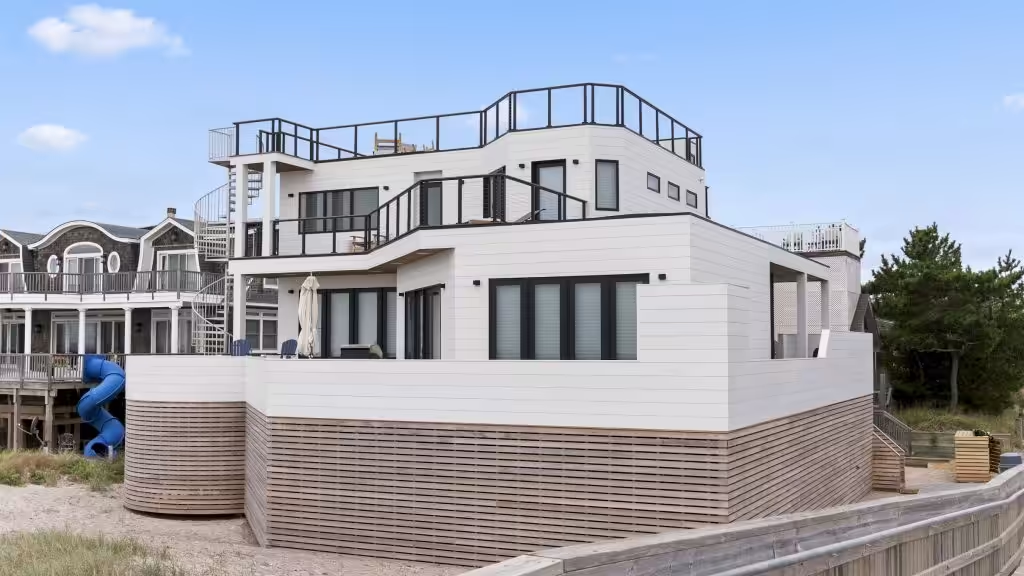
Sustainability also has a design side. Materials that hold their proportions and shadow lines reduce the need for fixes, patchwork repairs, and premature upgrades. For example, horizontal cladding profiles can look incredible – but only if the lines stay true over time. That’s why homeowners who love that rhythm often explore options like ACRE shiplap siding in materials that are more stable than traditional exterior wood in high-exposure conditions.
The sustainable move here is subtle – choose materials that let the design stay intact without requiring constant correction.
Factory Finishing and Jobsite Waste
One practical sustainability detail that gets overlooked is where finishing happens. Field finishing often means weather delays, rework, inconsistent coverage, and more waste. Factory finishing isn’t automatically better in every scenario, but it can reduce jobsite variables and help projects stay cleaner and more efficient.
That’s one reason factory finished siding continues to gain attention. It reduces on-site finishing steps and can improve consistency across elevations, which often reduces rework later. Green Building Advisor recently covered Modern Mill’s move into factory-finished options for its rice-hull-based siding and trim, reflecting broader demand for exterior systems that simplify scheduling while keeping performance consistent.
Conclusion
The best sustainable construction materials for an eco-friendly home are the ones that reduce replacement cycles, reduce maintenance load, and keep performing without demanding constant attention.
If you build with the long timeline in mind – durability, stability, and real-world upkeep – you end up making choices that are better for the home, better for the people living in it, and often better for the environment, too. If you’re planning a home build and want to explore sustainable building options, get inspired with siding, trim and decking options today!
Ready to Experience the
Difference?
Ask for ACRE at your local lumber yard or order samples to see for yourself why builders are making the switch.