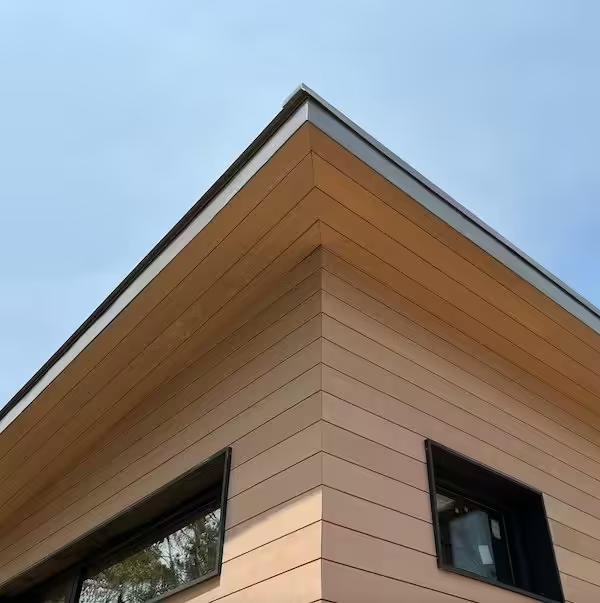
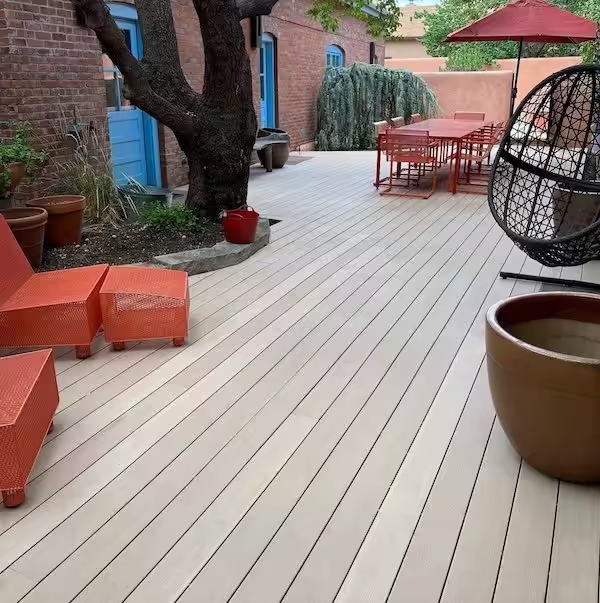
Scaling Biophilic Design: A Sustainable Path to Healthier Spaces
November 2024As awareness for human wellness has become a top overall priority, biophilic design is one of the key trends in architecture and design capable of providing stress relieving and enjoyable living spaces. Despite the benefits of biophilia, few designers consistently implement it into their plans because of assumptions that it’s reserved for high-end and expensive projects.
Contrary to misconceptions, bringing biophilic design into living spaces regardless of size and budget is achievable and can be done more sustainably with the use of eco-friendly materials that simulate natural resources. In the sections below, you can learn the basis of biophilic design and some practical ways to enjoy the mental and physical benefits in your home or workspace.
What is Biophilic Design?
Biophilic design is the practice of brining natural elements into buildings to improve well-being and connection to nature. Humans have evolved to respond positively to stimuli that signal food, water, shelter, and other necessities. A report from the EPA states that the average person spends 90% of their lives indoors so the benefits of bringing outdoor elements into living spaces are immeasurable.
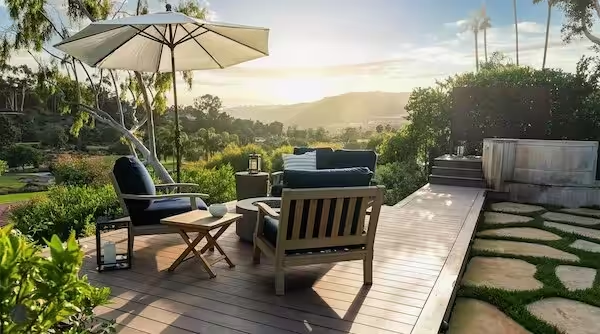
Biophilic design delivers psychological and physical benefits to building occupants and can lead to improved creativity, productivity, reduced stress, and more. This effect can be achieved through direct experiences like light, air, and natural landscapes as well as indirect experiences including materials, photographs, paintings, and decor.
Creating Healthier Spaces
Most biophilic design projects have historically been high-end installations at hotels, hospitals, universities, and offices where budgets are ample. Biophilia shouldn’t be reserved exclusively for these projects. Occupants in affordable housing, suburban homes, and warehouses deserve the same benefits from biophilic spaces.
Biophilic design can be achieved on a wider scale with product selection and design strategies. For more flexibility, designers can opt for materials that effectively mimic natural materials with products that are more affordable and sustainable like ACRE. Choosing products that simulate nature can be competitively priced and low maintenance compared to real-nature counterparts like rich tropical woods.
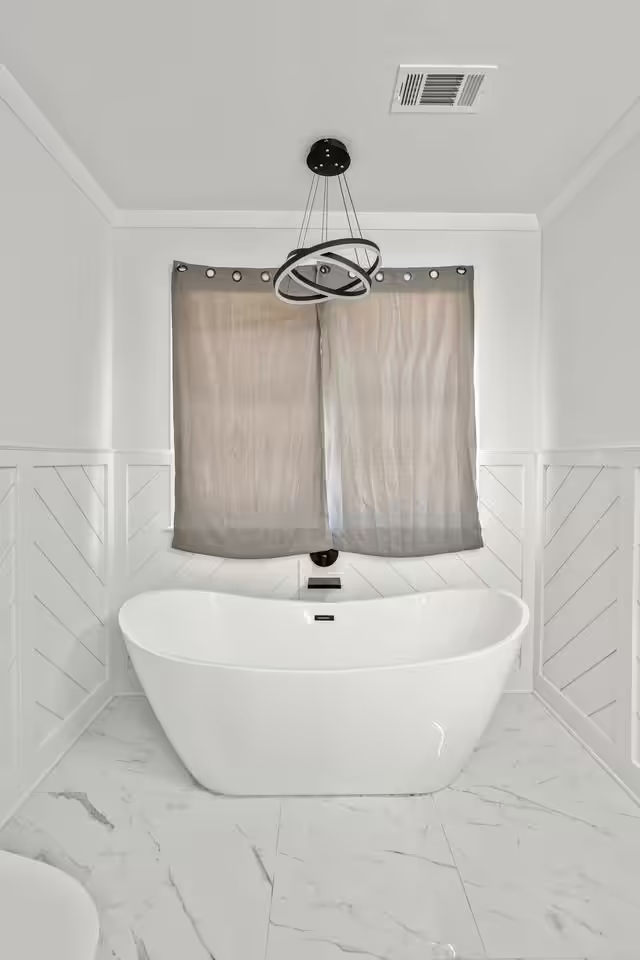
Making Biophilic Design Sustainable
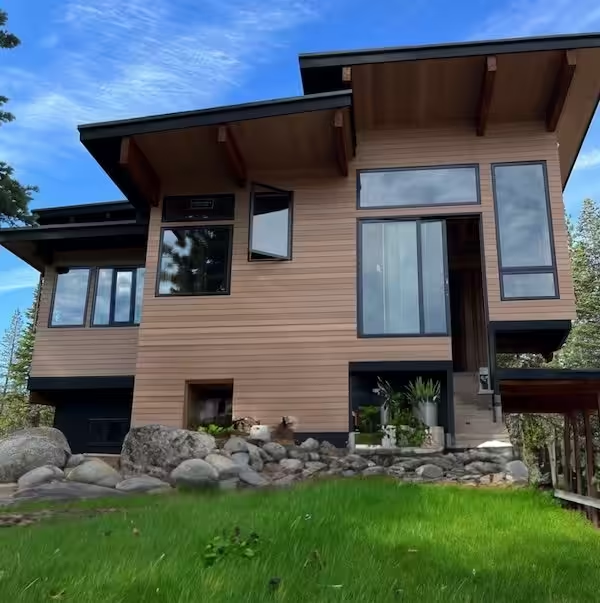
Wood has historically been a popular choice in biophilic design but there are alternative materials that can effectively simulate wood without harming any trees. ACRE by Modern Mill is a perfect substitute for wood in biophilic projects. It delivers the same warmth, beauty, and positive human responses as real wood.
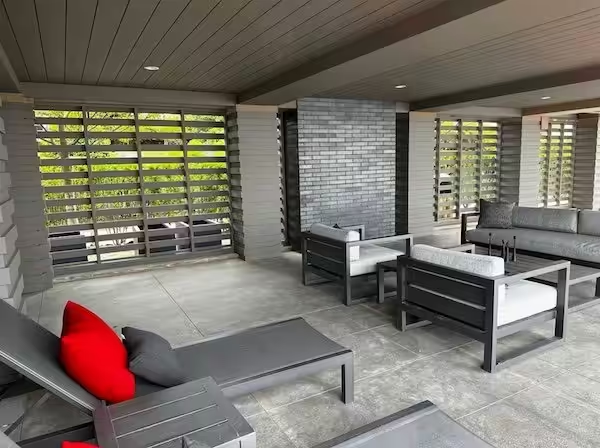
ACRE can be the perfect addition to a biophilic setting by being used as an accent wall, trim, furniture, ceiling panels and many more possibilities. The material is made from upcycled rice hulls, a food production waste byproduct that otherwise occupies landfills. ACRE is made in a zero-waste manufacturing facility and replaces the need to cut down old-growth trees for building materials. These trees can take hundreds of years to grow, ACRE matches the warmth and workability of wood while using resources that are more abundant and eco-friendly. Since ACRE is built to last the life of a building, the embodied carbon of the material is also minimal compared to products that ultimately need replacements within years.
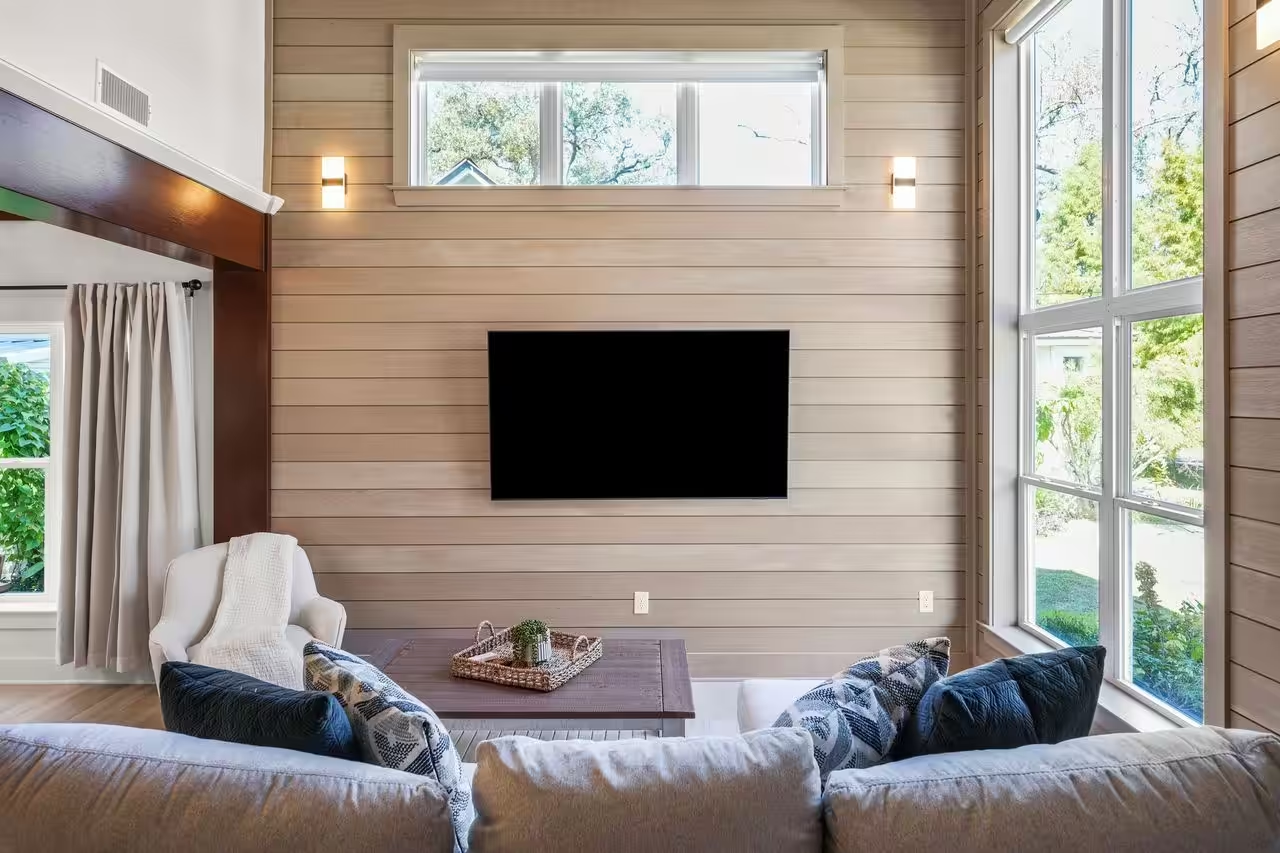
Avoiding Maintenance and Costs
Another reason why biophilic projects aren’t pursued on a wide scale is that using natural materials can be expensive and high maintenance. This is avoidable with the use of simulated nature products that are more durable while still effectively mimicking beauty and performance.
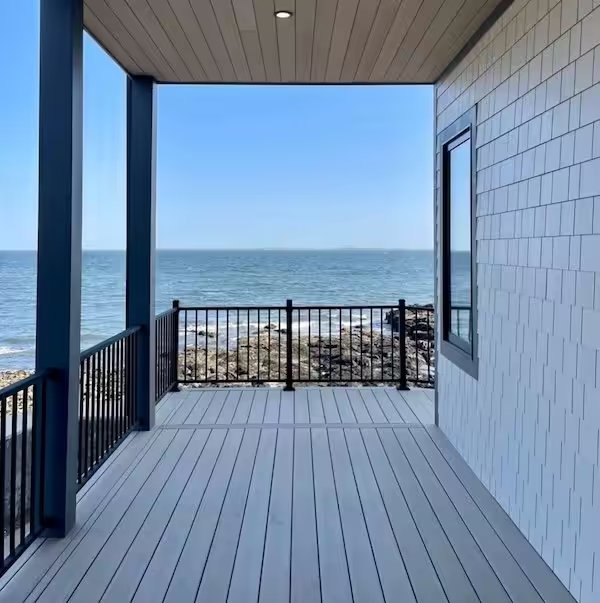
Materials like ACRE are more durable than wood by being resistant to water, weather, pests, rot, molding, and splintering. The material is easily workable with regular woodworking tools and accepts paints and stains without primer. ACRE serves as a practical replacement for expensive rich tropical woods that will help avoid maintenance costs and will elicit the same positive responses of real nature.
Conclusion
By choosing simulated nature in biophilic design, architects have the opportunity to embark on a wider scale of projects that bring the beauty and benefits of nature into living spaces. The opportunities to bring biophilia into areas that commonly aren’t implementing them will have a significant impact on overall human health and productivity.
ACRE is one of the materials driving growth in the field of biophilic design for its ability to match the aesthetic of wood, high-quality performance, and sustainable benefits. Are you interested in learning how to bring your biophilic space to life? Order samples of ACRE today or fill out the contact form below, we’d be happy to start the conversation!
Ready to Experience the
Difference?
Ask for ACRE at your local lumber yard or order samples to see for yourself why builders are making the switch.