5 Reasons Builders Are Choosing Factory-Finished Building Materials
March 2026Factory-finished siding and trim have been around long enough that all builders are familiar with the industry’s options. What’s changed is why they’re choosing it. Pre-finished materials used to be a convenience play. The materials arrived ready to install and saved a few steps on the back end. Now, builders are specifying it for reasons that go deeper. They are controlling schedule risk, working on jobs later in the building season, and reducing the variables that tend to create callbacks after a project closes.
The shift makes sense when you look at what field finishing actually costs once you add up the full number. According to a 2025 study commissioned by the HBI and NAHB, the skilled labor shortage is costing the residential construction industry $10.8 billion per year — $2.6 billion in higher carrying costs and the lost production of roughly 19,000 single-family homes. In that context, any step in a build that depends on crew availability and favorable weather is a step worth scrutinizing.
1. Pre-Finished Materials Speed Up Installation
A finishing crew that’s delayed by two weeks doesn’t just push that one task. It can push every subsequent step: final inspections, client walkthroughs, and the start of the next job in the pipeline.
According to the HBI’s Fall 2025 Construction Labor Market Report, the construction industry requires approximately 723,000 new workers per year through 2026 to meet demand — a figure that combines new job growth and replacing workers aging out of the trades. For builders managing multiple active projects, the finishing crew can get easily overlooked. With pre-finished siding and trim, the materials arrive on site ready to install, eliminating weather dependencies and possibly days of extra manual work.
2. They Reduce the Cost of Touch-Ups and Repairs
Most builders know field finishing adds cost. Fewer accounts for the full number when putting together a project budget. The cost of painting a home’s exterior typically runs $1 to $3 per square foot, or between $700 and $3,000 on average, according to Angi’s list. That’s before factoring in crew scheduling, prep work, weather delays, or the second coat that occasionally gets added to scope after the first one doesn’t land the way it should.
The comparison that matters isn’t pre-finished vs. unfinished material cost. It’s pre-finished vs. the all-in cost of site finishing. When you compare the two and factor long term costs, the gap closes fast. What factory finishing also eliminates is the touch-up cycle. A field-applied finish that chips, fades unevenly, or peels at a cut edge sends someone back to the job. A factory finish applied to a controlled substrate under consistent conditions, and backed by a manufacturer warranty, holds the way it’s supposed to. This means fewer return visits and no material costs tied to repairs that weren’t in the original scope.
3. Factory-Applied Finishes are More Consistent
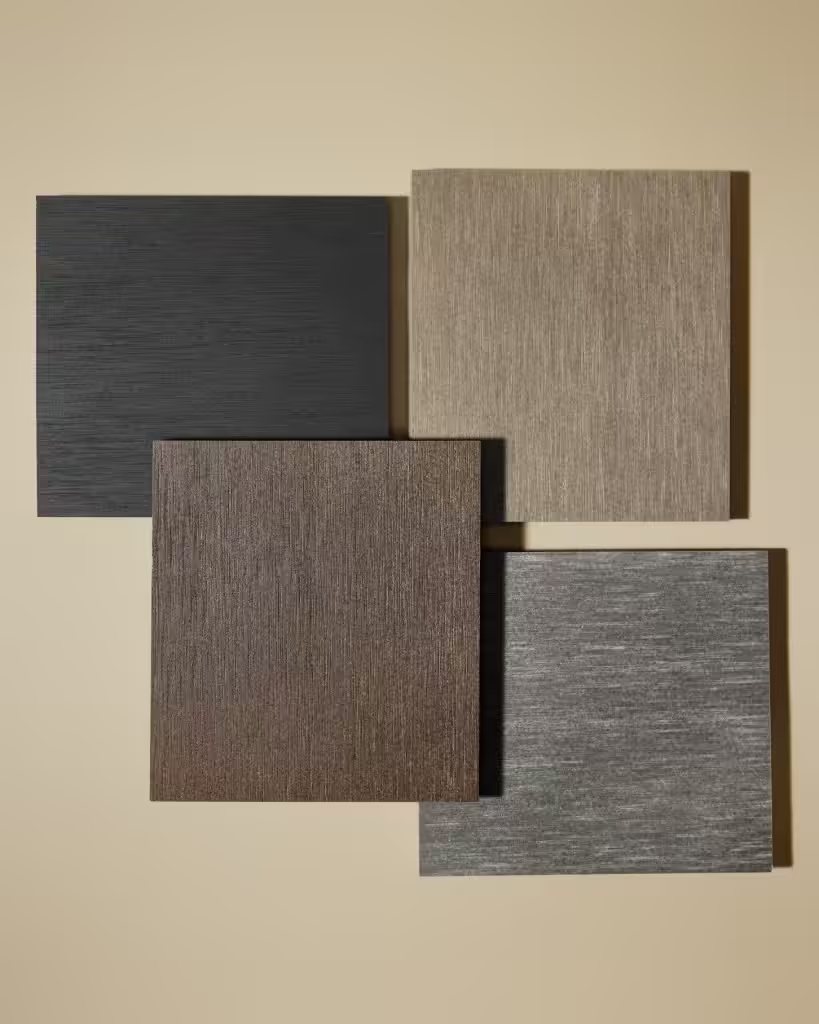
This is the part of the pre-finished conversation that doesn’t get enough attention. Factory finishing isn’t just faster, the finish itself is technically superior to what most field applications can produce.
In a controlled factory environment, substrate moisture is managed, surfaces are machine-prepped for a clean finish, and coatings are applied at consistent temperature and humidity. On a job site, none of those variables are controlled. Factory finished siding and trim boards also typically carry manufacturer warranties that field finishing can’t match. For builders who’ve dealt with callbacks six months after project close because a client noticed uneven coverage on a large elevation, factory finish eliminates even more worries.
4. Pre-Finished Materials Extend the Building Season
Unless conditions are ideal, field finishing often gets moved into a controlled environment like a workshop. On larger jobs, that creates its own set of problems — limited space, production bottlenecks, and the real risk that inconsistent conditions still affect how the finish performs on the final product.
Weather is one of the most consistent sources of schedule disruption in residential construction, and exterior finishing is one of the tasks most vulnerable to it. Painting and staining require temperatures above 50°F, low humidity, and no rain in the forecast for 24 to 48 hours after application. In most of the country, that window closes reliably from late fall through early spring — which means installations can stall not because the siding can’t go up, but because the boards aren’t ready.
When Modern Mill launched the factory-finished ACRE™ collection in late 2025, customers in cold-climate markets like New England were installing siding through the winter without interruption. Jobs that would have required field staining and the weather window that comes with it, kept moving. As Buildern’s 2026 project delay analysis notes, 98% of construction projects experience delays, with the average project running 37% longer than originally projected. Weather is consistently among the leading causes. Pre-finished materials don’t eliminate every delay but they remove one of the most common triggers for them.
5. Wood Alternative Options Heavily Reduce Maintenance
Natural wood siding requires restaining or repainting every 3 to 5 years to maintain its finish and protect against moisture, UV damage, and rot. On a typical home, that means multiple finishing cycles over the life of the siding, each one requiring a lot of time and resources that pre-finished materials are designed to avoid in the first place.
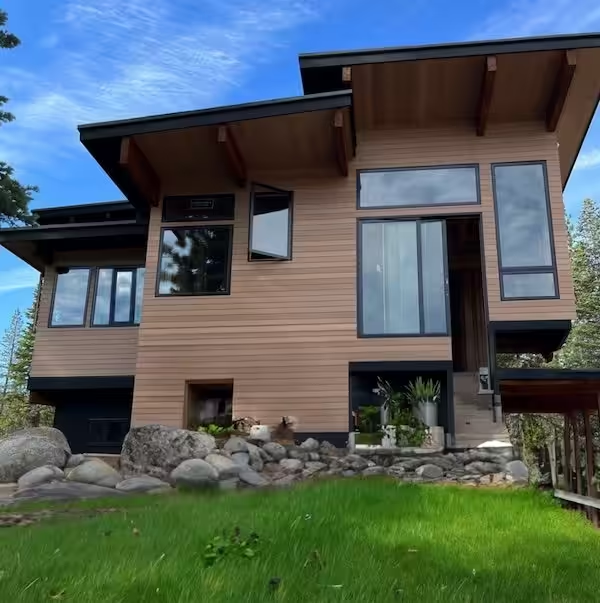
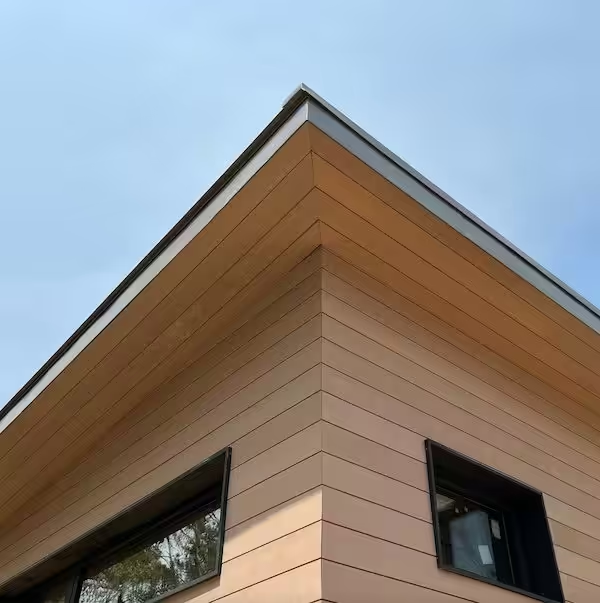
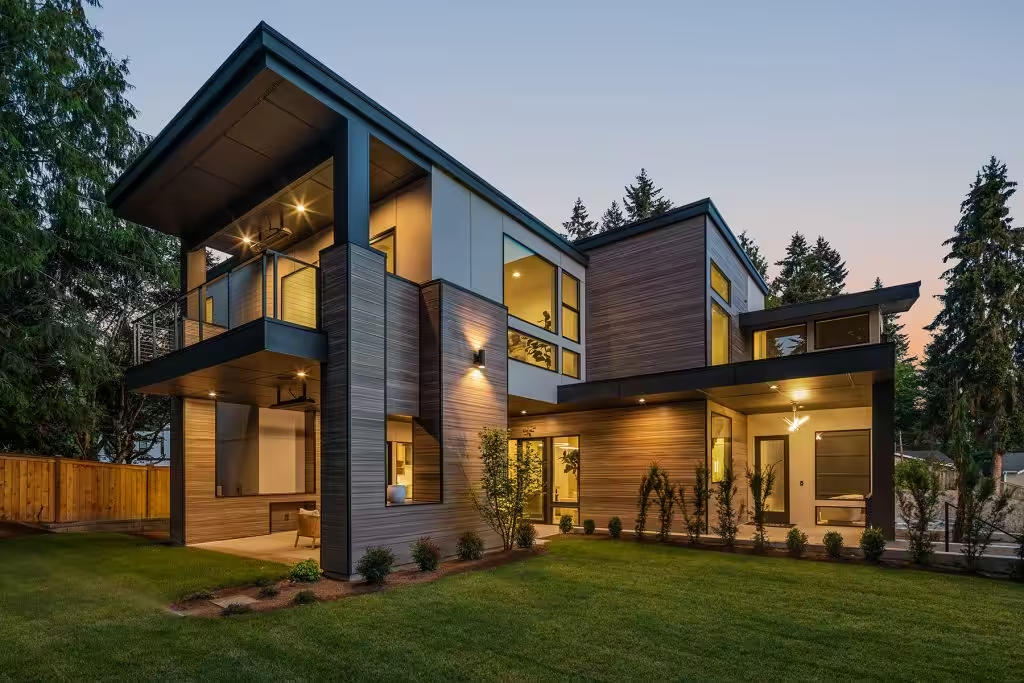
The appeal of a wood exterior has never been the maintenance. It’s the warmth, the grain, and the curb appeal it brings to a home. What innovative composites have changed is that you no longer have to accept the maintenance burden to get the aesthetic. Today’s pre-finished composite siding options are engineered to mirror the look of natural wood. They have a tonal variation, grain depth, and popular profiles that builders and architects love to specify.
For homeowners, that’s one less line item that comes back every few years. For builders, it’s a material option that’s straightforward to communicate during the spec conversation and easy to stand behind after the job closes.
One Less Variable on Every Job
Pre-finished building materials have moved from a premium option to a practical baseline for builders who are serious about schedule predictability and job quality. The labor market, the math on field finishing costs, and the window-dependent nature of exterior coatings all point in the same direction. Builders who specify pre-finished materials going into a project are removing variables, not just saving steps. If you’re working through your material selections for an upcoming project, explore factory-finished siding and trim options here. Or, if you’re weighing whether the switch makes financial sense, read whether pre-finished siding is worth it.
Ready to Experience the
Difference?
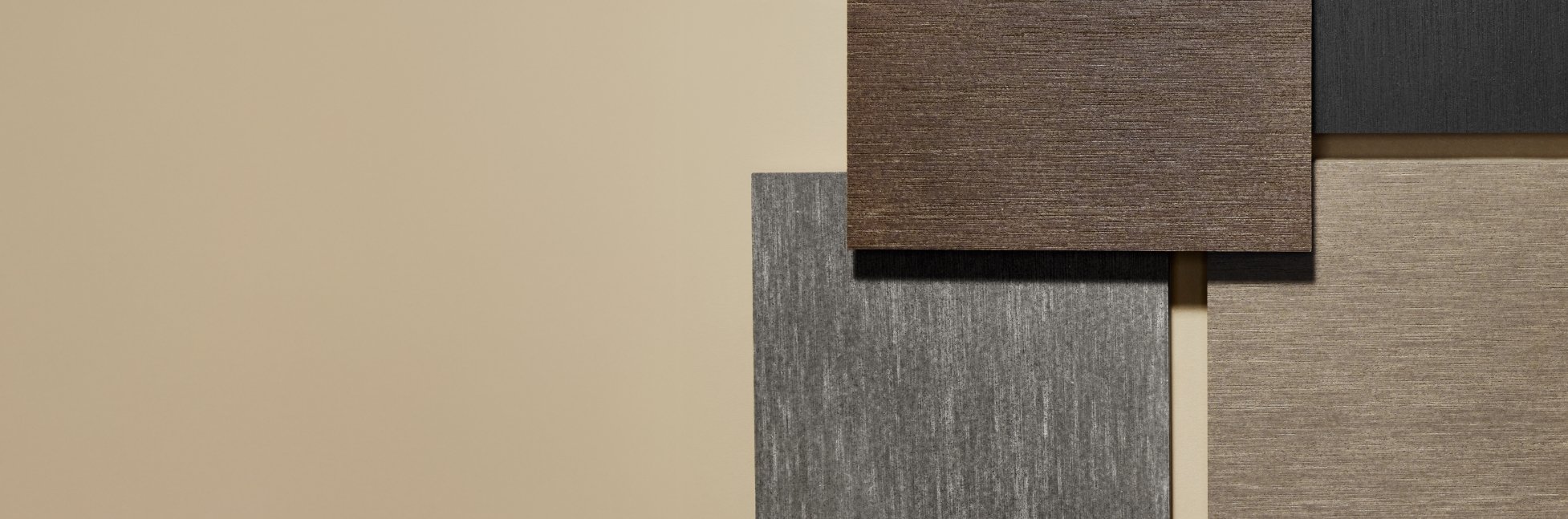
Ask for ACRE at your local lumber yard or order samples to see for yourself why builders are making the switch.