ACRE vs Bamboo: Comparing Building Materials
July 2025Sustainability is being demanded more and more in today’s residential and commercial building projects. As this demand increases for environmentally responsible materials that also deliver on performance and aesthetics, options like ACRE™ and bamboo are often top material choices. Both offer compelling alternatives to traditional wood, but they differ in how they’re made, how they perform, and what they require over time.
This guide compares ACRE and bamboo across key categories including durability, workability, installation, and environmental impact to help you choose the right material for your next project.
1. Durability and Performance
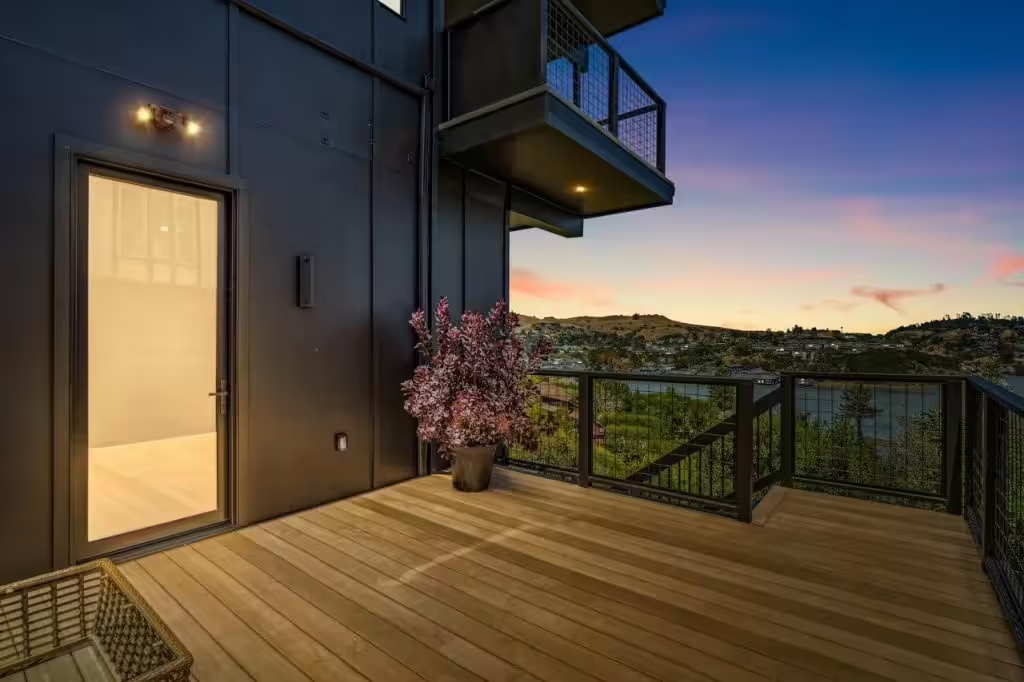
Bamboo is a fast-growing, renewable material that can be strong and resistant when engineered into panels or decking. However, in its natural state, bamboo is susceptible to moisture, mold, and insects. Many bamboo products require heavy processing and regular sealing to withstand the elements. Without proper maintenance, they can warp, crack, or delaminate, especially in outdoor or high-humidity environments.
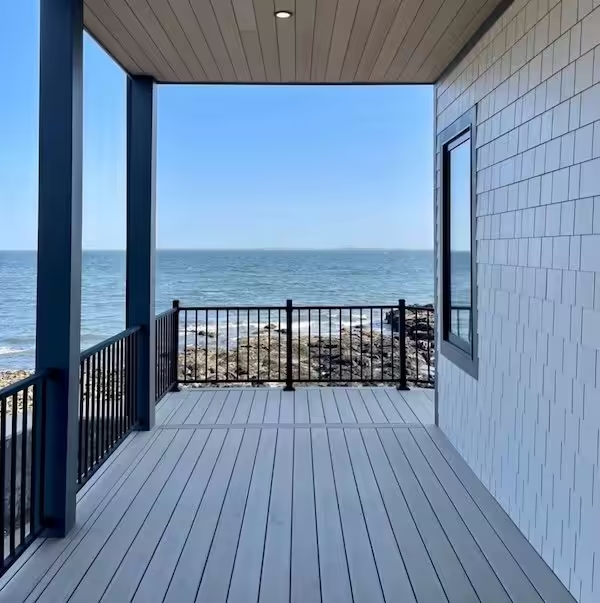
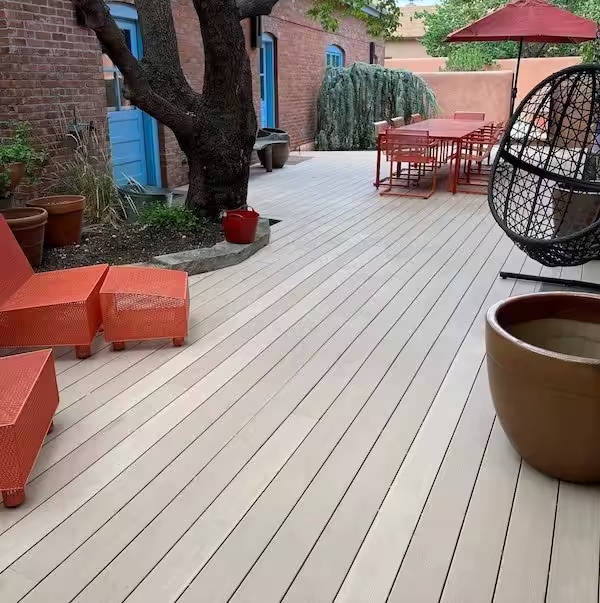
ACRE is built to handle demanding conditions without added treatments. Made from upcycled rice hulls, it is naturally resistant to water, weather, pests and rot. It won’t swell, splinter, or warp over time, making it a reliable choice for wet or coastal climates where traditional materials often fail.
2. Workability and Installation
Bamboo can be challenging to work with on-site. It often requires pre-drilling and may splinter or crack during cutting or fastening. This added labor can slow down installation and limit its flexibility for custom applications.
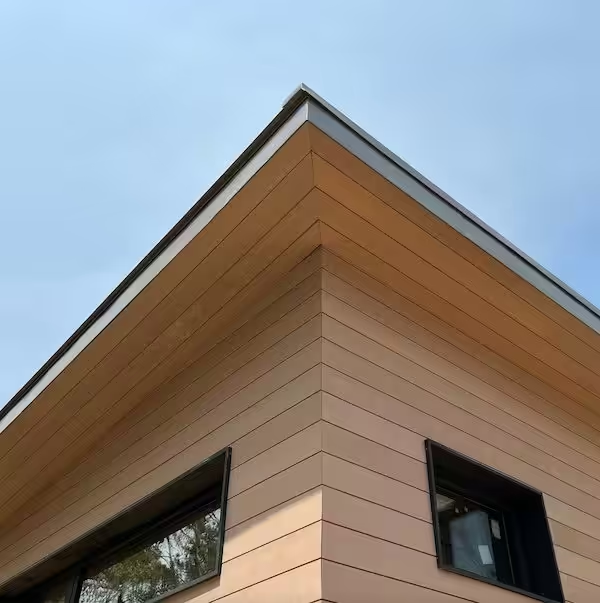
ACRE offers simple installation using manufacturer-approved fasteners and works like traditional wood, allowing builders to cut, drill, rout, or sand it with standard woodworking tools. Additionally, ACRE can be thermoformed like PVC, enabling custom curves and shapes while maintaining the natural beauty of wood.
3. Sustainability and Environmental Impact
Both ACRE and bamboo are recognized for their eco-friendly qualities. Bamboo is a fast-growing grass that regenerates quickly, making it a renewable resource. However, in some regions, bamboo can aggressively overrun natural environments, potentially disrupting local ecosystems. Additionally, many bamboo products require chemical treatments to improve durability.
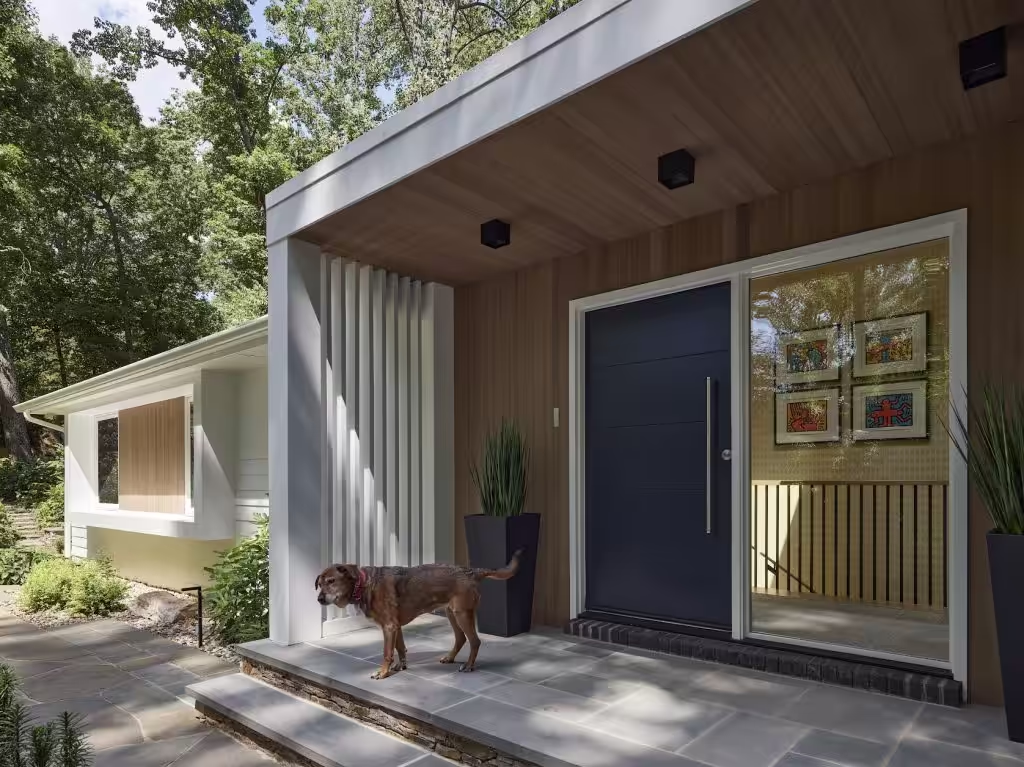
ACRE is made from upcycled rice hulls, an abundant agricultural byproduct that would otherwise be discarded. Manufactured in a zero-waste facility in Mississippi, ACRE avoids harmful chemicals such as VOCs, formaldehyde, phenols, adhesives, and forever chemicals — and the airborne dust conventional materials throw when cut. Its production supports a circular economy by transforming waste into a high-performance building material.
When choosing between ACRE and bamboo, it’s important to consider not only renewability but also the environmental impact of processing, chemical treatments, and manufacturing footprint. ACRE provides a tree-free, low-impact alternative that aligns with sustainable building goals while delivering durability and beauty.
4. Design Flexibility
Bamboo offers a distinct natural grain that appeals to those seeking an organic, textured look. However, its rigid structure limits customization, making it less suitable for intricate designs or curved applications. Custom cuts can lead to increased waste and longer labor times.
ACRE combines the warmth of wood with superior versatility. It can be easily cut, shaped, and thermoformed into custom profiles or curved elements, expanding design possibilities. As the only stainable composite on the market, ACRE can also be finished with manufacturer-approved paints without primer. This flexibility allows for a wider range of tailored finishes to fit any style or project, making ACRE a preferred choice for projects requiring both aesthetic appeal and architectural creativity.
5. Applications and Use Cases
Bamboo is widely used for flooring, paneling, furniture, and decorative accents where its natural look and hardness are valued. It performs best in interior settings or covered outdoor spaces where exposure to moisture and harsh weather is limited. Bamboo’s strength and aesthetic make it a popular choice but its use outdoors often requires heavy treatment or sealing to extend longevity.
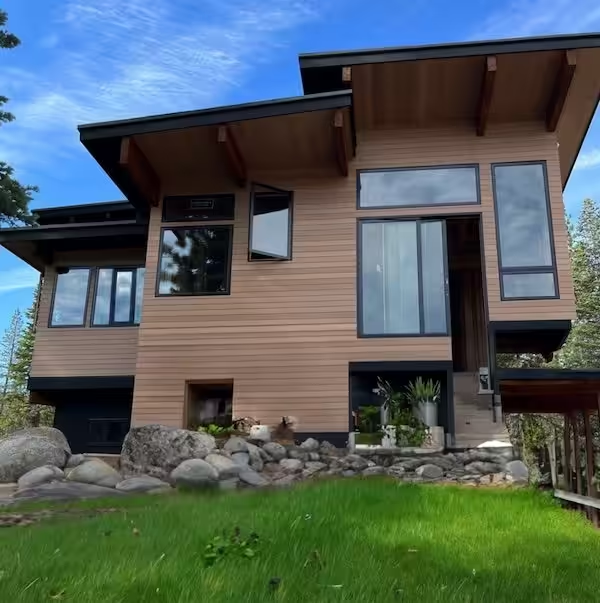
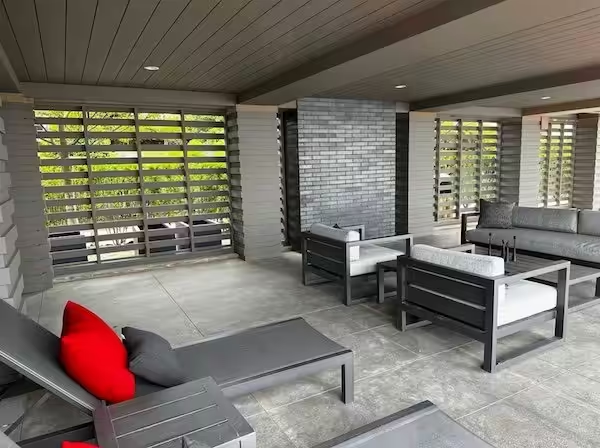
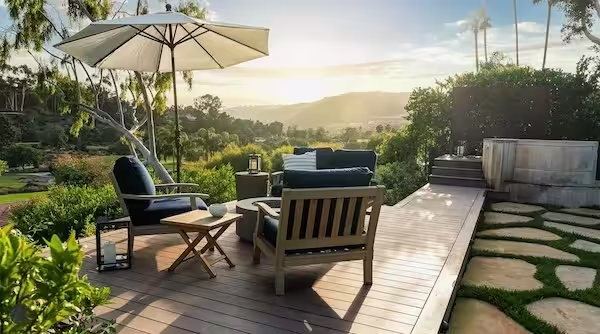
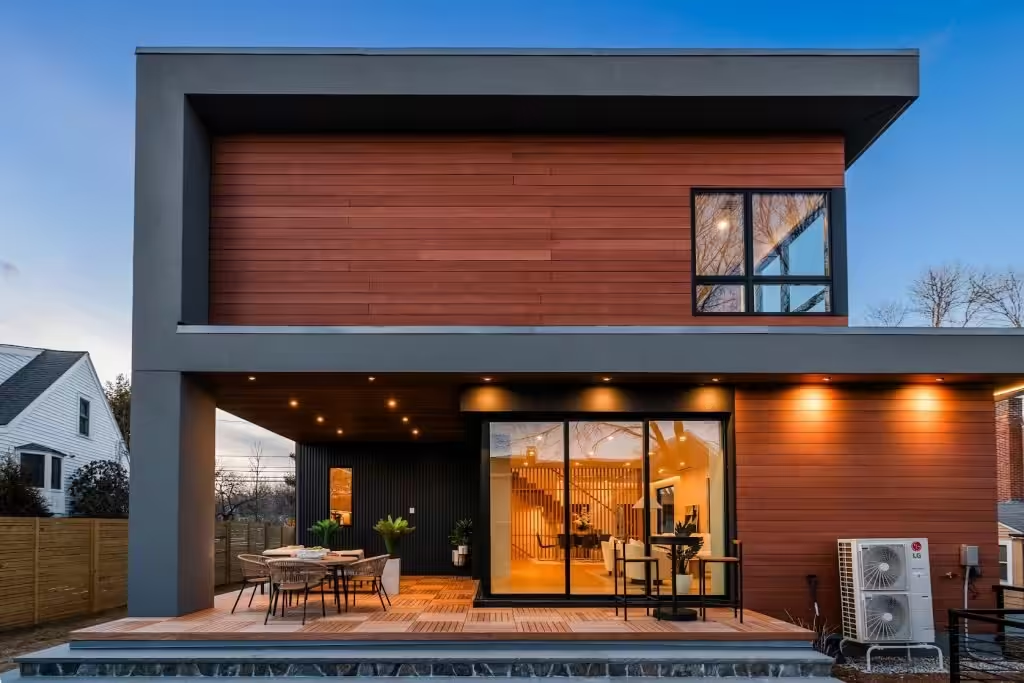
ACRE can be used anywhere wood is traditionally used in non-structural applications. ACRE’s engineered strength and resistance to moisture, and pests make it especially suited for exterior environments such as decking, siding, trim, and fencing—handling harsh weather and coastal conditions without warping or rotting. Indoors, ACRE’s composition supports better indoor air quality, while its natural wood-like appearance adds biophilic warmth to living and working spaces.
Conclusion
Choosing the right building material is a balance of performance, aesthetics, sustainability, and ease of use. Bamboo offers natural beauty and renewable appeal but can require significant maintenance and processing to perform well.
ACRE provides a durable, low-maintenance alternative engineered for both interior and exterior use, with the added benefits of superior moisture resistance, design flexibility, and a sustainable production process. For projects that demand long-lasting performance without compromising style or environmental responsibility, ACRE stands out as a smart, forward-thinking choice.
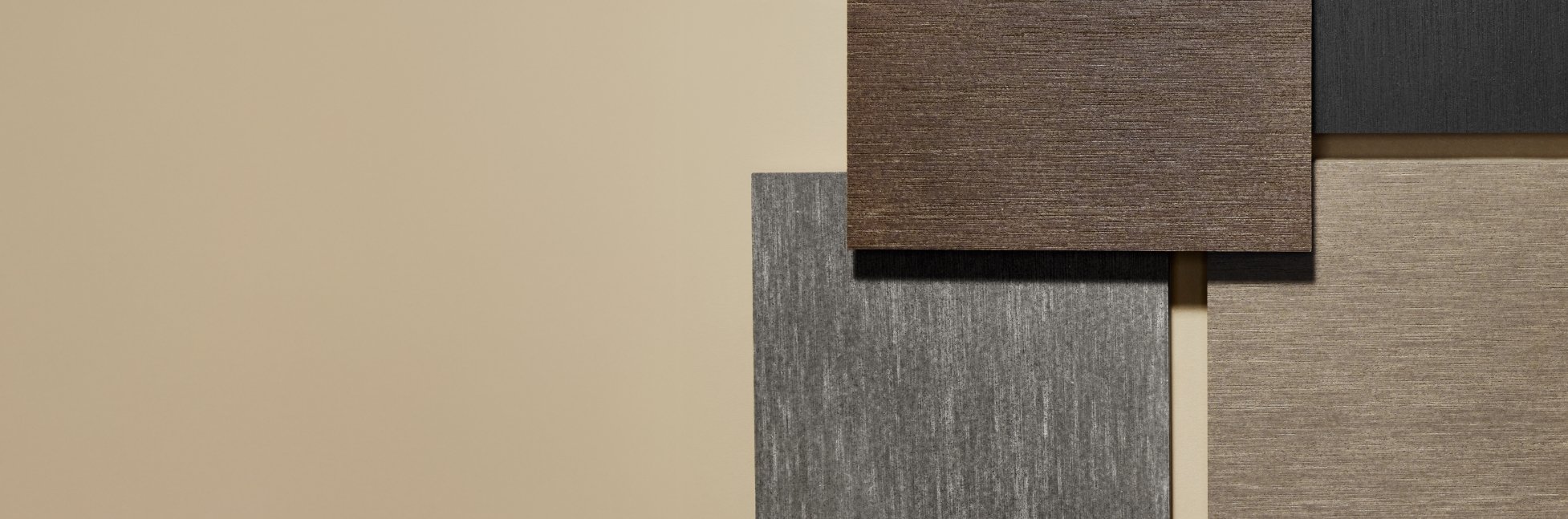
Ready to experience ACRE for yourself? Order samples here or contact our team below to discuss how ACRE can elevate your next project.
Ready to Experience the
Difference?
Ask for ACRE at your local lumber yard or order samples to see for yourself why builders are making the switch.