Can Synthetic Wood Siding Ever Really Replace Cedar?
January 2026Cedar has earned a reputation that’s difficult to replace. Its grain, warmth, and natural variation give homes a sense of character that feels intentional rather than manufactured. Whether used on a coastal retreat, a modern farmhouse, or a mountain home, cedar has long been associated with craftsmanship and architectural care.
Homeowners have traditionally chosen cedar siding for more than its appearance. It conveys authenticity and helps a home feel rooted in its surroundings rather than imposed upon them. That connection to place has always been central to cedar’s appeal, but expectations around building materials have changed.
Today’s projects are shaped by longer ownership timelines, tighter construction schedules, and homeowners who want exteriors that retain their beauty without constant attention. Those shifting priorities have led to a question that was far less common even a decade ago: can synthetic wood siding really replace cedar?
In many cases, the answer is yes. The more important question is what people truly value about cedar, and which modern alternatives can deliver those qualities with fewer long-term tradeoffs.
What People Really Love About Cedar
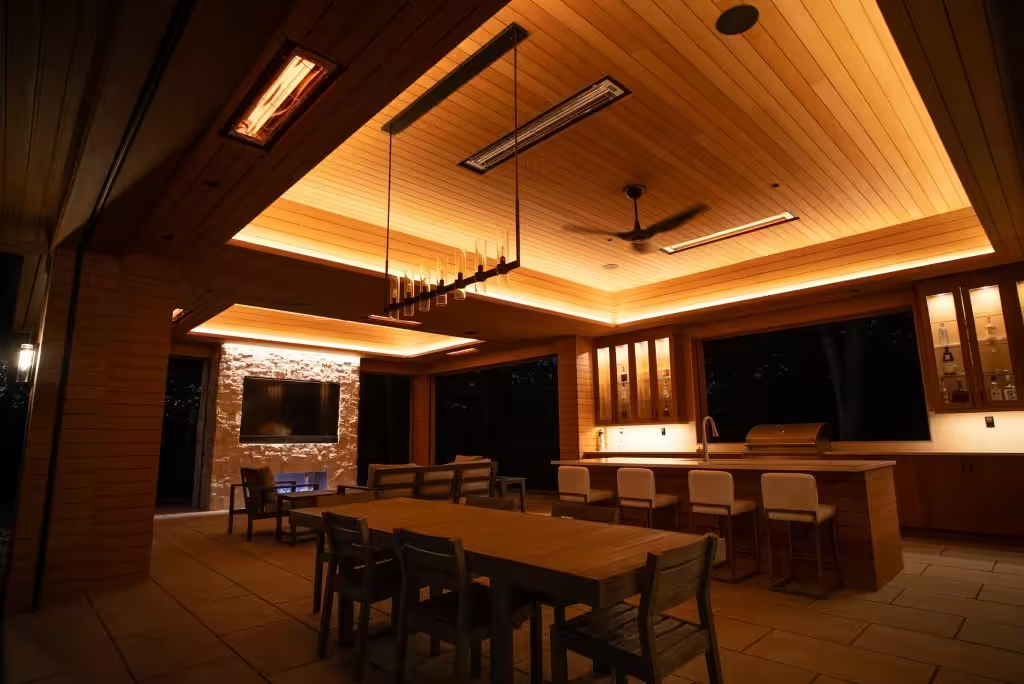
Cedar makes a strong first impression. Its appeal is a combination of elements that are difficult to separate:
- Natural variation in grain and texture
- Warm tones that respond to light and shadow
- Strong curb appeal, especially on detailed elevations
- A familiar “real wood” feel that signals quality
For many homeowners, cedar is an emotional choice as much as a practical one. It feels honest, organic, and connected to long-standing building traditions. That authenticity is difficult to replicate with materials that look overly uniform or synthetic.
At the same time, that authenticity comes with responsibility. Cedar behaves like wood, and that behavior requires ongoing care. Without regular maintenance, its appearance changes quickly. Homeowners who love cedar often accept that tradeoff, but expectations around maintenance and longevity have shifted in recent years.
Where Cedar Struggles in Real-World Conditions
Cedar is an organic material, which means it responds continuously to its environment. Sun exposure, moisture, humidity, and temperature swings all influence how it ages over time. Even when installed correctly, long-term performance depends heavily on exposure and upkeep.
Common challenges include:
- Repeated repainting or staining cycles
- Cupping, checking, or splitting as boards move
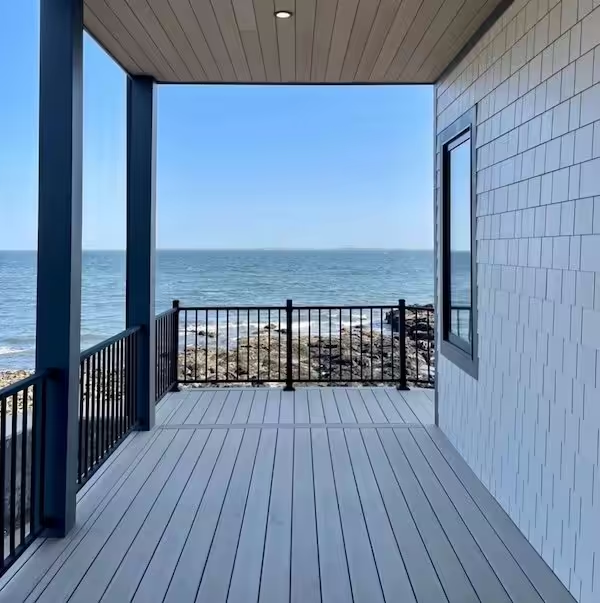
- Moisture-related concerns in wet or coastal climates
- Deferred touch-ups that turn into larger repairs
None of these issues mean cedar fails. They simply reflect the reality of maintaining a natural material outdoors. For homeowners who enjoy hands-on upkeep, these tradeoffs may be acceptable. For others, especially those planning to own a home for decades, the commitment can feel burdensome. This is often where interest in alternatives begins.
When Synthetic Wood Siding Can Truly Replace Cedar
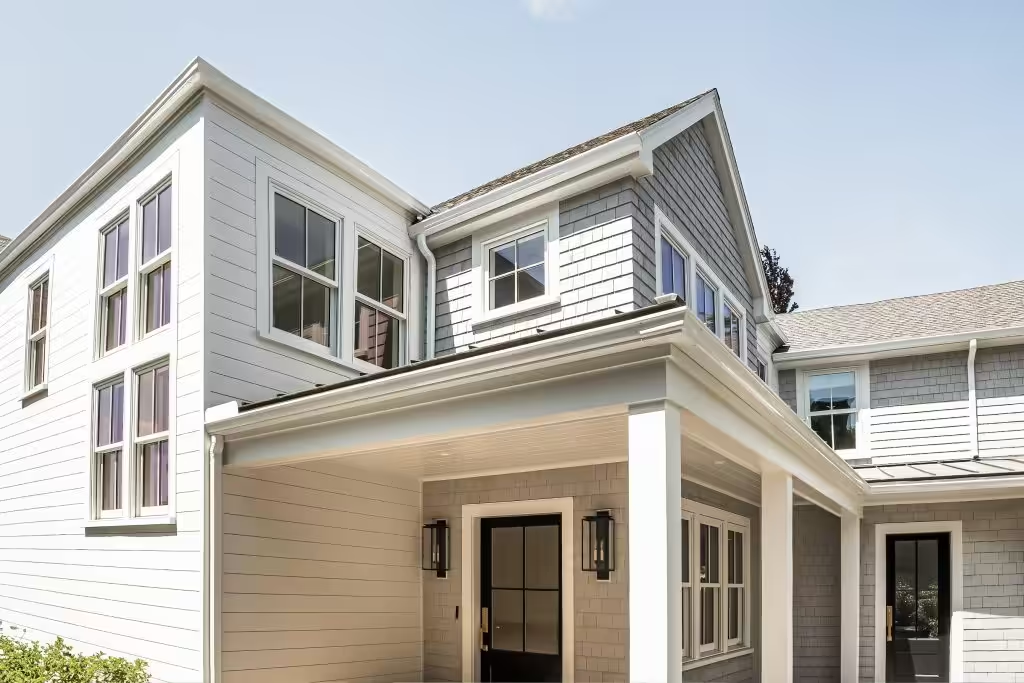
Modern synthetic wood siding is far removed from early composite products. Today’s materials are engineered to replicate wood texture, accept paint or stain, and remain dimensionally stable through seasonal changes.
Synthetic siding replaces cedar most effectively when homeowners are looking for:
- Wood-like texture with less ongoing maintenance
- Finishes that remain consistent over time
- Improved resistance to moisture and environmental stress
- Predictable performance across different climates
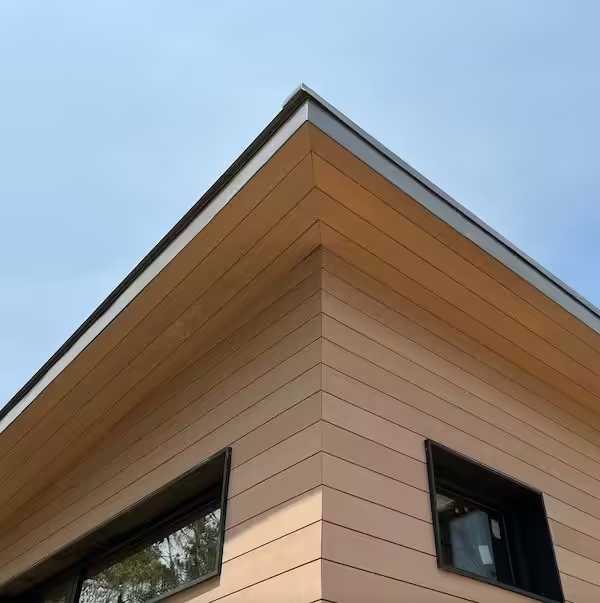
Profile selection also plays an important role. If cedar’s appeal is tied to its visual rhythm, profiles such as shiplap siding can recreate that same architectural cadence while delivering a more uniform appearance.
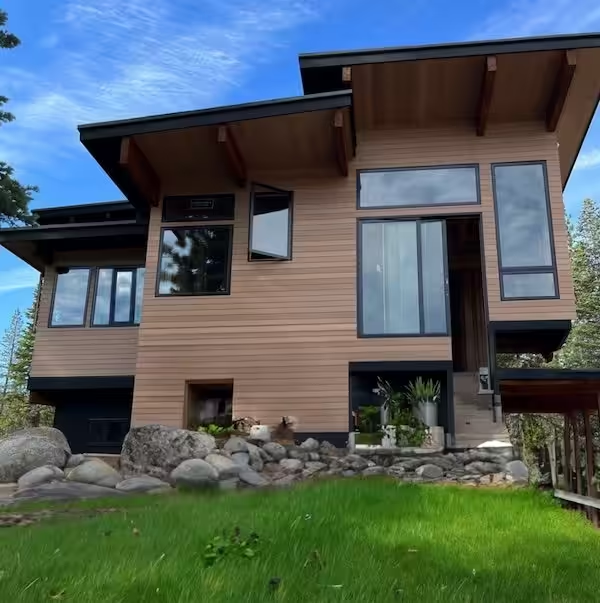
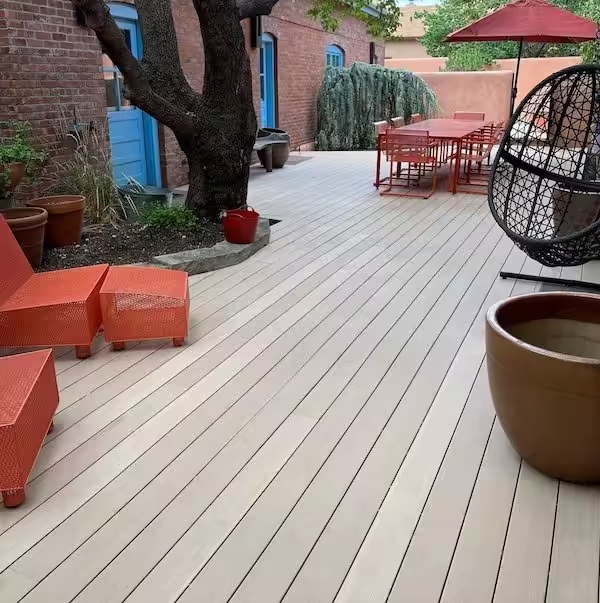
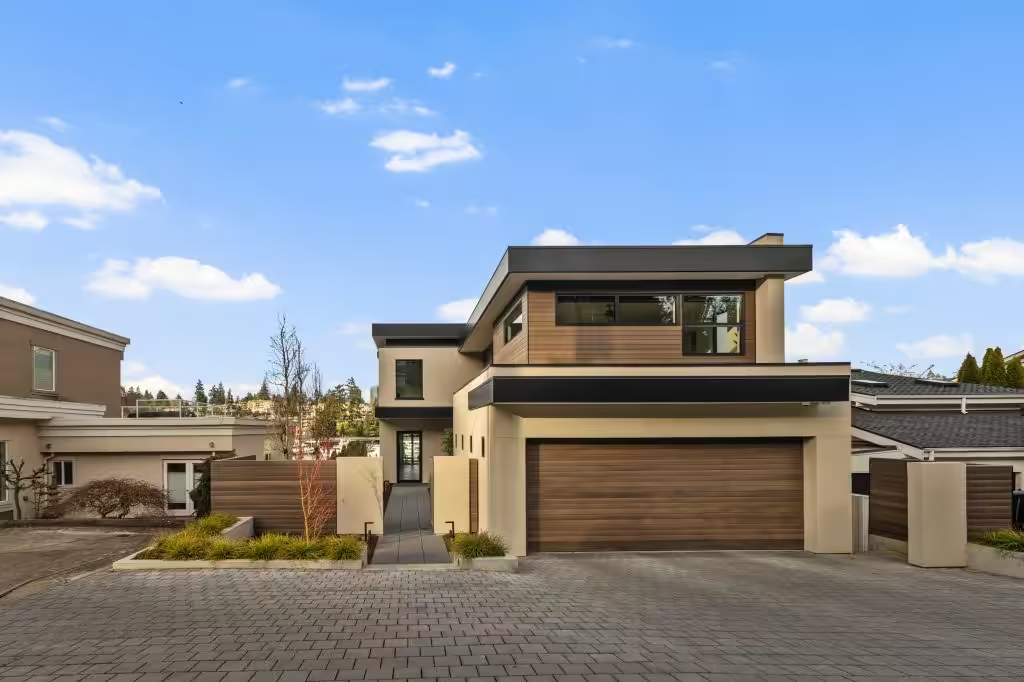
In practice, many homes that appear to be cedar at first glance are now built using composite siding or faux wood siding. The difference is not immediately visible, but it becomes apparent over time as the exterior maintains its original look with fewer interventions.
Authenticity and the Question of “Real Wood Feel”
For most homeowners, the deciding factor is not technical performance, it’s an emotional response. People rarely ask which siding material is most advanced. They ask whether their home will still feel like wood.
Synthetic wood siding replaces cedar most successfully when it delivers:
- Convincing grain depth and shadowing
- Finishes that feel organic rather than glossy
- Profiles that create familiar board rhythm
- Color palettes that read naturally in sun and shade
When a design relies heavily on cedar’s irregular weathering, using cedar selectively for accents or protected areas can still make sense. For full exterior elevations, however, many homeowners prefer synthetic materials that offer a more controlled interpretation of the same aesthetic. The result is often a home that feels wood-forward without requiring constant effort to maintain that appearance.
Workability and the Builder Perspective
Cedar has long been valued for how it behaves on the jobsite. Builders appreciate materials that cut cleanly, fasten predictably, and allow for detailed execution.
Early composite products struggled in this area, which slowed adoption. That gap has narrowed significantly.
Materials like ACRE by Modern Mill are designed to be milled, cut, and detailed using familiar tools and techniques. They fit naturally into conversations around sustainable building materials by extending service life and reducing replacement cycles, while still behaving like wood during installation. For builders, predictability reduces risk. For homeowners, that predictability shows up as cleaner lines, tighter details, and a more consistent finished result.
A Practical Rule of Thumb
Synthetic wood siding tends to replace cedar when:
- The goal is a wood look with less upkeep
- The project is in a wet, coastal, or freeze–thaw climate
- Consistency across boards and elevations matters
- Long-term maintenance planning is a priority
Cedar may still make sense when:
- Natural weathering is part of the design intent
- Variation and imperfections are celebrated
- Ongoing maintenance is expected as part of ownership
For many projects, a hybrid approach works well. Cedar can be used where it’s protected or easily maintained, while synthetic wood siding handles the most exposed areas.
Conclusion
So, can synthetic wood siding replace cedar? In many projects, it already has. Today’s alternatives deliver cedar-like warmth and texture while offering a more predictable experience over the life of a home. For homeowners planning around long-term performance, reduced maintenance, and consistent curb appeal, synthetic siding is no longer viewed as a compromise. It has become a practical way to achieve the look people love without the demands that once came with it.
For architects, builders, and homeowners navigating this shift, materials like ACRE by Modern Mill represent how far synthetic wood siding has evolved. Made from upcycled rice hulls, ACRE delivers the visual warmth and workability associated with cedar while removing many of the maintenance and performance variables that make natural wood difficult to manage over time. It can be milled into familiar profiles, finished like wood, and specified across exterior applications where consistency and durability matter most.
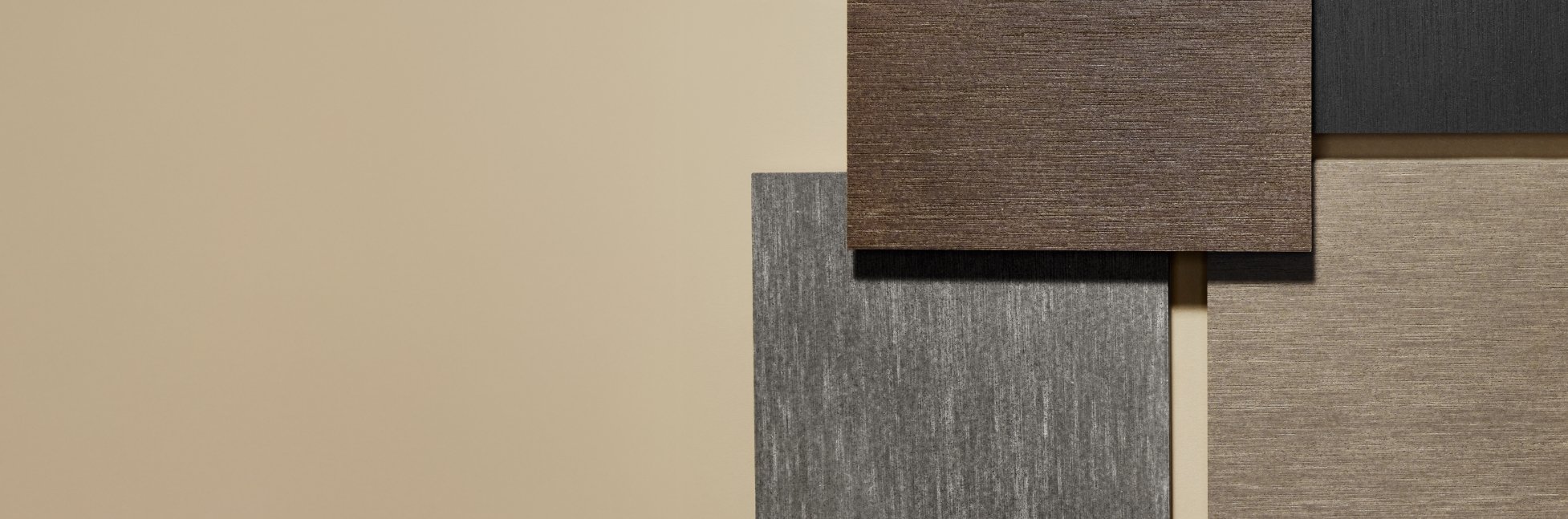
Ready to see the difference for yourself? Order ACRE samples today or use the contact form below to get in touch with our team to explore where it can fit into your next project.
Ready to Experience the
Difference?
Ask for ACRE at your local lumber yard or order samples to see for yourself why builders are making the switch.