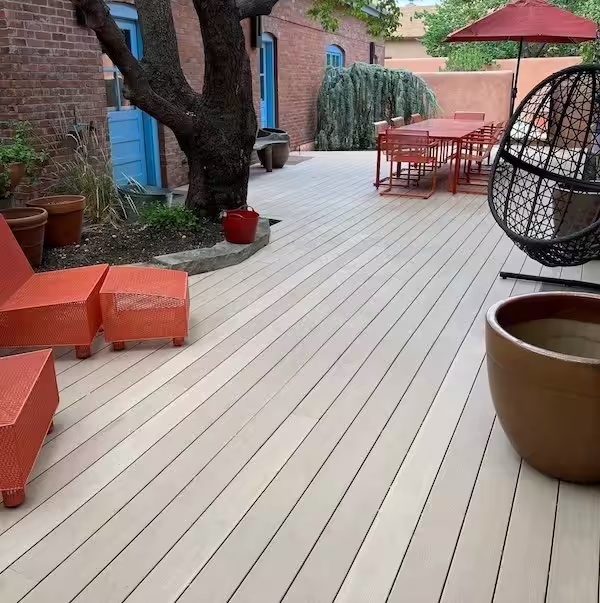
Composite Decking vs Wood Decking
October 2025Choosing the right decking material is one of the most important decisions for any outdoor living space. Homeowners and builders both want decks that look beautiful, perform well, and stand up to the elements over time. Traditional wood has long been the go-to choice for its natural warmth, but composite decking has emerged as a high-performance alternative that can reduce maintenance, increase durability, and offer more design flexibility.
Below, we’ll compare composite and wood decking across performance, maintenance, aesthetics, cost, and sustainability, helping you understand which option makes the most sense for your next project.
Performance and Durability
One of the main reasons builders and homeowners are choosing composite decking is its strong performance compared to traditional wood. Composites resist moisture, rot, warping, and insect damage, helping decks maintain their performance and appearance for years.
While wood can crack, splinter, or warp over time, composites are engineered for stability, even in extreme weather.
Key performance differences include:
- Moisture resistance: Composites absorb little to no water, reducing decay
- Pest resistance: Unlike wood, composites are impervious to termites and insects
- Weather durability: Holds up under sun, rain, and freeze-thaw cycles
These benefits make composites a reliable choice for durable, long-lasting outdoor living spaces.
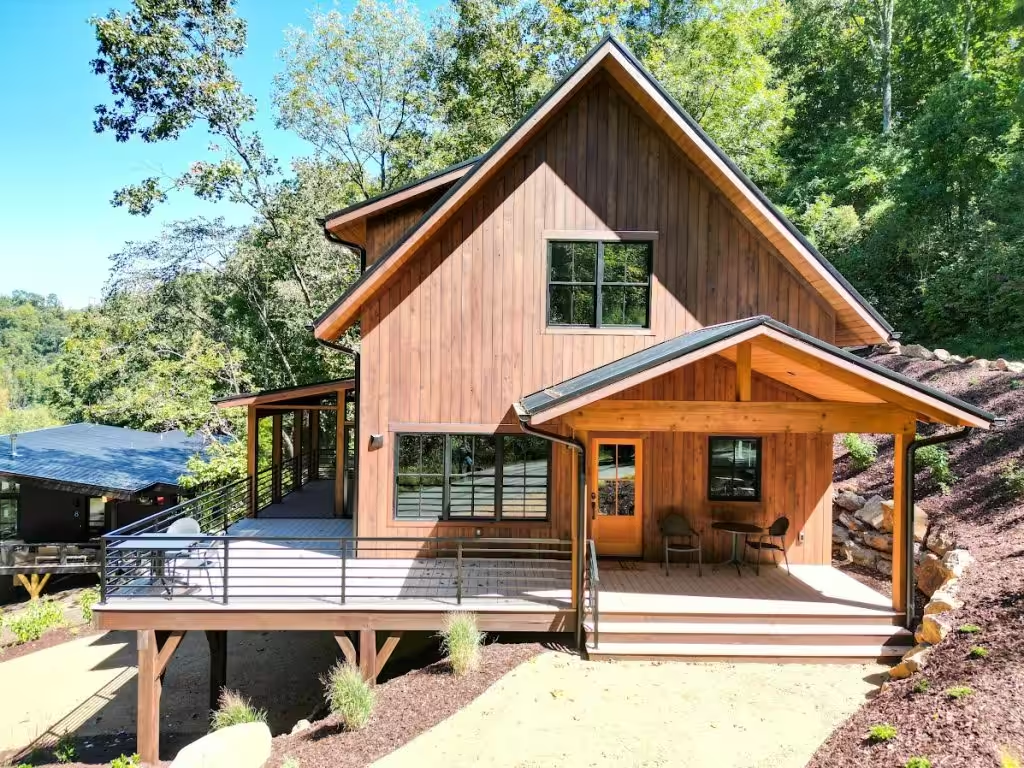
Maintenance and Upkeep
Maintenance is a major factor when comparing wood and composite decking. Wood requires regular sealing, staining, or painting to protect it from moisture, sun, and pests. Without ongoing care, wood can crack, fade, or become susceptible to rot.
Composite decking significantly reduces these demands. Most composites are low-maintenance, needing only occasional cleaning to remove dirt or debris. This ease of upkeep makes composites a practical choice for both new builds and deck replacements, giving long-term value without the hassle of constant maintenance.
Beauty and Color Options
Appearance is often the deciding factor for homeowners and builders. Wood offers natural warmth and authentic grain patterns, but it can fade, stain unevenly, or require ongoing refinishing to maintain its look.
Composite decking, on the other hand, can mimic the look of real wood while holding its color longer. Many composites offer a range of finishes and textures, including wood-grain patterns, matte or low-gloss surfaces. These options allow builders and homeowners to achieve a polished, high-end look without the constant upkeep that wood requires.
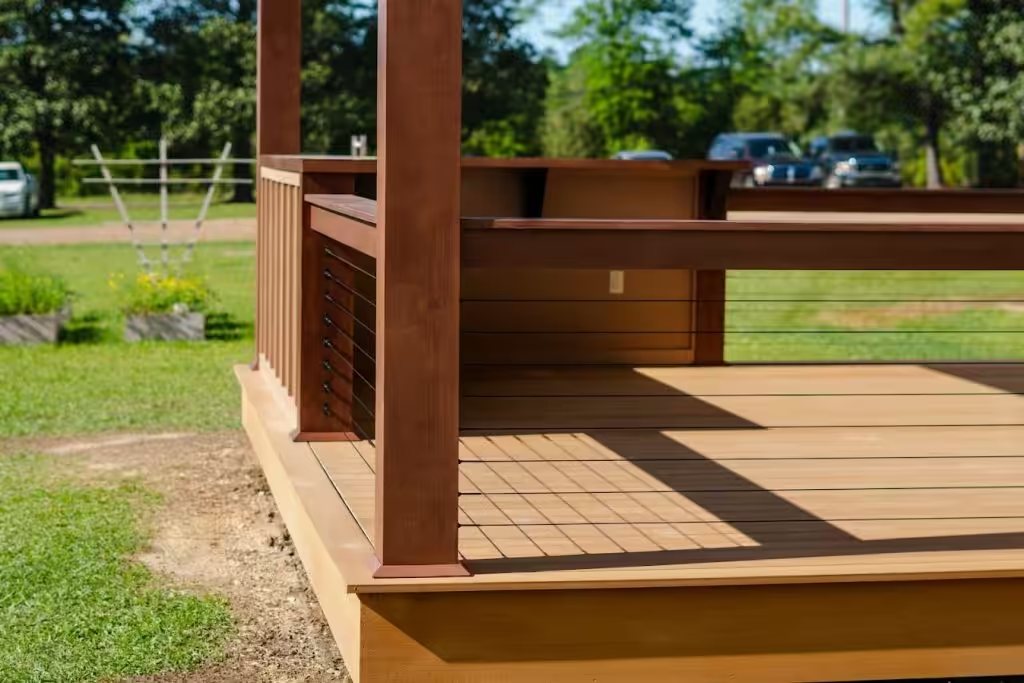
Cost and Long Term Value
At first glance, wood decking may seem more affordable, but it comes with ongoing maintenance costs for staining, sealing, and repairs. Over time, these expenses can add up, which can make wood less economical than it appears.
Composite decking typically has a higher upfront cost, but it often pays off in the long run. Composites require minimal maintenance, resist damage from moisture and pests, and can last decades without replacement.
Sustainable Benefits
More homeowners and builders are prioritizing environmentally friendly materials. Wood decking often requires harvesting new timber, while many composites are made from recycled or upcycled materials, reducing reliance on natural resources.
Composite decking also tends to last longer than wood, which means fewer replacements over time and no deforestation. For projects where sustainability matters, the right composites offer a durable, eco-conscious alternative without sacrificing performance or beauty.
Workability on the Jobsite
While composites offer durability and low maintenance, many traditional options can be difficult to work with. They may produce dust when cut, be prone to static melt, or require specialized tools, making them more challenging than working with wood.
Some newer composites are designed to combine the performance benefits of traditional composites with the ease of working like wood. ACRE by Modern Mill is a standout example, allowing builders to cut, drill, and sand boards using standard tools while still enjoying moisture resistance, longevity, and minimal upkeep. This balance of performance and workability makes it a practical, builder-friendly choice for modern decking projects.
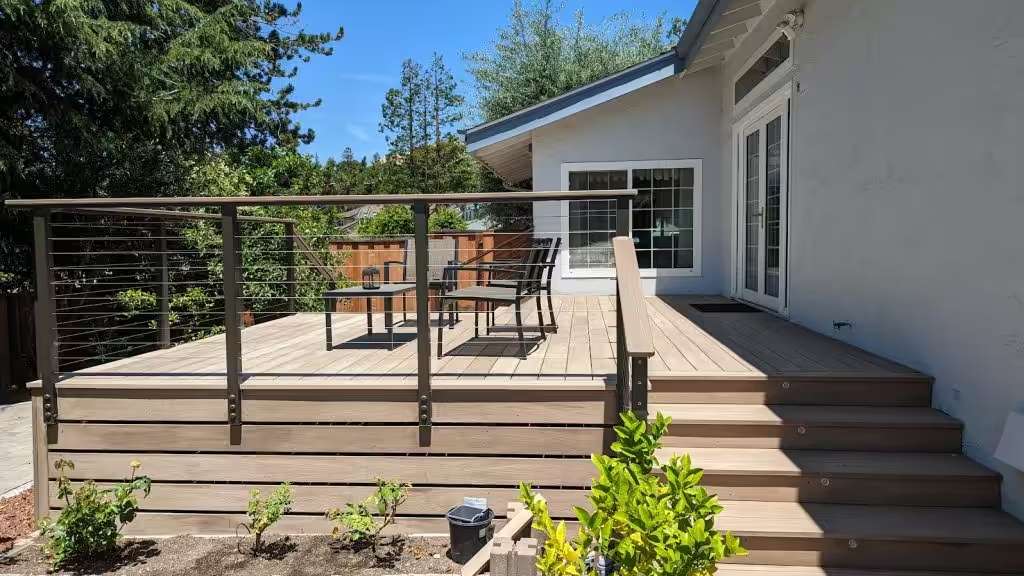
Conclusion
Choosing between wood and composite decking comes down to balancing appearance, performance, maintenance, cost, and sustainability. Wood offers natural warmth and workability, but it requires ongoing upkeep and can be vulnerable to weather and pests. Composites provide long-term durability, low maintenance, and eco-friendly benefits, though some traditional options can be harder to work with on the jobsite.
Products like ACRE by Modern Mill offer the best of both worlds: the beauty and workability of wood with the performance and longevity of a composite. For builders and homeowners looking for a durable, low-maintenance deck that also delivers design flexibility, composites are increasingly the preferred choice. See our full ACRE vs IPE vs hardwood decking comparison for how it stacks up against premium hardwood specifically.
Order an ACRE sample today and get in contact with our team through the form below to see how our composite decking can elevate your next project.
Ready to Experience the
Difference?
Ask for ACRE at your local lumber yard or order samples to see for yourself why builders are making the switch.