Creating Healthier Living Spaces with Biophilia
October 2025Biophilic design is transforming the way architects and designers approach the built environment. More than a visual trend, it is a wellness-driven design philosophy focused on reconnecting people with nature to improve mental clarity, emotional well-being, and physical health. As we enter a new era of human-centered architecture, biophilia is becoming a key differentiator in residential, commercial, and institutional projects.
However, many natural materials used in biophilic design come with barriers including high maintenance, sourcing limitations, and lack of long-term durability. Today’s next-generation composite materials, like ACRE™ by Modern Mill, are making it possible to achieve the beauty and sensory benefits of nature while overcoming these challenges.
What Is Biophilic Design and Why It Matters
Biophilic design incorporates nature or references to nature into architecture to improve human wellbeing. Research by environmental psychologists such as Stephen Kellert has shown that exposure to natural materials can lower stress levels, reduce blood pressure, and increase cognitive performance. These effects are now measurable and influencing both design standards and occupant expectations.
Benefits of Biophilic Design in Architecture
- Reduces stress and promotes calm
- Improves productivity and focus
- Enhances mood and emotional wellness
- Supports healing and recovery in healthcare environments
- Strengthens connection to place and environment
As wellness continues to drive material and design choices, biophilia is becoming an essential strategy in modern architecture.
Key Biophilic Design Trends in 2025
1. Natural Materials and Warm Textures
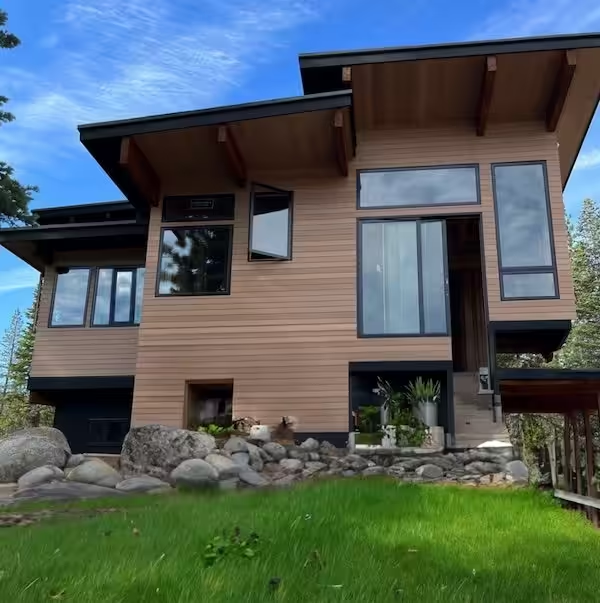
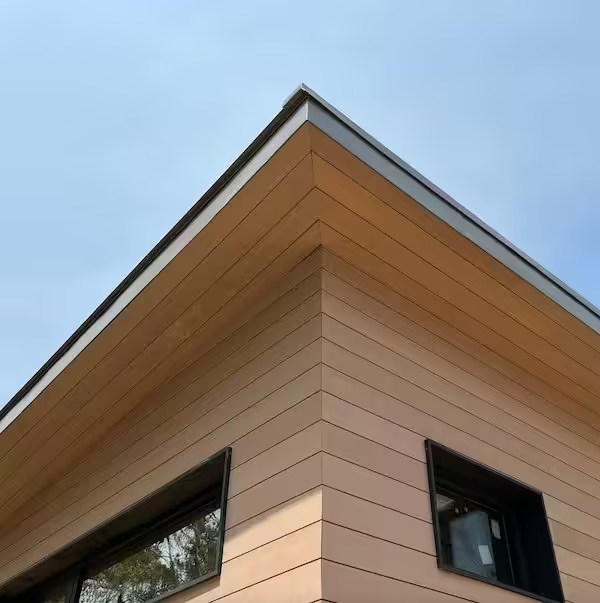
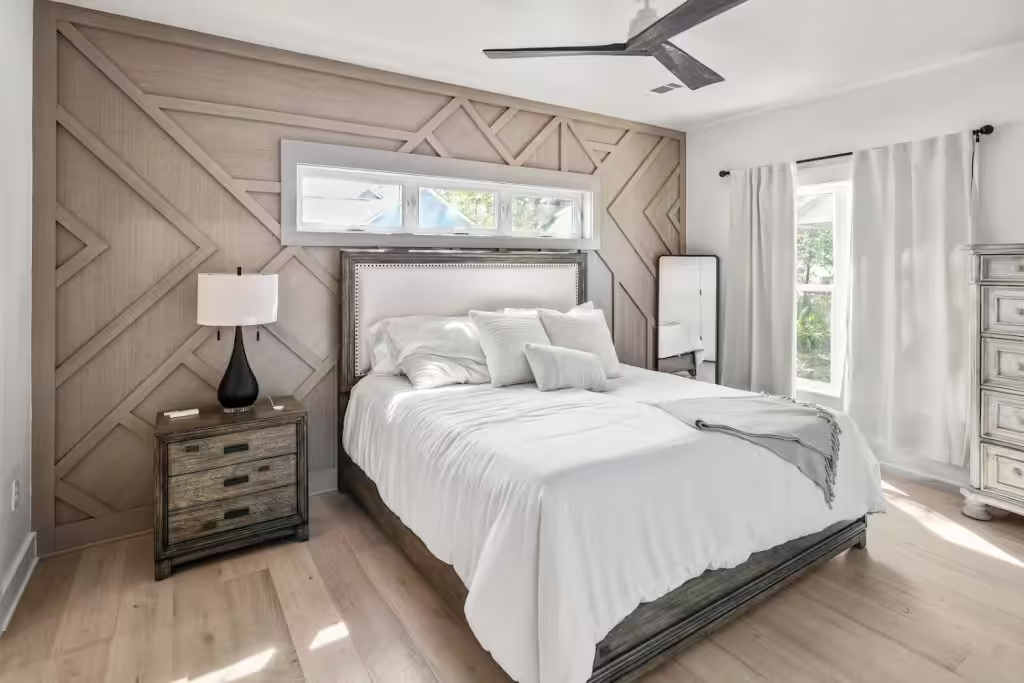
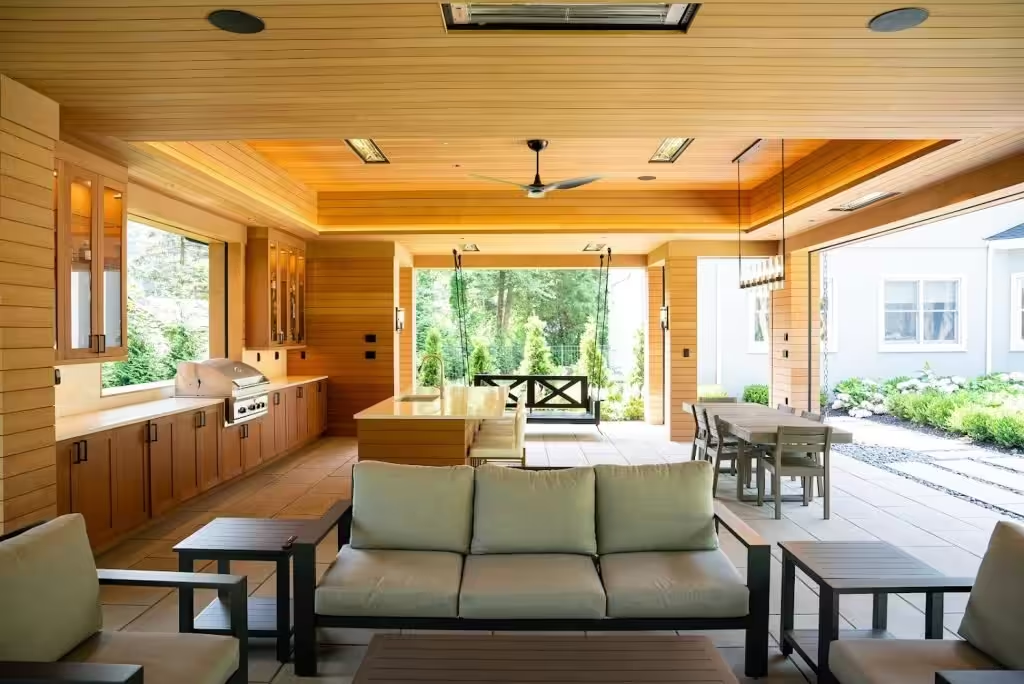
Authentic-looking surfaces that engage touch and sight are at the forefront of biophilic design. Warm, wood-like materials, whether in siding, walls, ceilings or interior surroundings that create sensory connection and psychological comfort.
2. Indoor & Outdoor Harmony
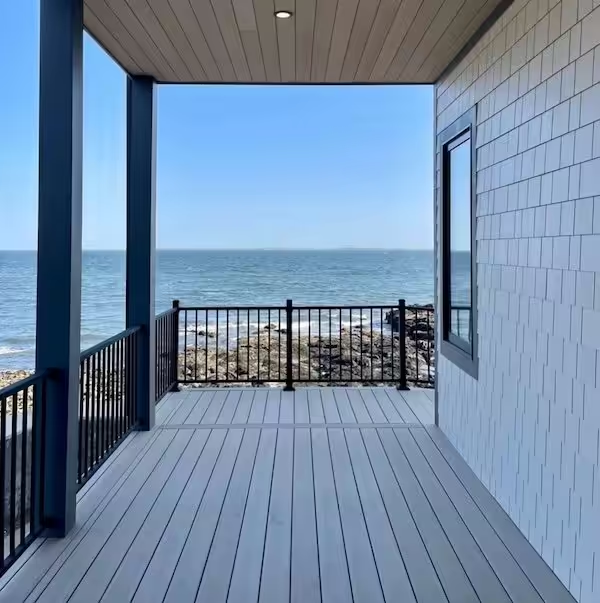
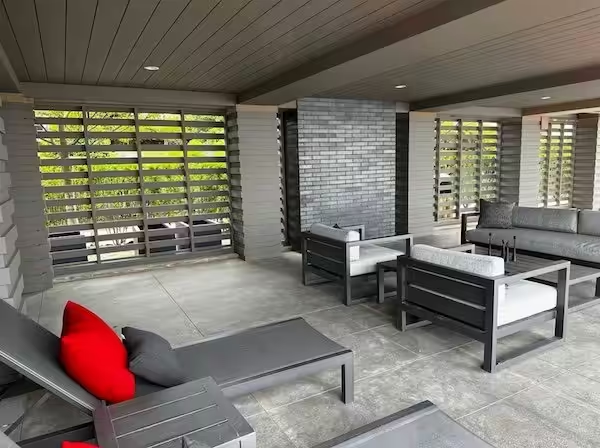
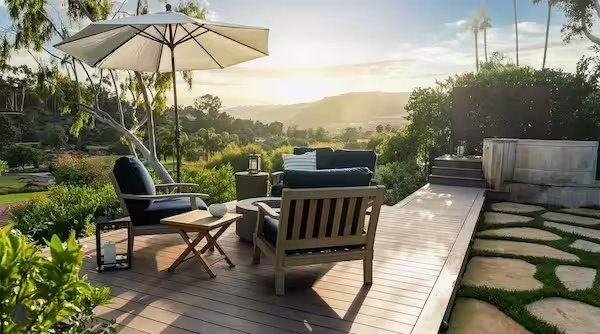
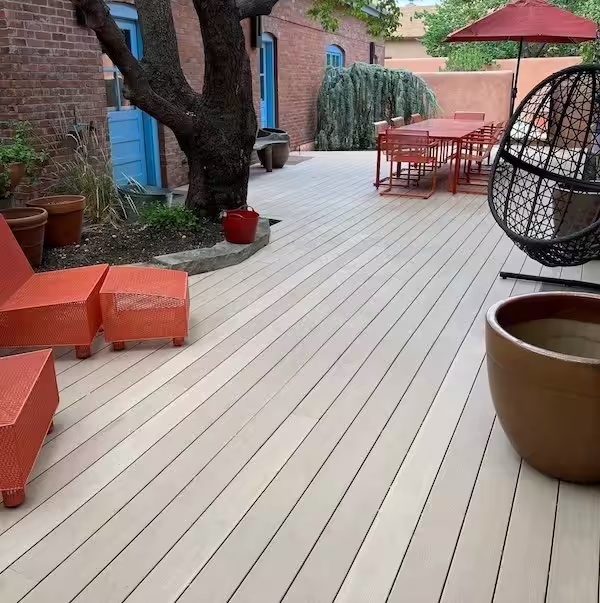
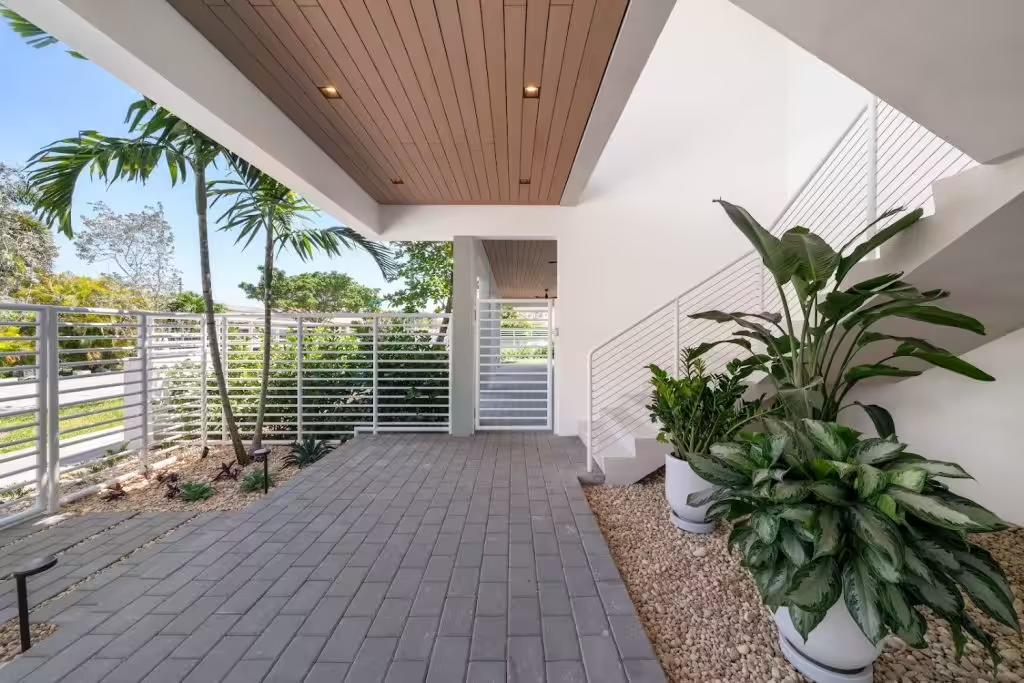
Architects are choosing materials that allow for continuous design between interior and exterior spaces. Shiplap siding, decking, and paneling that can be used in both environments help create visual flow and connection to nature.
3. Sustainability as a Core Design Principle
Biophilic materials should also be environmentally responsible. Sustainable sourcing, recycled content, and low-toxicity manufacturing are increasingly required, aligning nature-inspired aesthetics with long-term ecological impact.
4. Design for Emotional Wellness
Color, texture, acoustics, and natural light are being considered holistically to create environments that support human health, reduce fatigue, and foster creativity.
Why Biophilic Design Can Be Difficult to Implement
While desirable, traditional natural materials present several challenges including:
- High maintenance: Requires sealing, staining, or replacement due to moisture, pests, and UV exposure.
- Durability concerns: Wood can warp or rot, especially in outdoor applications.
- Sourcing limitations: Harvesting natural wood contributes to deforestation and supply chain volatility.
- Cost barriers: Long-term maintenance increases lifecycle costs for clients.
Architects are seeking materials that retain the emotional impact of nature without compromising durability or sustainability.
The Rise of Simulated Nature Materials
Simulated nature materials replicate the look and feel of natural elements while offering advanced performance. Research shows that well-designed nature analogs, even when not made from organic material, can deliver similar stress-reducing benefits.
These materials are enabling architects to scale biophilic design in real-world applications by offering:
- Long-term durability
- Low maintenance
- Weather and pest resistance
- Sustainable or recycled content
- Design versatility for both interiors and exteriors
ACRE: Making Biophilic Design Scalable
ACRE by Modern Mill is a breakthrough material engineered for the future of nature-based design. Made in a zero-waste facility from upcycled rice hulls, a natural byproduct that would otherwise be discarded, ACRE is 100% tree-free and designed to replicate the beauty of wood without its limitations.
How ACRE Supports Biophilic Architecture
- Natural aesthetic: Feels and looks like real wood with a warm, tactile surface.
- Design flexibility: Available in profiles such as shiplap siding, decking, nickel gap, v-groove, and interior paneling.
- Paintable and stainable: Is the first and only stainable composite, delivering an authentic beauty of wood.
- Durable and low-maintenance: Resists water, rot, pests, and extreme temperatures.
- Healthy and sustainable: Contains no phenol, formaldehyde, adhesives, VOCs or forever chemicals.
ACRE bridges the gap between biophilic intent and practical application, allowing architects to design healthier spaces without compromising beauty or longevity.
Conclusion
Biophilic design is no longer optional, it is reshaping the way we define healthy buildings and livable cities. As the demand for wellness-centric environments continues to grow, the success of biophilic architecture will depend on access to materials that are both beautiful and practical.
ACRE gives architects the freedom to design with nature in mind, without the constraints of traditional materials.
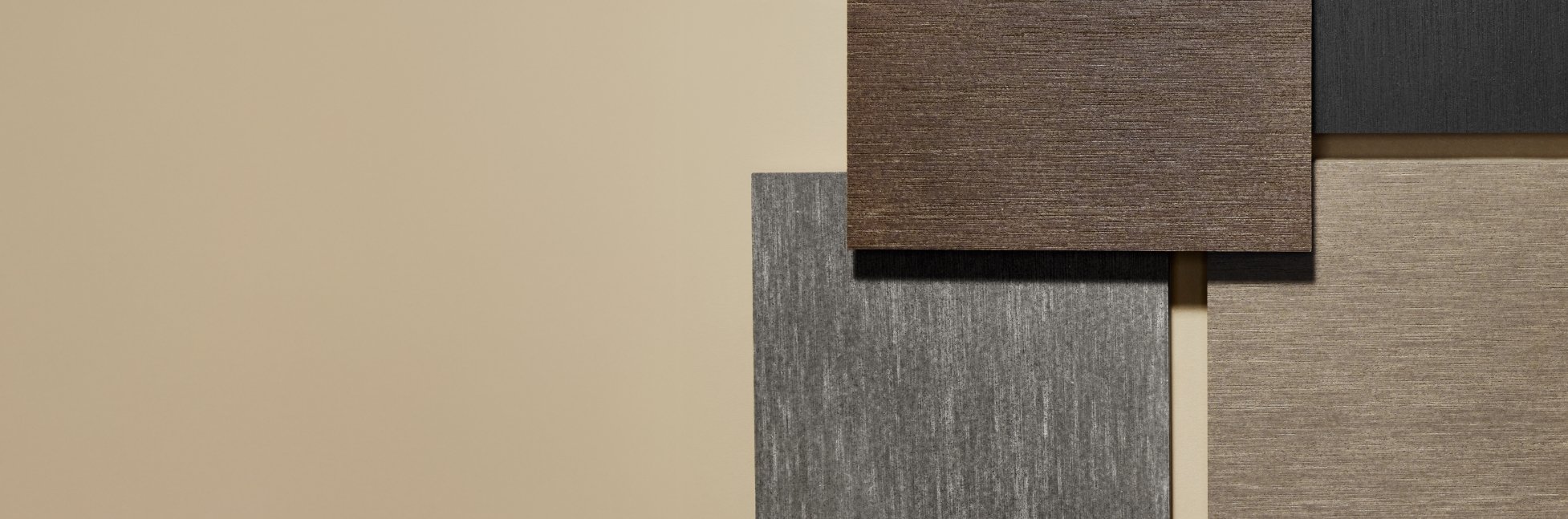
Order a sample of ACRE™ to experience its natural warmth and performance firsthand.
To deepen your understanding of biophilic architecture, schedule our AIA-accredited course here
Ready to Experience the
Difference?
Ask for ACRE at your local lumber yard or order samples to see for yourself why builders are making the switch.