Design with Purpose: Sustainable Materials for Architects
January 2025As sustainability takes center stage in modern architecture, the choice of eco-friendly materials is transforming how buildings are designed and constructed. Designing with purpose means selecting materials that not only minimize environmental impact but also enhance performance and aesthetics. With buildings accounting for nearly 40% of carbon dioxide emissions in the United States, the need to reduce the environmental footprint of our living spaces has never been more urgent.
Sustainable materials are pivotal in this shift, offering solutions that reduce resource depletion, lower carbon emissions, and create healthier environments. By prioritizing eco-friendly options, architects can lead the charge in long-term environmental preservation while meeting the growing demand for green building practices.
This guide explores some of the most innovative and sustainable materials architects need to use today to craft designs that are as responsible as they are groundbreaking.
Benefits of Eco-Friendly Materials
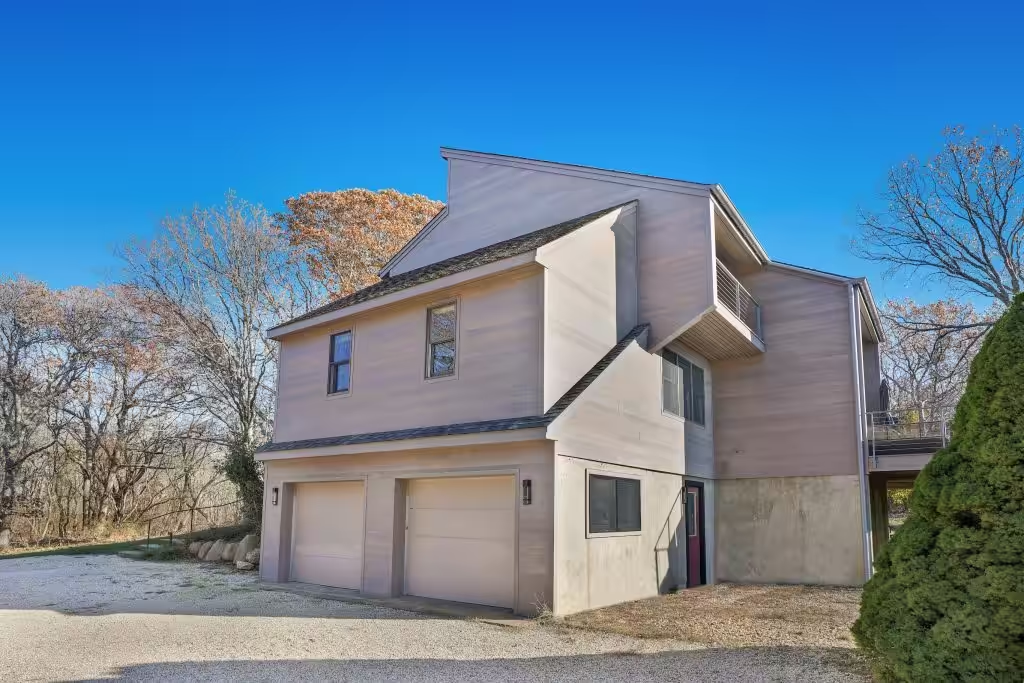
Eco-friendly materials provide many benefits, from efficient resource use to significant environmental savings. By utilizing tree-free materials and tapping into more practical resources, these innovations reduce the reliance on old-growth trees, which can take centuries to mature and are vital to the health of natural ecosystems. Replacing wood-based materials with resource-abundant alternatives, often derived from waste byproducts, enables buildings to contribute to reducing global deforestation and carbon emissions.
Beyond their environmental advantages, these materials also promote healthier living and working environments by minimizing exposure to harmful toxins. Many sustainable materials are produced without phenol, formaldehyde, VOCs, or forever chemicals, making them safer for both people and the planet. When researching sustainable products for projects, architects should prioritize options that support positive indoor air quality, such as those with Clean Air Certifications or the ability to contribute to LEED credits. By incorporating renewable, recyclable, or upcycled elements, eco-friendly materials empower architects to design spaces that prioritize well-being while advancing sustainability goals.
Top Sustainable Materials for Architect
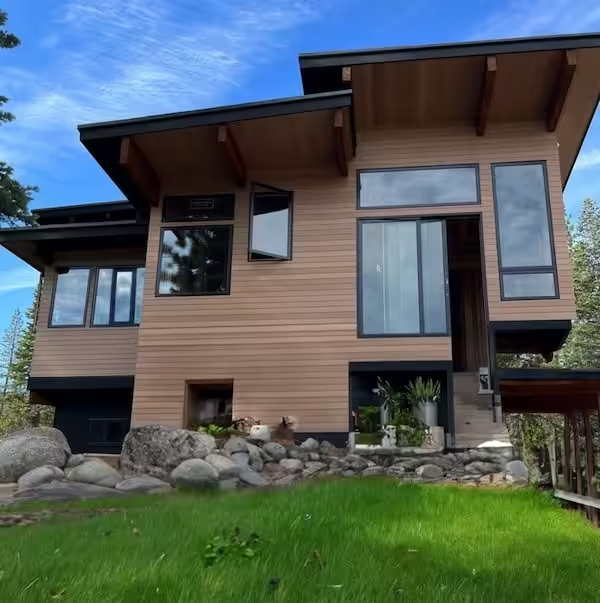
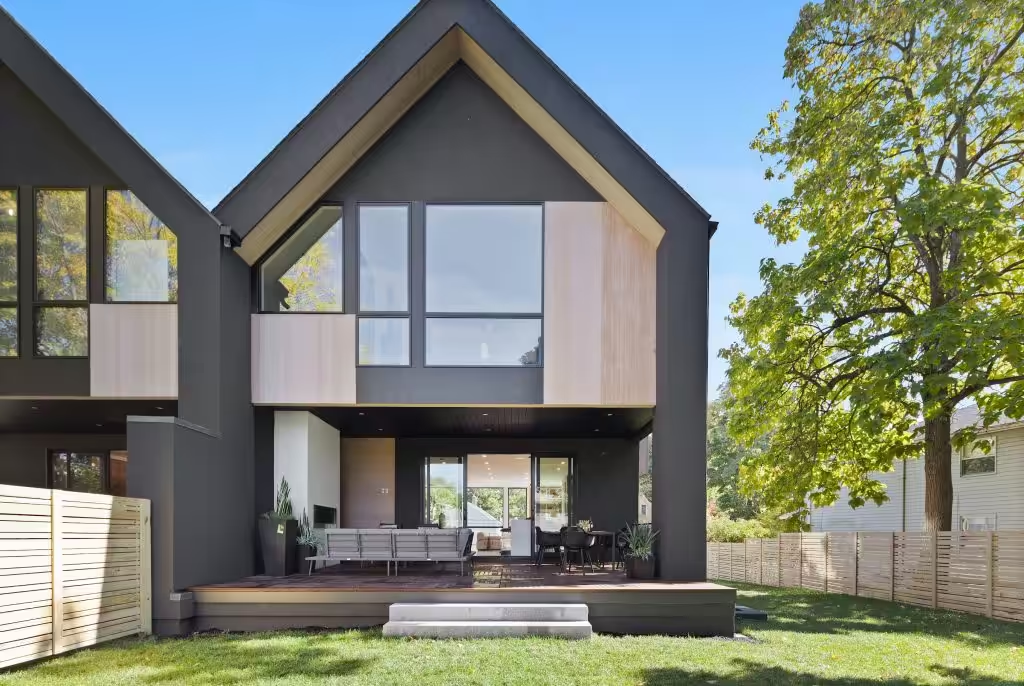
- Rice Hull Siding: Materials like ACRE by Modern Mill leverage upcycled rice hulls, offering a durable, tree-free alternative to traditional wood. ACRE promotes environmental sustainability without compromising on beauty or performance, making it a top choice for architects seeking eco-friendly options that deliver on both form and function.
- Bamboo: As a fast-growing renewable resource, bamboo is a sustainable alternative to traditional timber. Its rapid growth cycle makes it a more viable option than cutting down old-growth trees.
- Recycled Metal: Aluminum and steel made from recycled sources are highly durable and energy-efficient, making them ideal for structural applications. Using recycled metal reduces the need for mining virgin materials, conserving energy and resources while contributing to a circular economy.
- Waste-Based Materials: Products such as ACRE, hempcrete, biocomposites, and desert board are made from natural, often waste-derived materials. These innovative products not only help reduce landfill waste but also offer unique benefits like reduced environmental impact.
How to Incorporate Sustainable Materials
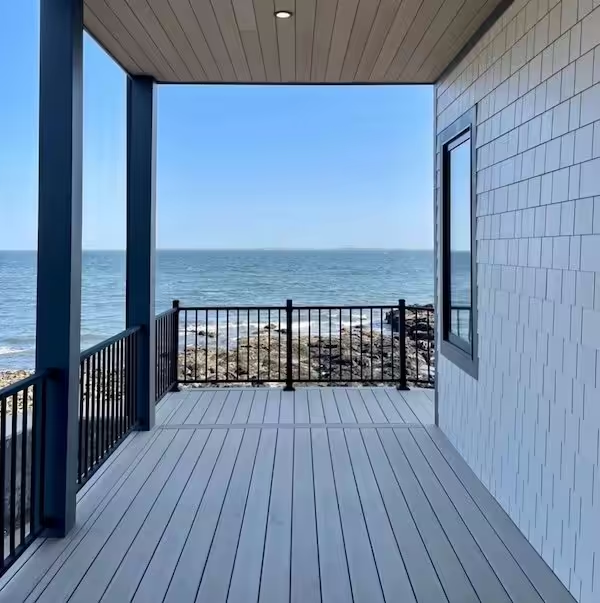
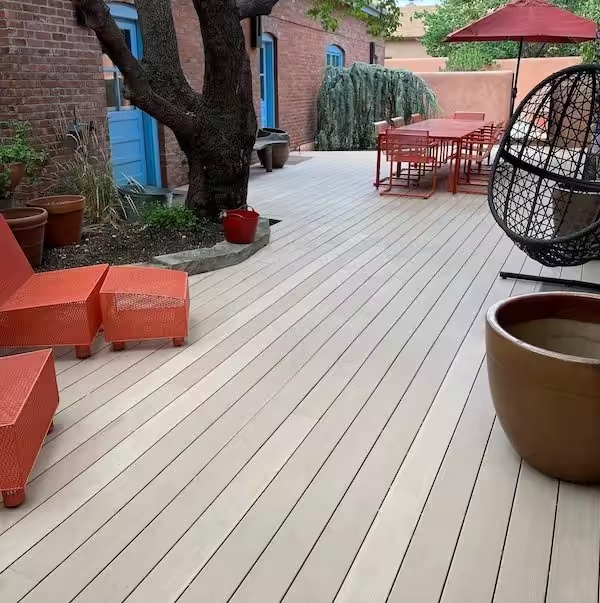
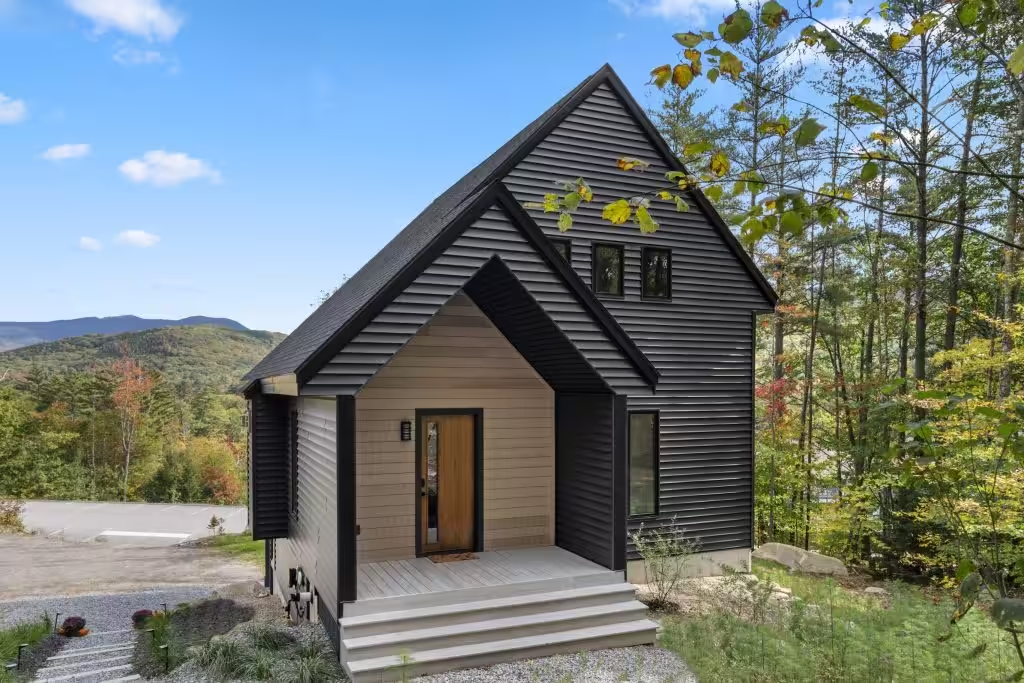
Incorporating sustainable materials into projects will only be successful if they maintain visual quality and performance. There are many ways to weave these materials into your spaces, such as exteriors like siding, decking, trim, fencing, and outdoor furniture. These areas have traditionally been made with wood, which is less durable and not as environmentally friendly as sustainable alternatives.
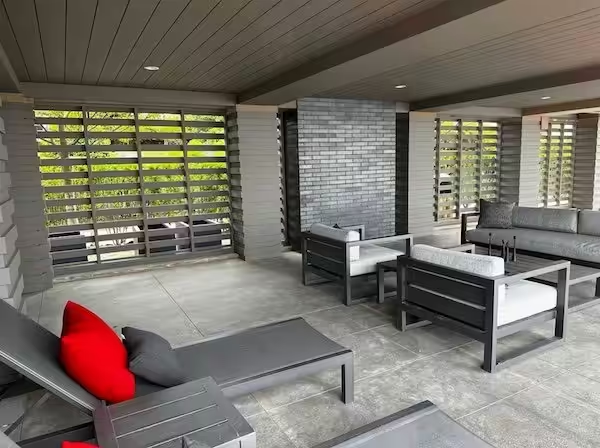
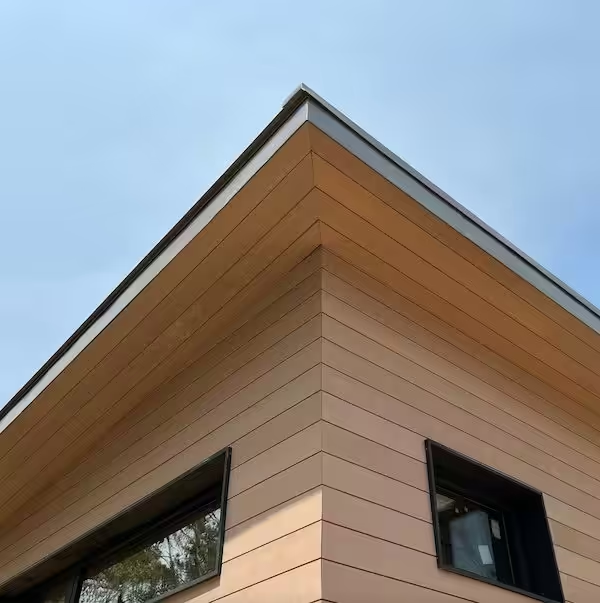
Indoors, eco-friendly options can enhance walls, ceilings, and more, supporting both well-being and environmental responsibility. These materials enable architects to design spaces that are in harmony with nature while promoting a healthier environment, whether for residential or commercial projects. Additionally, some sustainable materials, such as ACRE by Modern Mill, uniquely offer biophilic qualities that enhance the mental and physical wellness of occupants. ACRE is virtually indistinguishable from wood, offering a more sustainable and scalable alternative to traditional biophilic design.
Conclusion
Incorporating sustainable materials into architectural designs offers a powerful way to create environmentally responsible, high-performance spaces. These materials offer architects versatile, eco-friendly options that maintain quality and aesthetics. As the demand for greener buildings grows, both residential and commercial projects are embracing sustainable solutions to reduce environmental impact while fostering healthier, more innovative spaces for occupants. By selecting materials that blend sustainability with beauty and performance, architects can lead the way in designing spaces that are both forward-thinking and functional.
Ready to explore sustainable materials for your next design? Order samples today or fill out the contact form to get in touch.
Ready to Experience the
Difference?
Ask for ACRE at your local lumber yard or order samples to see for yourself why builders are making the switch.