Top Biophilic Design Trends of 2025
October 2025Biophilic design has evolved from an emerging concept to an essential principle shaping the built environment. Architects and designers are prioritizing natural materials, organic forms, and healthier spaces that connect people with nature—both aesthetically and emotionally. As clients continue to seek designs that promote well-being and sustainability, biophilia is becoming a foundation of modern architecture rather than a trend.
In 2025, we’ll see biophilic design take on new depth and accessibility, driven by advanced materials and innovative construction methods that make nature-centered design easier to achieve. For the fundamentals, see our biophilic design guide. Below are the top biophilic design trends redefining spaces this year.
1. Natural Materials That Engage the Senses
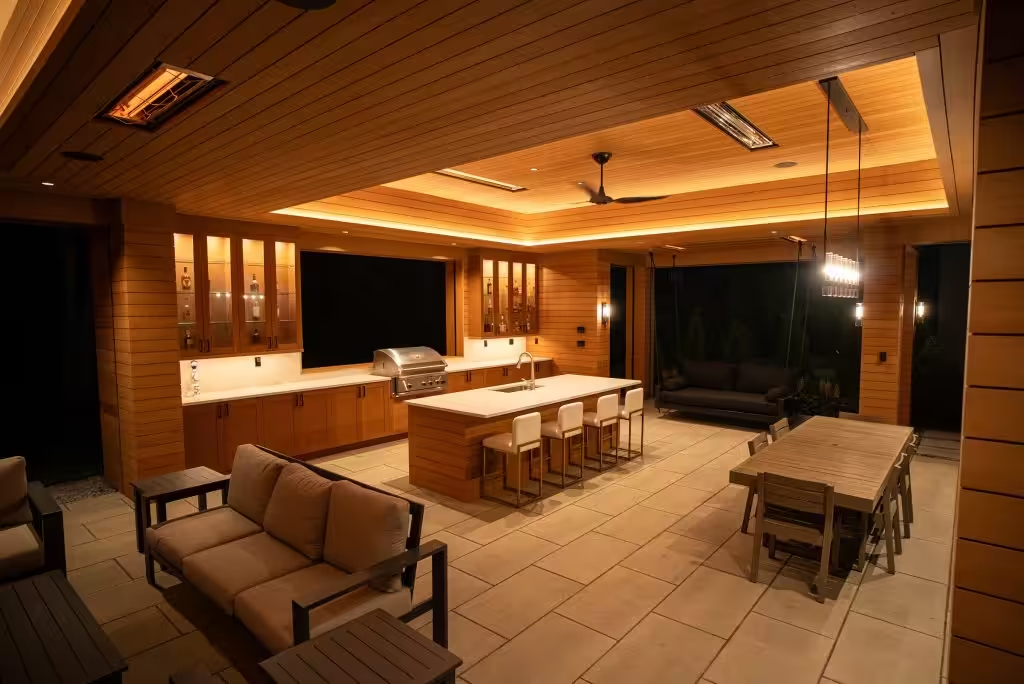
Designers are moving beyond visual connection to nature and focusing on materials that compliment multisensory design. Texture, warmth, and tactility play key roles in creating environments that feel authentic and grounded. Wood-inspired surfaces, organic finishes, and earthy palettes are appearing across both residential and commercial projects.
Popular materials include:
- Simulated nature alternatives
- Stone and clay composites
- Natural fiber textiles
This sensory engagement creates spaces that feel more human, inviting, and restorative which is a core goal of biophilic design — see our explainer on why biophilic design matters for the reasoning behind it.
2. Sustainable and Low-Impact Material Choices
Sustainability and biophilia are increasingly intertwined. Today’s architects and designers are selecting materials that not only look natural but also protect the natural world. Transparency in sourcing, low environmental impact, and circularity are becoming non-negotiable.
Key characteristics of sustainable, biophilic materials:
- Made from recycled or upcycled sources
- Manufactured in low- or zero-waste facilities
- Free from phenol, formaldehyde, and other harmful chemicals
- Durable and long-lasting, reducing the need for replacement
These choices support regenerative design goals and appeal to clients seeking projects with measurable environmental and wellness benefits.
3. Indoor–Outdoor Continuity
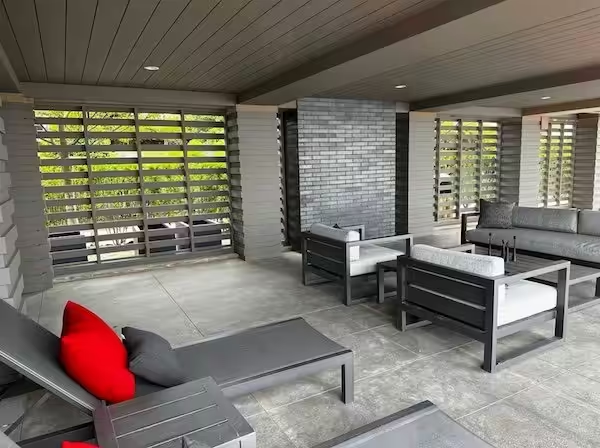
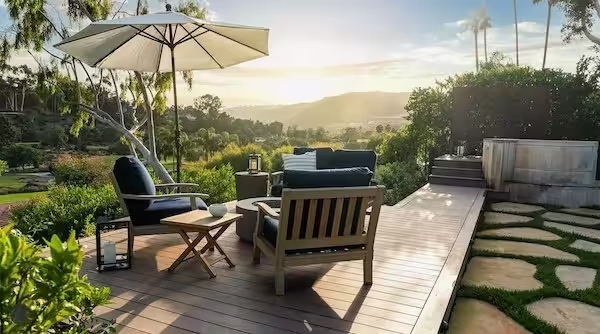
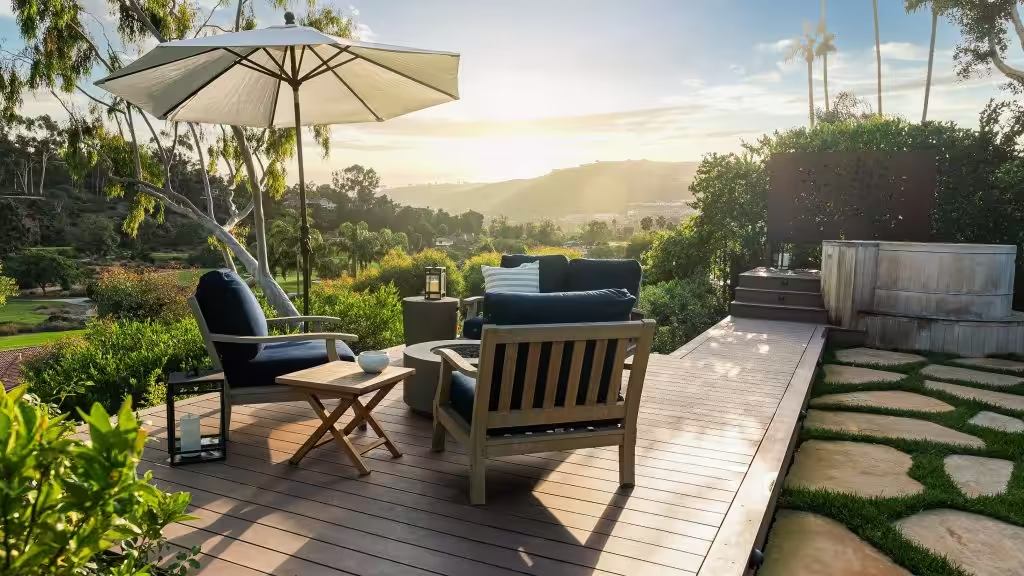
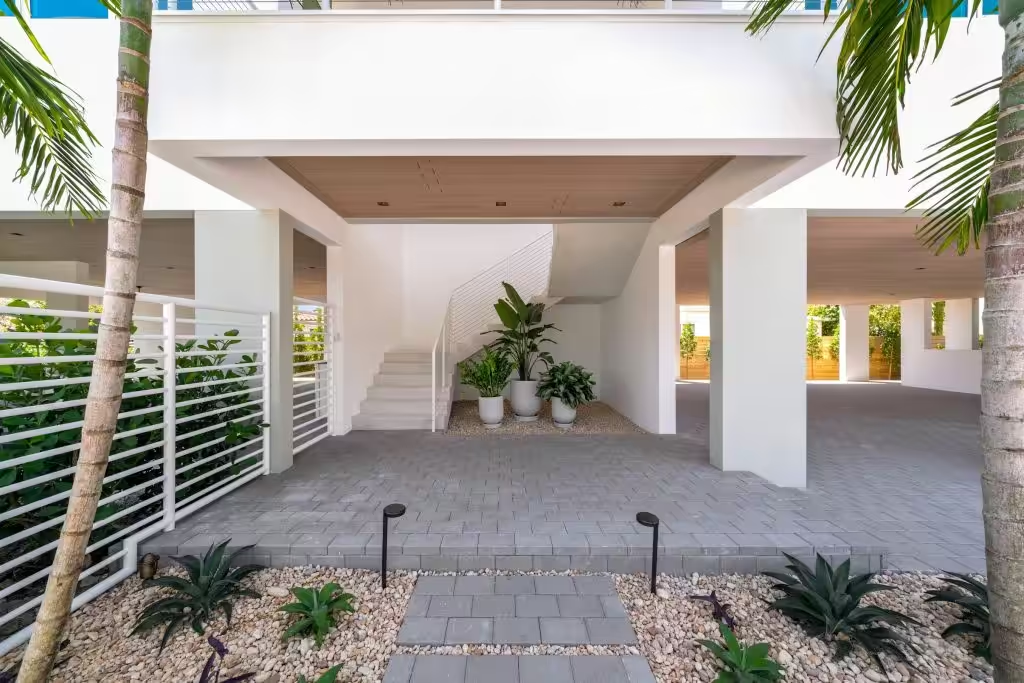
The line between indoors and outdoors continues to blur in 2025. Designers are extending natural textures and palettes across thresholds to create harmony between spaces. This approach not only enhances aesthetics but also reinforces the calming, connected qualities of nature throughout the built environment.
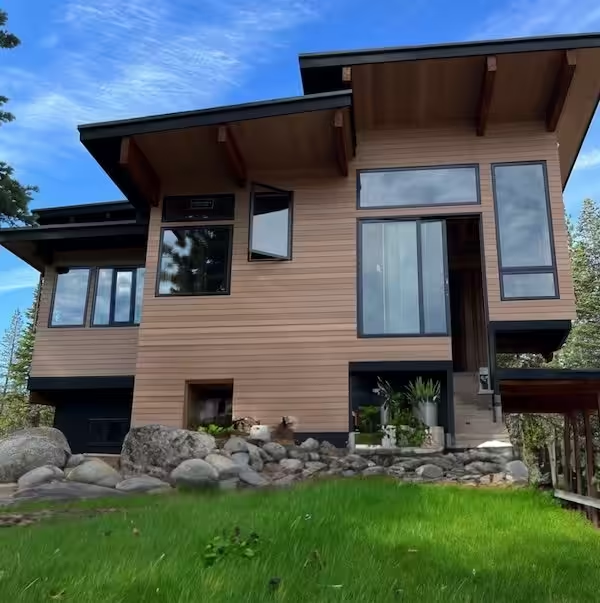
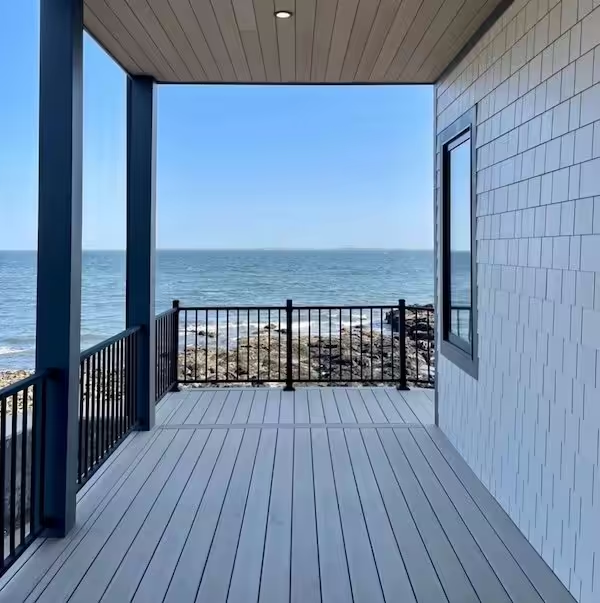
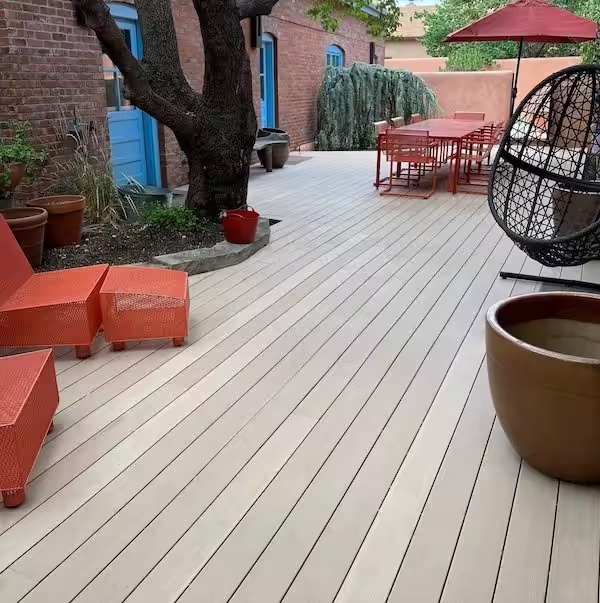
Decking, wall cladding, and siding materials are being used to achieve seamless transitions from façades to interior accent walls. Durable materials that perform well in both environments are now essential for achieving this flow without compromising performance or longevity.
4. Human-Centered Design and Wellness Integration
Modern biophilic design emphasizes measurable wellness outcomes. Materials and finishes are chosen not only for how they look, but for how they make occupants feel. Comfort, calm, and connection drive material selection and spatial planning.
Designers are focusing on:
- Acoustic comfort using materials that absorb sound naturally
- Warm, tactile surfaces that encourage touch
- Low-VOC and non-toxic finishes for better indoor air quality
- Natural light and organic geometry that evoke balance and calm
The result is architecture that supports both physical health and emotional well-being — see our guide to creating healthier living spaces with biophilia for more.
5. Overcoming the Challenges of Biophilic Design
While the demand for biophilic spaces continues to grow, traditional materials like wood can be difficult to maintain, source, or scale—especially in high-performance projects. These challenges have often slowed adoption of biophilic design principles on a larger scale.
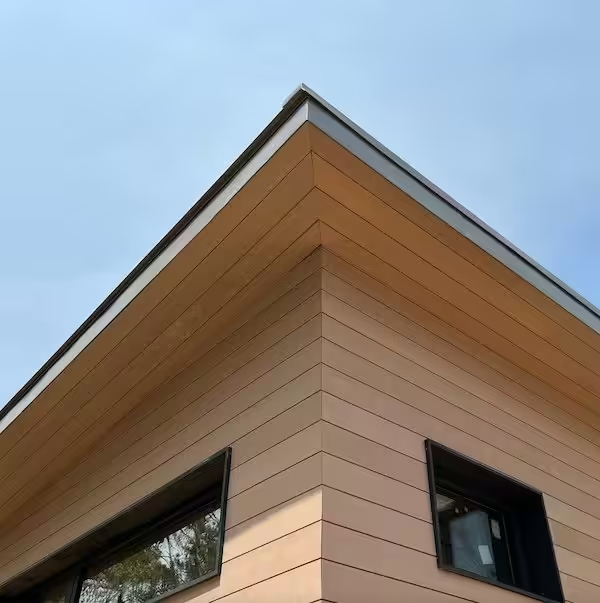
Innovations in material science are changing that. ACRE by Modern Mill is a breakthrough solution that captures the warmth and workability of wood while eliminating its limitations. Made from upcycled rice hulls in a zero-waste facility in Mississippi, ACRE is completely tree-free and contains no phenol, formaldehyde, adhesives, or forever chemicals. It can be used for shiplap siding, decking, interior wall cladding, and a range of profiles like v-groove, nickel gap, and edge and center bead—making it a versatile material for continuous indoor–outdoor design, and a practical way to bring biophilic principles into ACRE’s siding line at scale.
By combining sustainability, durability, and design flexibility, ACRE helps architects and designers bring the principles of biophilic design to more spaces than ever before.
Conclusion: The Future of Biophilic Design
Biophilic design continues to evolve as a driving force in architecture and interiors, merging aesthetics, wellness, and sustainability into one cohesive vision. The future of design lies in materials that bring us closer to nature, without compromising performance or environmental integrity.
With advanced materials like ACRE, biophilic design is becoming more attainable, resilient, and inspiring. Order a sample of ACRE or get in touch with the Modern Mill team in the form below to see how you can bring authentic, sustainable connection to nature into your next project.
Ready to Experience the
Difference?
Ask for ACRE at your local lumber yard or order samples to see for yourself why builders are making the switch.