What Makes a Building Material Truly Sustainable?
March 2025Sustainability is no longer just a trend—it’s a priority for homeowners and commercial property owners alike. Homeowners are seeking ways to reduce their environmental footprint, while businesses and developers recognize that sustainable buildings attract tenants, employees, and customers who want to align with a responsible vision for the future. Sustainable building materials are reshaping the way we design and construct spaces, offering a path to reducing environmental impact while enhancing durability, efficiency, and indoor air quality.
But true sustainability goes beyond just using eco-friendly ingredients. It considers the full life cycle of a material—from responsible sourcing and energy-efficient manufacturing to long-term performance and end-of-life recyclability. Understanding these factors empowers homeowners, architects, and builders to make choices that are both environmentally responsible and practical for modern construction.
Key Characteristics of Sustainable Building Materials
Not all materials labeled as “sustainable” live up to the name. Truly sustainable building materials are designed to minimize environmental impact while maximizing performance, longevity, and health benefits. Here are the essential characteristics to consider:
1. Renewable and Responsibly Sourced Materials
Sustainable materials can come from sources that regenerate quickly and do not deplete ecosystems. Rapidly renewable resources like agricultural byproducts, such as upcycled rice hulls, offer excellent alternatives to traditional old growth trees which take hundreds of years to mature and contribute to deforestation and habitat loss. Choosing materials derived from responsibly managed and abundant sources supports long-term environmental balance.
2. Low Environmental Impact Manufacturing
The sustainability of a material can also be measured by how it’s made. Is the manufacturing process zero waste or does it consume excessive energy? Sustainable materials are commonly produced using energy-efficient methods, incorporate recycled or upcycled content, and generate minimal waste.
- Energy-efficient production reduces greenhouse gas emissions.
- Locally sourced materials cut down on transportation-related carbon footprints.
- Upcycled waste materials, like agricultural byproducts, help divert landfill waste.
3. Durability and Longevity
A material that requires frequent replacement is not truly sustainable. Long-lasting materials that resist moisture, weather fluctuations, pests, and wear help reduce waste and lower long-term maintenance costs. By choosing more durable options, homeowners and builders can ensure that applications like siding, trim, and decking remain resilient to external factors while reducing the environmental impact of repairs and replacements.
4. Recyclability and End-of-Life Considerations
Sustainability isn’t just about how materials are sourced—it’s also about what happens when they’re no longer in use. Products that can be recycled, repurposed, or safely biodegraded contribute to a circular economy, reducing landfill waste and the demand for new raw materials. The most sustainable materials:
- Contain recycled content to minimize reliance on virgin resources.
- Are fully recyclable or reusable at the end of their lifespan.
- Break down safely in applications where biodegradability is viable.
5. Health and Indoor Air Quality
Sustainable materials should also contribute to healthier indoor environments. Many conventional building materials contain harmful chemicals that release volatile organic compounds (VOCs), degrading indoor air quality. Sustainable alternatives prioritize:
- Low-VOC and formaldehyde-free formulations.
- Mold and mildew resistant properties for better air quality
- Non-toxic, safe ingredients that support occupant health.
By evaluating building materials through these criteria, homeowners, architects, and builders can make informed choices that benefit both the planet and the people who live and work in these spaces. Architects comparing exterior options can see these criteria applied in our sustainable cladding materials comparison.
Benefits of Using Sustainable Materials
Sustainable building materials offer far-reaching benefits beyond environmental responsibility. They improve energy efficiency, enhance indoor air quality, lower long-term costs, and increase property value—making them a smart investment for both homeowners and commercial developers.
1. Enhanced Energy Efficiency
Certain sustainable materials provide superior insulation and thermal regulation, reducing the need for excessive heating and cooling. By maintaining a stable indoor temperature year-round, these materials help lower energy consumption, cut utility costs, and reduce a building’s carbon footprint.
2. Improved Indoor Air Quality
Many conventional materials release volatile organic compounds (VOCs) and other harmful chemicals that degrade indoor air quality. Sustainable alternatives—such as low-VOC, formaldehyde-free, and non-toxic materials—help create healthier living and working environments by reducing exposure to allergens and respiratory irritants.
3. Long-Term Cost Savings
While some sustainable materials may have a higher initial cost, their durability, low maintenance requirements, and energy efficiency lead to significant long-term savings. High-quality, long-lasting materials minimize the need for repairs and replacements, reducing overall ownership costs.
4. Increased Property Value & Market Appeal
Eco-conscious buyers and businesses are increasingly prioritizing sustainability in their purchasing decisions. Homes and commercial spaces built with sustainable materials tend to attract higher resale values and stronger market interest, as buyers recognize the long-term benefits of energy efficiency, health, and durability.
5. Positive Environmental Impact
Sustainable materials help conserve natural resources, reduce pollution, and promote responsible manufacturing practices. By choosing eco-friendly materials, builders and homeowners contribute to a more sustainable future—reducing deforestation, lowering carbon emissions, and minimizing landfill waste.
By incorporating sustainable materials into construction and renovation projects, homeowners and developers create spaces that are not only environmentally responsible but also cost-effective, durable, and more appealing for future buyers or tenants.
Which Sustainable Materials are Best?
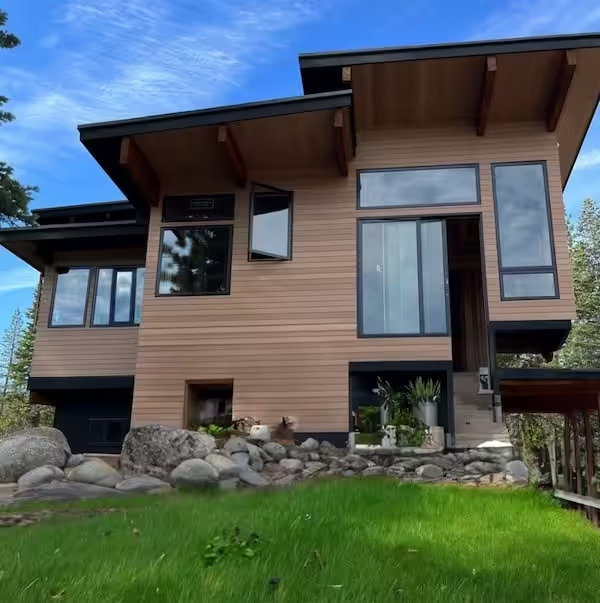
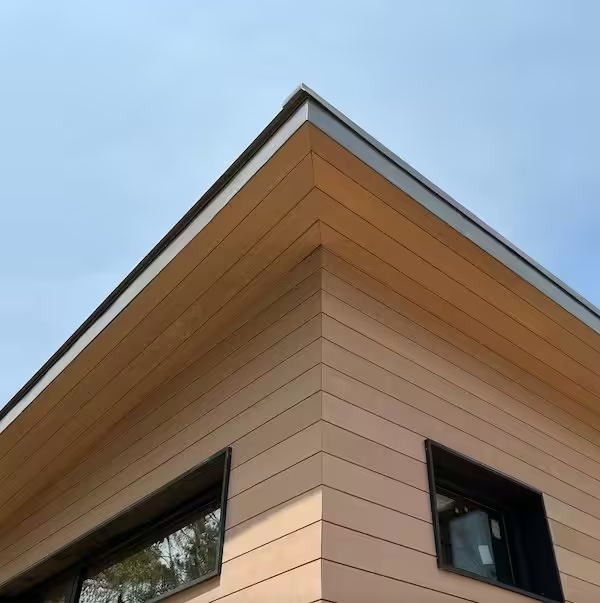
There are many sustainable materials available for different applications, but for the perfect blend of wood-like beauty, high performance, and environmentally responsible manufacturing, ACRE by Modern Mill stands out as a superior choice. ACRE is an innovative, tree-free alternative to wood, engineered for durability, versatility, and sustainability without compromise.
Made from upcycled rice hulls, a natural byproduct of agriculture, ACRE repurposes what would otherwise go to waste into a high-performance building material. Unlike traditional wood, which contributes to deforestation and requires frequent maintenance, ACRE provides the warmth and workability of wood while resisting water, weather, pests, and rot—making it ideal for both interior and exterior applications.
ACRE is manufactured in the USA using a zero-waste production process, ensuring that every scrap of the material is utilized, minimizing environmental impact. The production process avoids harmful ingredients, keeping spaces free from toxic chemicals and supporting better indoor air quality. Additionally, ACRE is fully recyclable, contributing to a circular economy where materials can be repurposed rather than discarded.
By choosing ACRE, builders, architects, and homeowners can achieve the look and feel of natural wood while embracing a sustainable solution that protects forests, reduces waste, and delivers long-lasting performance. It’s the ideal material for those who want to build responsibly without sacrificing beauty or durability.
Conclusion
Sustainable building materials are more than just an eco-friendly choice—they are a long-term investment in durability, efficiency, and healthier living spaces. By selecting materials that are responsibly sourced, manufactured with minimal waste, and built to last, homeowners and builders can reduce environmental impact while enhancing the quality and value of their projects.
ACRE by Modern Mill exemplifies this balance, offering the beauty and versatility of wood without the drawbacks of deforestation or high maintenance. As the demand for sustainable solutions continues to grow, choosing innovative materials like ACRE helps pave the way for a greener, more resilient future in construction and design.
Looking for high-performance sustainable materials for your project? Order ACRE samples today or contact Modern Mill using the form below to learn more about how ACRE can fit into your next build.
Ready to Experience the
Difference?
Ask for ACRE at your local lumber yard or order samples to see for yourself why builders are making the switch.