Why Builders Want Cedar Replacements
January 2026Cedar has long been a trusted exterior material. Its warmth, texture, and natural character help homes feel established and intentional from the curb. Builders know clients respond to it emotionally, and for years it has been the default choice when a project called for a wood-forward aesthetic.
But building conditions have changed.
Today’s projects are shaped by tighter schedules, labor shortages, more complex warranties, and homeowners who expect exteriors to look good with minimal upkeep. As a result, many builders are reevaluating whether cedar still aligns with how homes are built, delivered, and maintained.
That shift has led to growing interest in cedar replacements that preserve the look clients want while reducing friction during construction and ownership.
The Real Jobsite Challenges with Cedar
From a builder’s standpoint, cedar introduces variables that are increasingly difficult to control.
Common challenges include:
- On-site staining that depends heavily on temperature and humidity
- Dry times that slow siding progress and delay subsequent trades
- Maintenance issues that require frequent maintenance
- Higher likelihood of callbacks tied to fading, blotchiness, or uneven weathering
None of these issues alone disqualify cedar. The challenge is that they compound. When schedules are tight and crews are shared across multiple projects, one weather delay or finish issue can ripple through the entire build.
For builders managing risk and margins, materials that behave predictably from delivery through install are often the safer choice.
Why Faux Cedar Siding Is Gaining Traction
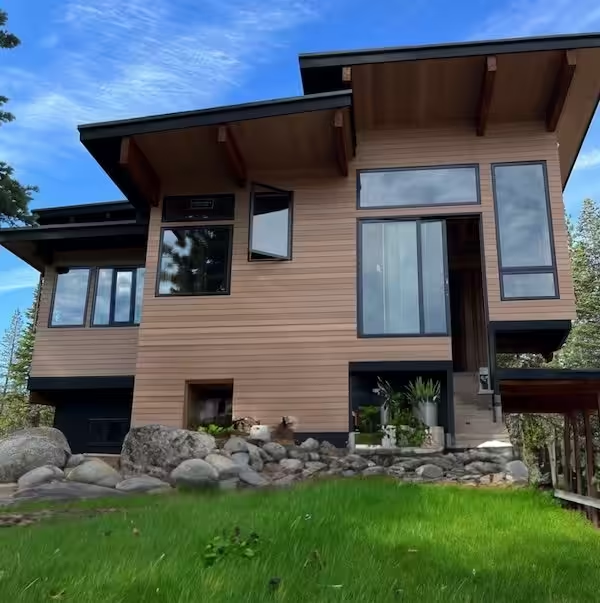
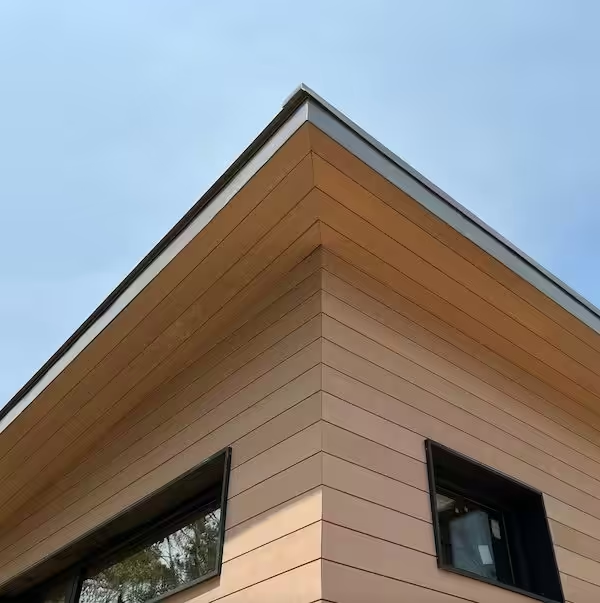
Modern faux cedar siding is designed to replicate cedar’s visual character without relying on organic wood. These products typically fall under categories such as faux wood siding or synthetic wood siding and are engineered for consistency.
What builders tend to notice first is uniformity. Boards arrive straight, stable, and dimensionally consistent. That translates into faster installation, cleaner details, and less waste on site.
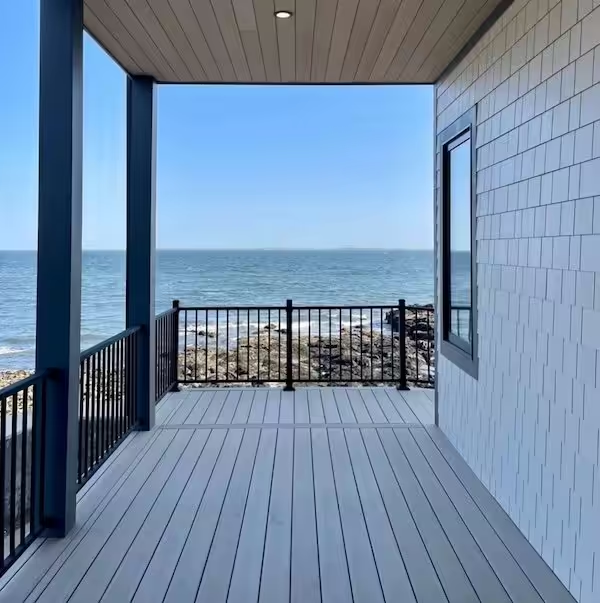
Over time, performance becomes the bigger differentiator. Faux cedar siding avoids many of the moisture, pest, and movement-related issues that affect real wood, especially on exposed elevations where weather takes the greatest toll.
Factory Finished Siding Changes the Schedule Equation
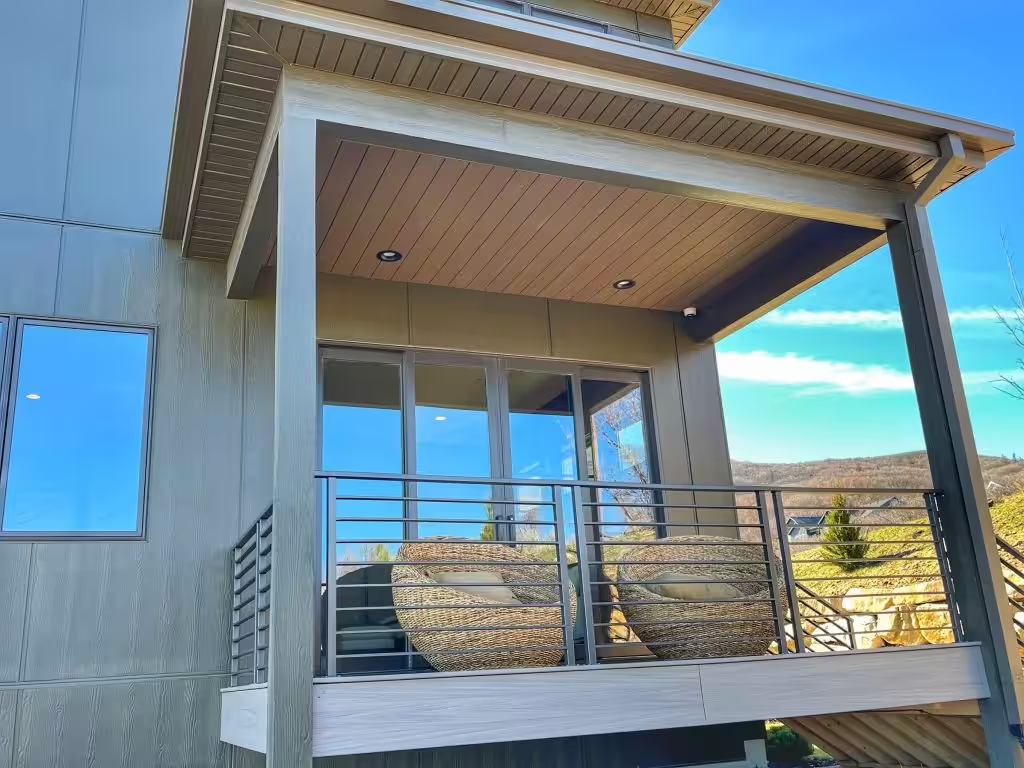
Time is one of the most valuable resources on a jobsite. Traditional cedar often requires on-site finishing, which introduces coordination challenges and weather dependencies. In contrast, factory finished siding arrives ready to install.
For builders, that means:
- No on-site staining or cleanup
- Fewer weather-related delays
- More predictable scheduling across trades
- Cleaner, more efficient jobsites
Factory finishing also improves finish consistency. Coatings are applied in controlled conditions, reducing variation across elevations and helping the completed exterior match design intent without additional touch-ups.
Performance That Reduces Callbacks and Warranty Exposure
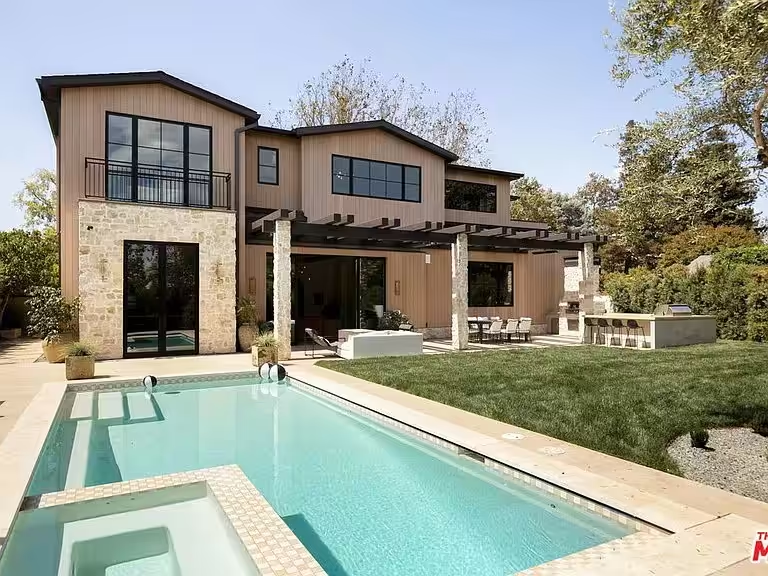
High-quality composite siding and synthetic wood siding are designed to perform where cedar often struggles.
Compared to real wood, these materials typically offer:
- Greater moisture resistance
- Reduced expansion and contraction
- Lower risk of rot or decay
- More stable long-term appearance
For builders, fewer material-related issues after install directly reduce callbacks, warranty claims, and post-close service work. That reliability protects margins and strengthens relationships with homeowners long after the build is complete.
Sustainability Is Also Part of the Conversation
Sustainability increasingly factors into material selection, especially for builders working with environmentally conscious clients.
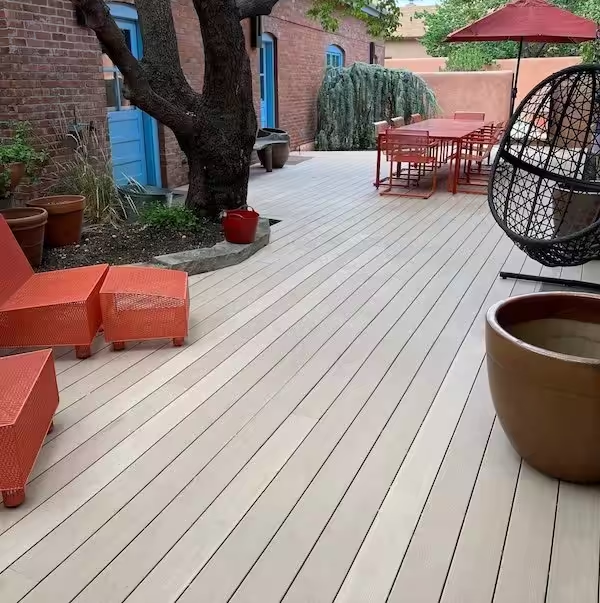
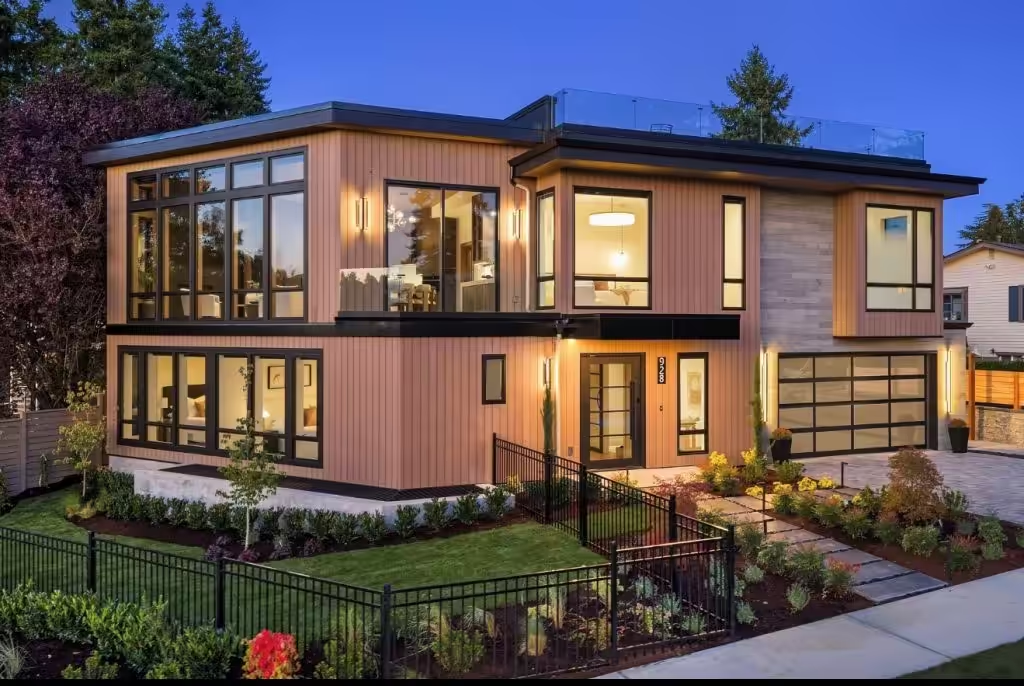
Many cedar replacements are made using alternative inputs, including agricultural byproducts, which reduces reliance on harvested lumber while extending product lifespan. ACRE by Modern Mill is a next generation composite made from upcycled rice hulls. These rice husks are a waste material and help deliver the warmth and beauty of cedar without the maintenance headaches.
For builders, this creates an opportunity to offer a wood-inspired exterior that aligns with long-term environmental goals without introducing additional maintenance obligations.
Conclusion
Builders don’t want to abandon cedar’s look. They want to improve the process around it.
That’s why cedar replacements continue to gain momentum. Today’s faux cedar siding delivers the warmth clients expect with better predictability, faster installs, and lower long-term risk.
For builders focused on schedule control, finish consistency, and fewer headaches after turnover, cedar replacements aren’t a compromise. They’re a more practical way to build for modern expectations.
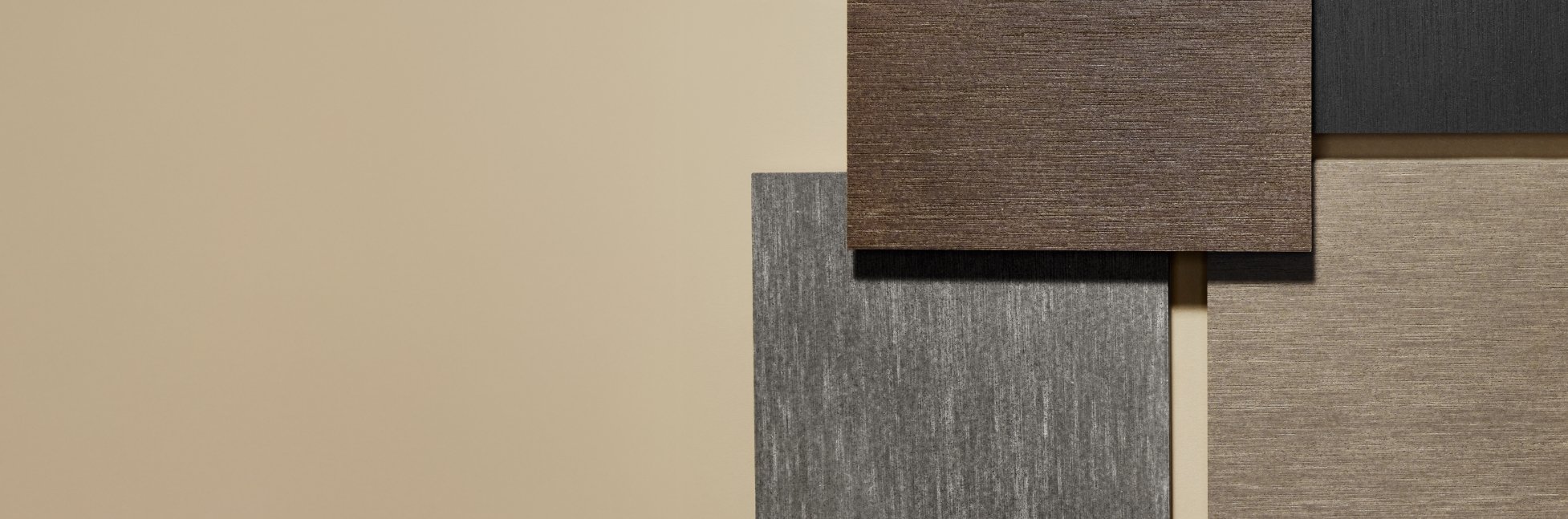
Ready to explore cedar replacement options? Order ACRE samples today to see and feel the difference yourself
Ready to Experience the
Difference?
Ask for ACRE at your local lumber yard or order samples to see for yourself why builders are making the switch.