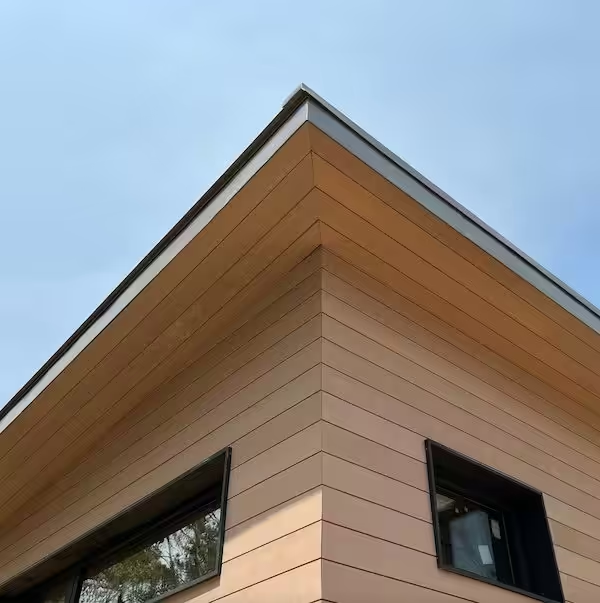
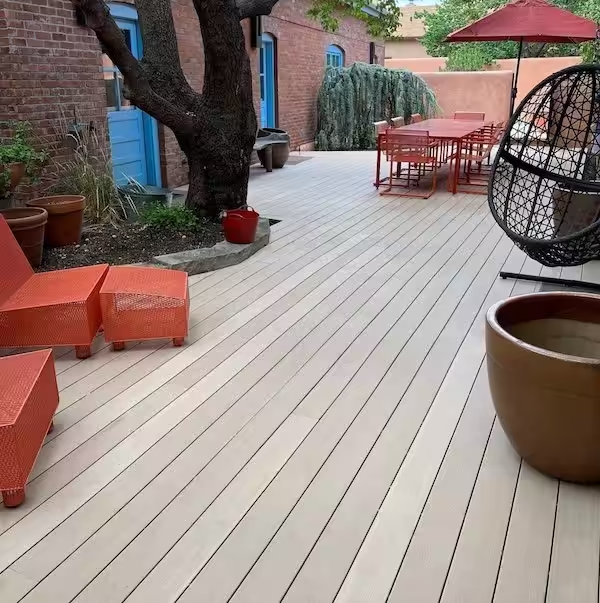
High-Performance Materials for Extreme Weather
April 2025Extreme weather is an increasing challenge for homeowners and builders alike. From hurricanes and heavy rainfall to intense heat waves and freezing winters, structures must be built to withstand the elements while maintaining durability, energy efficiency, and long-term performance. Traditional materials often struggle under these conditions, leading to costly repairs, structural damage, and energy inefficiency. Our guide to spring home refresh upgrades covers how to break that annual repair cycle.
High-performance materials offer a solution by combining strength, resilience, and modern technology to enhance a building’s ability to endure harsh climates. Choosing the right weather-resistant materials not only protects homes but also reduces maintenance, improves sustainability, and extends the lifespan of structures. This guide explores advanced materials designed to safeguard homes against extreme weather while incorporating innovative solutions for greater durability, efficiency, and environmental responsibility.
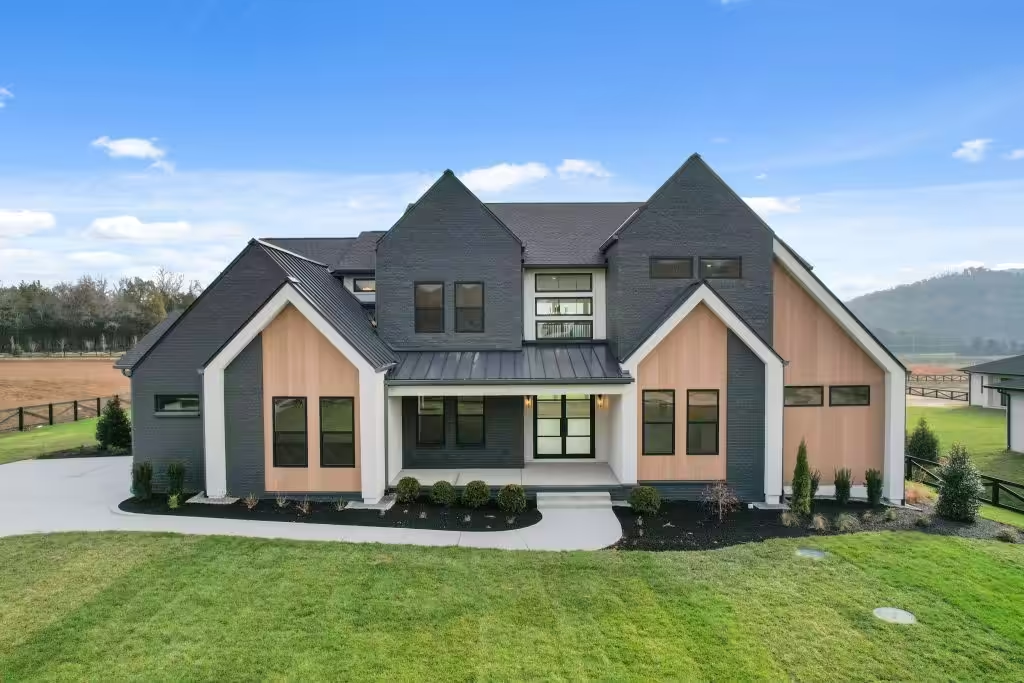
Challenges Posed by Extreme Weather
High Winds and Hurricanes
Strong winds from hurricanes and tornadoes can tear off siding, while flying debris can cause significant exterior damage. Homes in storm-prone areas face constant exposure to these forces, leading to frequent repairs and maintenance.
Heavy Rain and Flooding
Excess moisture can seep into buildings, leading to wood rot, mold growth, and long-term water damage. In consistently humid or flood-prone regions, materials like wood that absorb water can deteriorate quickly, increasing repair costs and reducing longevity.
Extreme Heat and Sun Exposure
Prolonged exposure to intense sunlight and UV rays can cause materials to warp, crack, and fade. Some surfaces can also become uncomfortably hot, making outdoor spaces less usable in warm climates. Heat-related expansion and contraction can further contribute to wear over time.
Freezing Temperatures and Snow Loads
Cold climates bring challenges like freeze-thaw cycles, which can cause materials to expand and contract, leading to cracking and long-term deterioration. Accumulated snow and ice can put additional stress on exterior surfaces, increasing the risk of damage over time.
As climate patterns continue to shift, the need for materials that can endure these diverse and intensifying conditions is more critical than ever.
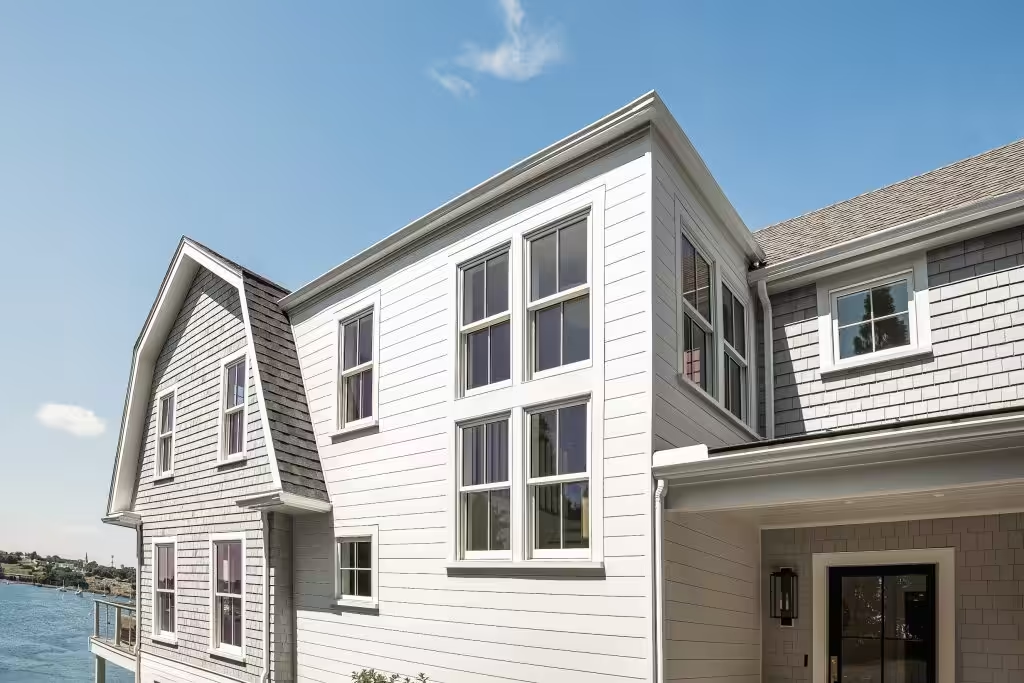
Best High-Performance Materials for Extreme Weather
Selecting the right materials is essential for building resilience against extreme weather. High-performance composites offer a combination of durability, moisture resistance, and long-term stability, making them a strong choice for harsh climates. Unlike traditional materials, composites are engineered to resist rotting and degradation from prolonged exposure to the elements. Their ability to withstand moisture, temperature fluctuations, and UV exposure makes them a reliable option for a wide range of environmental conditions.
Impact Resistance for Strong Winds and Hurricanes
In areas prone to hurricanes and strong winds, materials need to stand up to powerful gusts and flying debris. Composites that are tested to withstand wind load testing resist impact are able to provide protection against damage caused by windborne debris, which can tear off or crack less durable materials. These impact-resistant properties ensure that homes remain intact, even during severe weather events.
Water Resistance for Flood-Prone and Humid Areas
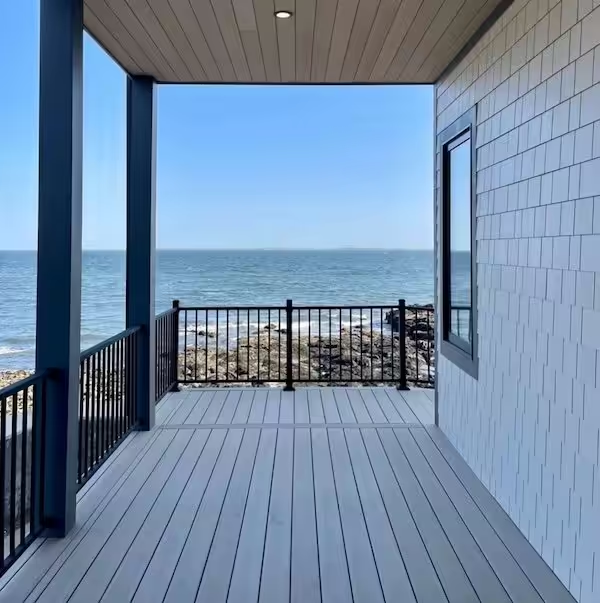
For regions that face heavy rainfall and flooding, moisture resistance is a critical factor. Composites are resistant to absorbing water, preventing issues like mold and rotting, which are common with traditional materials like wood. This makes them an ideal choice for homes in flood-prone or humid environments, offering long-lasting protection without the frequent maintenance associated with wood.
Heat and UV Resistance for Hot Climates
In areas with extreme heat, prolonged exposure to the sun can cause materials to fade, warp, or crack. Composites are engineered to resist UV damage, maintaining their appearance and structural integrity over time. Their ability to reflect heat with approved coatings also contributes to better energy efficiency, keeping homes cooler and reducing reliance on air conditioning. Browse our resources library for installation and finishing guidance.
Cold Resistance for Freezing Temperatures
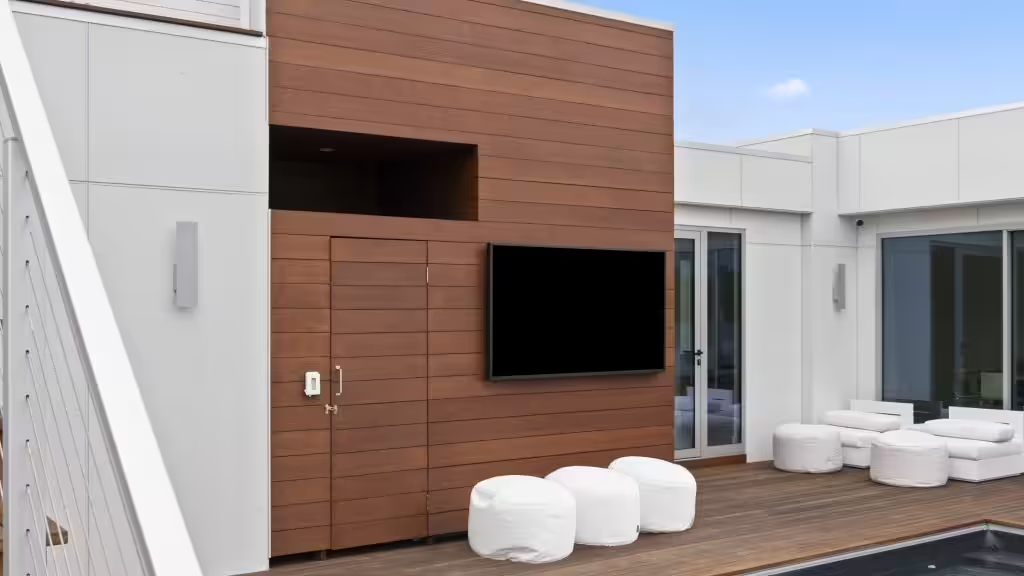
Cold climates bring freeze-thaw cycles that can cause traditional materials to crack and degrade. Composites are less susceptible to freeze-thaw damage, maintaining their performance in freezing temperatures. Their resistance to moisture absorption ensures that they remain intact, even in the harshest winter conditions, helping to reduce energy loss and maintain a home’s comfort. See our spring home checklist for what to inspect once the thaw sets in.
As climate patterns continue to shift, the need for materials that can endure these diverse and intensifying conditions is more critical than ever.
The Ultimate High-Performance Material: ACRE™
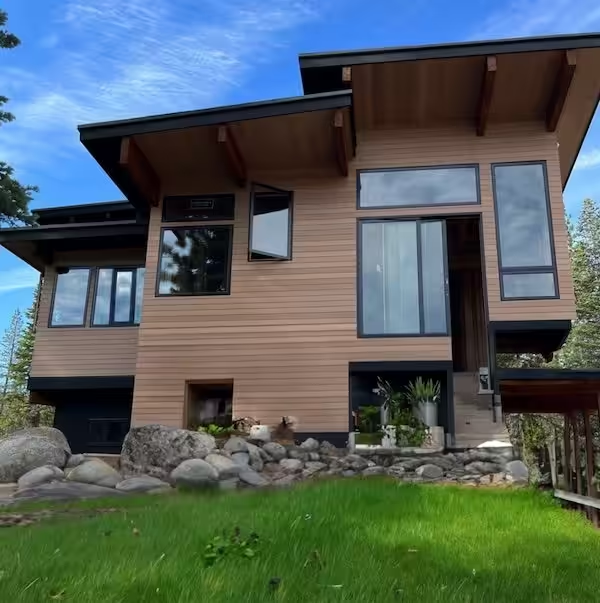
When it comes to weather resistance, durability, and sustainability, ACRE by Modern Mill stands out as a top choice. Engineered from upcycled rice hulls, ACRE is a high-performance composite designed to endure extreme weather conditions without compromising on aesthetics or workability. Unlike traditional materials that are vulnerable to moisture, heat, or cold, ACRE is uniquely resistant to the elements, making it an ideal solution for a wide range of climates.
ACRE’s water-resistant properties prevent swelling, rotting, and warping, even in flood-prone or high-humidity environments. Explore the weather-resistant siding profile built for these conditions. This makes it a long-lasting alternative to wood, which absorbs moisture and deteriorates over time. In hot climates, ACRE resists UV damage and fading, maintaining its natural wood-like appearance without the need for frequent staining or sealing. Its thermal stability also ensures that it won’t expand or contract excessively due to temperature fluctuations, preserving its integrity in both extreme heat and freezing conditions.
Beyond its weather-resistant qualities, ACRE is a sustainable choice for builders and homeowners looking to reduce environmental impact. It is 100% tree-free, made from rapidly renewable materials, and fully recyclable, offering a responsible alternative to traditional building materials. Whether facing heavy storms, intense sunlight, or freezing temperatures, ACRE provides the resilience, low maintenance, and long-term performance needed to withstand nature’s toughest challenges.
Conclusion
As extreme weather events become more frequent and severe, choosing the right building materials is more important than ever. High-performance composites offer superior durability, moisture resistance, and thermal stability, ensuring that homes remain protected in any climate. Among these materials, ACRE by Modern Mill stands out as a premier choice, delivering the look and workability of wood with unmatched weather resistance and sustainability.
By opting for resilient materials like ACRE, homeowners and builders can create structures that not only endure the elements but also contribute to a more sustainable future. See real-world project examples. With innovation driving the future of construction, materials that combine performance and environmental responsibility will play a crucial role in shaping resilient, long-lasting homes.
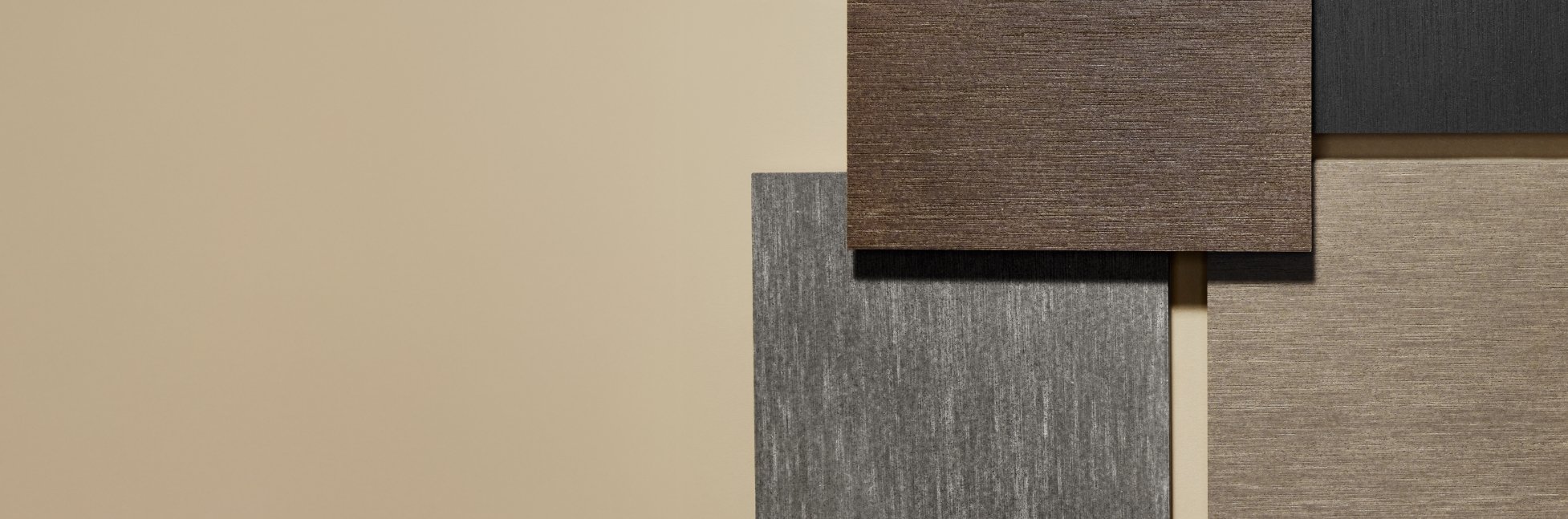
Looking for durable building materials to enhance weather resistance? Order ACRE samples or contact the Modern Mill team below to explore how ACRE can make your project more resilient.
Ready to Experience the
Difference?
Ask for ACRE at your local lumber yard or order samples to see for yourself why builders are making the switch.