How Sustainable Building Materials Are Changing Construction
November 2025Transforming the Future of Building
Sustainable building materials are transforming how projects are designed, specified, and built. Homeowners, builders, and architects are increasingly seeking resources that protect forests, reduce waste, and support long-term environmental responsibility.
This shift is no longer a niche trend—it’s reshaping expectations across residential, commercial, and multifamily construction.
Sustainable construction materials today are often evaluated by how well they:
- help preserve natural resources
- support zero-waste or low-waste manufacturing practices
- reduce ongoing maintenance needs
- avoid chemicals linked to indoor air-quality concerns
- maintain aesthetic value throughout the life of a building
Reducing Dependence on Forest Resources
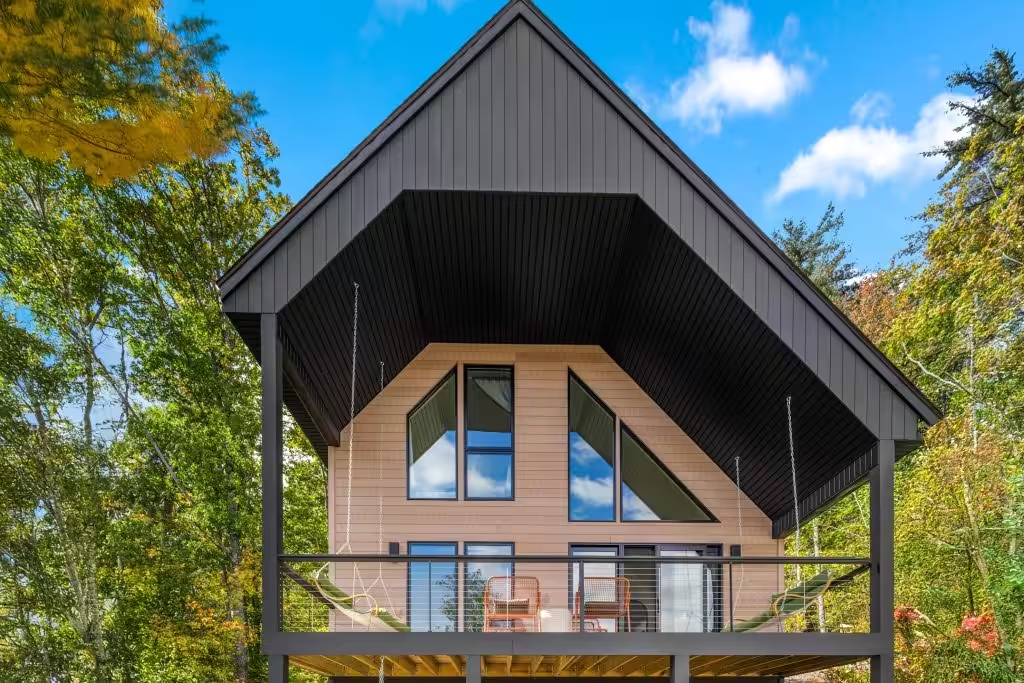
Traditional cedar siding and faux cedar siding have long been favored for their warmth, grain, and natural beauty. However, large-scale harvesting has increased environmental impact and long-term ecological loss—making cedar harder to source.
Sustainable materials offer wood-like aesthetics without cutting trees, preserving forest resources while maintaining design intent.
Repurposing Waste and Agricultural Byproducts
An increasing number of sustainable materials are created from waste streams that would otherwise be discarded. Agricultural fibers, recycled content, and reclaimed ingredients are now being used to produce exterior products like composite siding and synthetic wood siding.
This movement supports circularity and opens new opportunities for innovation. Rice hull siding, for example, transforms one of the world’s most abundant crop byproducts into a high-performance building material.
Fewer Maintenance Needs and Material Replacements
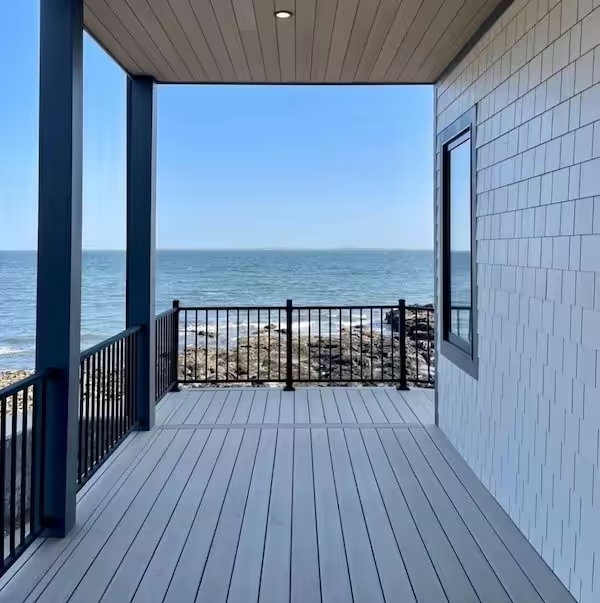
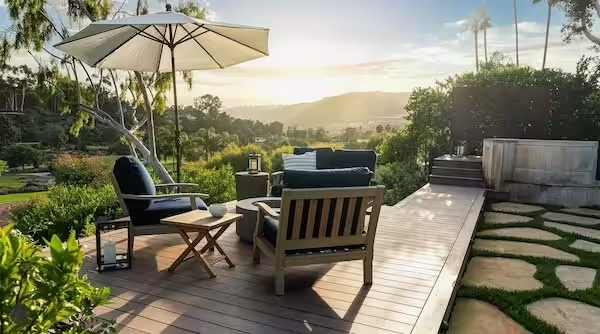
Sustainable building materials help reduce long-term upkeep on exterior surfaces such as siding, decking, and trim. Wood often requires frequent sanding, sealing, and refinishing to manage weathering, pests, and rot.
Next-generation alternatives are engineered to resist deterioration and perform consistently through seasonal changes. The result is less waste from replacement and less resource consumption over time.
Advancing Indoor Environmental Quality
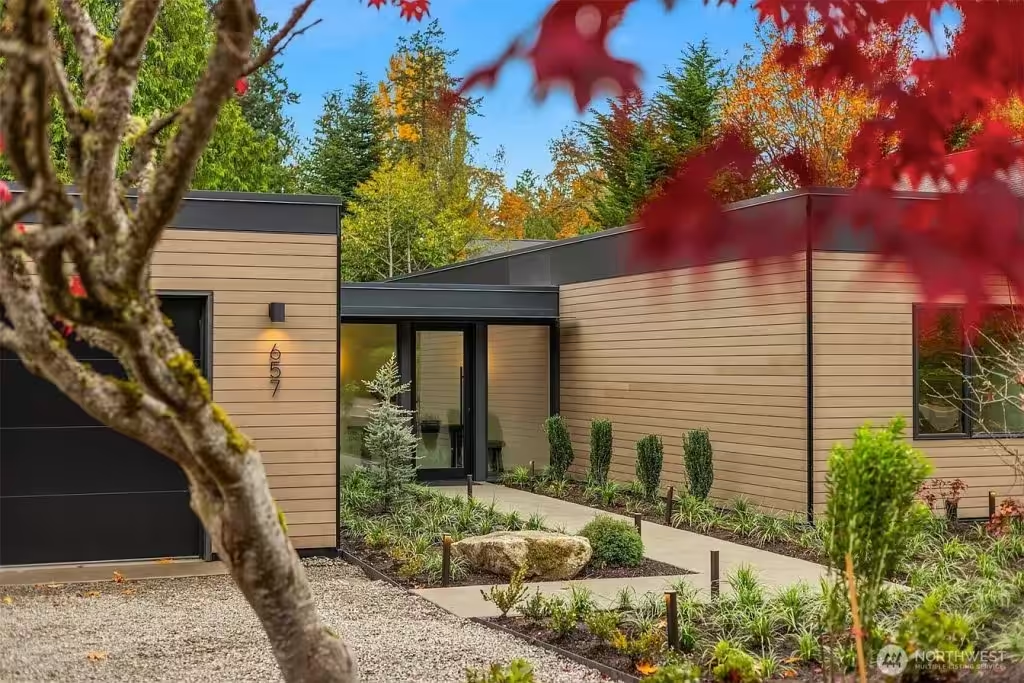
Healthy building choices are becoming a top priority for designers and occupants alike. Many sustainable materials are now formulated without phenol, formaldehyde, added adhesives, or forever chemicals—supporting cleaner indoor air and reducing exposure to compounds that can off-gas or affect wellness.
Selecting cleaner materials extends the benefits of sustainability beyond environmental impact and into daily life.
Delivering Design Flexibility Without Sacrifice
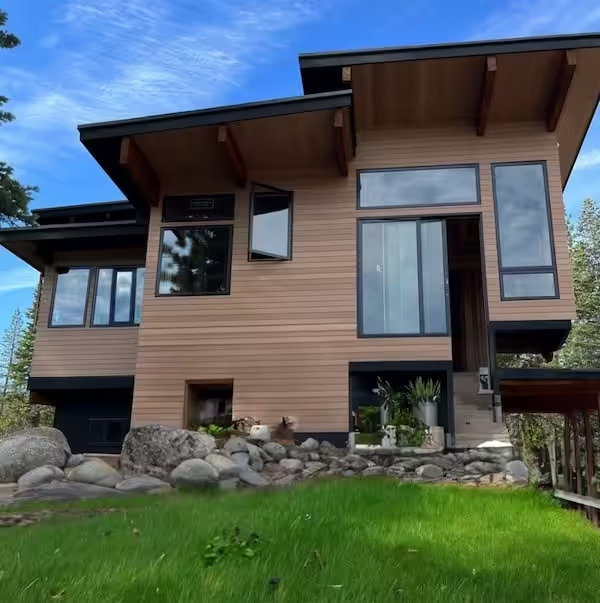
A major advancement in sustainable materials is the ability to achieve wood-like beauty without compromising performance. Many modern products replicate the texture and warmth of natural wood while offering stainable or paintable surfaces.
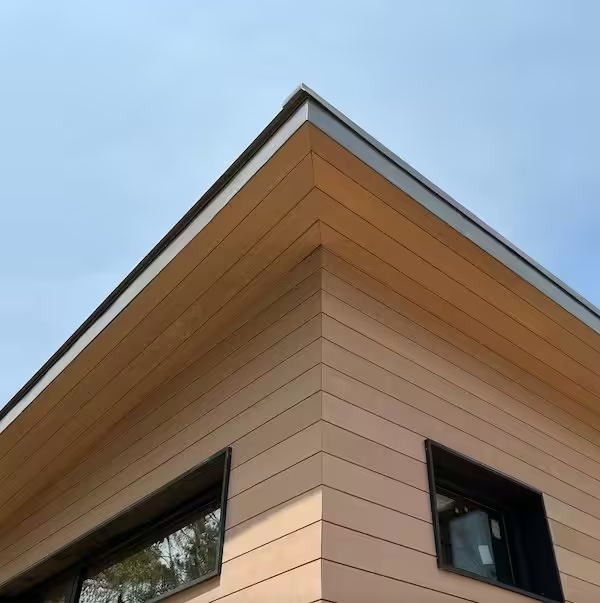
These innovations allow professionals to specify durable materials—such as composite siding or synthetic wood siding—in profiles like shiplap, nickel gap, V-groove, edge-and-center bead, or board-and-batten. The result: timeless design with a reduced material footprint.
ACRE™: A Sustainable Material Leading the Change
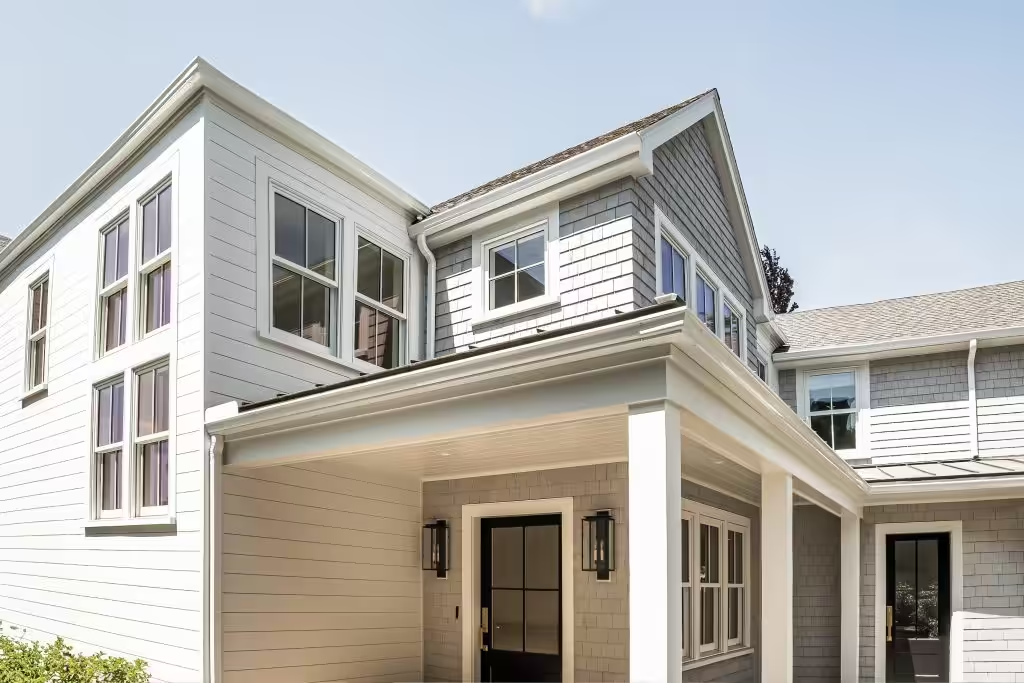
ACRE by Modern Mill exemplifies how far sustainable materials have come. Made from upcycled rice hulls in a zero-waste facility in Mississippi, ACRE is completely tree-free and designed for longevity. It contains no phenol, formaldehyde, added adhesives, or forever chemicals—supporting healthier building environments and safer material choices.
Key advantages include:
- Tree-free material made from upcycled rice hulls
- Zero-waste manufacturing in Mississippi
- No phenol, formaldehyde, added adhesives, or forever chemicals
- Paintable and stainable for complete design flexibility
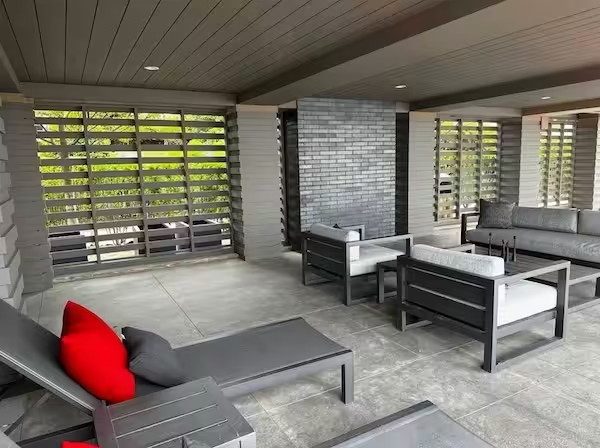
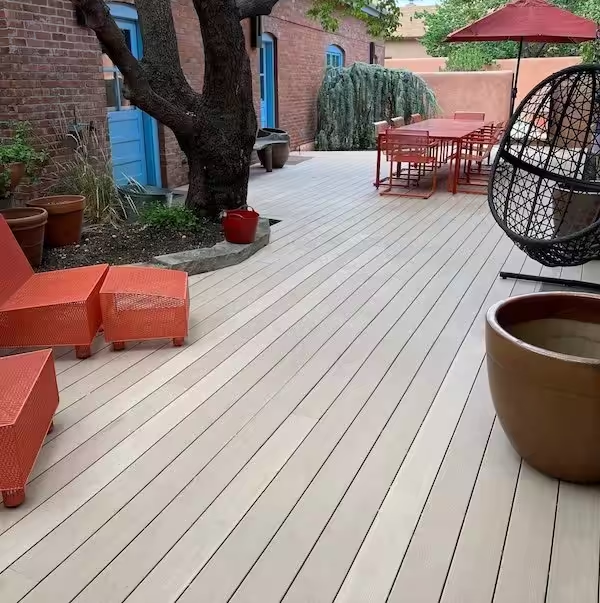
- Available in multiple profiles, including shiplap siding, decking, trim boards, porch boards, and sheets
This combination of durability, flexibility, authentic wood-like beauty, and environmental responsibility is redefining what sustainable materials can achieve in modern construction.
Building a Better Future
Sustainable building materials are changing construction by redefining how projects are designed, specified, and valued. From preserving natural resources to reducing maintenance and improving material health, they’re proving that responsible building can align with both performance and aesthetics.
ACRE represents the next generation of sustainable material innovation—supporting zero-waste manufacturing, delivering long-lasting performance, and offering the natural warmth and beauty that homeowners, builders, and architects love.
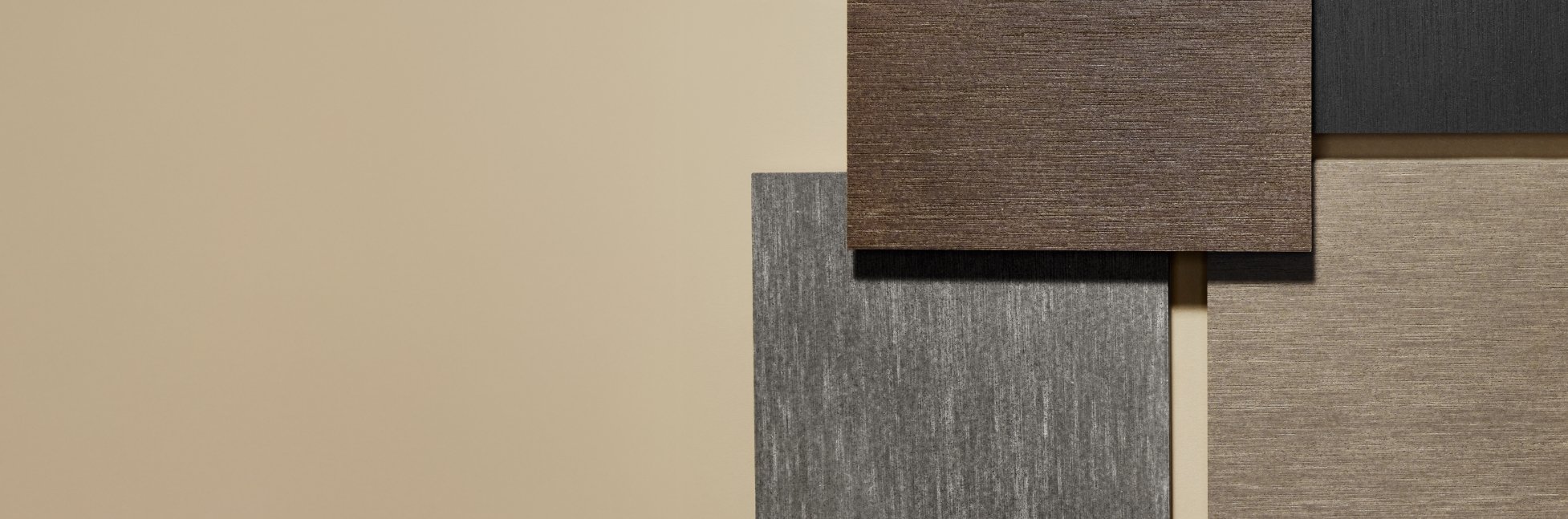
Ready to see how ACRE transforms your next project? Order Samples today and experience the difference for yourself.
Ready to Experience the
Difference?
Ask for ACRE at your local lumber yard or order samples to see for yourself why builders are making the switch.