ACRE Siding vs Cedar Siding
June 2025Cedar siding has long been a favorite for its natural beauty, rich color, and timeless appeal. It’s a classic choice for residential and commercial projects seeking a warm, organic look—especially in applications like shiplap wood siding, where texture and grain take center stage. But in today’s building landscape, where durability, sustainability, and low maintenance matter just as much as aesthetics, innovative alternatives are stepping in to challenge traditional wood.
One of the most promising is ACRE by Modern Mill—a sustainable material made from upcycled rice hulls that mirrors the look and workability of real wood, without many of the downsides that come with natural timber, part of why ACRE composite keeps showing up on more spec sheets. In this blog, we’ll compare ACRE and cedar siding across key categories to help you determine which option best fits your project’s needs.
Beauty That Lasts
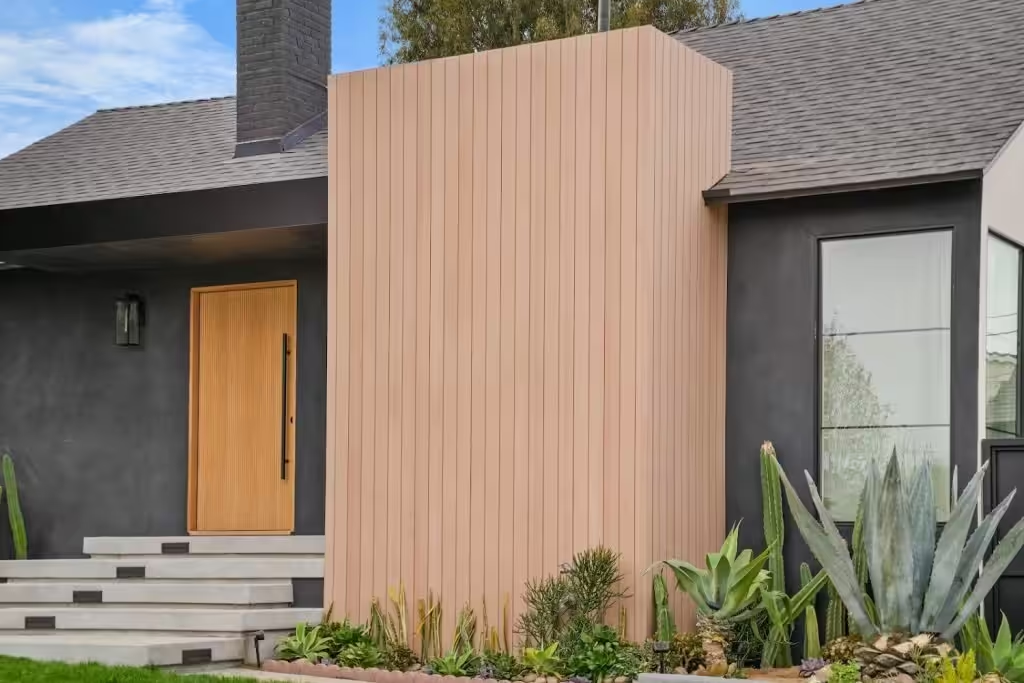
Cedar is prized for its natural grain and warm, organic tone, but its beauty comes with tradeoffs. As an untreated wood, cedar is highly susceptible to weathering, which often leads to fading, cracking, rotting, and splintering over time. To maintain its original color and appearance, cedar siding typically requires re-staining every few years—an ongoing investment in both time and upkeep.
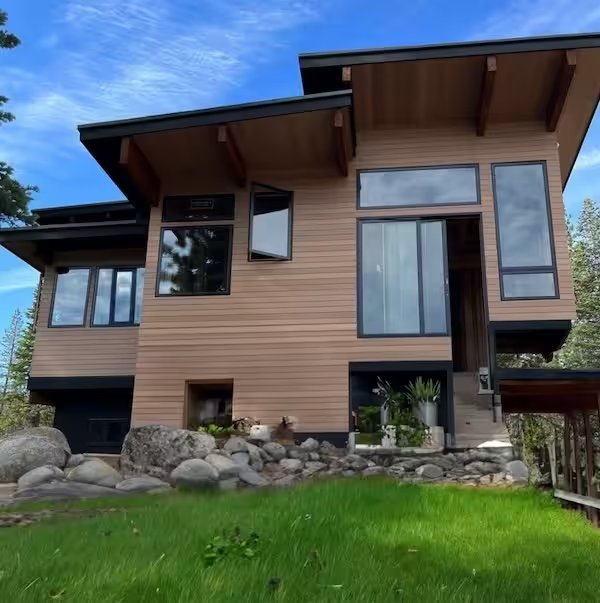
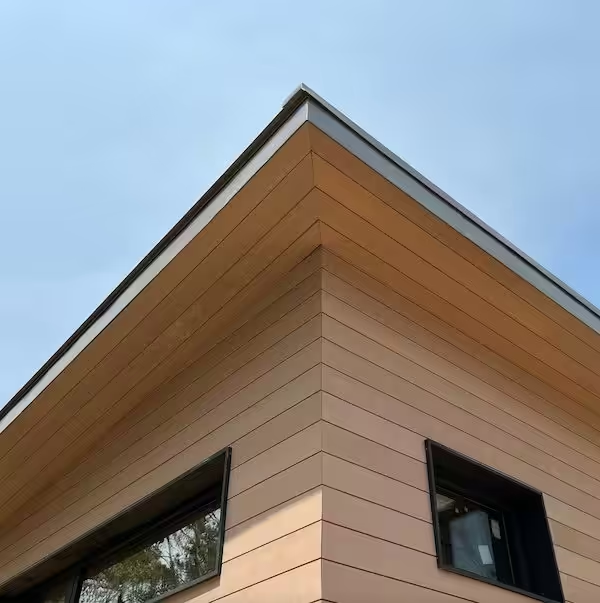
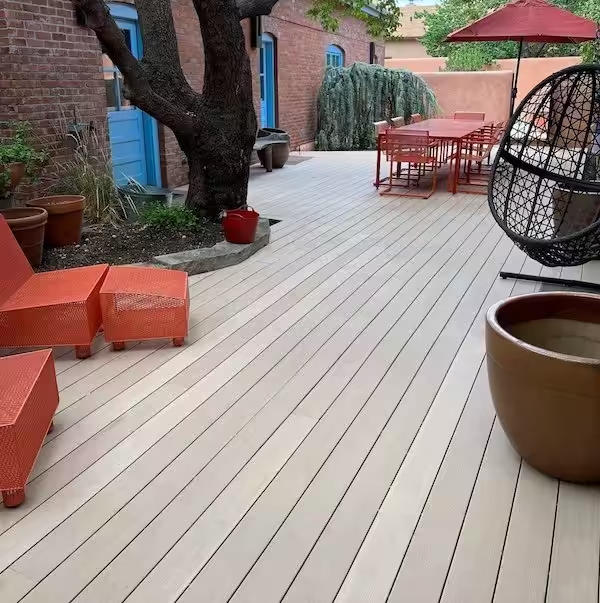
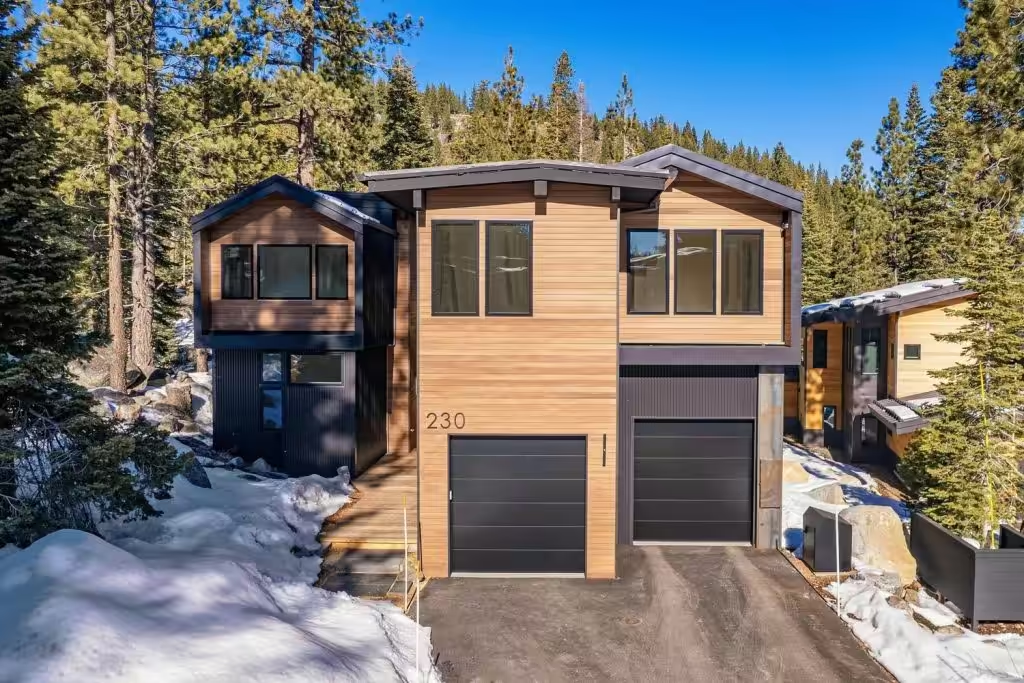
ACRE siding is engineered to capture the warm aesthetic of natural wood without the imperfections that come with real timber. Unlike cedar, ACRE has no sap lines, knots, or tannins, which means it accepts stain and paint more evenly and holds color longer. It won’t fade, splinter, or degrade, offering homeowners a consistent, long-lasting finish with minimal maintenance.
If you’re drawn to the look of wood but want something more reliable and durable, ACRE delivers the same beauty as cedar with far less hassle.
Durability and Weather Resistance
Cedar performs well in many environments, but as a natural wood, it’s inherently vulnerable to the elements. Without proper sealing and routine care, cedar can absorb moisture and is prone to rot, mold, insect damage, and surface cracking. These risks are especially common in humid, coastal, or freeze-thaw climates, where expansion and contraction often lead to warping or splitting over time.
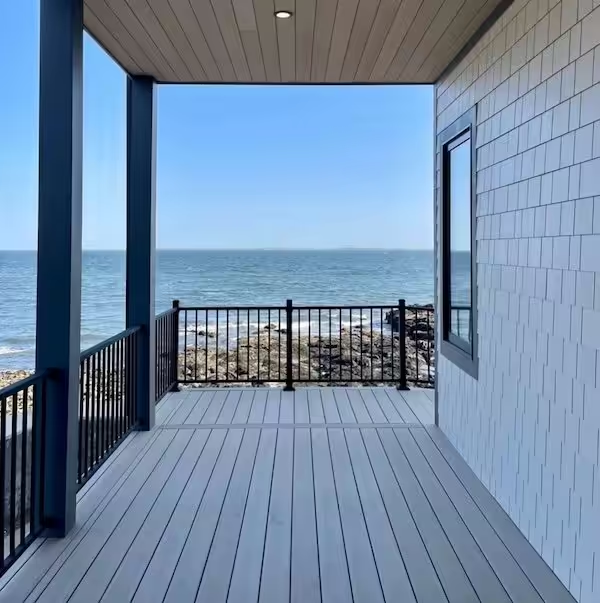
ACRE offers the same visual appeal as cedar with the long-term durability of a composite. Made from upcycled rice hulls and engineered for outdoor resilience, ACRE won’t rot, swell, splinter, or deteriorate over time. It resists moisture, pests, and extreme temperatures—without chemical treatments or intensive upkeep. From dry desert heat to coastal humidity and harsh winters, ACRE delivers dependable performance year after year. For how it stacks up against another engineered wood alternative, see our comparison of ACRE versus thermally modified wood.
Workability on the Jobsite
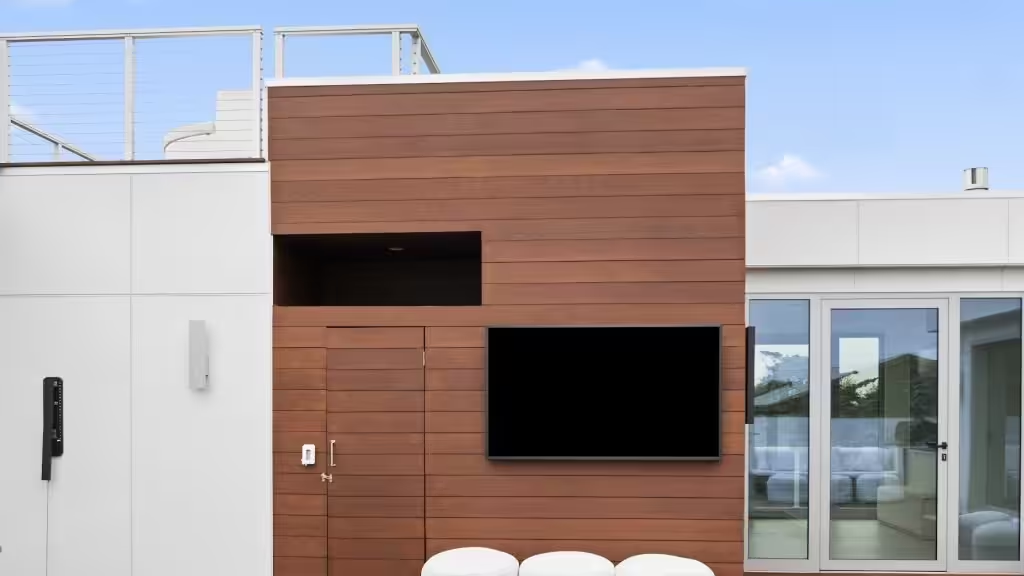
Cedar is valued for being lightweight and easy to cut, but working with natural wood still has its challenges. Knots and sap lines can cause boards to split, burn out, or produce uneven results—especially when cutting or screwing into the material. These inconsistencies often require extra prep, create more waste, and slow down installation.
ACRE delivers the same familiar workability as wood, but with greater reliability and precision. Made from upcycled rice hulls, ACRE contains no knots or tannins, so it cuts cleanly, routes smoothly, and won’t chip, splinter, or produce harmful dust. It handles nails and screws without splitting and requires no special tools. See the rice-hull composite profile directly for full specs.
Environmental Impact.
Each year, the world loses around 10 million hectares of forest—an area roughly the size of Iceland. This ongoing deforestation threatens ecosystems, reduces biodiversity, and is overall harmful to the environment. Continuing to rely heavily on wood for building materials like siding, trim, and decking simply isn’t sustainable.
Innovative alternatives have emerged that allow us to move beyond traditional timber without sacrificing style or performance. ACRE by Modern Mill is one such solution. Made in the USA from upcycled rice hulls—a renewable agricultural byproduct that would otherwise go to waste—ACRE diverts materials from landfills while eliminating the need to cut down trees. Manufactured in a zero-waste facility, ACRE supports sustainable building practices and helps reduce the environmental footprint of construction projects. Additionally, ACRE can contribute to LEED certification credits, making it a smart choice for green building goals.
For builders and homeowners prioritizing eco-conscious choices, ACRE offers a compelling path forward that aligns beauty with responsibility.
Cost Savings
While cedar siding often has a lower upfront price, its ongoing maintenance costs can quickly add up. Regular staining, sealing, and repairs to address cracking or rot require time, effort, and materials, impacting both budgets and schedules. Additionally, untreated damage can lead to more costly replacements down the line.
ACRE and other composites may have a higher initial cost compared to cedar, but its durability and low maintenance requirements translate into significant savings over time. Because ACRE resists warping, fading, and deterioration without needing chemical treatments or frequent refinishing, homeowners and builders can avoid recurring expenses and labor. This makes ACRE a smart investment for those looking to balance long-term value with sustainable performance. If a noncombustible option is on your shortlist too, see our comparison of ACRE siding versus fiber cement.
Conclusion
When comparing ACRE siding vs cedar siding, the decision comes down to priorities. Cedar offers natural charm with traditional appeal—but demands high maintenance and doesn’t always perform well in wet or extreme climates.
ACRE delivers the same warm look, greater durability, and a fraction of the maintenance. It’s a wood alternative designed for today’s builder, homeowner, and architect—one that blends beauty with sustainability and long-term performance.
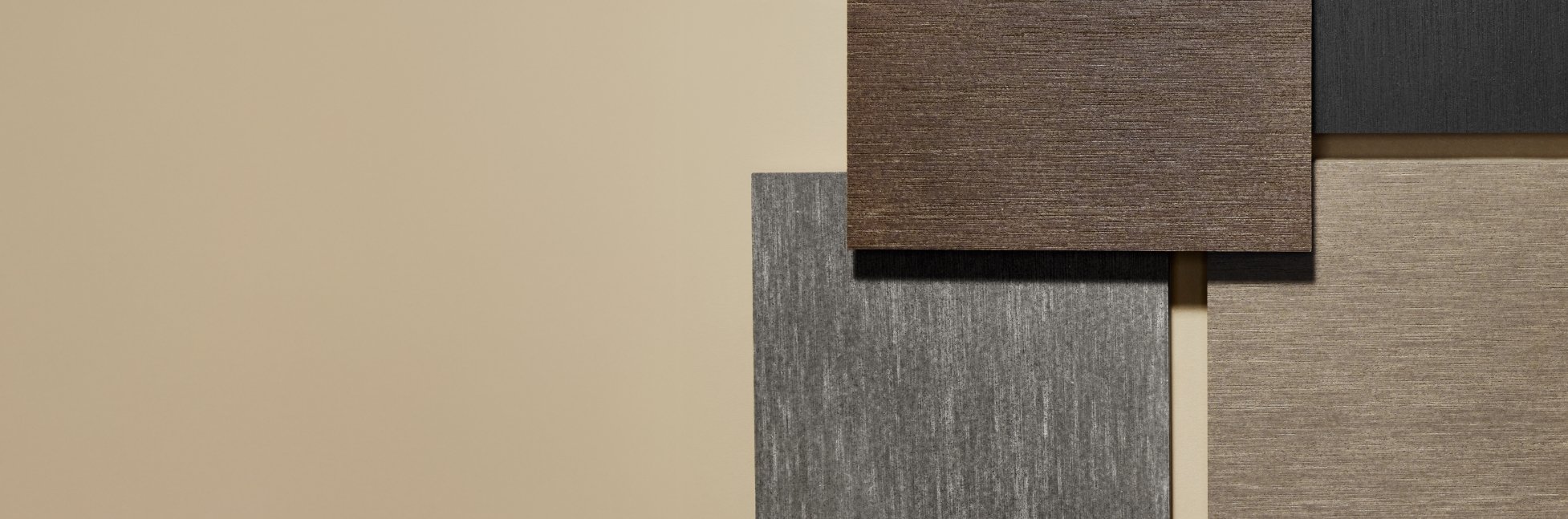
Want to see the difference firsthand? Order ACRE samples or connect with us in the contact form below to learn more about using ACRE for your next project.
Ready to Experience the
Difference?
Ask for ACRE at your local lumber yard or order samples to see for yourself why builders are making the switch.