ACRE vs Thermally Modified Wood
June 2025As builders, architects, and homeowners look beyond traditional lumber, the search for innovative materials that balance beauty, durability, and sustainability continues to grow. Among the many alternatives on the market, two options often spark interest: ACRE by Modern Mill and thermally modified wood, part of why ACRE siding keeps showing up on more spec sheets.
Both are engineered to outperform untreated wood and reduce long-term maintenance, but they differ in how they’re made, their performance, and how they align with evolving sustainability goals. In this guide, we’ll explore how thermally modified wood compares to ACRE across key performance categories to help you evaluate which material fits your next project.
What Is Thermally Modified Wood?
Thermally modified wood is natural wood that has been treated with heat in a low-oxygen environment to improve its durability. The thermal modification process removes sugars and resins from the wood, enhancing its resistance to moisture, pests, and decay—extending its useful life compared to untreated lumber.
This treatment also changes the wood’s internal structure, which can result in reduced flexibility. In some cases, thermally modified boards may be more prone to splitting or surface checking, especially during installation or in regions with wide temperature fluctuations. While it performs well in many exterior applications, careful handling and project-specific planning are key to long-term success.
How ACRE Compares to Thermally Modified Wood
ACRE is a wood alternative made from upcycled rice hulls, a naturally water-resistant byproduct of food production. ACRE delivers the natural warmth and beauty of wood without the common challenges experienced with wood. For how it stacks up against a heavier, noncombustible option, see our comparison of ACRE versus fiber cement. Here’s how ACRE compares to thermally modified wood across key performance categories:
Durability and Moisture Resistance
- Thermally modified wood offers improved moisture resistance over untreated lumber but can still absorb water over time, especially if the finish wears away.
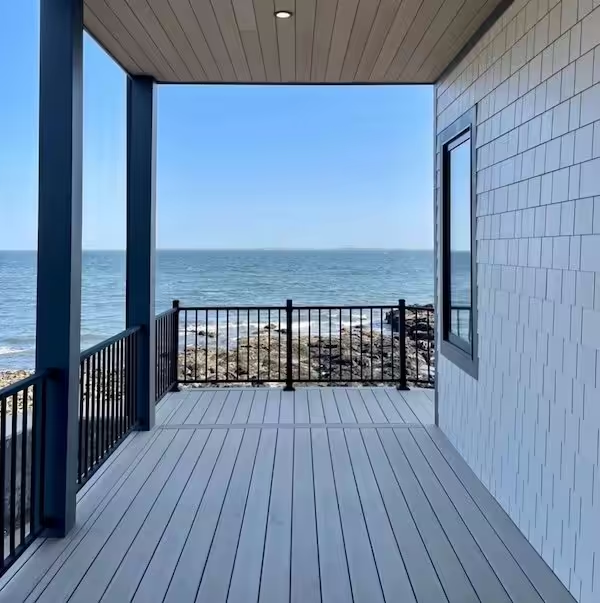
- ACRE is inherently resistant to moisture and will not rot or swell— a great fit for projects in humid or coastal environments. Its long-term performance makes it ideal for siding, trim, porch boards, and fencing.
Workability
- Thermally modified wood is generally easier to cut than untreated wood since the modification process makes the material more lightweight but it also has increased brittleness.
- ACRE is extremely simple to work with using standard tools. It cuts, drills, sands, and shapes easily. The material gives off no harmful dust and can even be thermoformed for curved or custom applications.
Coatings and Finishes
- Like all wood, even thermally modified wood is susceptible to UV degradation and graying overtime. The product may require frequent sealing and staining to preserve its appearance and performance outdoors.
- ACRE accepts manufacturer approved paint and stain finishes without primer and requires little to no maintenance after installation.
Environmental Sustainability
- Thermally modified wood eliminates the need for using chemical preservatives but still relies on harvesting trees.
- ACRE is made from upcycled rice hulls, a rapidly renewable agricultural resource, and is produced in a zero-waste facility in Mississippi. It offers a tree-free building solution that’s free of VOCs, phenol, formaldehyde and more.
Applications and Use Cases
ACRE and thermally modified wood are both durable, weather-resistant materials suited for a variety of exterior and interior projects. Here are some common applications for each:
Siding
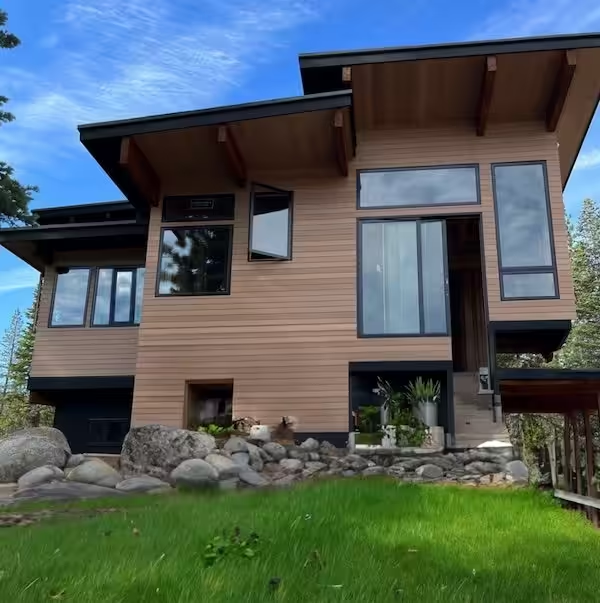
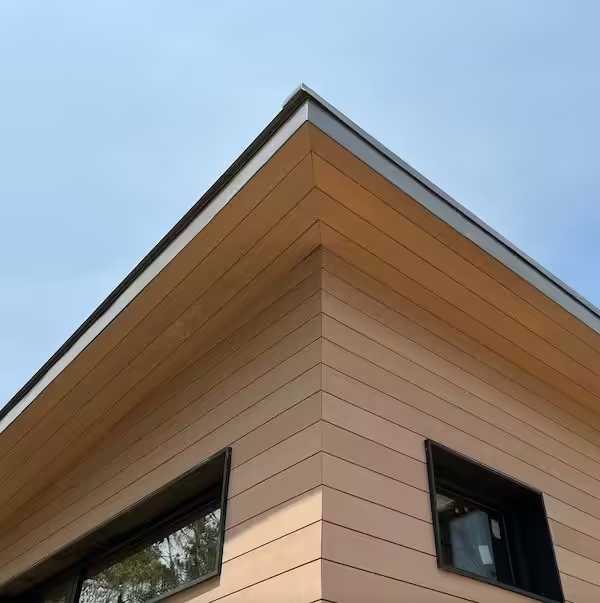
Our full ACRE composite line is available in multiple profiles, including shiplap, V-groove, nickel gap, and board-and-batten, offering flexibility to match diverse architectural styles. For full technical specs, see our resources library.
Trim
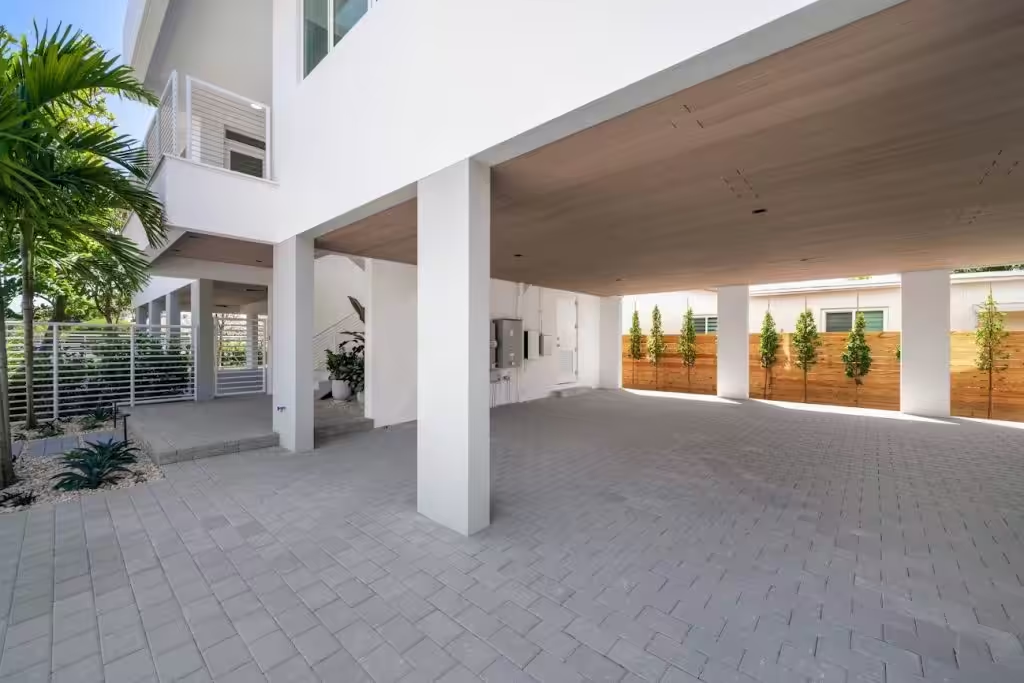
ACRE trim maintains its shape without shrinking, splitting, or warping, even in moisture-prone areas like around windows and doors.
Decking
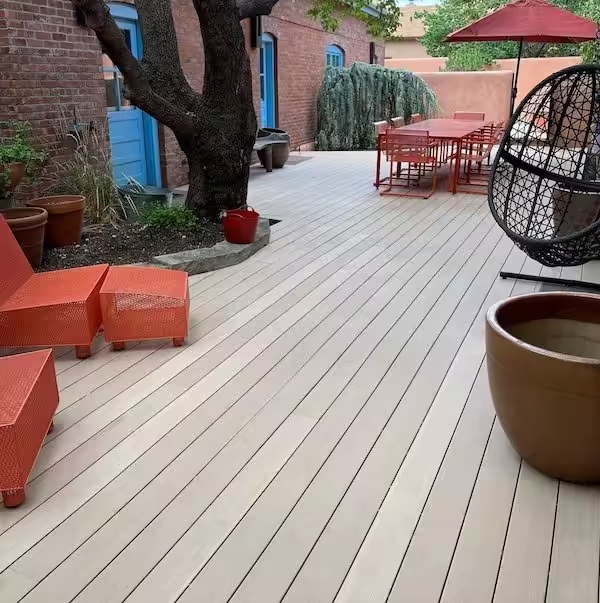
ACRE decking is splinter-free, slip-resistant, and built to endure poolside moisture, heavy foot traffic, and seasonal weather changes. Thermally modified wood offers better splinter resistance than untreated wood but may not fully eliminate splintering.
DIY and Custom Projects
ACRE’s workability and ability to be thermoformed make it ideal for builders, fabricators, and designers seeking custom curves and profiles.

Final Thoughts: Which Is Better for Your Project?
If you’re looking for a natural-looking, low-maintenance, and eco-conscious alternative to wood, both ACRE and thermally modified wood offer distinct advantages, but ACRE stands out for its unmatched moisture resistance, workability, and long-term durability—all without compromising on aesthetics. For how ACRE stacks up against premium tropical hardwood, see our ACRE vs IPE decking comparison.
And if genuine wood grain is non-negotiable, see how it directly compares to ACRE vs cedar. Thermally modified wood is a step up from untreated lumber, but ACRE goes even further—offering the beauty of wood with superior performance and less environmental impact. Ready to explore how ACRE compares to other wood alternatives? Order samples or fill out our contact form, and let’s talk about your next build.
Ready to Experience the
Difference?
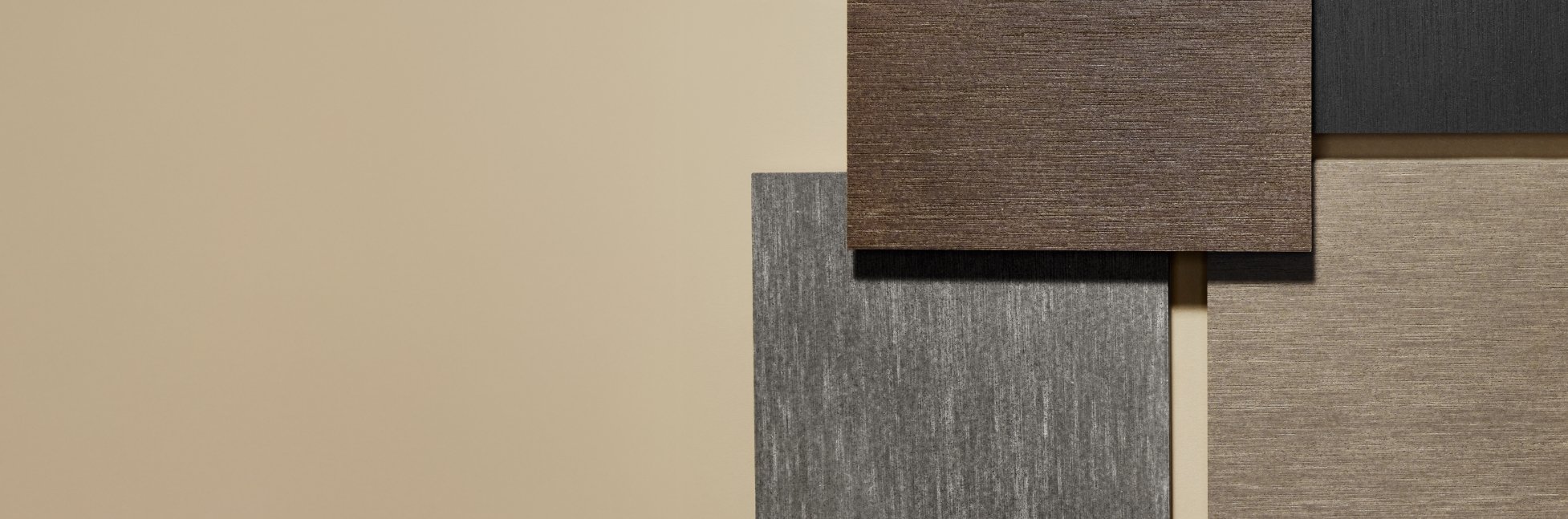
Ask for ACRE at your local lumber yard or order samples to see for yourself why builders are making the switch.