Is Synthetic Wood Siding Better Than Real Wood?
December 2025For generations, natural wood siding, especially cedar siding, has been valued for its warmth, grain, and timeless curb appeal. Builders and homeowners have relied on wood to give homes depth, character, and a strong architectural presence.
At the same time, expectations for exterior materials have evolved. Longevity, predictability, and long-term maintenance now play a larger role in material selection. As a result, synthetic wood siding has advanced significantly and is now engineered to closely resemble real wood while addressing many of its long-standing limitations.
That shift has led many homeowners and designers to ask a practical question: is synthetic wood siding actually better than real wood?
Appearance: How Close Does Synthetic Come to Real Wood?
Early composite siding products struggled with realism. Flat surfaces, limited texture, and uniform color often made them feel like substitutes rather than true alternatives.
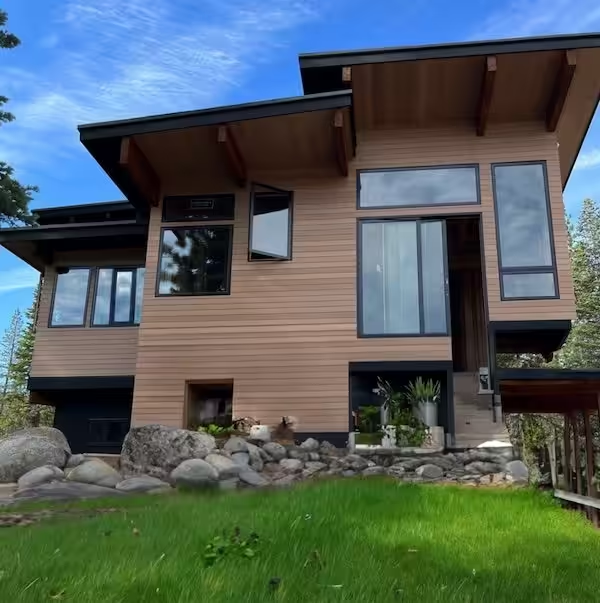
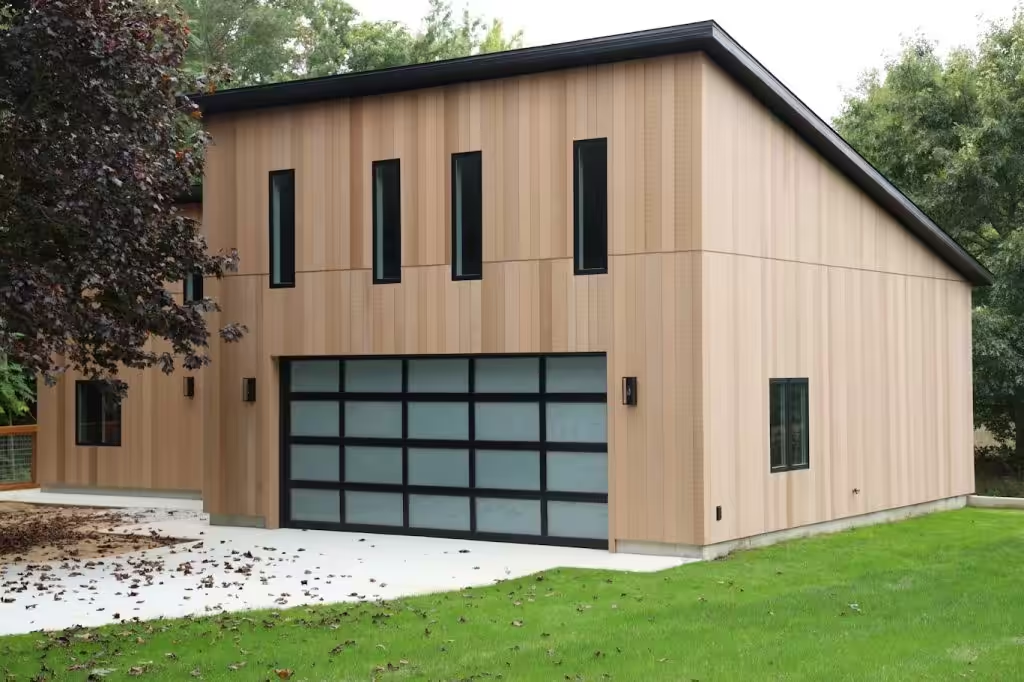
Today’s synthetic wood siding has changed that perception. Modern profiles are designed to reflect the variation and depth found in natural materials through:
- Embossed wood-grain textures
- Paint and stain flexibility
- Consistent color across boards
- Familiar profiles such as shiplap siding, V-groove, nickel gap and board-and-batten
Advancements in rice-hull-based materials have helped bridge the gap between authenticity and performance, allowing composite siding to maintain a wood-like appearance while remaining dimensionally stable in exterior environments.
For many homeowners, appearance remains the deciding factor when comparing exterior materials. The expectation today is not simply that a siding product looks good up close, but that it holds visual consistency across an entire façade. Natural wood can vary board to board, which some people appreciate and others find unpredictable.
With synthetic wood siding, that consistency becomes an advantage rather than a limitation. Color, grain depth and profile alignment stay uniform from installation through years of exposure. This makes it easier to design with confidence, especially on larger homes or multi-elevation projects where visual continuity matters.
In this way, composite siding is no longer competing with wood on aesthetics alone. It offers a more controlled, reliable version of the same visual language—something increasingly appealing to both homeowners and builders.
Durability: Where Real Wood Falls Short
Wood is an organic material. While that contributes to its character, it also means wood naturally absorbs moisture, expands and contracts, and becomes vulnerable to rot, insects and UV exposure.
Synthetic wood siding is engineered to minimize these risks.
Key durability advantages include:
- Resistance to rot and decay
- Reduced splitting or checking
- Minimal impact from pests
- Strong moisture resistance
- Consistent performance across temperature changes
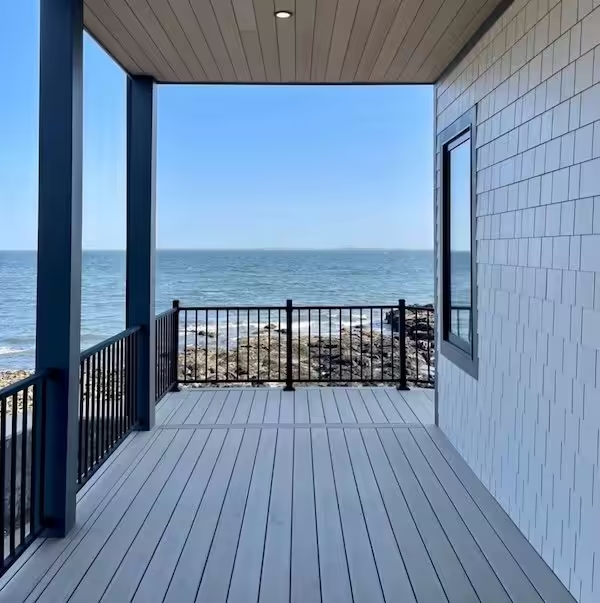
These qualities make composite siding especially appealing in coastal, humid or variable climates.
Maintenance: A Clear Difference Over Time
Maintaining cedar siding requires regular effort. Typical upkeep includes sanding, repainting or restaining, sealing exposed surfaces, inspecting for damage and replacing boards as needed.
By comparison, synthetic wood siding is designed for lower maintenance. Finishes tend to last longer, and the material itself does not require sealing to protect against moisture or insects.
Maintenance is often where the long-term reality of exterior materials becomes clear. While wood siding can perform well when carefully maintained, many homeowners underestimate the time and cost required to keep it looking its best year after year. Deferred maintenance can quickly lead to visible wear, discoloration or localized damage.
Composite siding shifts that burden significantly. Since the material itself resists moisture and biological breakdown, maintenance becomes more about routine cleaning than ongoing repair. For homeowners who want the look of wood without committing to frequent upkeep, this difference can be a deciding factor, especially over the lifespan of the home.
Sustainability: Looking Beyond the Surface
Many homeowners consider wood a natural option, but sustainability also includes lifespan and replacement cycles.
Materials that fall under sustainable building materials often outperform traditional wood because they reduce waste and extend service life. Products like rice hull siding and rice husk siding help reduce reliance on harvested lumber while maintaining long-term exterior performance.
One recent article highlighted how modern siding made from agricultural byproducts can save thousands of trees and divert waste from landfills. This underscores how sustainability now includes not only material origin but also longevity and the environmental impact of maintenance cycles.
Cost Over Time: Evaluating Lifetime Value
Initial material costs between wood siding and synthetic siding may be comparable depending on species and profile. The difference becomes more noticeable over time. Long-term savings with composite siding often come from fewer repairs, longer-lasting finishes, reduced risk of moisture damage and fewer full replacements. While wood may deliver immediate visual appeal, synthetic wood siding often provides stronger value when evaluated over decades of use.
Workability: A Traditional Advantage That Has Narrowed
One advantage of wood has historically been its ease of installation. Builders appreciate how cedar cuts and fastens on site. Modern materials such as ACRE siding can be cut with standard tools and milled into familiar profiles, including shiplap siding and edge and center bead. This allows builders to retain flexibility without introducing the variability of natural wood.
Conclusion
For many applications where durability, consistency and long-term maintenance matter, synthetic wood siding provides a stronger long-term solution than traditional wood. Comparing against vinyl instead? See our guide to the best alternatives to vinyl siding. As exterior design continues to evolve, composite siding is becoming less of an alternative and more of a standard choice for projects that prioritize both performance and aesthetics.
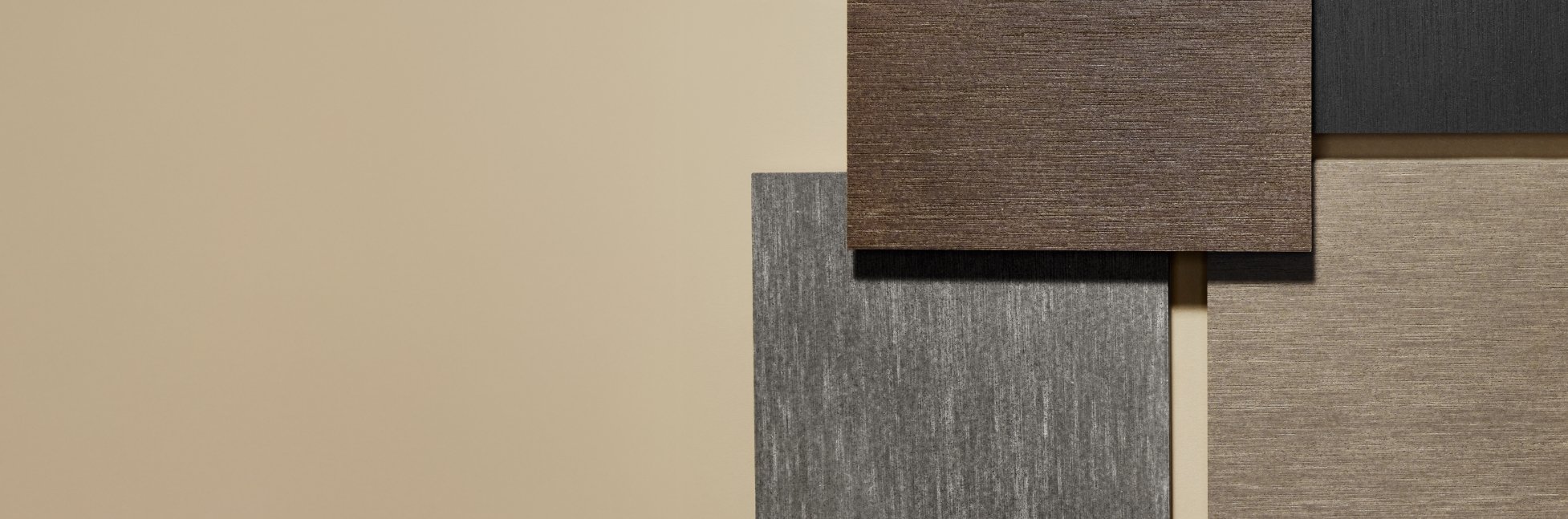
Ready to compare the difference firsthand? Order ACRE samples today or connect with the Modern Mill team in the contact form below to explore how ACRE can fit into your next project.
Ready to Experience the
Difference?
Ask for ACRE at your local lumber yard or order samples to see for yourself why builders are making the switch.