What Are the Most Sustainable Building Materials?
December 2025Sustainable building materials have moved from niche interest to a driving force in modern construction. Homeowners, builders, and architects are all looking for products that reduce environmental impact, perform well over time, and support healthier living environments. The shift toward sustainability is not just a trend, it reflects a growing awareness of how the materials we use affect forests, air quality, long-term maintenance, and the durability of the built environment.
With so many options available, it can be difficult to determine which materials truly deliver sustainability. Below, we explore some of the most sustainable building materials used today, the reasons behind their growing popularity, and how innovations like ACRE by Modern Mill are reshaping expectations for the future of construction.
What Makes a Building Material Sustainable?
A building material can be considered sustainable when it meets at least several of the following factors:
- Reduces or eliminates the need to harvest trees
- Comes from recycled, upcycled, or renewable resources
- Supports long-term durability and minimizes replacement cycles
- Does not contain harmful chemicals or toxins
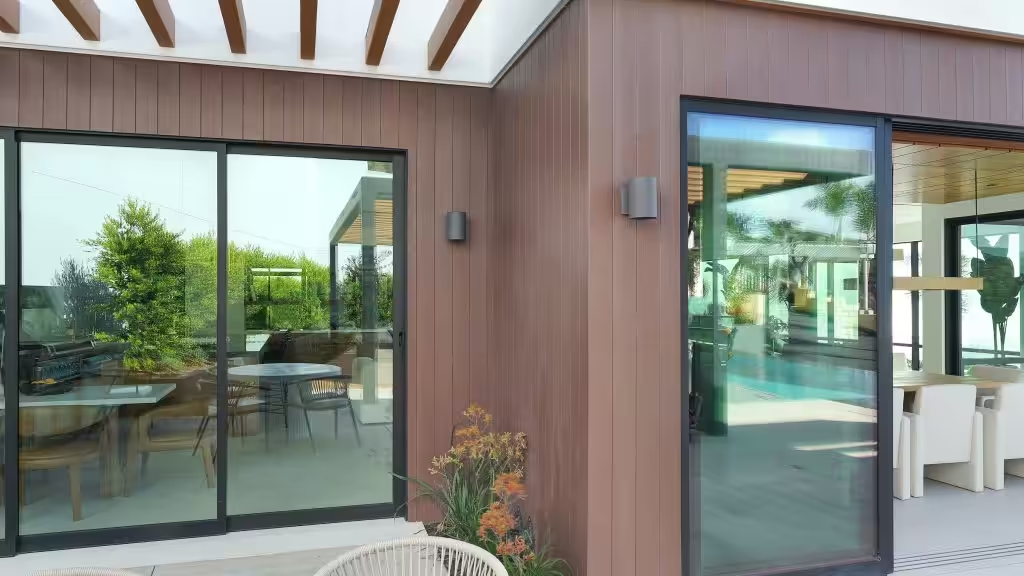
- Can be used in modern exterior applications like shiplap siding, board and batten, or outdoor decks without intensive upkeep
- Provides the warmth and beauty associated with nature, supporting biophilic design architecture.
Now let’s explore some of the materials that best align with these standards.
Bamboo
Bamboo is often positioned as one of the most sustainable building materials because it grows rapidly and regenerates without replanting. Its natural strength-to-weight ratio makes it useful for flooring, paneling, and decorative applications where designers want a warm, organic aesthetic. Bamboo’s fast growth cycle and minimal resource demands have earned it a reputation as a more renewable choice than traditional lumber.
Despite these advantages, bamboo is not without challenges. Much of the bamboo used in building products is harvested overseas, which introduces long transport distances and supply chain complexities. It’s also considered an invasive species in certain regions, making unmanaged growth environmentally disruptive. Additionally, many bamboo products require adhesives or chemical binders to achieve structural integrity, complicating the material’s sustainability profile. While bamboo reduces reliance on slow-growing trees, it still presents sourcing, chemical, and performance concerns that limit its use in exterior siding or long-term structural applications.
Recycled Steel
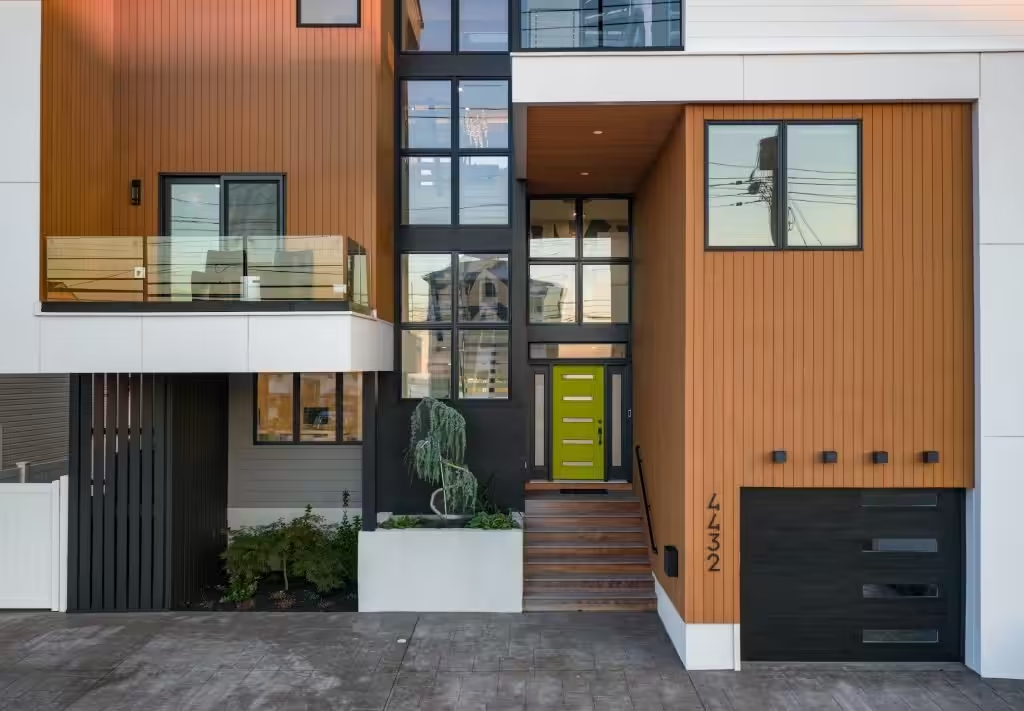
Recycled steel has become a standout choice in sustainable construction for its durability and recyclability. Its ability to be reused indefinitely without losing structural integrity makes it ideal for framing, roofing, and commercial applications where longevity is a priority. Steel’s resistance to pests, mold, and decay also eliminates common maintenance concerns associated with organic materials, offering reliable long-term performance.
However, recycled steel lacks the biophilic warmth that many residential projects require. It offers no wood-like aesthetic, which limits its use in applications such as shiplap siding, outdoor decking, or architectural elements where human touch and feel matters. The production and shaping of steel are also energy-intensive processes, and installation requires specialized tools and labor. While recycled steel excels in strength and lifecycle value, it does not replace the sensory and visual qualities that homeowners, architects, and designers often seek from natural or wood-inspired materials.
Thermally Modified Wood
Thermally modified wood has gained attention as a more sustainable alternative to traditional lumber. By heating wood at high temperatures in an oxygen-controlled environment, manufacturers improve dimensional stability and enhance resistance to rot, moisture, and insects without using chemicals. This makes thermally modified options appealing to homeowners and designers who want real wood aesthetics with fewer maintenance requirements than untreated lumber.
However, despite these improvements, thermally modified wood still carries some limitations. It remains a harvested wood product, which contributes to the ongoing demand for forest resources, and its performance can vary depending on the species and treatment quality. The modification process can also make boards more brittle than standard wood, reducing flexibility during installation and creating challenges for detailed cuts or molded profiles. For projects seeking long-term durability without dependence on forestry, thermally modified wood is a better option than conventional lumber but still falls short of next-generation materials that eliminate wood altogether.
Traditional Composite Siding
Traditional composite siding emerged as an early solution for homeowners seeking durability without relying entirely on natural wood. Commonly made from a blend of wood fibers, plastics, and binding agents, these materials were engineered to resist moisture, pests, and UV damage more effectively than cedar or other softwoods. Their promise of reduced maintenance made them appealing for busy homeowners and builders looking for dependable, long-term exterior performance.
Despite these advantages, first-generation composites often came with notable tradeoffs. Many products featured capped or plastic-like surfaces that lacked the warmth, grain, and authenticity of real wood, making them less desirable for high-end residential architecture or biophilic design applications. Some formulations also included chemicals or fillers that complicated recycling efforts and raised environmental questions. While traditional composites helped move the industry beyond rot and repaint cycles, they did not fully capture the natural beauty or flexibility designers and architects expect from luxury siding materials.
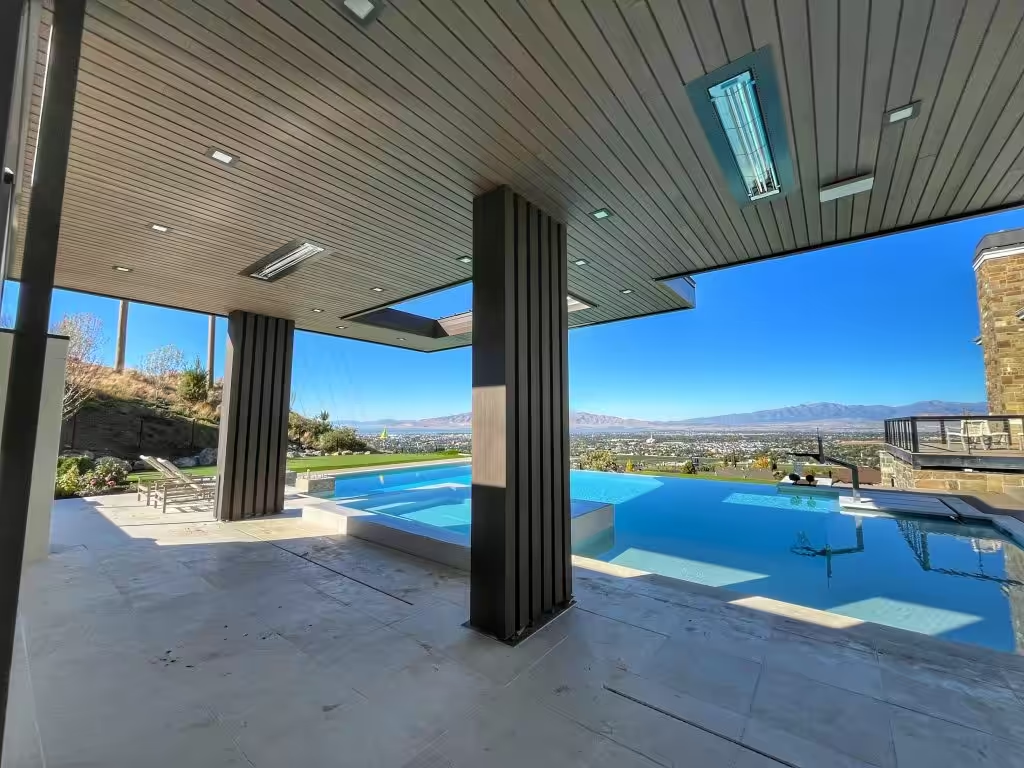
ACRE: A Next-Generation Sustainable Material
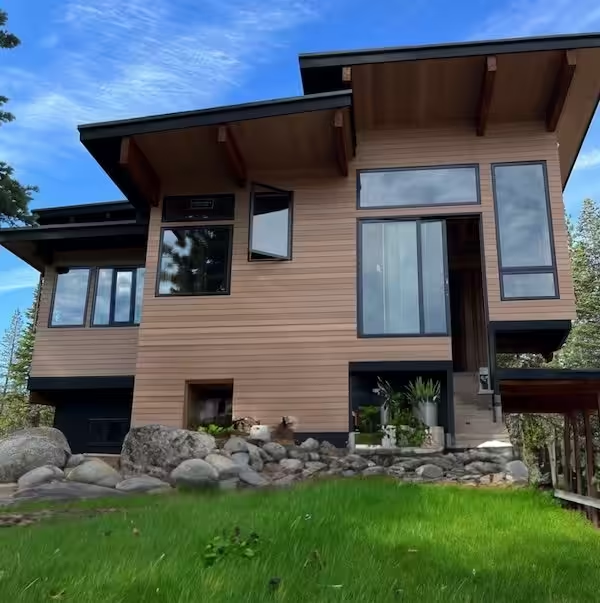
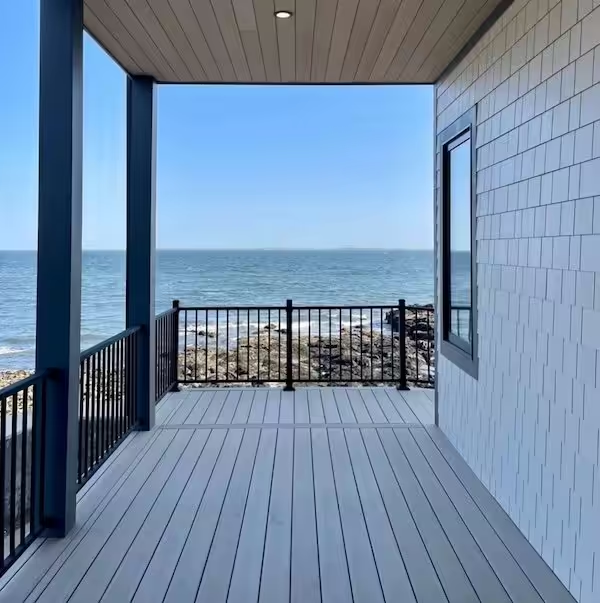
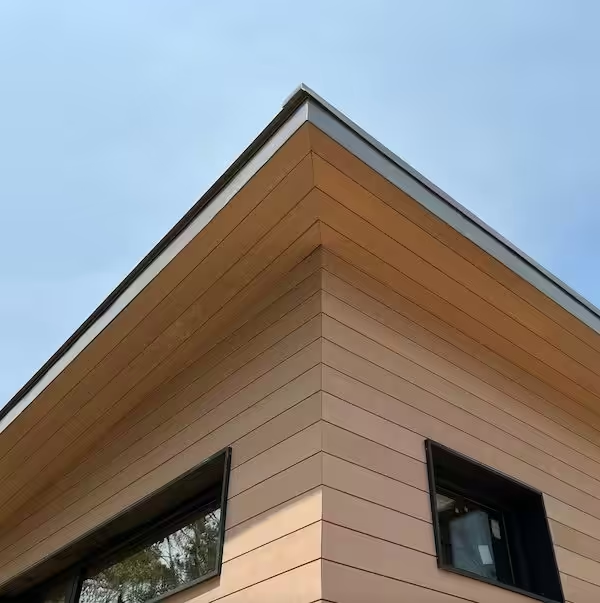
This is where innovation is changing the conversation. ACRE by Modern Mill redefines what a sustainable building material can be. Made in the USA from upcycled rice hulls, ACRE is completely tree-free, delivers the organic warmth of wood, and performs in demanding exterior conditions without the maintenance burdens of traditional lumber.
Why ACRE Stands Out
- Made from a renewable waste product diverted from landfills
- Zero-waste manufacturing process
- No phenol, formaldehyde, or added adhesives
- Can be cut, milled, and worked like wood
- Accepts paint and stain for total design freedom
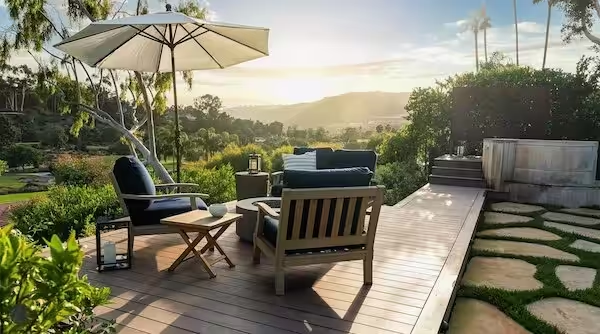
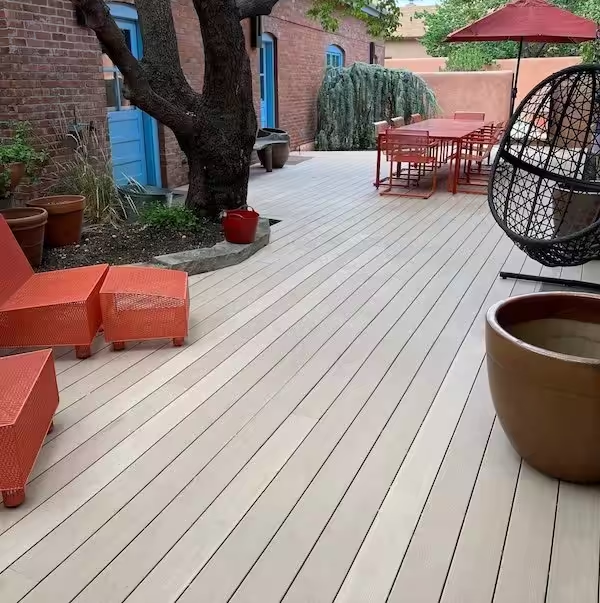
- Suitable for outdoor decks, shiplap siding, and a variety of other profiles
- More durable than cedar or ipe wood siding, with no rot, warping, or swelling
ACRE offers the first realistic alternative to wood that blends sustainability, beauty, and performance into one material. It eliminates the common tradeoffs that have historically held sustainable construction materials back for decades.
Conclusion
The most sustainable building materials are those that reduce environmental impact without compromising design freedom or performance. Bamboo, recycled steel, thermally modified wood, and composites have all contributed to this movement, yet each has limitations that prevent widespread adoption.
ACRE represents a new benchmark. It delivers a blend of beauty and performance that architects and homeowners want with the environmental responsibility the industry now demands.
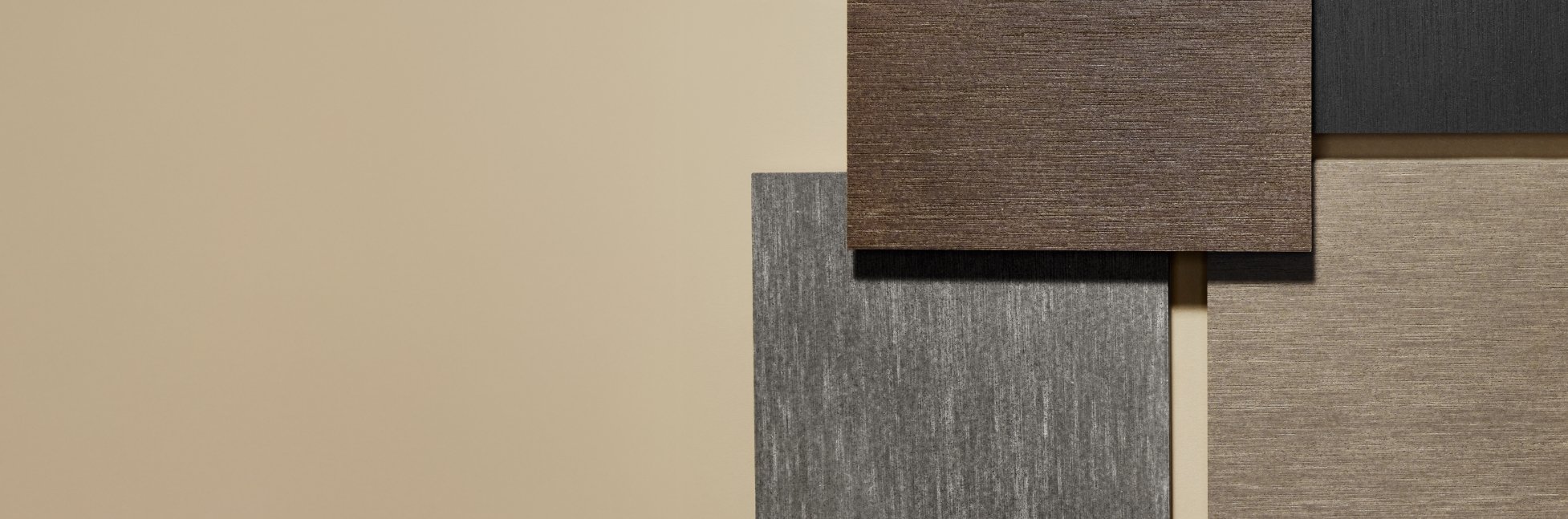
Ready to explore the next generation of sustainable materials? Order ACRE samples today and contact our team using the form below.
Ready to Experience the
Difference?
Ask for ACRE at your local lumber yard or order samples to see for yourself why builders are making the switch.