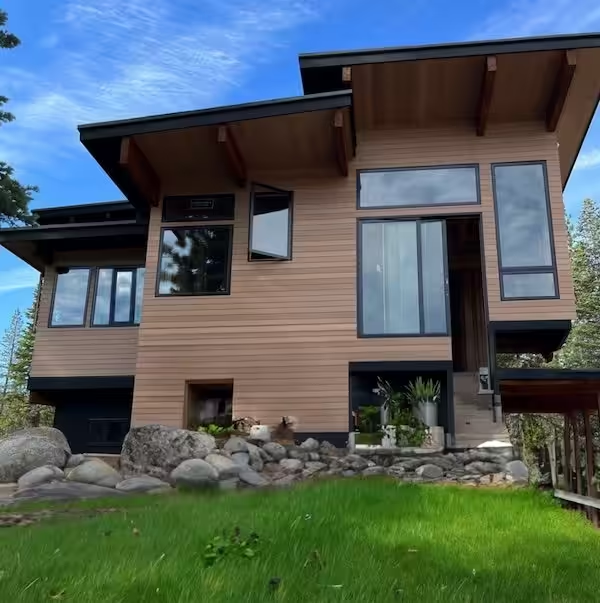
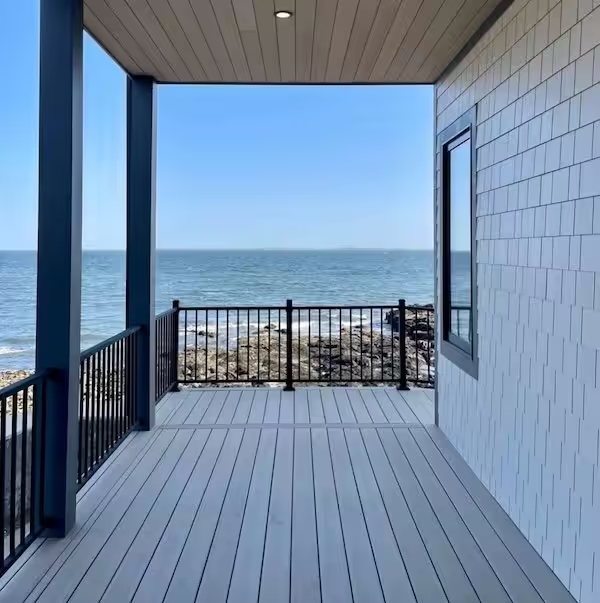
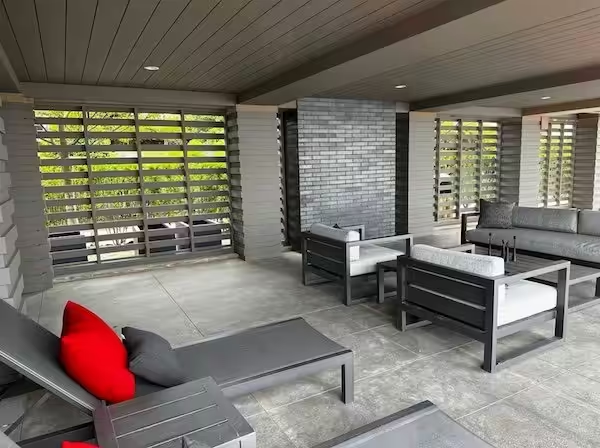
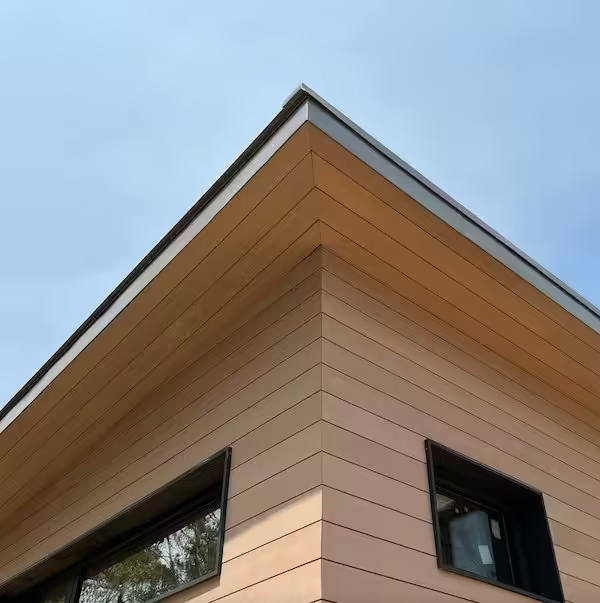
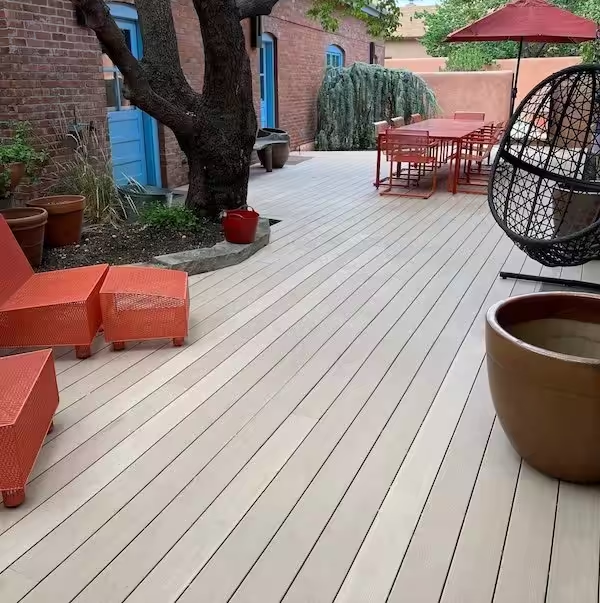
Shiplap Siding for Cold Climate Installations
February 2026Cold climate construction places unique demands on exterior materials. Extended winters, repeated freeze-thaw cycles, snow accumulation, ice, and wide temperature swings all test how well a building envelope performs over time. For architects and designers working in northern regions, siding selection becomes less about style alone and more about how materials behave when exposed to months of moisture, cold, and thermal movement.
Shiplap siding continues to be a popular choice in cold climates because of its clean horizontal lines and versatility across architectural styles. It appears in everything from mountain homes and modern cabins to contemporary urban residences. But when installed in cold-weather regions, not all shiplap siding performs equally. Material choice, dimensional stability, and moisture resistance play a critical role in whether the siding holds up or becomes a long-term maintenance concern.
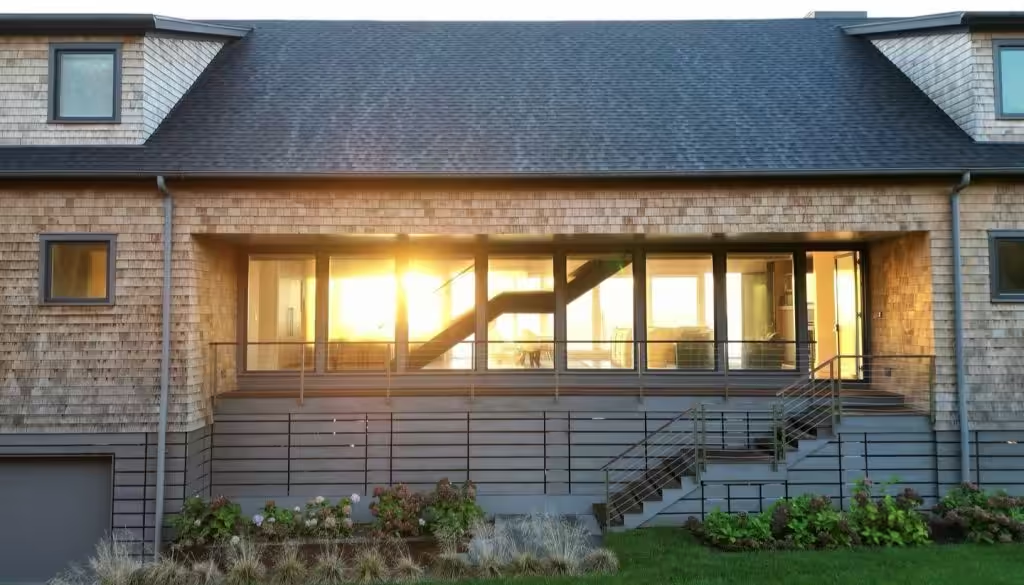
Why Cold Climates Are Hard on Siding
Cold climates introduce stressors that are different from coastal or hot-weather environments. Moisture often enters the system in liquid form, freezes, expands, and then thaws repeatedly throughout the season. This cycle places pressure on siding materials, joints, fasteners, and finishes.
Key challenges include:
- Freeze-thaw expansion and contraction
- Persistent moisture from snow and ice
- Reduced drying time during winter months
- Temperature swings that stress finishes and coatings
- Ice dams and wind-driven snow impacting exterior walls
When siding materials absorb moisture or move excessively, cracking, warping, and finish failure become more likely. These risks make material selection especially important for horizontal profiles like shiplap siding, where consistency across long runs is visually and structurally important.
Traditional Wood Shiplap in Cold Weather
Wood shiplap has long been associated with warmth and character, making it appealing for cold-climate architecture. Species like cedar are commonly specified due to their natural resistance to decay and insects, though it is worth weighing against how pre-finished composite compares to cedar before locking in a species. When properly installed and maintained, wood siding can perform well in colder regions.
However, cold climates amplify wood’s natural tendencies. Moisture absorption followed by freezing can lead to:
- Board movement and dimensional instability
- Checking or splitting as moisture expands within the wood fibers
- Inconsistent spacing between boards over time
- Accelerated wear on stains and paints
These issues do not mean wood shiplap is unsuitable for cold climates, but they do require a higher level of detailing, ongoing maintenance, and homeowner commitment. In regions with long winters, the window for refinishing or repairs is often limited, making upkeep more challenging.
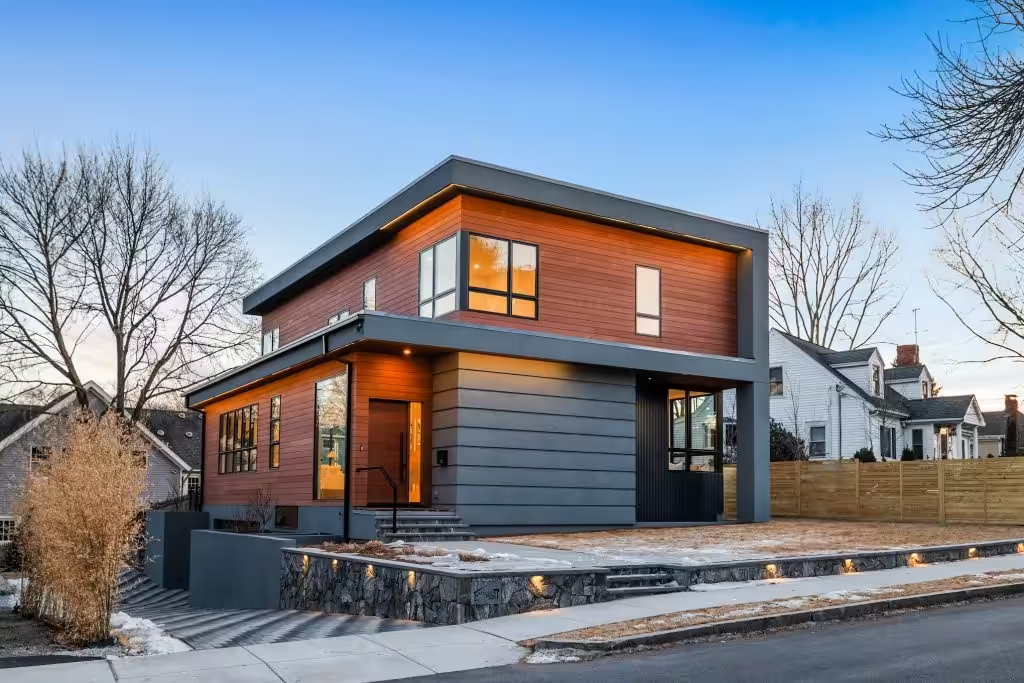
Engineered Alternatives for Cold Climate Shiplap
As expectations around maintenance and longevity have shifted, many designers have turned to engineered alternatives that are better suited for freeze-thaw environments.
Fiber Cement Shiplap
Fiber cement siding is frequently specified in cold climates due to its resistance to moisture and dimensional stability. Unlike wood, fiber cement does not absorb water in the same way, which helps reduce freeze-thaw damage.
That said, fiber cement comes with tradeoffs. The material is heavy and brittle, which can complicate installation in winter conditions. Cutting fiber cement produces silica dust, requiring protective equipment and blade wear that can slow down job sites — one of several jobsite dust hazards worth comparing across materials. While durable, fiber cement also lacks the tactile warmth and depth that many designers seek when specifying shiplap for residential projects.
Vinyl and PVC-Based Options
Vinyl siding offers moisture resistance and low maintenance, which makes it attractive in cold climates. Some PVC-based products are engineered to handle temperature swings, but cold weather can make these materials more rigid and susceptible to cracking during installation.
Vinyl also tends to expand and contract more noticeably with temperature changes, which can affect alignment in long horizontal runs like shiplap. From an aesthetic standpoint, vinyl generally does not replicate the depth, grain, or finish quality associated with wood-inspired design.
Composite and Synthetic Wood Shiplap in Cold Regions
Composite siding has become one of the most reliable solutions for shiplap siding in cold climates. These materials are engineered to control moisture absorption and limit movement caused by temperature swings.
Synthetic wood siding is designed to:
- Resist water intrusion and swelling
- Maintain dimensional stability through freeze-thaw cycles
- Reduce cracking, splitting, and cupping
- Hold finishes more consistently over time
For cold climate projects, these characteristics translate into fewer callbacks, less visible movement at joints, and a more uniform appearance across elevations. This makes composite shiplap especially appealing for modern designs where clean lines and tight spacing are critical.
Detailing Shiplap for Cold Climate Performance
Material selection is only part of the equation. Installation and detailing decisions play a significant role in long-term performance.
Best practices for cold climate shiplap siding include:
- Continuous weather-resistive barriers with sealed seams
- Proper spacing allowances based on material movement
- Corrosion-resistant fasteners suited for snow and ice exposure
- Attention to flashing at penetrations, transitions, and terminations
- Avoiding installation during extreme cold when materials may become brittle
Horizontal profiles like shiplap benefit from careful alignment and consistent spacing. Materials that behave predictably during installation help maintain visual consistency while reducing stress on the system.
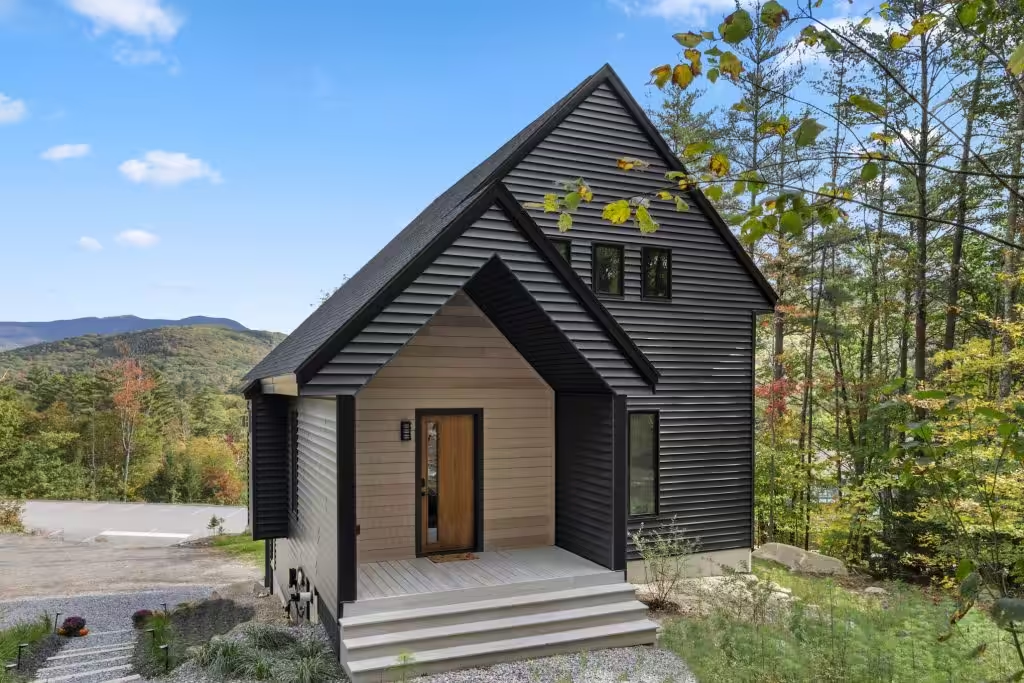
ACRE as a Cold Climate Shiplap Solution
Modern composite materials have evolved to address many of the challenges that cold climates introduce. ACRE by Modern Mill is an example of a synthetic wood siding engineered to perform in demanding environments while maintaining the warmth and workability designers expect from wood.
ACRE is made from upcycled rice hulls and does not absorb moisture like traditional lumber. This helps it maintain dimensional stability during freeze-thaw cycles and reduces the risk of cracking, splitting, or warping over time. Because it can be milled into shiplap siding, nickel gap siding, and v-groove siding, it supports a wide range of architectural styles without requiring different material systems.
From a design perspective, ACRE accepts paint and stain evenly, allowing architects to specify finishes that align with regional aesthetics. From a performance standpoint, it delivers consistent results across seasons, which is especially valuable in cold climates where maintenance windows are limited.
In our experience working with projects across northern regions, materials that reduce variability and maintenance demands tend to perform better over the long term, both visually and structurally.
When Shiplap Makes Sense in Cold Climates
Shiplap siding works well in cold climates when:
- The material is dimensionally stable
- Moisture management is carefully detailed
- Finishes are selected for durability
- Installation accounts for seasonal conditions
Synthetic wood siding and composite options increasingly replace traditional wood in these environments because they reduce the impact of freeze-thaw cycles while preserving the look designers want.
Conclusion
Shiplap siding remains a strong design choice for cold climate installations, but success depends on selecting materials that can handle moisture, temperature swings, and limited maintenance windows. While traditional wood offers undeniable warmth, engineered and synthetic options provide greater predictability and long-term performance in harsh winter conditions.
For architects and designers working in cold regions, composite shiplap siding offers a way to achieve clean lines, consistent finishes, and durable exteriors without compromising on aesthetics. Materials like ACRE demonstrate how modern siding solutions can deliver wood-inspired design with performance characteristics better suited to cold climates.
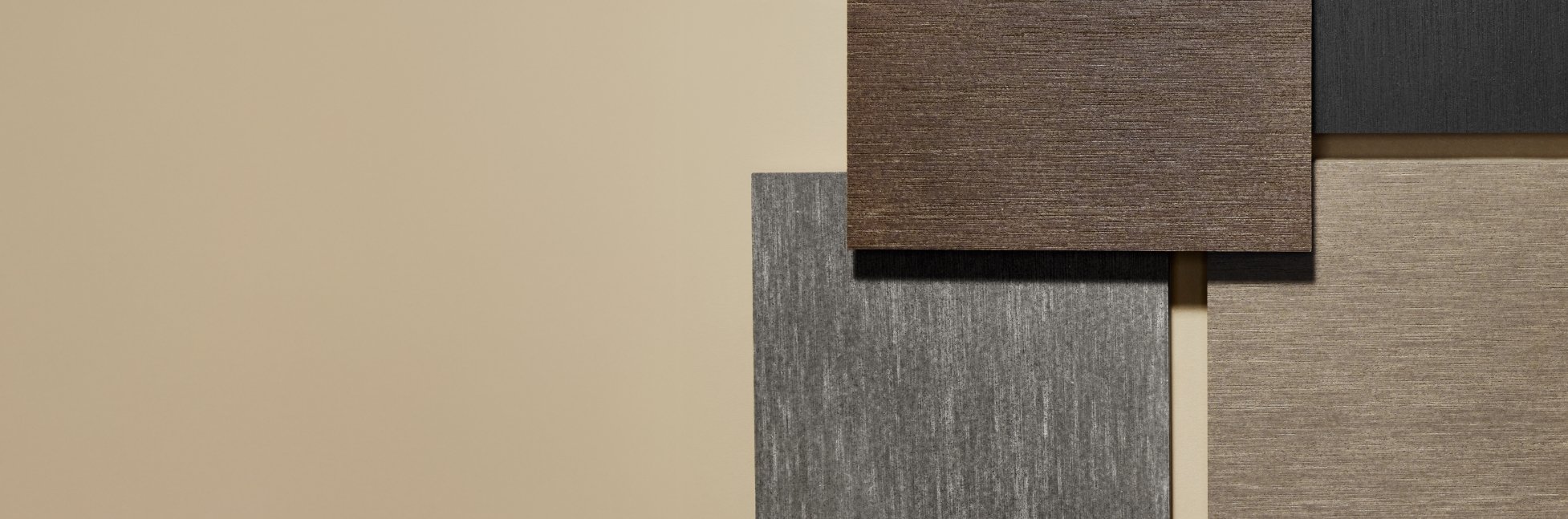
Ready to explore shiplap siding options designed for winter conditions? Order ACRE samples today and see how engineered materials can support your next cold climate project.
Ready to Experience the
Difference?
Ask for ACRE at your local lumber yard or order samples to see for yourself why builders are making the switch.