Is Synthetic Wood Siding a Sustainable Choice?
January 2026Sustainability in construction has evolved well beyond a single question of whether a material is “natural.” Today, homeowners, architects, and designers are evaluating materials based on how long they last, how often they need to be maintained or replaced, and the total resources they consume over decades of use. Exterior siding plays a significant role in that equation.
As a result, many projects are taking a closer look at synthetic wood siding and asking a practical question: is it actually a sustainable choice?
To answer that, sustainability must be viewed through a broader lens, one that includes sourcing, durability, maintenance, and long-term performance rather than first impressions alone.
What Sustainability Really Means for Exterior Siding
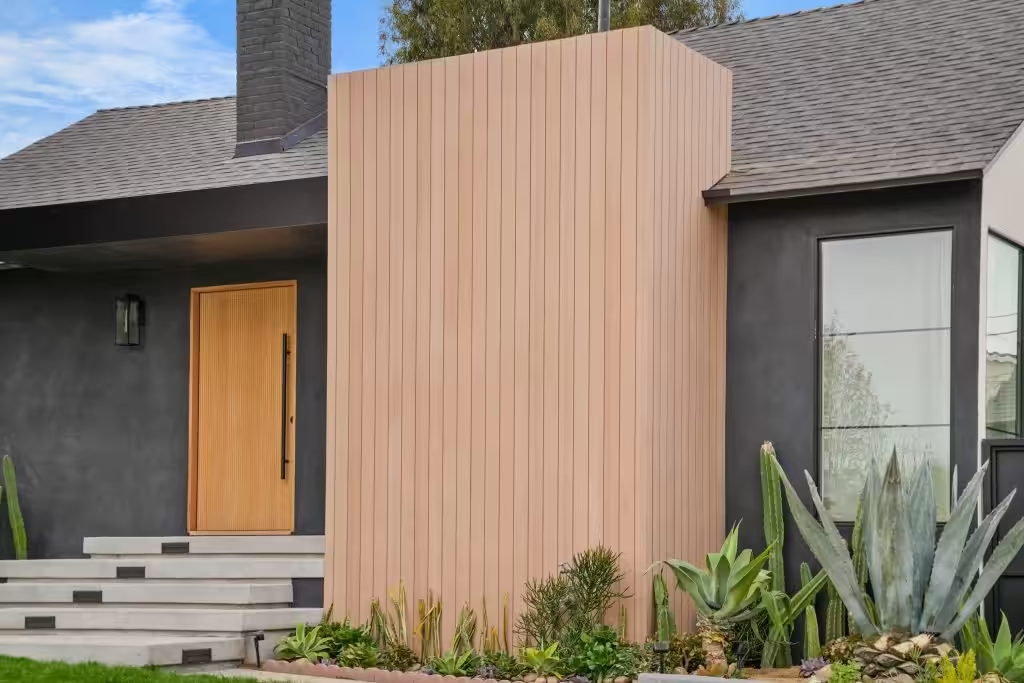
A siding material’s sustainability is shaped by multiple factors working together over time. These include:
- How raw materials are sourced and whether they rely on harvesting trees
- Manufacturing efficiency and the amount of waste generated
- Durability and resistance to early failure
- Frequency of refinishing, repair, or replacement
- Overall lifecycle impact rather than short-term appearance
Traditional wood siding, including cedar siding, is often viewed as sustainable due to its natural origin. However, it also depends on forestry practices, transportation, and ongoing refinishing. When viewed across decades, those inputs can significantly increase resource use.
Modern sustainable building materials are increasingly evaluated by how effectively they reduce long-term consumption, not just whether they begin as a natural product.
Reducing Reliance on Harvested Wood
One of the most direct sustainability benefits of synthetic wood siding is its ability to reduce dependence on harvested lumber. Cedar siding boards and other wood products require mature trees, and as demand increases, sourcing high-quality material becomes more difficult.
Many synthetic wood siding products rely on alternative inputs rather than timber. Rice-hull-based materials, for example, repurpose an agricultural byproduct that would otherwise be discarded. This approach diverts waste while easing pressure on forest resources traditionally used for exterior cladding.
By shifting material demand away from harvested wood, synthetic siding supports a more balanced relationship between construction and natural ecosystems.
Durability as a Sustainability Advantage
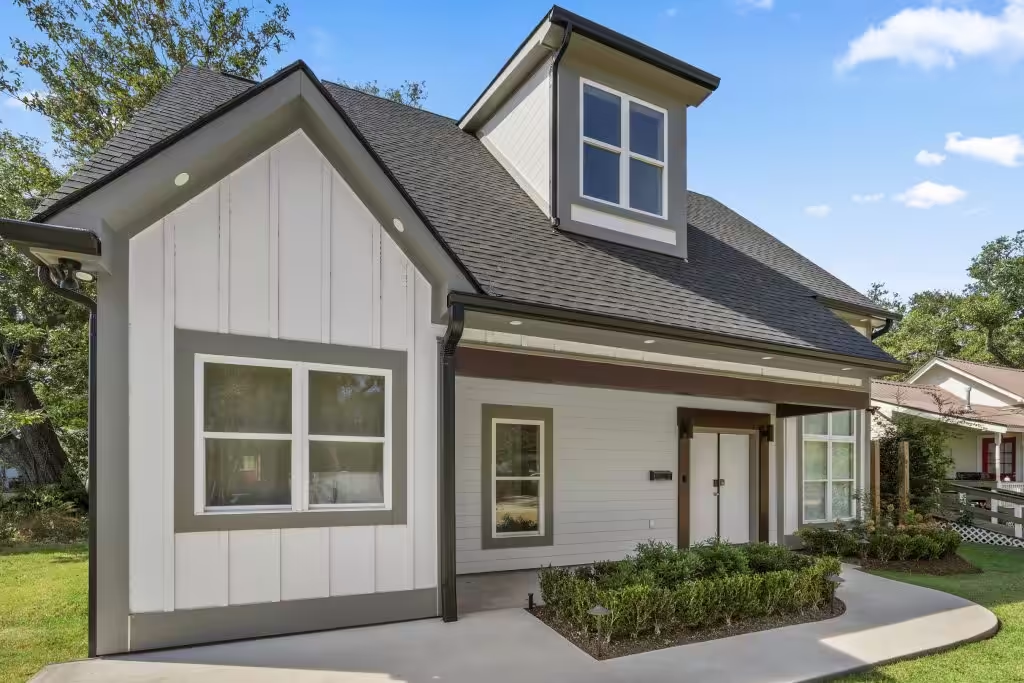
Sustainability is closely tied to longevity. Exterior siding that needs frequent replacement or repair consumes more materials, labor, and energy over time, even if it starts as a natural product.
This is where composite siding and synthetic wood siding often outperform traditional wood. These materials are engineered to withstand common environmental stressors, including moisture, insects, and temperature fluctuations. As a result, they are less likely to fail prematurely.
Improved durability reduces the frequency of replacement cycles, which is one of the largest contributors to construction-related waste in residential and commercial projects.
The Environmental Cost of Maintenance
Maintenance is often overlooked in sustainability discussions, yet it has a meaningful environmental impact.
Wood siding typically requires repeated sanding, sealing, staining, or repainting to protect against moisture and UV exposure. Each maintenance cycle introduces additional materials, coatings, labor, and energy use over the life of the building.
Synthetic wood siding is designed to minimize those demands. The material itself resists moisture intrusion and biological breakdown, and finishes generally last longer. Over time, fewer maintenance cycles translate into lower material consumption and reduced environmental burden.
How Synthetic Wood Compares to Other Exterior Options
When compared to other common exterior materials, synthetic wood siding occupies a practical middle ground.
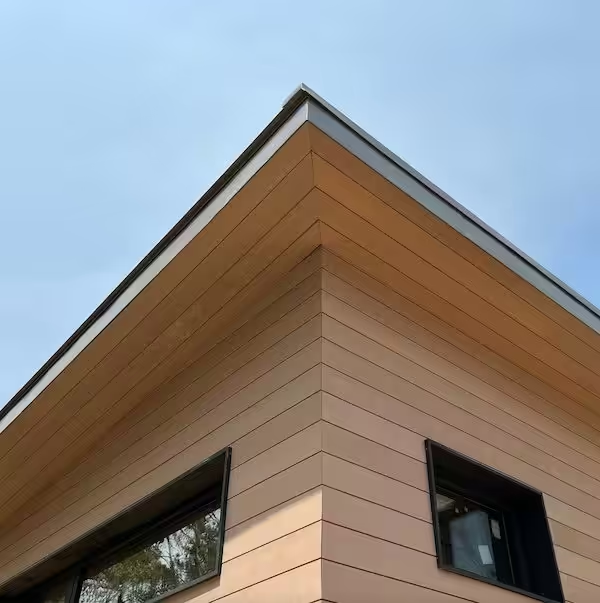
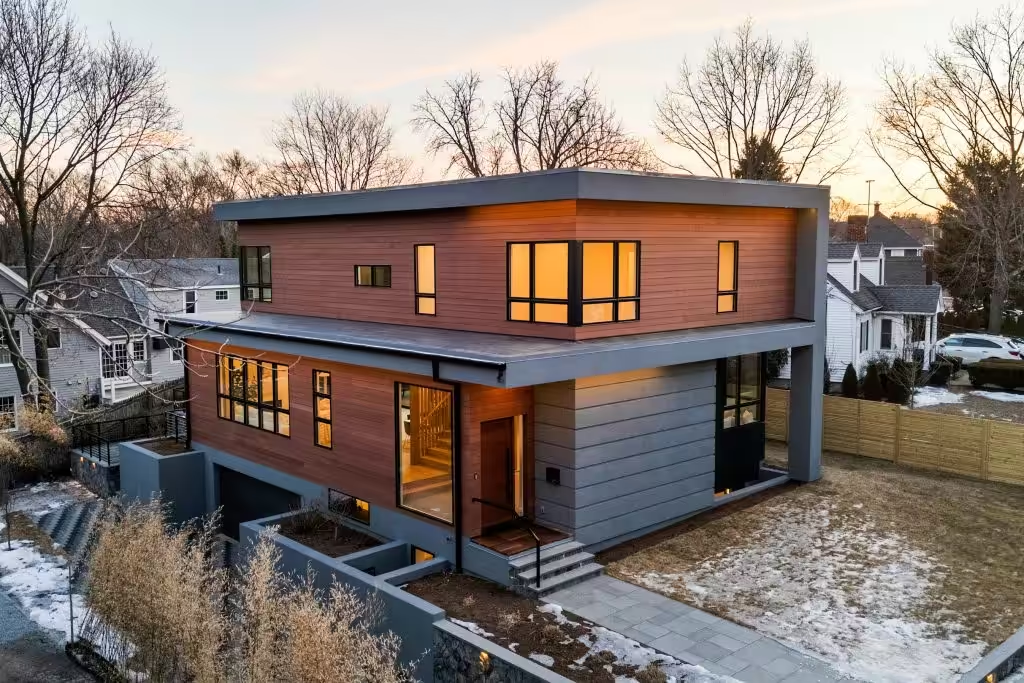
It offers a warmer, more natural appearance than fiber cement or metal, while delivering greater consistency and durability than traditional wood. It also requires less ongoing upkeep than most wood products, particularly in exposed exterior conditions.
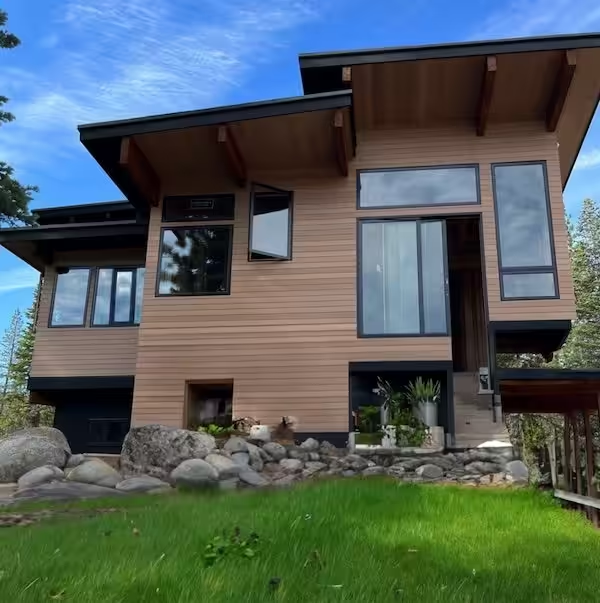
Profiles such as shiplap siding and faux wood siding allow projects to maintain architectural character and visual depth while benefiting from modern performance standards. This balance of appearance and longevity is a key reason synthetic wood siding continues to gain traction across residential, multifamily, and mixed-use projects.
ACRE and the Next Generation of Sustainable Siding
Material composition matters, but sustainability is ultimately defined by how a product performs over time.
ACRE by Modern Mill represents a next-generation approach to synthetic wood siding. Made from upcycled rice hulls and manufactured in a zero-waste facility, ACRE is completely tree-free while offering the look and workability designers expect from wood.
Its durability, low maintenance requirements, and ability to be milled into profiles such as shiplap siding allow it to perform consistently across a wide range of applications. By combining extended lifespan with design flexibility, materials like ACRE help bridge the gap between sustainability goals and real-world building performance.
Conclusion
So, is synthetic wood siding a sustainable choice?
In many applications, the answer is yes. By reducing reliance on harvested trees, extending service life, and minimizing maintenance-related resource use, synthetic wood siding aligns closely with how sustainability is defined in modern construction.
While no material is without tradeoffs, synthetic wood siding offers a practical balance of durability, performance, and architectural appeal. For those making long-term, resource-conscious decisions about exterior materials, it has become one of the most viable sustainable options available today.
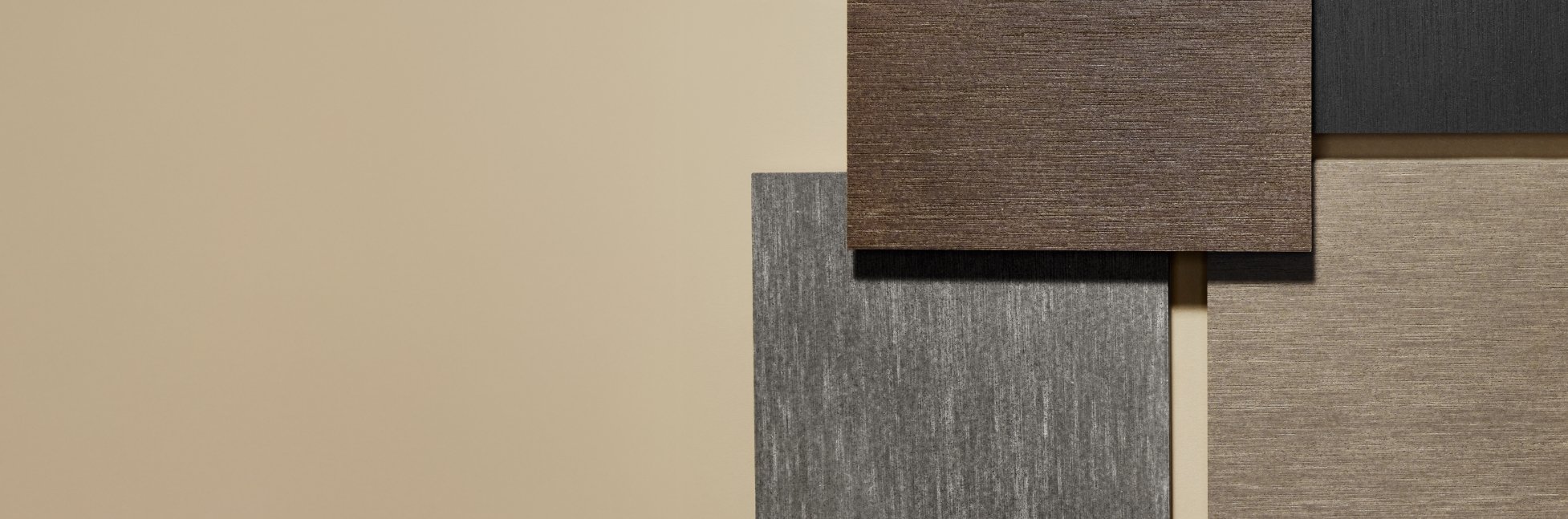
Ready to explore sustainable siding solutions? Order ACRE samples today and experience the difference for yourself.
Ready to Experience the
Difference?
Ask for ACRE at your local lumber yard or order samples to see for yourself why builders are making the switch.