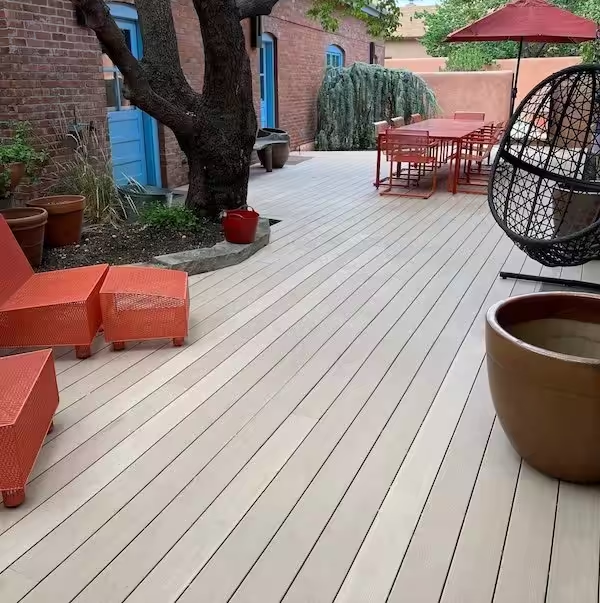
Composite Shiplap Siding vs. Wood: Pros, Cons, and What to Know
April 2026Shiplap siding has been specified on exterior cladding projects for decades. What’s changed is the selection of materials available, with the most common comparison being traditional wood versus modern composites. Cedar and pine are still the default in some markets, but composite shiplap has taken a larger share of new construction projects, particularly in climates where wood’s maintenance cycle is a recurring cost the client didn’t fully price in at the start.
The comparison isn’t close on most practical metrics. Composite holds up better in moisture-heavy environments, requires less ongoing maintenance, and carries a longer service life. Wood has one advantage most composites don’t fully replicate: the natural grain variation and weathering character of a real species. For projects where that matters, it’s worth the trade-off. For most, customers find it isn’t.
Here’s how the two materials actually compare across the factors that show up in the spec and in the service call.
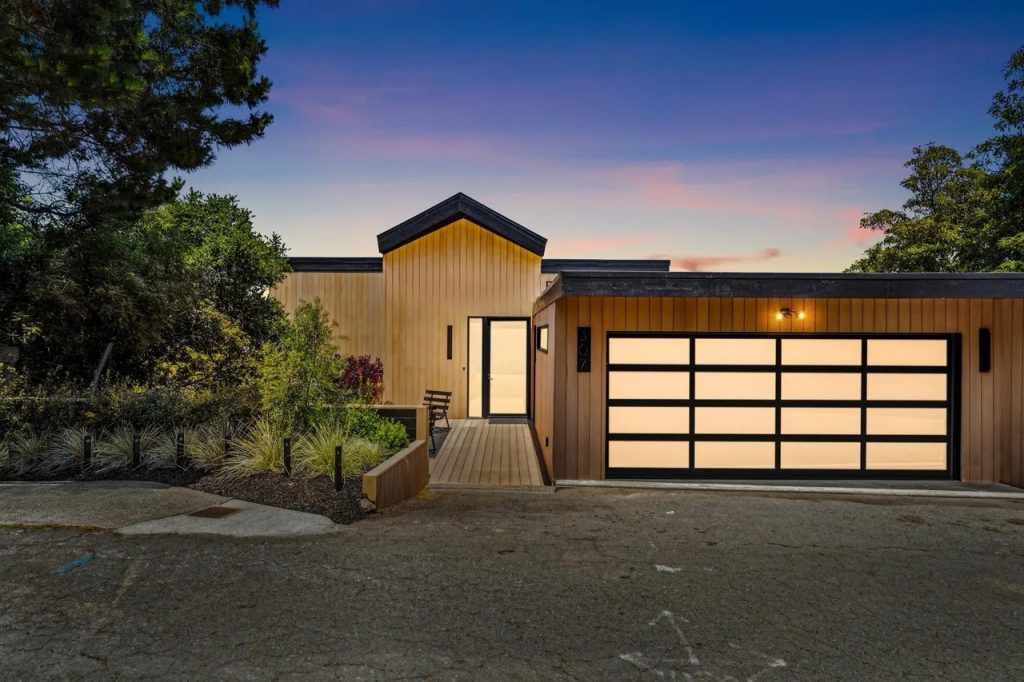
What Is Composite Shiplap Siding Made From?
Composite shiplap siding is not one material. The category covers several distinct formulations, and the feedstock matters for how the product performs in the field.
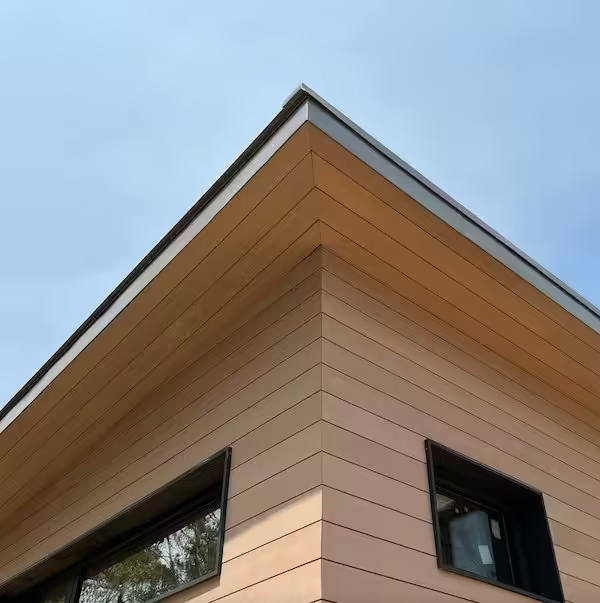
The most common base is recycled wood fiber bound with polymeric resins. That combination produces consistent dimensions, low moisture absorption, and predictable expansion behavior compared to solid cedar or pine, which checks and cups as it moves through seasonal moisture cycles. Other manufacturers go further, using agricultural byproducts like rice hulls in place of wood fiber entirely, which tightens dimensional stability across temperature swings and removes wood content from the equation. ACRE by Modern Mill uses that approach. Some products eliminate organic content altogether, using glass-reinforced polyurethane or similar materials as the base.
What all of these share is the removal of the primary moisture pathway that causes most wood siding failures. Beyond that, feedstock, texture, finish, and expansion behavior vary enough by product that reviewing the technical spec for a specific climate is worth doing before committing to a profile.
How Does Composite Shiplap Hold Up Against Wood Over Time?
Composite outlasts wood on every durability dimension that matters in exterior cladding.
According to Bob Vila, common wood shiplap species like cedar carry realistic lifespans of 20 to 40 years with consistent maintenance. Many composite siding formulations are rated for 50 years or more, according to Angi, with some manufacturer warranties extending beyond that.
That gap widens in coastal or humid climates, where moisture cycling accelerates decay at horizontal laps and end grain faster than inland projects. As Architect Magazine noted in December 2025, wood is no longer the sustainable default for many exterior applications as lifecycle costs and material performance reshape how architects specify siding.
Wood absorbs moisture from rain, humidity, and seasonal temperature swings. It swells, contracts, and moves. Repeat that across dozens to hundreds of freeze-thaw cycles and you get checking, cupping, and open joints where water enters the wall assembly. For a closer look at how those failure patterns develop over time, our blog on cedar siding maintenance covers where and why wood siding typically fails first. Composite absorbs far less moisture by design, so dimensional movement is significantly reduced and those failure modes largely disappear.
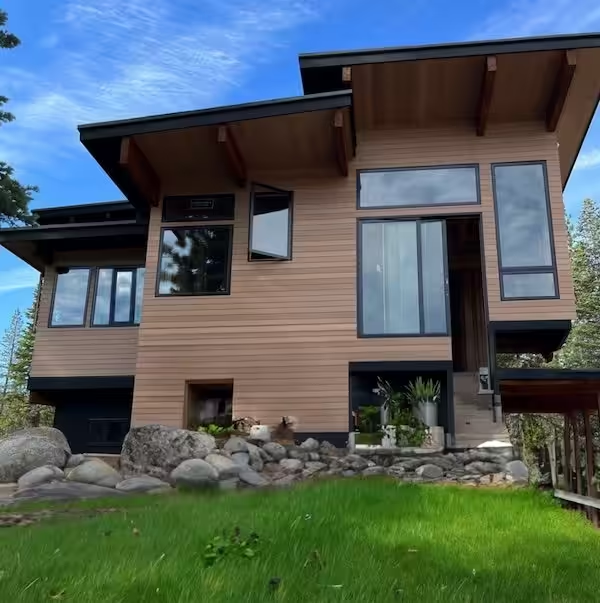
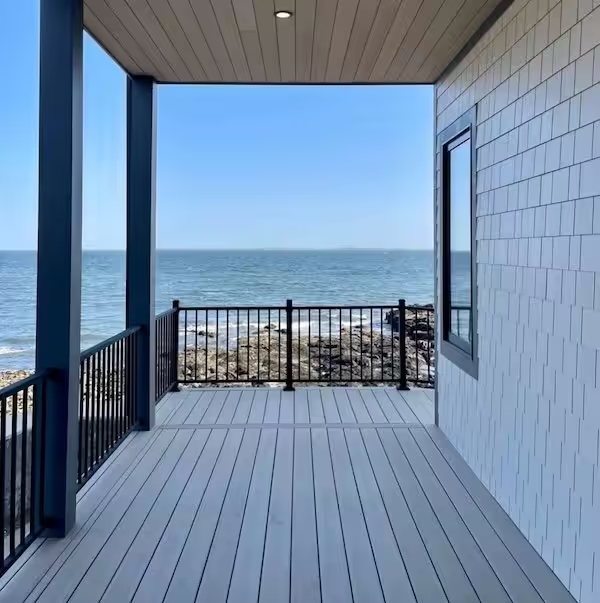
Our team at Modern Mill worked on a Montauk Beach House project that illustrates what that looks like in practice. Contractor Ian Pedersen, an experienced Norwegian woodworker, was skeptical of composite alternatives before committing to a 2,800 sq ft coastal cedar replacement. He put the material through his own field tests first.
“I tried hard to disprove it. I put it out under direct sunlight, buried it, froze it in snow and I even tied it to a rock and sank it in the bottom of a lake for six weeks. After that lake test when I saw that it looked the same as when I first received it, I knew ACRE was right for this special project and we were not disappointed.” — Ian Pedersen, Project Manager, Meberg and Pedersen Builders LLC
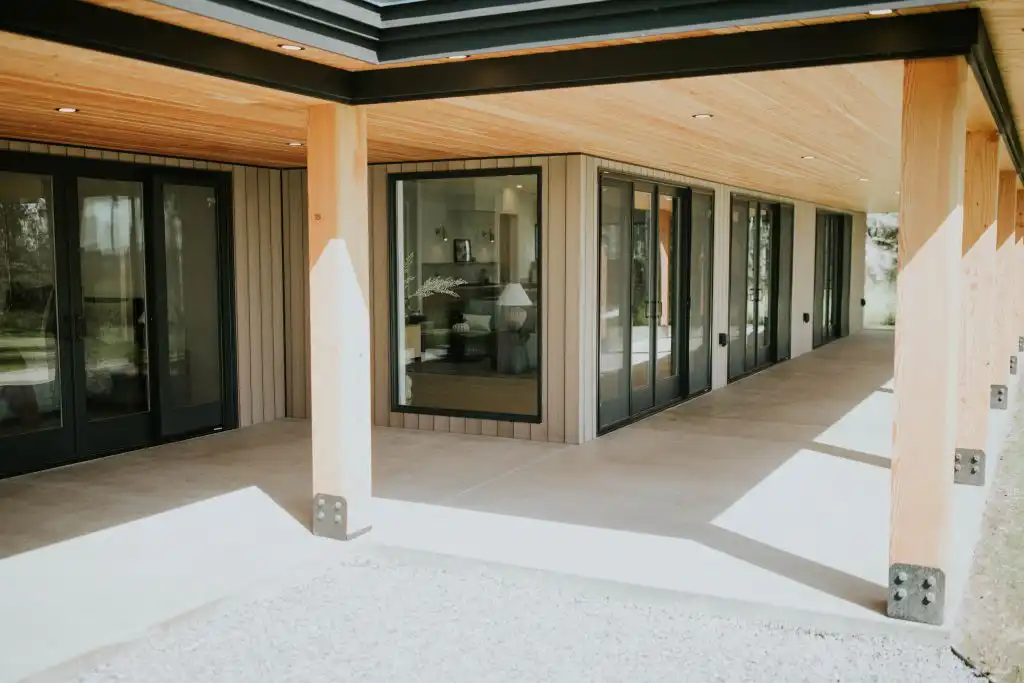
Which Costs More: Composite or Wood Shiplap Siding?
Wood costs less on the material line. Composite wins on total installed cost when you account for rainscreen requirements, end-grain sealing, and the first repaint cycle. The Build Show’s head-to-head on wood vs. wood-look siding materials reached similar conclusions on installed cost and long-term value.
What the bid sheet doesn’t capture is the installation premium wood carries. Cedar and pine shiplap typically require a rainscreen gap behind the cladding to manage moisture, plus end-cut sealing at every field cut. Those steps add labor hours and are a common source of callbacks when done incorrectly. For builders who have run that calculation in detail, cedar vs. pre-finished composite siding breaks down where the cost lines cross over a full project lifecycle.
In our experience, the real cost crossover happens around years three to five, when the first paint or stain cycle hits wood and composite still needs nothing. That’s the number worth putting in front of a client before the spec is locked. Builders looking to remove finishing from the exterior sequence entirely can take that a step further with factory finished options, a shift covered in detail in why builders are switching to factory finished siding.
Does Composite Shiplap Siding Require Less Refinishing?
Yes, by a significant margin.
According to This Old House, wood requires repainting or restaining every five to seven years. Composite requires periodic washing and an annual fastener inspection. That’s the whole list.
The wood maintenance chain compounds over time. Staining covers surface checking. Repainting addresses fading and adhesion failure. Rainscreen gaps need clearing. End grain requires re-sealing at any field cut. Each task is either a service call or a callback depending on who the client calls first.
Composite breaks that cycle. On a 20-year ownership timeline, the difference isn’t one or two paint jobs. It’s the elimination of a recurring maintenance obligation that touches scheduling, labor, and owner expense every few years without stopping.
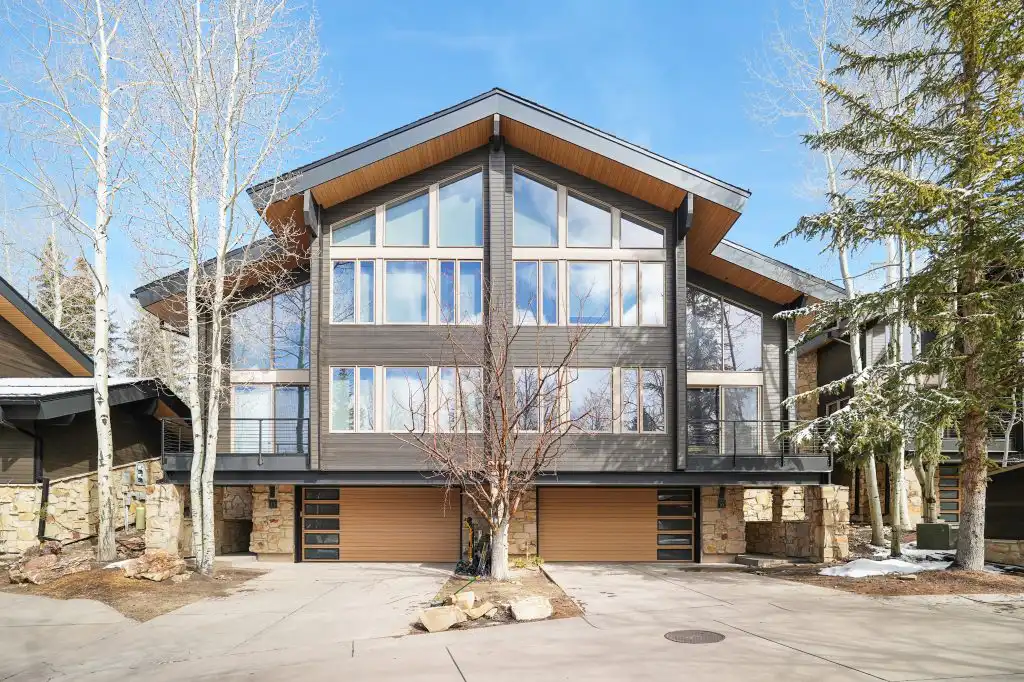
Which Shiplap Siding Should You Choose?
Composite shiplap siding wins on durability, maintenance load, and total cost over time. Wood is the right call where the client values the natural material and is genuinely equipped to maintain it. That conversation is worth having before the spec is locked, not after the first service call.
For most exterior cladding projects, particularly in coastal and high-humidity climates, composite is the rational default. For builders and architects who want to see how composite shiplap performs across real installations, browse project examples from coastal, high-humidity, and architecturally demanding builds.
Ready to Experience the
Difference?
Ask for ACRE at your local lumber yard or order samples to see for yourself why builders are making the switch.