What Is Composite Decking? Types, Cost, and How to Choose
September 2026What Is Composite Decking?
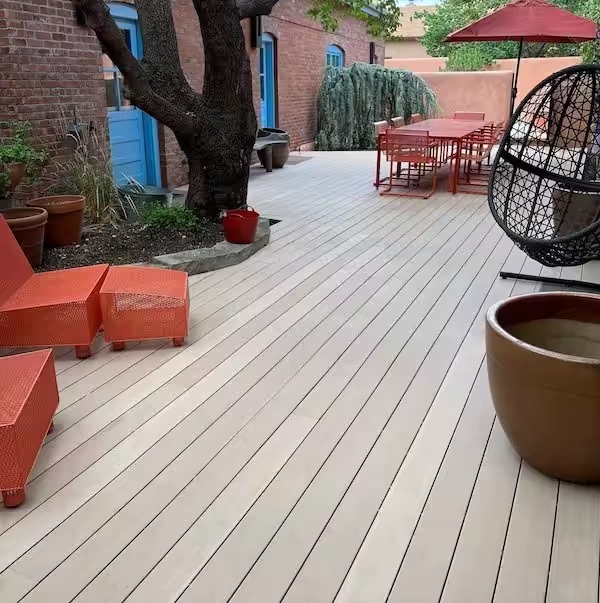
Composite decking is a deck board made by blending plastic with a fiber, then forming the mixture into a solid, uniform board. Most boards combine recycled polyethylene or polypropylene with a fiber filler, and many carry a bonded polymer shell called a cap. The result is a board that holds the look of wood without the regular sanding, staining, and sealing that most exterior wood needs.
It is not the same as either material people tend to confuse it with. Unlike solid lumber, it will not splinter, rot, or feed insects the way an untreated board does. Unlike an all-plastic board, the fiber gives it more rigidity and a more natural surface.
The word "composite" covers a wider range than most buyers expect. The fiber can be wood flour, a mineral filler, or an agricultural byproduct like rice hulls, and that single choice drives how a board handles moisture, heat, and fading. Knowing which type you are looking at matters more than the brand name on the box, so the rest of this guide walks through what these boards are made of, the main types, what they cost, how long they last, and how to pick the right one.
What Composite Decking Is Made Of
Two ingredients make up almost every composite board: a plastic and a fiber or mineral filler. According to the USDA Forest Products Laboratory, wood-plastic composites are built primarily from wood or cellulose fiber combined with plastics, most commonly polyethylene, polypropylene, or PVC. A wood-plastic composite can run up to about 70 percent wood fiber, though a roughly even split of wood and plastic is common.
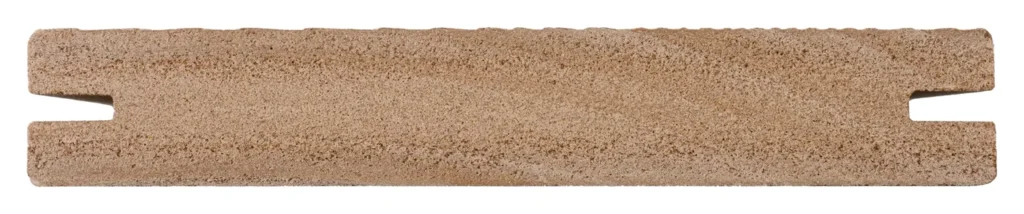
The plastic is frequently recycled. High-density polyethylene, one of the workhorse plastics in decking, is the same #2 plastic used for milk jugs and detergent bottles, and the U.S. Environmental Protection Agency tracks it as a widely recovered material. Using it in a deck board keeps durable plastic out of the landfill and gives the board its moisture resistance.
The fiber is where boards diverge, and it explains most of the performance differences buyers run into. Wood flour is cheap and gives a natural texture, but the Forest Products Laboratory notes the wood component stays vulnerable to moisture, mold, and decay, which is why the plastic and any surface cap matter so much. Swap the wood flour for an inorganic mineral filler, or for rice hulls, which are high in silica and low in the sugars that feed decay, and that vulnerability drops. That split, wood-fiber boards on one side and mineral or rice-hull boards on the other, drives many of the trade-offs in the sections below.
The Main Types of Composite Decking
Composite decking sorts into a few categories, and one more distinction, capped versus uncapped, cuts across most of them. Start with that distinction, because it drives more of a board's real-world performance than the category name does.
Capped versus uncapped. An uncapped board is the same material all the way through, so the fiber near the surface is exposed to moisture, fading, and mold. A capped board wraps that core in a co-extruded polymer shell that resists fading, staining, mold, and light scratching. The cap can cover just the top and sides or fully wrap the board, and a fully wrapped cap shields the core most fully, though cut ends and fastener holes still need care. Capping is common on current lines, and it is the upgrade that addressed most first-generation complaints.
The categories then differ by what the board is actually made of.
Wood-plastic composite (WPC) is the classic, a blend of wood flour and plastic sold both capped and uncapped. It is the most common and the most affordable, and that wood content is also what makes an uncapped WPC board the most prone to fading and surface mold.
PVC and cellular PVC contain no wood at all. They are essentially waterproof and lighter, which makes them a favorite for pools and coastal builds, though they sit at the top of the price range and lighter tones are the norm.
Mineral-based composite replaces wood flour with a mineral filler such as calcium carbonate. With little organic material inside, it absorbs very little moisture and moves less with temperature swings, though fewer product lines are on the market than mainstream wood-plastic boards.
Rice-hull composite uses rice husks, a byproduct of milling rice, as the fiber. Peer-reviewed USDA research in the journal Polymers describes rice hulls as an abundant, low-cost agricultural byproduct used as a filler in plastics. Because the hull is naturally low in the sugars that feed decay, this category resists rot even without a plastic cap. Modern Mill's ACRE decking is a rice-hull composite of this kind: tree-free, made from upcycled rice hulls, and suitable for ground contact without sealing. Shoppers often lump every "composite" board together, but a rice-hull board carries no wood flour to rot or decay.
| Category | Made of | Moisture / mold resistance | Relative cost | Best for |
|---|---|---|---|---|
| Wood-plastic, uncapped | Wood flour + plastic | Lowest (exposed fiber) | $ | Tight budgets, shaded low-use decks |
| Wood-plastic, capped | Wood flour + polymer cap | Good (cap-dependent) | $$ | Most residential decks |
| PVC / cellular | All plastic, no wood | Highest | $$$ | Pools, coastal, wet zones |
| Mineral-based | Mineral filler + plastic | High | $$ | Hot, high-movement climates |
| Rice-hull | Rice husks + polymer | High (low organic content) | $$$ | Tree-free, ground contact, moisture |
How Much Does Composite Decking Cost?
The confusion about composite decking cost usually comes from blending the deck-surface price with the whole-project price, so separate them. Homewyse puts the May 2026 national average to install synthetic decking at $23.50 to $28.75 per square foot. That figure covers the deck surface, meaning new boards plus the labor to install them over an existing frame. A complete new deck costs meaningfully more, because you are also paying for the framed substructure and full labor underneath, so price a fresh build separately from a re-decking and get local quotes for your own project.
Where a specific board lands within that range comes down to its type and cap. The tiers below run from the cheapest option to the most premium.
| Type | Relative material cost | What you get for it |
|---|---|---|
| Uncapped WPC | Lowest | Cheapest boards, shortest life, most upkeep |
| Capped WPC | Moderate | The mainstream value pick, capped protection |
| Premium capped WPC | High | Richer color, better cap, longer fade coverage |
| Mineral-based | Moderate | Low movement and moisture uptake |
| PVC / cellular | Highest | Waterproof, lightest, pool-ready |
| Rice-hull | Highest | Tree-free, rice-hull, ground-contact use |
Every composite tier costs more upfront than pressure-treated pine, and that gap is real. When a board sits at the top of the range, the reason is usually supply and material rather than one seller's markup: fewer manufacturers make PVC and rice-hull boards, and premium caps and denser fillers cost more to produce. What the premium buys is time, since there is no yearly refinishing and the board holds up for decades, where pressure-treated wood usually needs refinishing along the way and replacing sooner. Whether that trade favors you depends on how long you plan to keep the deck.
How Long Does Composite Decking Last?
Lifespan tracks closely with type. Uncapped wood-plastic composite tends to give 15 to 25 years, while capped composite, PVC, and mineral or rice-hull boards commonly reach 25 to 50 years, depending on formulation, climate, and how well the deck was installed. Many boards are evaluated against ASTM D7032, the standard that sets performance ratings for wood-plastic and plastic-lumber decking across tests that include fire performance and UV resistance. Ask for a product's evaluation report to see which of those criteria it actually meets.
Warranties are where buyers get tripped up. A "25-year" or "lifetime limited" warranty usually covers structural performance, and the fade and stain coverage is often a separate, shorter term with its own conditions. Warranties also commonly require you to follow the manufacturer's installation and cleaning instructions, so the wrong fasteners, the wrong joist spacing, or a harsh chemical cleaner can void coverage.
A well-made composite deck lasts decades and asks little of you along the way, as long as it is installed to spec and you read what the warranty actually promises. Read the coverage closely, since a warranty that covers manufacturing defects like rot or splintering is a narrower and more useful promise than a vague guarantee against every kind of weather.
Composite Decking Pros and Cons
The case for composite is strong: low maintenance, no splintering, resistance to rot and insects, consistent color, and a long service life, much of it built from recycled or reclaimed material. A quick wash with soap and water replaces the yearly sanding and staining that real wood needs. That is the reason the category keeps growing.
The drawbacks are real too, and each one has a fix that reduces it.
Heat. Dark boards in direct sun get hot, which is the most common complaint from people who own a composite deck. This is physics, not a defect, and it is the same reflectance effect you feel underfoot on pavement: the EPA measured light, reflective pavement staying 10 to 16 degrees cooler than dark asphalt in the same sun. Decking follows the same rule, so the biggest factor is color: lighter boards run cooler. Some manufacturers publish surface-temperature data for their boards, which is worth comparing if barefoot comfort is a priority.
Fading. Uncapped boards fade toward gray within a few years. Capped boards hold color far better, though every exterior surface weathers a little in its first months before it stabilizes. Low maintenance does not mean colorfast forever, so pick a capped or fade-rated board if consistent color matters.
Mold and staining. Surface mold can grow on debris left on uncapped wood-plastic boards, where the exposed wood fiber gives it something to feed on. A cap blocks it, mineral boards have no organic fiber, and rice-hull boards resist the rot that plagues exposed wood flour.
Scratches and repairs. Composite is scratch-resistant, not scratch-proof, and unlike wood you cannot sand a gouge out. Color runs through many boards to hide light marks, but a deep scratch means swapping the board. Textured, wire-brushed surfaces hide wear better and improve grip, which helps with the slipperiness a smooth plastic surface can have when wet.
Stiffness and installation. Composite flexes more than a dense hardwood, so it relies on correct joist spacing and gaps left at board ends for thermal movement. Get those right, following the manufacturer's spec, and the deck feels solid and stays flat; skip them and you invite sag or end-gaps. Done well, the payoff is a splinter-free, low-upkeep surface, which our guide to user-friendly, splinter-free decks covers in more detail.
How Composite Decking Compares to Wood
The short version: wood costs less upfront and offers a warmth some builders still prefer, while composite costs more at the start and earns it back by skipping the annual maintenance and lasting longer. Wood can be sanded and refinished when it wears; composite cannot, but it also does not need to. If you are weighing the two head to head, our breakdown of composite decking versus wood decking runs the full comparison on durability, upkeep, cost, and feel.
How to Choose the Right Composite Decking
Pick the type by the conditions your deck actually faces, then choose a brand within that type.
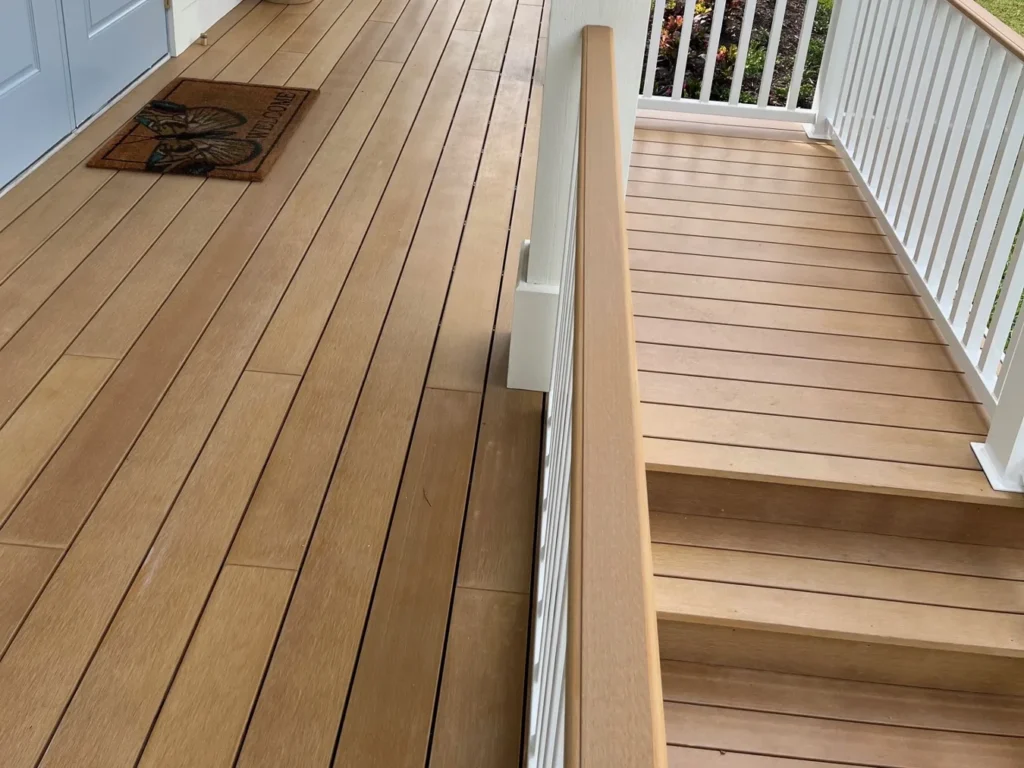
Hot, high-sun spots. Go lighter in color, which is the biggest factor in how hot a board gets, and favor lines that come in lighter tones. If the family walks barefoot, this matters more than almost anything else.
Wet zones and pools. Moisture is the enemy of the wood-fiber core, so a pool deck or a low, damp yard favors PVC, mineral, or rice-hull boards, and an uncapped wood-plastic board is the wrong pick. Because a smooth plastic surface can get slick when wet, choose a textured board around a pool. For the wet-area specifics, see decking for poolside spaces.
Budget. If upfront cost drives the decision, capped wood-plastic composite is the value sweet spot. Save uncapped only for shaded, low-traffic decks where fade and mold pressure are low.
Look. Wire-brushed and multi-tonal boards read far more like real wood than the flat, uniform boards of a decade ago, and the texture doubles as grip.
Tree-free or ground-contact needs. If you want to avoid wood fiber entirely or need boards that touch soil, a rice-hull board like Modern Mill's ACRE is built for it, and it machines with standard woodworking tools, which keeps installation familiar for a crew used to lumber.
Match the board to the site first. A great brand in the wrong category still disappoints, and a modest board in the right one performs.
The Bottom Line
Composite decking is a whole family of materials, and the fiber inside the board (wood flour, mineral, or rice hull) tells you most of what you need to know about how it will handle sun, water, and time. Sort out the type and the cap first, read the warranty for what it actually covers, and the rest of the decision gets simple.
If a tree-free board that resists water, weather, rot, and pests fits your project, Modern Mill's ACRE decking is a rice-hull composite worth a look, and you can order a sample to see and handle the board before you commit. Matching the material to your climate and how you will use the deck is what separates a surface you maintain from one you simply enjoy.
Frequently Asked Questions
What is composite decking actually made of?
Composite decking is a blend of plastic and a fiber, formed into a solid board. The plastic is usually polyethylene, polypropylene, or PVC, often from recycled sources, and the fiber is wood flour, a mineral filler, or rice hulls. Many boards add a bonded polymer cap for extra protection against fading and moisture.
Does composite decking get too hot to walk on barefoot?
Dark boards in direct sun can get uncomfortably hot, the same way any dark surface does. Color is the main lever: lighter boards run noticeably cooler than dark ones. Shade and lighter tones make the biggest difference for barefoot comfort, and some manufacturers publish surface-temperature data worth comparing.
Does composite decking fade over time?
Uncapped boards fade toward gray within a few years. Capped boards hold their color far better and typically show only slight weathering in the first months before stabilizing. If consistent color matters to you, choose a capped or fade-rated board rather than the cheapest uncapped option.
What is the difference between capped and uncapped composite decking?
Uncapped boards are the same material all the way through, which leaves the fiber exposed to moisture, mold, and fading. Capped boards wrap that core in a co-extruded polymer shell that resists fading, staining, mold, and scratching. Capping is common on current boards and reduces the fading, staining, and moisture problems that plagued early uncapped composites.
Is composite decking worth the extra cost over wood?
It usually is if you plan to keep the deck for many years. Composite costs more upfront than pressure-treated wood but eliminates the annual sanding, staining, and sealing and lasts longer, so the higher price buys back time and reduced upkeep. For a short-term or budget-first project, wood can still make sense.
How long does composite decking really last?
Uncapped wood-plastic composite generally lasts 15 to 25 years, while capped composite, PVC, and mineral or rice-hull boards commonly reach 25 to 50 years. Boards evaluated against ASTM D7032 have documented performance ratings, and real-world lifespan depends on the product, its exposure, and installation to the manufacturer's specifications.
Ready to Experience the
Difference?
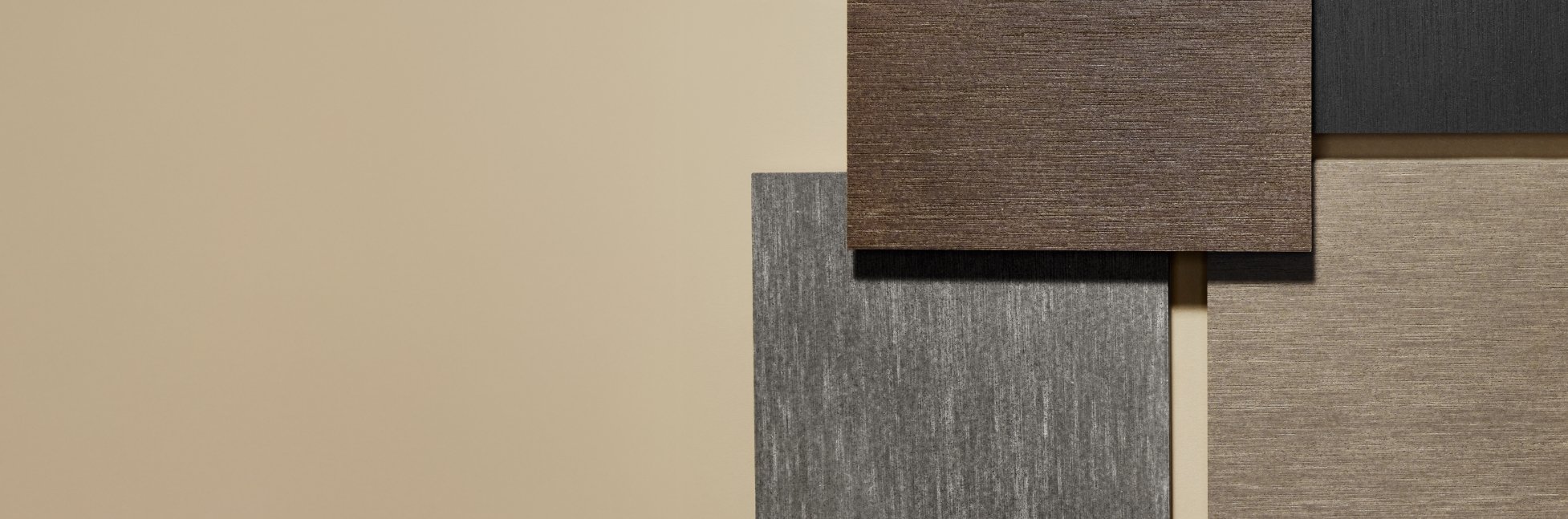
Ask for ACRE at your local lumber yard or order samples to see for yourself why builders are making the switch.