Environmental Benefits of Using Recycled Materials in Construction
April 2025The construction industry plays a significant role in environmental health, prompting homeowners and builders to seek sustainable solutions that reduce their ecological footprint. As demand for new buildings and renovations grows, so does the urgency to adopt more responsible practices. One of the most effective ways to lower the environmental impact of construction is by integrating recycled or upcycled materials.
These alternatives help conserve natural resources, minimize waste, and reduce energy consumption during manufacturing. In this guide, we explore the tangible environmental benefits of using recycled materials and highlight sustainable innovations in the building space that support a more circular and eco-conscious built environment.
Conserving Natural Resources
Using recycled or upcycled materials helps conserve precious natural resources like wood which is traditionally extracted through resource-intensive processes. By reducing the demand for virgin materials, builders can significantly lessen the environmental toll associated with raw material extraction.
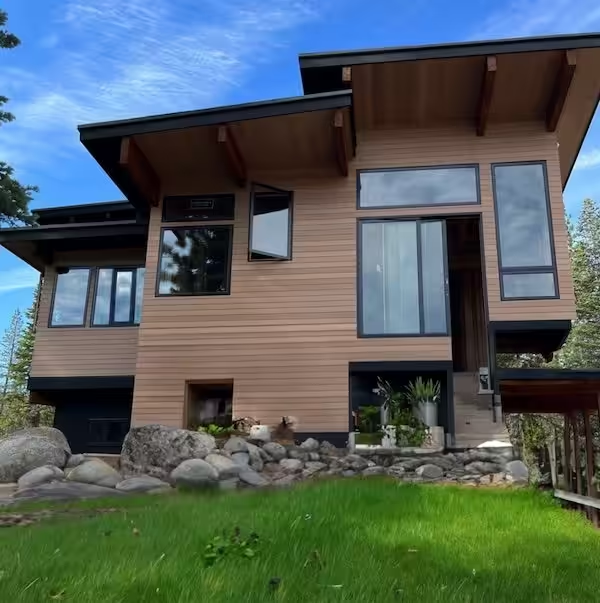
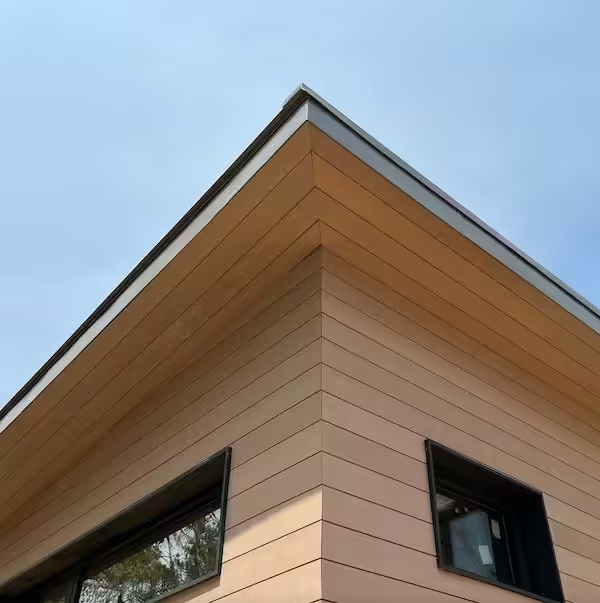
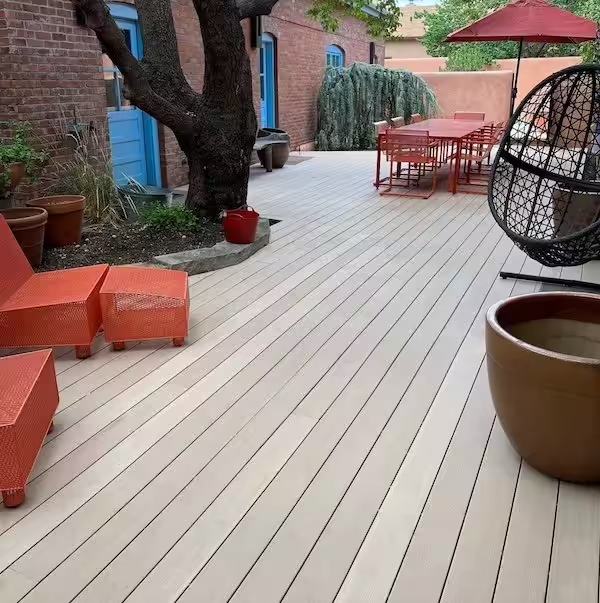
- Preservation of Forests: Choosing materials made from agricultural waste—such as rice hulls—offers a smart alternative to traditional wood products. Innovative siding options that repurpose these byproducts help reduce deforestation and protect vital ecosystems, all while delivering the look and performance of natural wood.
- Reduced Need for Raw Materials: Recycled composite materials used in decking, fencing, and trim dramatically lower the need for newly harvested wood. These solutions help maintain biodiversity and safeguard habitats that would otherwise be disrupted by land clearing and deforestation, supporting a more sustainable and regenerative approach to construction.
Minimizing Waste and Landfill Usage
The construction industry generates a substantial amount of waste, much of which has traditionally ended up in landfills, contributing to pollution, methane emissions, and unnecessary resource loss. By integrating recycled and upcycled materials into building projects, designers and builders can significantly reduce landfill contributions and improve overall environmental health.
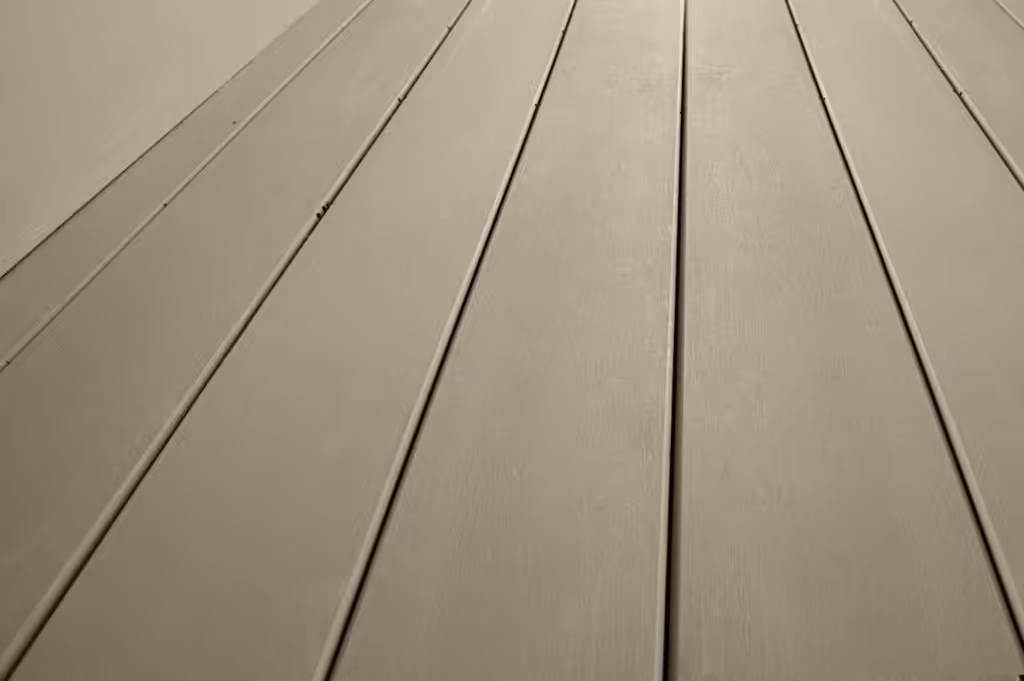
- Repurposing Agricultural Waste: Innovative products like Modern Mill’s ACRE line of eco-friendly siding transform rice hulls—an abundant agricultural byproduct that would otherwise go to waste—into high-performance building materials. This approach not only diverts waste from landfills but also exemplifies how using more practical resources can be an effective replacement to precious wood species.
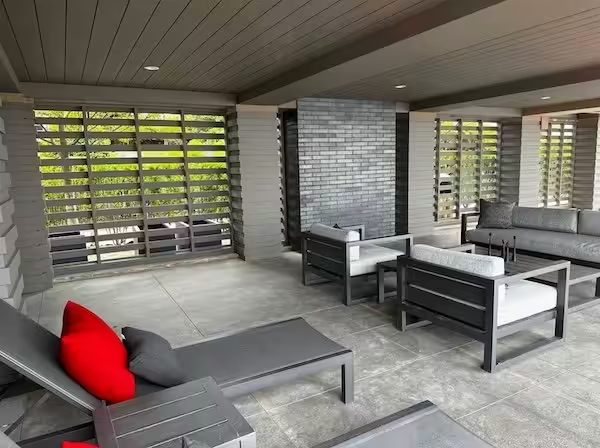
- Sustainable Composite Decking: Decking made from recycled plastics and agricultural waste provides a long-lasting, low-maintenance alternative to traditional wood. By giving new life to discarded materials, composite decking helps close the loop on waste, offering homeowners and builders a sustainable solution that performs well without contributing to the waste stream.
Promoting Sustainable Innovation in Building Materials
The increasing demand for recycled materials has sparked innovation in the construction industry, resulting in groundbreaking products that combine sustainability with practical, everyday use in homes.
- Rice Hull-Based Materials: Modern Mill’s rice hull-based ACRE products is an award winning solution for its clean manufacturing and tree-free and recyclable product design. From siding to decking, these products deliver durability and aesthetics while being eco-friendly, offering immediate sustainable construction solutions for homeowners and builders seeking to reduce their environmental impact.
- DIY-Friendly Sustainable Products: Innovative recycled composites are also making it easier for homeowners to embrace sustainability in their own projects. From durable furniture to fences and garden features, these DIY-friendly materials offer simple, effective ways to reduce waste and make a positive environmental impact. Whether improving outdoor spaces or creating functional indoor pieces, these sustainable materials empower homeowners to contribute to a greener future.
Improved Durability and Reduced Maintenance
Materials made from recycled content not only reduce waste, they can also offer enhanced durability that lessens the need for frequent maintenance and replacement. A great example is the use of rice hulls, a natural byproduct of agriculture, in high-performance building materials.
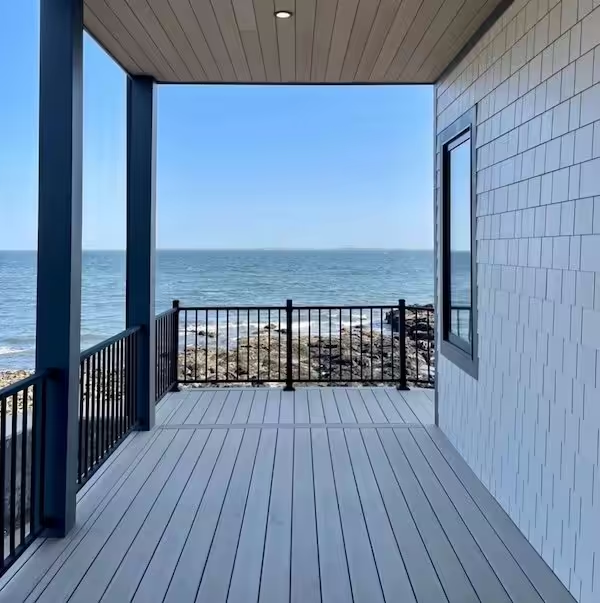
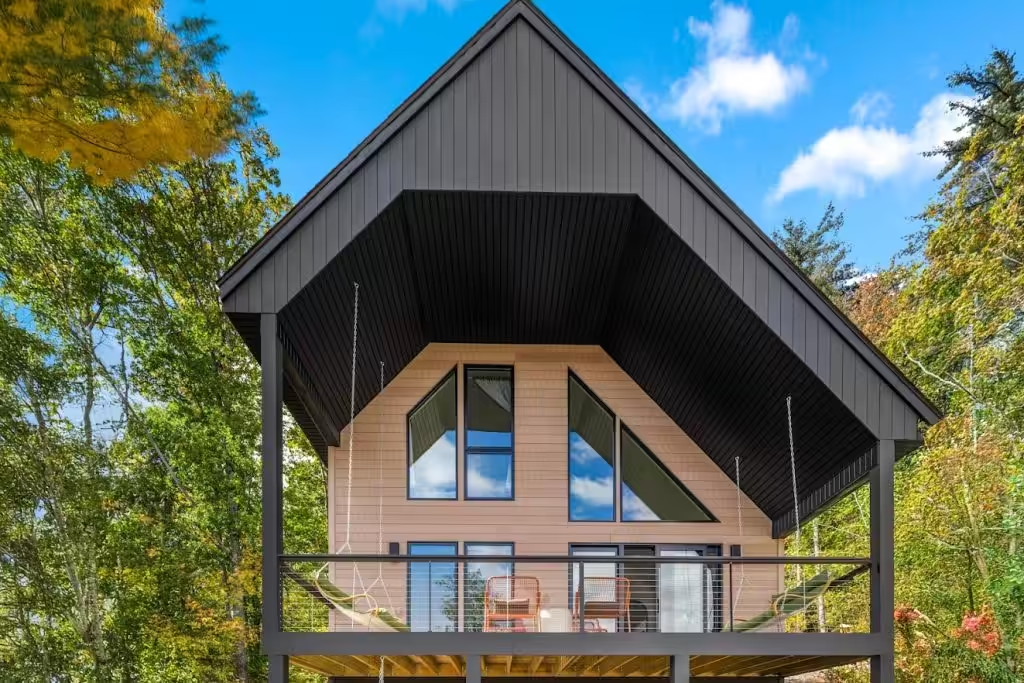
- Rice Hulls: Nature’s Built-In Protection: Rice hulls serve as the tough outer layer of rice grains, naturally resistant to moisture, pests, and harsh weather conditions. When repurposed into building materials, these same protective properties carry over, resulting in products like ACRE that are highly resistant to rot, mold, and insect damage. This makes them ideal for exterior applications like decking, siding, and porch boards, where weather resistance is critical — see ACRE’s coastal-climate performance in more detail.
- Durable and Recyclable: Because rice hull–based materials are inherently resilient, they reduce the need for ongoing maintenance, coatings, or treatments. Plus, many of these products remain recyclable at the end of their lifecycle, supporting a more circular approach to construction without sacrificing performance.
Enhancing Property Value and Market Appeal
Sustainable building choices don’t just benefit the environment, they can also enhance a project’s value and marketability. As more buyers prioritize eco-conscious living, the use of recycled and sustainable materials is becoming a key selling point.
- Increasing Home Value: Eco-friendly features like composite materials can boost property value by aligning with growing market preferences. These materials signal long-term durability, reduced maintenance, and environmental responsibility, qualities that resonate with today’s homebuyers.
- Attracting Eco-Conscious Buyers: Incorporating recycled materials into a renovation or new build reflects a homeowner’s commitment to sustainability, which can differentiate a property in a competitive real estate market. Buyers who value environmental stewardship are more likely to invest in homes that align with their principles, enhancing both the property’s appeal and its overall market value.
Conclusion:
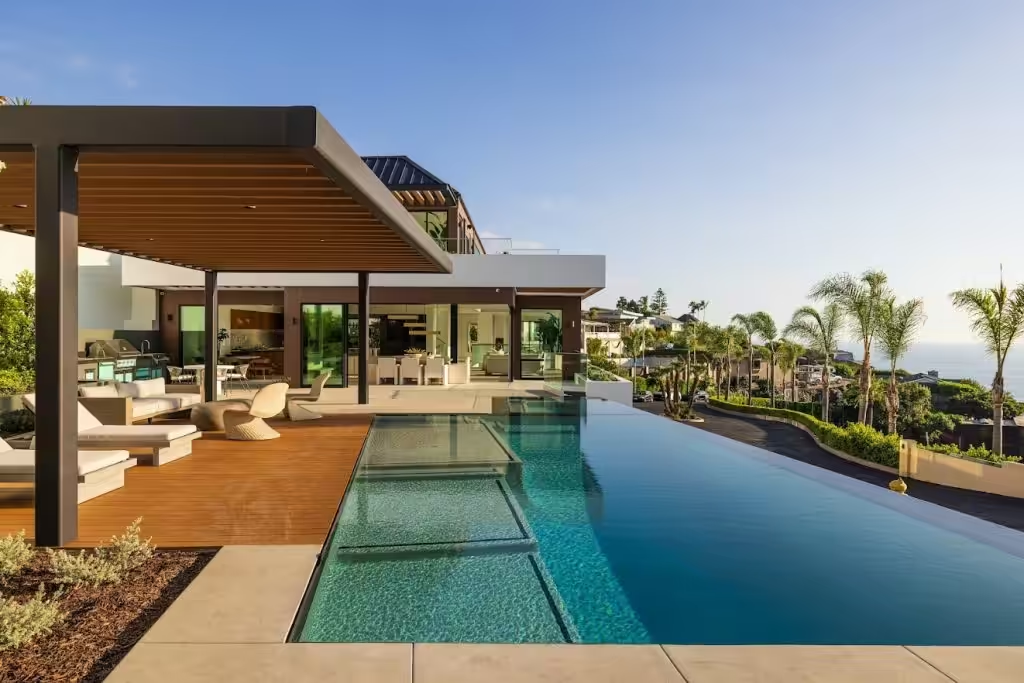
As the construction industry evolves to meet the demands of a more sustainable future, integrating recycled and upcycled materials stands out as a practical and impactful solution. From conserving natural resources and minimizing waste to promoting innovation and boosting property value, the benefits of using recycled materials in building projects are both wide-ranging and deeply meaningful.
Whether you’re a homeowner tackling a DIY project or a builder planning a large-scale development, choosing sustainable materials not only protects the environment—it also supports smarter, more responsible design. For a broader roundup, see our guide to the best sustainable construction materials for an eco-friendly home. By embracing recycled solutions today, we can help shape a healthier, more resilient built environment for generations to come.
Interested in integrating recycled, sustainable materials into your next home project? Order ACRE samples or complete our contact form below to learn how these innovative solutions can enhance your space.
Ready to Experience the
Difference?
Ask for ACRE at your local lumber yard or order samples to see for yourself why builders are making the switch.