Low Maintenance Faux Cedar Siding Options
March 2026Ask any contractor who has remodeled a 15-year-old cedar exterior and their experience is likely the same. The siding still looks decent from the street, but once you start pulling boards you find soft spots, staining that has surrendered to the weather, and has been decaying to moisture for years without anyone noticing. Cedar ages quietly and then all at once.
According to This Old House, cedar siding costs an average of $11.70 per square foot installed, with most homeowners spending around $29,250 for a full exterior. That upfront investment is only the starting point. A 14-year outdoor exposure study by the USDA Forest Products Laboratory found that semitransparent stains on western red cedar require reapplication every two to five years depending on climate and exposure, with solid-color stains lasting five to seven years. That maintenance cycle repeats four to ten times over the life of the material.
Faux cedar siding, also referred to as synthetic wood siding or faux wood siding depending on the material, is designed to replicate cedar’s wood-grain appearance using materials that resist rot, insects, and weathering without requiring frequent recoating. This article breaks down the main alternatives to cedar, how they compare to real cedar, and what to consider before specifying.
Why Cedar Siding Requires So Much Maintenance
Cedar is a naturally rot-resistant species, but that resistance diminishes as the wood weathers. The oils that provide protection break down under UV exposure. Exposed to moisture and freeze-thaw cycling, cedar checks, splinters, and eventually admits water at joints and end grain. Rot often starts inside the board, invisible from the exterior, before it surfaces as a structural problem. The effect is even more pronounced in salt air markets. By the time deterioration is visible from the street, it has usually been progressing for years.
What Are the Most Popular Cedar Siding Alternatives
Many builders and architects still work with real wood, either staying with cedar or specifying another species depending on the project’s climate and budget. For those looking to move away from wood entirely, composites and fiber cement are two of the most well known wood alternatives. They eliminate the rot and pest vulnerabilities that drive cedar’s maintenance costs but where it fails to replace cedar is with the natural beauty and easy workability of wood.
Composite siding particularly has been gaining ground steadily over the past decade, and for good reason. Early composite products earned a reputation for looking synthetic and unconvincing next to real wood, which made homeowner buy-in difficult. Newer composite materials have closed that gap significantly, enough that architects and contractors who were once skeptical are now specifying them on high-visibility projects where aesthetics are non-negotiable. The Los Angeles Times reported on how builders are switching away from wood for composites made from rice husks for these very reasons.
How Faux Cedar Siding Options Compare to Real Cedar
Where cedar alternatives gain their advantage is at the material level. Cedar demands constant maintenance because it absorbs moisture, checks under UV, and gives rot and insects a substrate to take hold. Alternatives that reduce or eliminate organic content interrupt that process at the source rather than managing it with surface treatments on a recurring schedule.
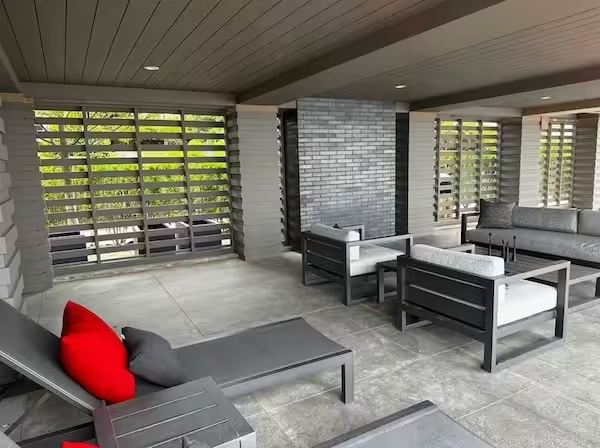
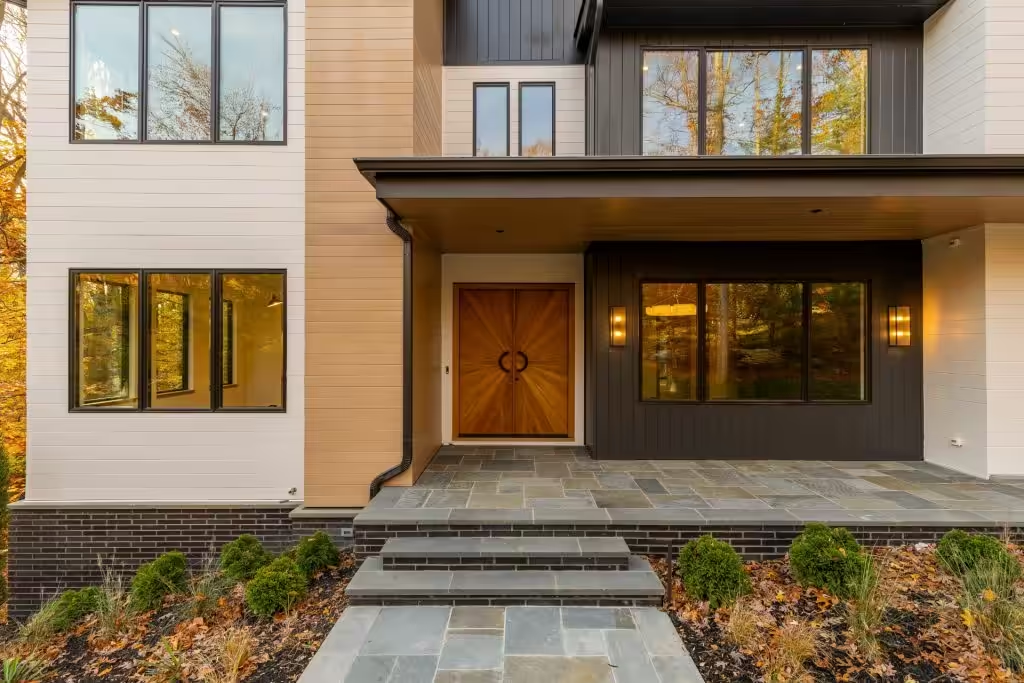
Composites made from low or no organic content go furthest in that direction. They contain no wood fiber, absorb no moisture, and remove rot and insect vulnerability at the material level entirely. They install lighter than heavier alternatives, select composites accept stain the way real wood does, and are available in the profiles most commonly specified in cedar applications, including shiplap siding, nickel gap siding, and v-groove siding.
What We Hear From Builders and Architects Moving Away From Cedar
In our experience working with builders and architects looking for alternatives to cedar, they’re not doing it because wood is out of style. They are doing it because the wood has become too expensive, or is too difficult to source and is not worth the maintenance for their clients.
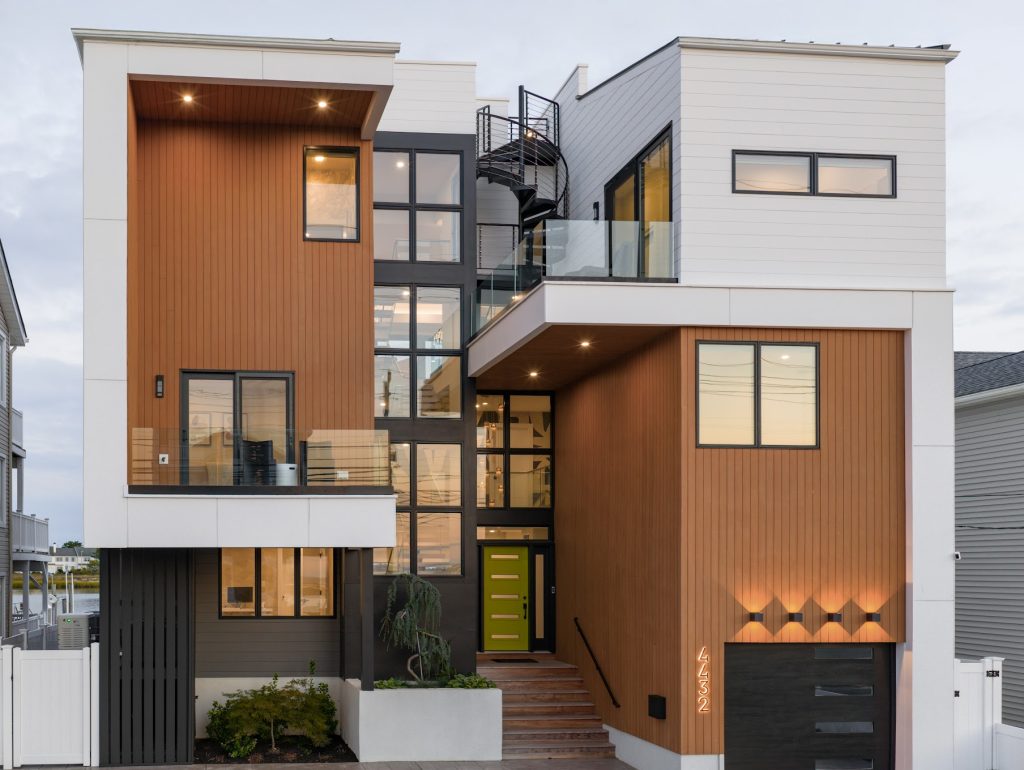
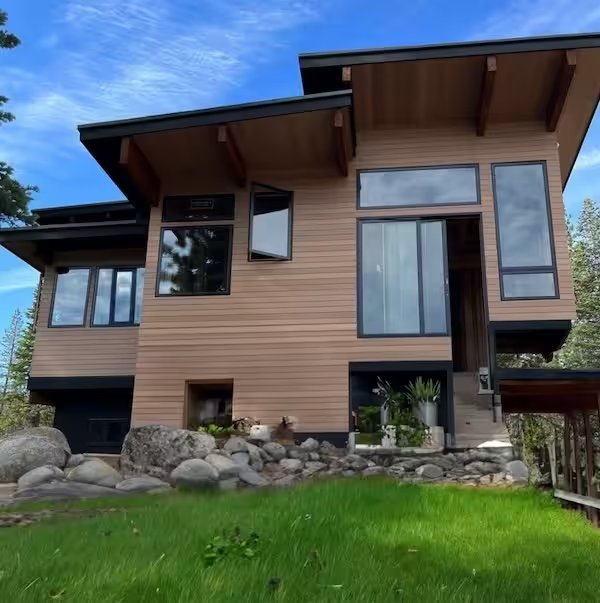
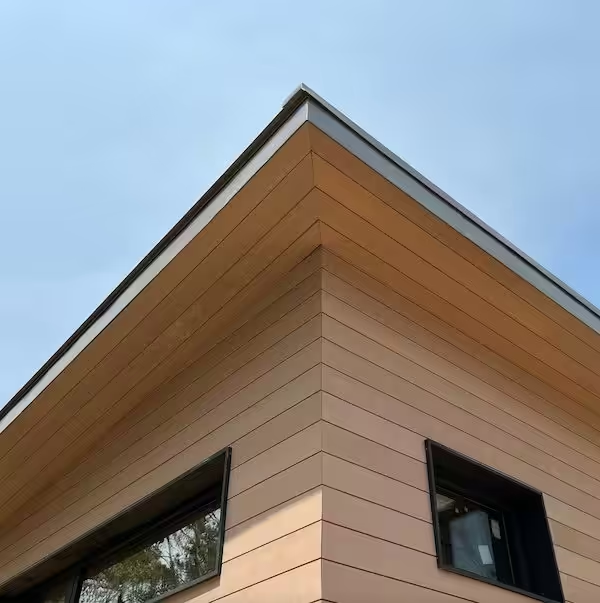
Chaser Gaffney, the architect behind The Reframe in Brigantine, New Jersey, came to us with those exact concerns. He was renovating a 1980s bayfront home and needed a vertical shiplap that could carry a cedar stain finish and hold it in a demanding coastal environment. Chaser recalled, “I love the look of real wood on a house, but along the New Jersey coast it fades to gray very quickly.” After specifying ACRE vertical shiplap with a cedar stain, Gaffney noted: “It looks like wood, cuts like wood. What really set it apart on this project is that we were able to use it for both the exterior walls and the soffits, which allowed the material to wrap continuously across surfaces.”
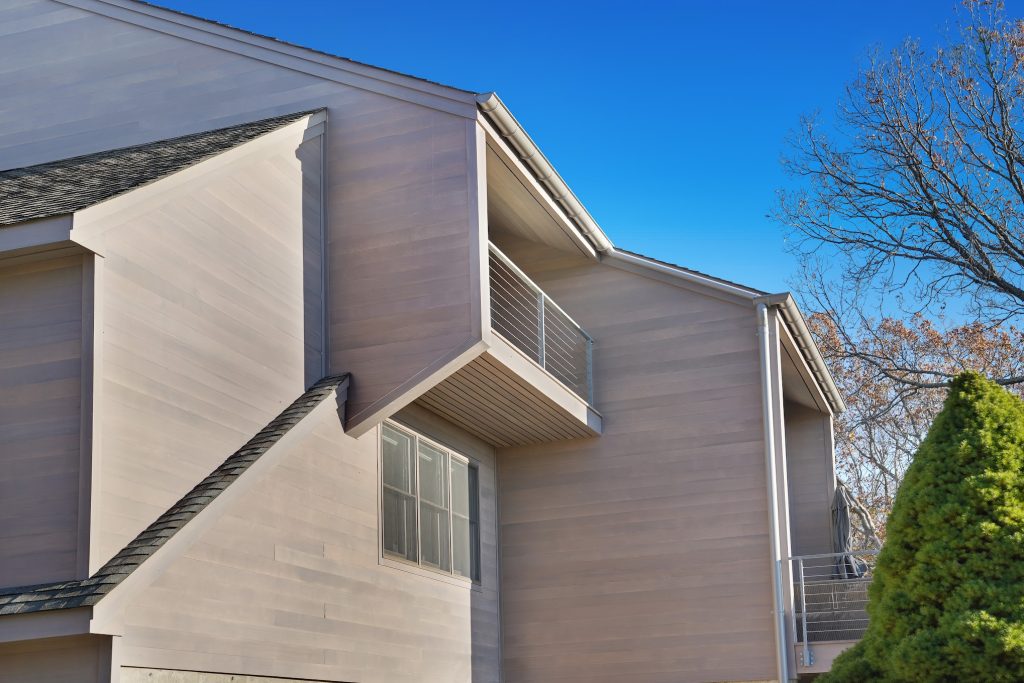
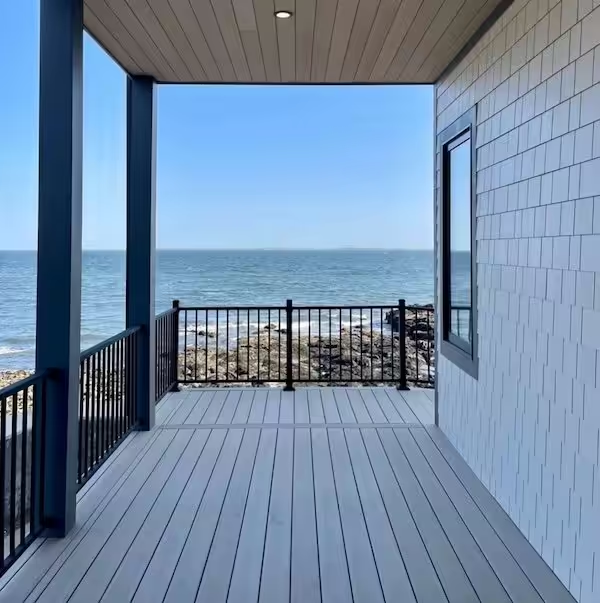
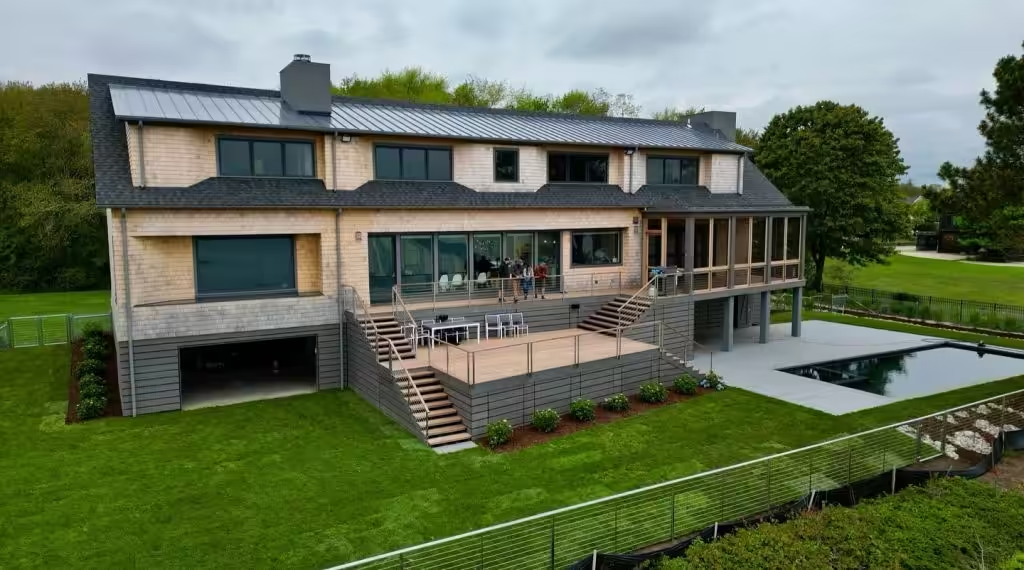
Contractor Ian Pedersen came from a different angle on the Montauk beach house project in New York. The home’s original cedar had already deteriorated beyond serviceability. Pedersen was skeptical of alternatives and put the material through his own tests before committing — buried it, froze it, and submerged a sample tied to a rock at the bottom of a lake for six weeks. “I tried hard to disprove it,” Pedersen said. “After that lake test when I saw that it looked the same as when I first received it, I knew ACRE was right for this special project and we were not disappointed.”
Which Faux Cedar Siding Material Fits Your Project?
The right material depends on your climate, project timeline, and how you want to handle upfront versus lifetime cost.
All of the main cedar alternatives reduce the maintenance burden compared to real wood — the question is how much reduction you need and what you are willing to invest upfront to achieve it. Materials with little to no organic content offer the most significant long-term reduction and require the least ongoing intervention. Those that still contain organic material come in at a lower initial cost but require periodic surface treatment to hold up over time. The right choice depends on where your project sits on that spectrum.
The best starting point is a conversation with your client about what they actually want from their exterior. If low upkeep and reduced environmental impact are priorities, faux cedar alternatives are one of the best available solutions. For the full picture on upkeep across materials, see our low-maintenance siding guide.
If you are ready to explore cedar alternatives today, get started here.
Ready to Experience the
Difference?
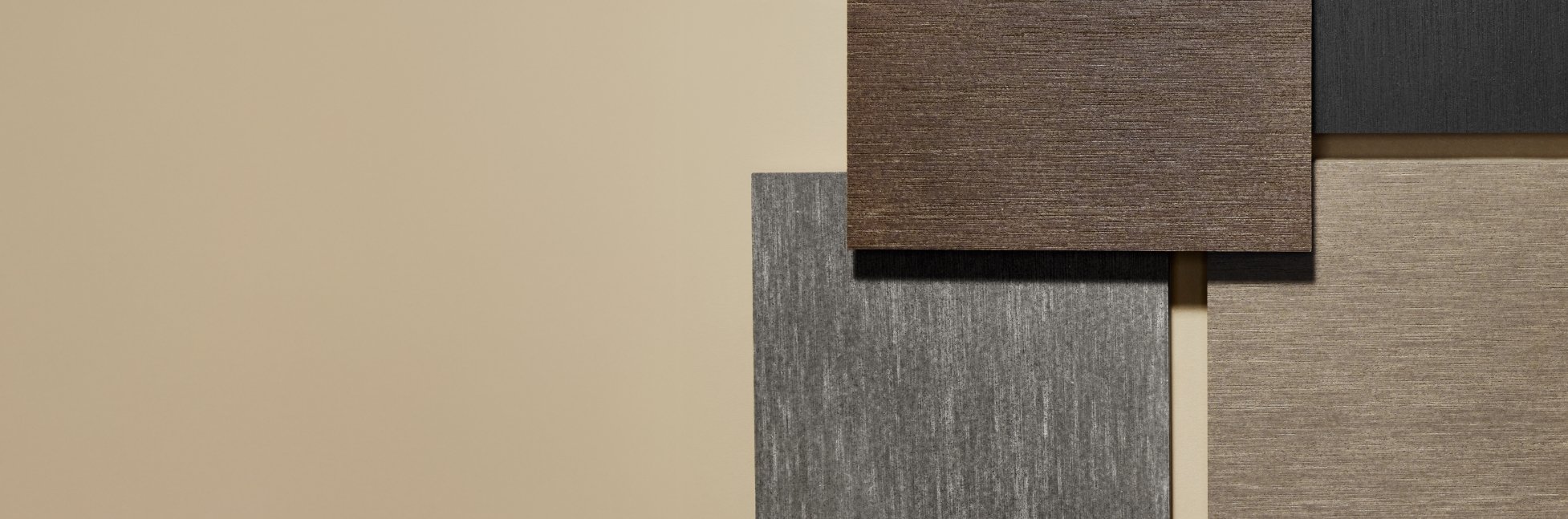
Ask for ACRE at your local lumber yard or order samples to see for yourself why builders are making the switch.