Top Alternatives to Cedar Siding
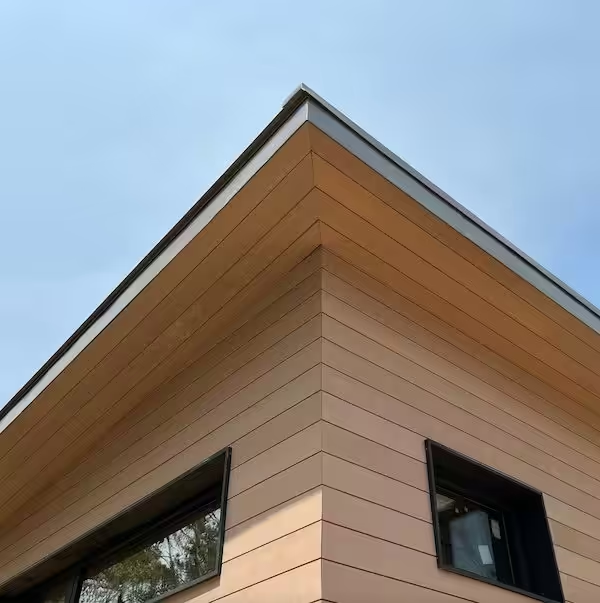
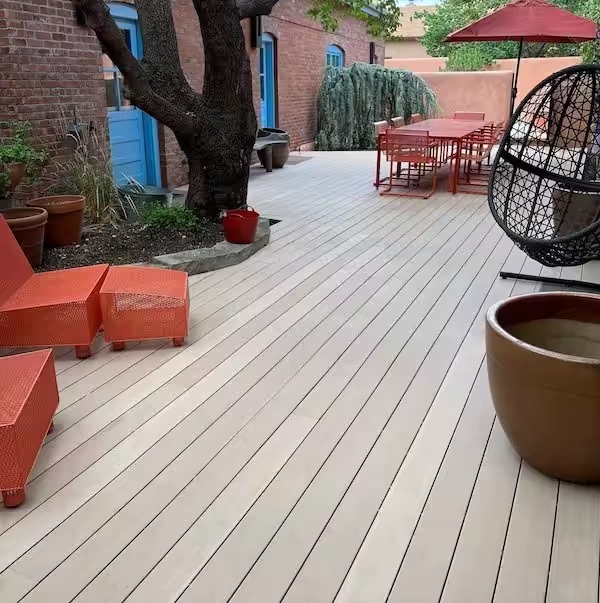
December 2025The most common alternatives to cedar siding are composite siding, fiber cement, vinyl, thermally modified wood, and faux wood or faux cedar panels. Composite options like ACRE reproduce cedar’s grain with less upkeep, while the others bring different strengths in availability, stability, or install simplicity. The table below breaks down how each one compares.
| Alternative | Maintenance | Durability | Cedar-Look Accuracy | Best For |
|---|---|---|---|---|
| Composite siding (ACRE) | Low | High | High | Homeowners wanting cedar’s warmth without the upkeep |
| Fiber cement | Moderate | High | Low to moderate | Fire resistance and long-term structural durability |
| Vinyl | Low | Moderate | Low | Budget-friendly, low-maintenance installations |
| Thermally modified wood | Moderate | High | High (real wood) | A true wood feel with improved stability |
| Faux wood / faux cedar panels | Low | Low to moderate | Moderate | Accent walls, secondary structures, and tight-budget projects |
Cedar siding is loved for its warmth, grain, and natural beauty which makes it a popular choice for architects, builders, and homeowners who want an inviting, wood-forward aesthetic. However, cedar siding boards have become increasingly expensive, harder to source, and more difficult to maintain as high-quality old-growth supply declines. Many projects now look for alternatives that capture the beauty of cedar while improving durability, consistency, and sustainability.
Why Look for a Cedar Alternative
Cedar remains beautiful, but it also comes with real challenges:
- Requires frequent sealing, staining, or painting
- Susceptible to moisture, insects, and fading
- Quality varies based on age of the tree and milling
- Old-growth cedar is harder to source, driving up costs
- Harvesting forests conflicts with sustainable building materials goals
As a result, interest in options like composite siding, faux cedar siding, and other engineered cladding has grown rapidly.
Leading Alternatives to Cedar Siding
1. Composite Siding
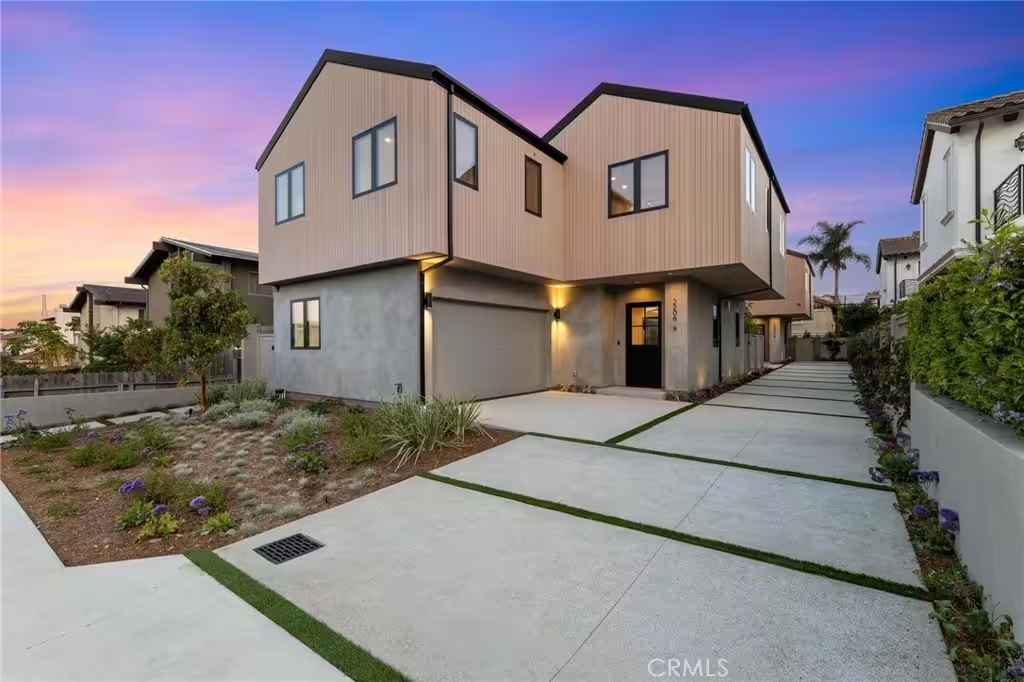
Composite siding has become one of the most common choices for replacing cedar. Many composites simulate the look of natural wood while offering greater durability and significantly less maintenance. Some products can be ordered pre-finished, eliminating site staining and reducing overall project time. For the shingled look specifically, see our guide to ACRE composite cedar shingle siding.
The main consideration with composites is realism. Some capped boards still look plastic-like or have limited color flexibility, which can make them feel artificial. Newer and more innovative materials, however, have closed this gap and can now deliver convincing wood texture and tone.
This is where next-generation materials like ACRE represent a major shift. Made from upcycled rice husks, ACRE is a next generation composite that delivers the richness and warmth once only associated with cedar siding.
2. Fiber Cement Siding
Fiber cement siding has been a long-standing alternative for homeowners who want strength and fire resistance. It can be produced with a wood-grain surface and installed in styles such as shiplap siding, lap siding, or board and batten.
While durable, fiber cement has tradeoffs:
- Heavy and more difficult to install
- Painted finishes require upkeep
- Edges can absorb water over time
- Produced harmful dust when cut on the jobsite
Fiber cement is functional, but it rarely achieves the true cedar aesthetic that many homeowners prefer.
3. Vinyl Siding
Vinyl siding is a widely used option thanks to its affordability and broad availability. It offers low maintenance and simple installation, making it appealing for budget-focused projects.
Its limitations, however, are notable:
- The appearance is typically less realistic than cedar
- Material can warp or crack in very hot or cold conditions
- Often considered too synthetic for biophilic design applications
Vinyl is practical, but it is not well suited for projects aiming for a luxury siding aesthetic or natural wood realism. See our full roundup of vinyl siding alternatives for more options.
4. Thermally Modified Wood
Thermally modified wood has gained interest as a higher-performing natural alternative. Through a heat-treatment process, the material becomes more stable and resistant to decay than standard cedar.
Still, it carries several drawbacks:
- Requires routine finishing
- Darker base tones limit color options
- Costs can be high
- Supply can vary by region
It provides improved durability while still behaving like a natural wood product.
5. Faux Wood and Faux Cedar Siding
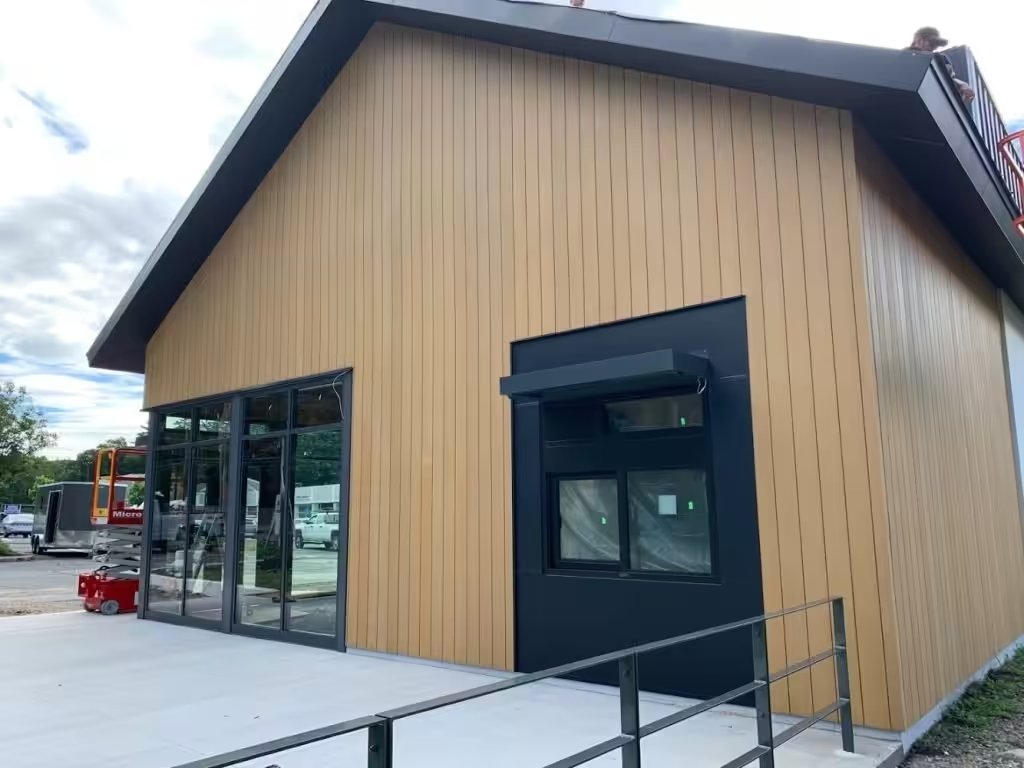
Faux cedar siding is one type of faux wood siding, a broader category covering exterior products built to mimic wood’s grain and color. It usually refers to lower-cost vinyl or foam panels made specifically to resemble cedar shakes or boards, separate from the composite and fiber cement options covered above.
These panels install quickly and need little to no on-site finishing, which keeps upfront labor low. Some use printed or molded grain patterns that repeat across boards, and color choices are often limited to a handful of factory tones. Lower-grade panels can also crack or become brittle in extreme heat or cold.
Faux wood panels work well for accent walls, secondary structures, or smaller projects where installation speed matters more than long-term realism. For a closer look at specific faux cedar products and how they compare, see our roundup of the best faux cedar siding products.
ACRE as a Cedar Replacement
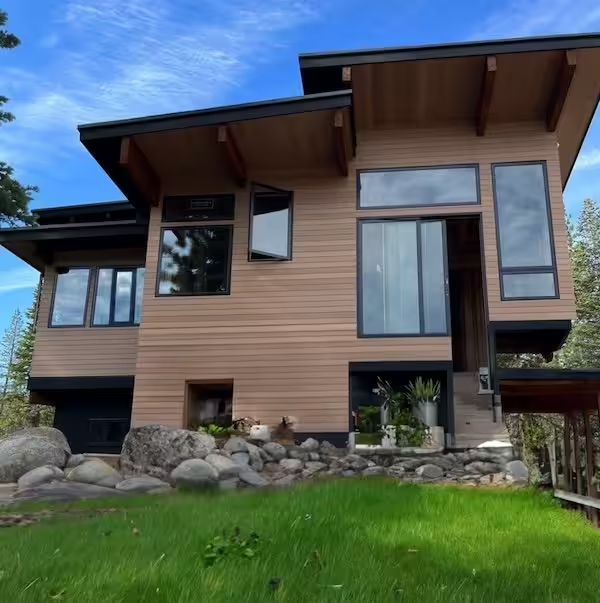
Among all cedar siding alternatives, ACRE by Modern Mill stands out as a material that delivers the natural beauty of wood without the tradeoffs of cedar or the limitations of other engineered products.
ACRE is made in the USA from upcycled rice hulls, and is a tree-free composite that looks and feels like wood without the tradeoffs. It provides the warm, tactile surface associated with cedar siding boards while offering long-term stability in any climate. For a full breakdown of cost, pros, and cons, see how rice hull siding compares to cedar.
Why ACRE is becoming a top choice for cedar replacement
- Stainable and paintable like true wood
- Beautiful wood-grain texture and natural warmth
- Zero trees harvested and made in a zero-waste facility
- Resists moisture, rot, insects, splitting, and swelling
- Works with standard woodworking tools
- Made in USA – stable supply and predictable pricing
- Available in shiplap siding, nickel gap, v-groove, and other available profiles.
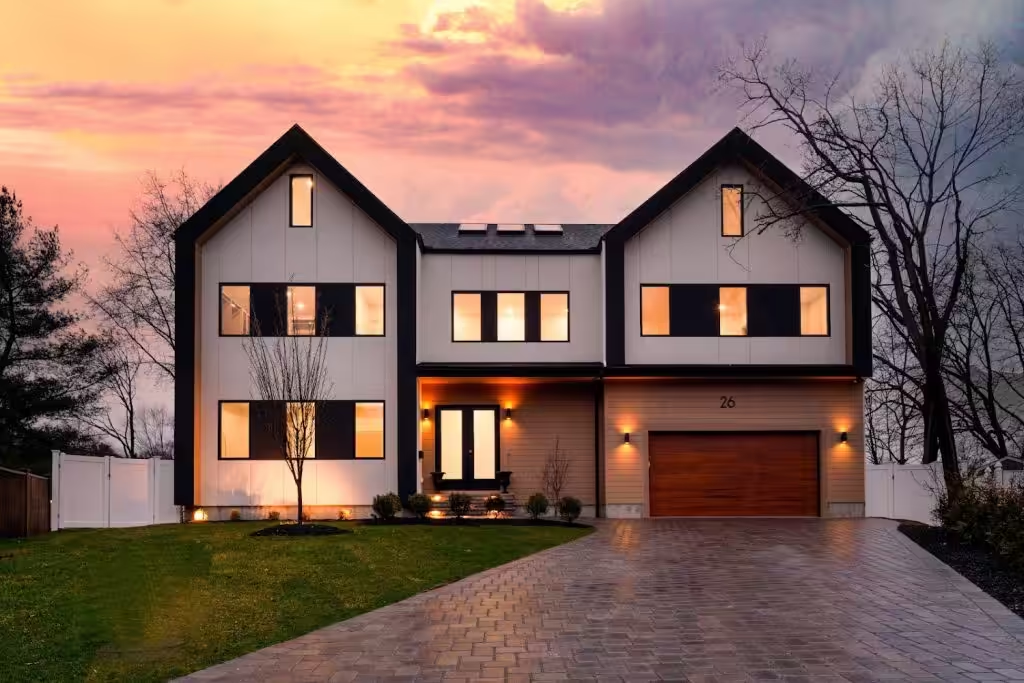
ACRE can also be pre-finished in cedar-inspired tones, making it an ideal alternative for homeowners and pros wanting the warmth of cedar without the upkeep.
Conclusion
Cedar siding remains a design classic, but its cost, maintenance, and sourcing challenges have encouraged many builders and homeowners to consider alternatives. Composite siding, fiber cement, vinyl, thermally modified wood, and faux wood panels all offer certain benefits, yet most have compromises in appearance, maintenance, or sustainability.
ACRE represents a new category of synthetic wood siding that bridges these gaps. It provides the warmth and feel of real cedar, long-lasting durability, low maintenance, and a tree-free manufacturing process that supports sustainable construction materials.Ready to explore a better cedar alternative? Order ACRE samples today and reach out to our team using the form below to discuss your next project.
Ready to Experience the
Difference?
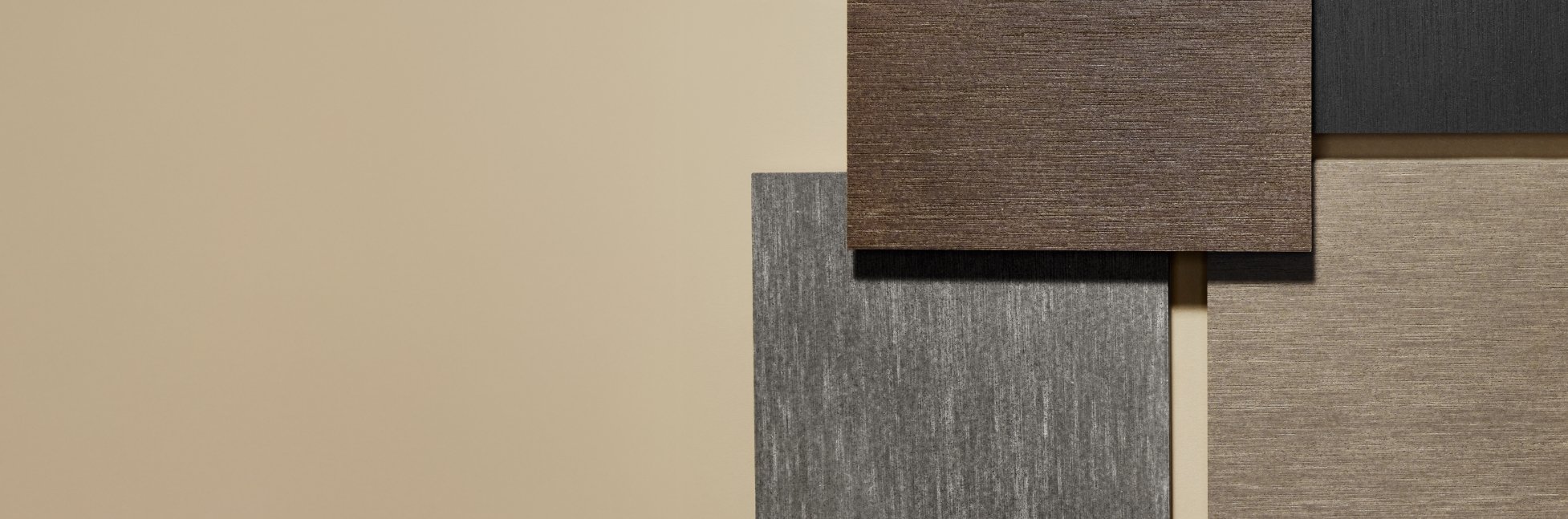
Ask for ACRE at your local lumber yard or order samples to see for yourself why builders are making the switch.