Nickel Gap Siding: Cost, Installation, and Design Uses
March 2025Nickel gap siding gives a wall the clean, even shadow lines that make a room or a facade look intentional. It’s one of the most flexible profiles you can specify, equally at home on a feature wall, a ceiling, or a whole exterior. The profile is simple. The cost, the install details, and the material choice are where projects go right or wrong.
What Is Nickel Gap Siding?
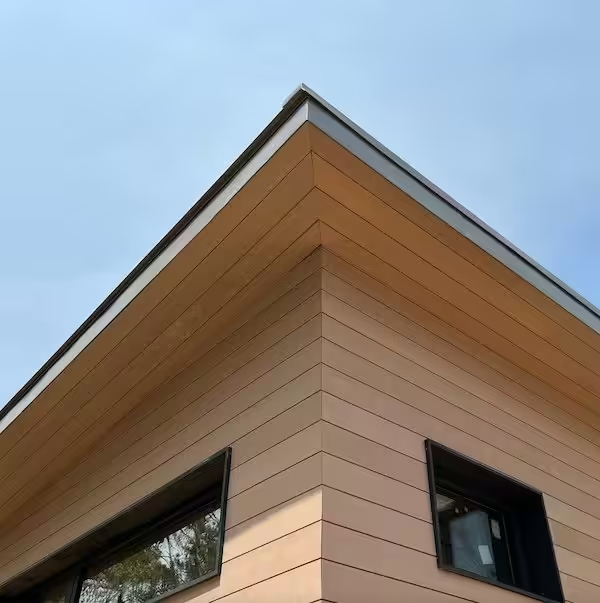
Nickel gap siding is a board profile milled with a small, consistent gap of about 1/8 inch between each course. The boards lock together with a tongue-and-groove joint, and the tongue is cut so the face of each board stops a set distance from its neighbor. That built-in spacer creates the even reveal. The name is literal: installers historically used a nickel as a spacer to set the gap.
Some products run the reveal a touch tighter or wider. The result is a run of crisp, parallel shadow lines that reads cleaner and more contemporary than the tight seams of traditional cladding.
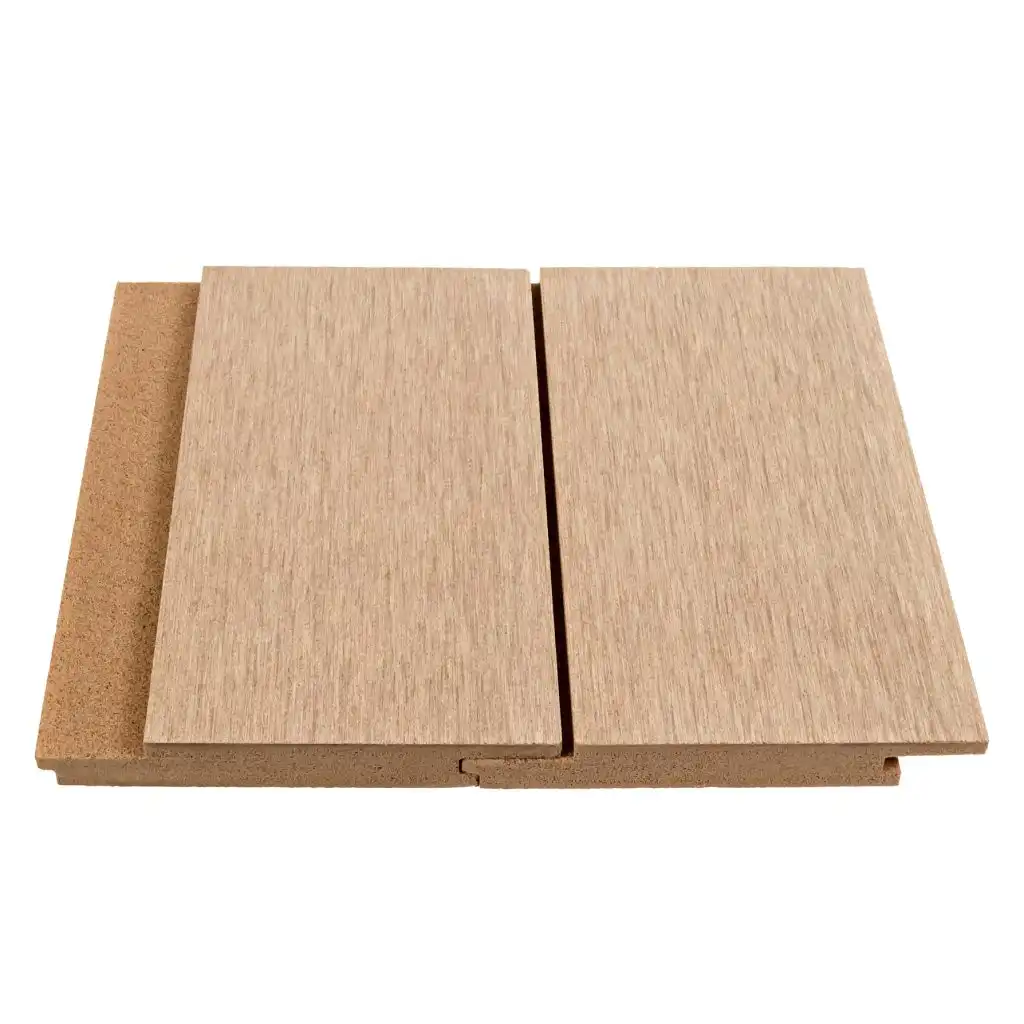
It pays to be precise about the term, because two profiles get blurred together. Shiplap uses an overlapping rabbet joint with a slightly wider gap, while nickel gap uses tongue-and-groove with the spacing built in, so every board lands at the same reveal. Both are manufactured with a set gap; the difference is how that gap is created and how wide it ends up. Our shiplap versus nickel gap breakdown covers the trade-offs if you are weighing the two.
Boards usually come in nominal 1×6, 1×8, and 1×10 widths. The wider the board, the more pronounced each reveal looks across a wall. The choice between nickel gap and shiplap comes down to how tight you want the gap to look, the width of the reveal, and the overall aesthetic you want to achieve.
How Much Does Nickel Gap Siding Cost?
Nickel gap generally costs a bit more than shiplap, and the main reason is availability. Fewer manufacturers produce the profile, so it moves through distribution at a slight premium compared to shiplap, which is one of the most widely made and stocked siding profiles on the market. On a material-to-material basis, shiplap tends to be one of the more affordable options regardless of substrate, so any step up in profile, including nickel gap, is going to cost a little more. The material you choose still drives most of the difference in total project cost, but even within the same material, expect nickel gap to land slightly higher than shiplap.
Material cost tracks the species and substrate. Wood products run about $2 to $7 per square foot in HomeGuide’s data. According to Angi’s 2026 shiplap cost data, materials-only figures put paint-grade pine at roughly $2 to $4, and cedar higher, around $3 to $7. Nickel gap sits at a small premium over plain shiplap, likely because fewer manufacturers offer the profile. Installed, with labor of about $1 to $4 per square foot on top, wood profiles generally land near $3 to $11 per square foot for interior walls and ceilings, and $3 to $8 installed as exterior siding, while engineered wood, cellular PVC, and composite boards run higher.
Two things are worth factoring into your budget before you order. Tongue-and-groove boards can be more prone to breakage at the tongue during handling and cutting since it’s the thinnest part of the board, so plan for some additional waste and order extra. That said, tongue-and-groove is easier to install than flat-milled profiles: the boards lock together tightly, the joint is self-aligning, and that interlocking fit helps manage expansion and contraction while leaving a clean, consistent reveal. The tradeoff is worth it. If a quote comes in significantly higher than those material and labor figures, ask for a line-item breakdown before assuming that is just what nickel gap costs. Prefinished boards, regional availability, and custom colors can each move the number considerably.
A few questions come up consistently when builders and architects are pricing this out for the first time.
- Is nickel gap the same as shiplap? No, though they are often confused. Shiplap uses an overlapping rabbet joint with a slightly wider gap, while nickel gap uses tongue-and-groove with a built-in spacer that creates a uniform reveal. Nickel gap reads cleaner and more modern; shiplap reads slightly wider and more rustic.
- How wide is the nickel gap? About 1/8 inch on most products. The name comes from the old installer trick of using a nickel as a spacer, though an actual nickel is slightly thinner, at about 0.08 inch. The milling sets the reveal, so it stays consistent without a spacer.
- Is nickel gap siding expensive? It costs more than plain lap siding, and real-world quotes can run several times higher depending on material and finish. Material runs from about $2 per square foot for pine to $7 or more for cedar and premium boards. Installed, expect roughly $3 to $11 per square foot indoors and $3 to $8 as exterior siding, with composite and prefinished options higher.
- Can nickel gap siding be used outside? Yes, as long as the material is rated for exterior exposure and the wall is built to drain and dry. Cedar, engineered wood, cellular PVC, and composite all work outdoors. Interior-grade pine and MDF do not.
- Should you caulk the gaps in nickel gap siding? No. The reveals are a drainage and ventilation feature, and sealing them traps moisture against the boards, which leads to rot and mold. Caulk belongs at trim, corners, and penetrations with proper flashing, never across the face gaps.
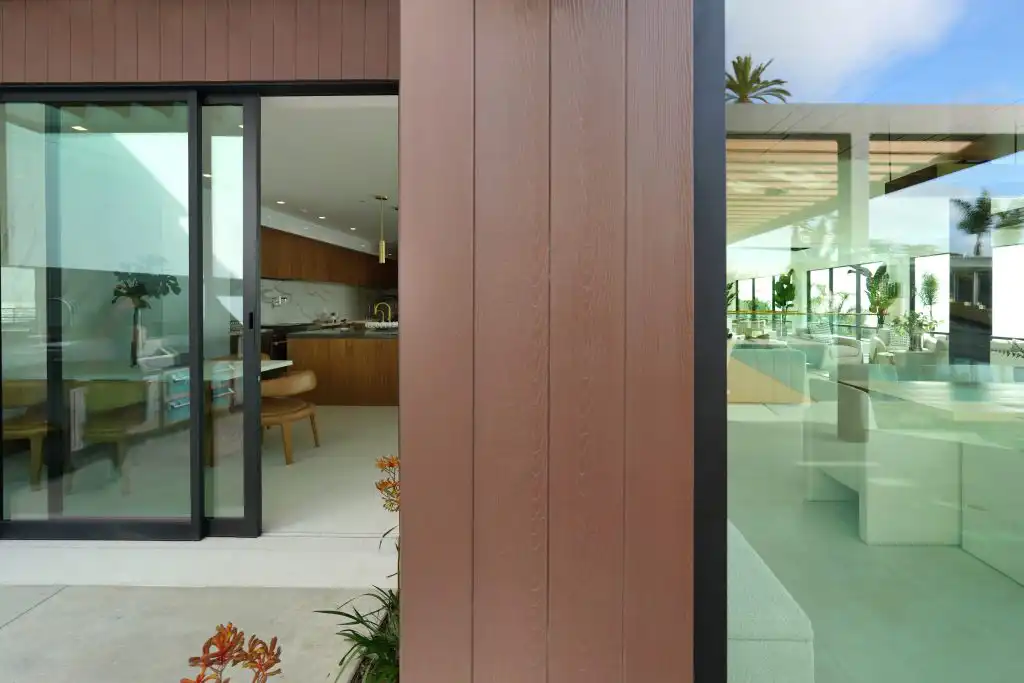
- Can nickel gap siding be installed vertically? Yes. Vertical installation is a popular modern look that makes a wall feel taller. It needs furring strips behind the boards so water can drain and the wall can dry, plus trim and flashing detailed to shed water. ACRE vertical installs carry additional fastening requirements, so check the current installation guide or reach out to your Modern Mill rep before starting.
How to Install Nickel Gap Siding
The profile is forgiving to install, but a few details separate a wall that lasts from one that traps water. Because the tongue-and-groove sets the reveal for you, there is no spacer to fumble and no running measurement to keep. The work that matters happens at the prep stage and at the fasteners.
A typical install runs in this order:
- Acclimate the boards. Let them sit at the project’s temperature and humidity for at least two hours before processing so they are not still moving when you fasten them.
- Set up the wall (exterior). Over a weather-resistive barrier, plan for a drainage plane and air gap behind the siding. For vertical installs, fur out the wall so water can drain and the backs of the boards can dry.
- Level the starter course. The first board sets every board above it, so check it with a level and shim where needed.
- Seat the tongue into the groove. The reveal lands on its own.
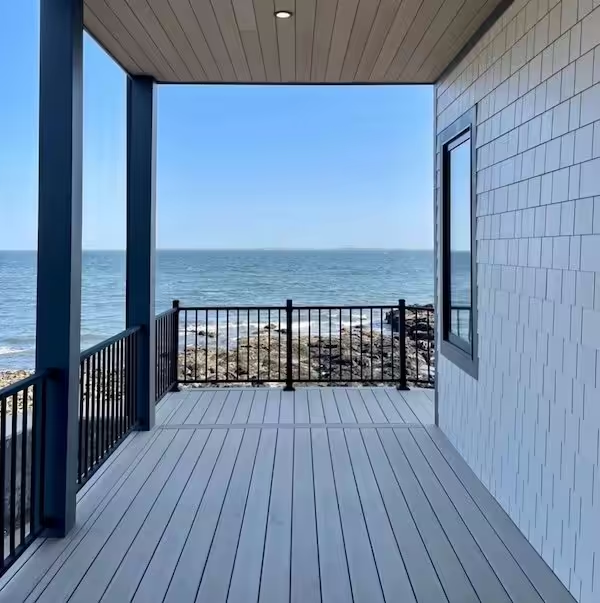
- Fasten into solid framing. Use minimum #8 x 2-1/2″ exterior-grade screws or minimum 8D x 2-1/2″ ring shank nails, with at least 1-1/2″ penetration into solid framing. Maximum spacing is 16″ on center into solid framing, reduced to 12″ on center if fastening into sheathing only. Screws are strongly recommended. For ACRE nickel gap specifically, install one additional face fastener approximately 2″ up from the bottom edge on 1×6 and 1×8 boards, and two additional face fasteners for 1×10. Do not use brads, finish nails, trim-head screws, or staples. Coastal applications may require stainless steel fasteners.
- Leave room to move at butt joints. Boards expand and contract with temperature. Leave 1/4″ clearance at windows, doors, and other obstructions. For ACRE boards finished with a coating of LRV 55 or higher, gap based on installation temperature: 1/8″ at 35°F and below, 1/16″ between 36 and 59°F, lightly butted between 60 and 89°F, and tightly butted at 90°F and above. Darker colors have different gapping and fastening requirements, so contact your Modern Mill rep before installing.
- Seal the right joints, finish the rest. Seal end-grain, butt joints, and trim with proper flashing. Apply caulk to vertical clearances only. Never seal the horizontal face reveals.
A few other details matter: maintain the weather barrier behind the siding, leave room at butt joints for the board to move, and always fasten into solid framing rather than sheathing alone. Always review the ACRE Siding Installation Guide before starting, and reach out to your Modern Mill rep with any questions specific to your project conditions.
Where Can You Use Nickel Gap Siding?
Nickel gap works indoors and out, and the consistent reveal is what makes it so flexible. The same profile that dresses up an exterior reads as a refined paneling detail inside, so it turns up across the whole house.
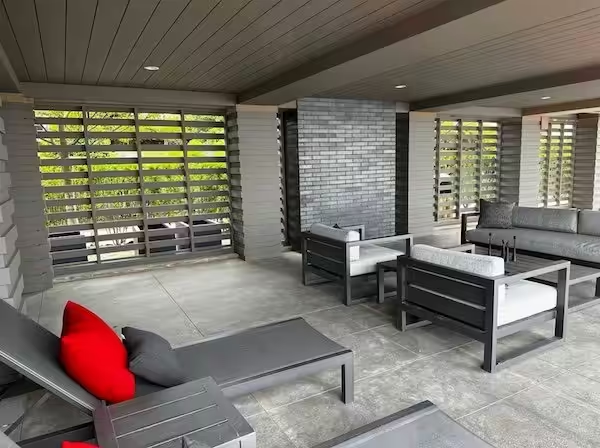
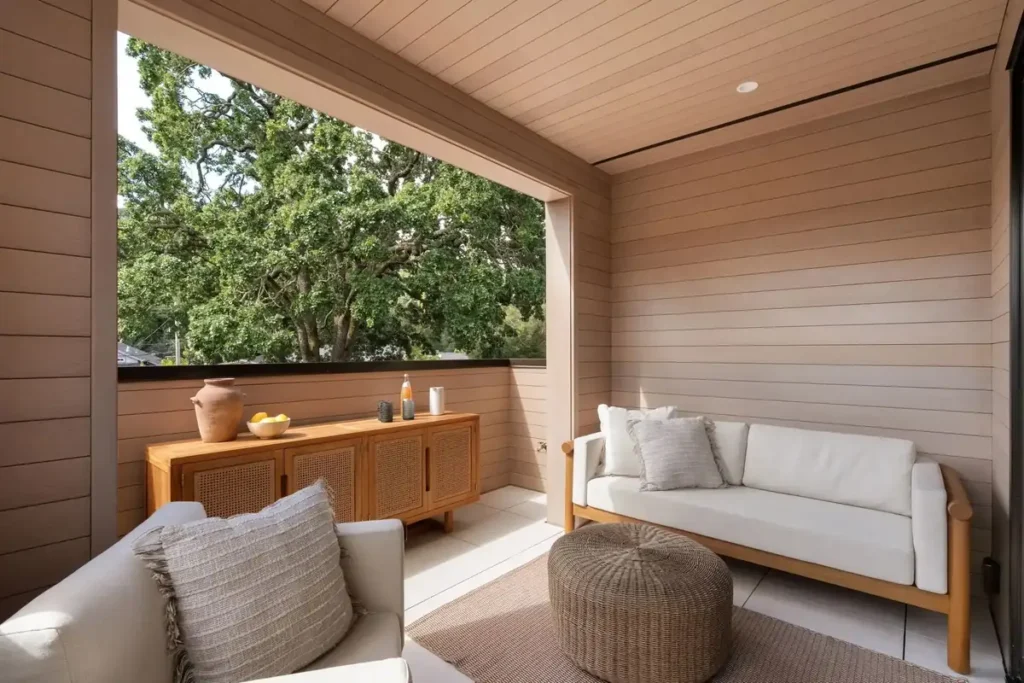
Inside, the most common use is a feature wall in a living room, bedroom, or entry. Painted a neutral tone, it sits back as a quiet backdrop. In a deeper color, it becomes the focal point. Ceilings are the other natural fit, and the built-in spacing earns its keep overhead because you are not setting each gap by hand. The profile also suits soffits, porch ceilings, and wainscoting, where the clean lines add texture without much visual weight. A bathroom or kitchen can work too, as long as the material is rated for moisture. Our guide to where you can use shiplap walks through more of these interior treatments, and the same principles apply to nickel gap.
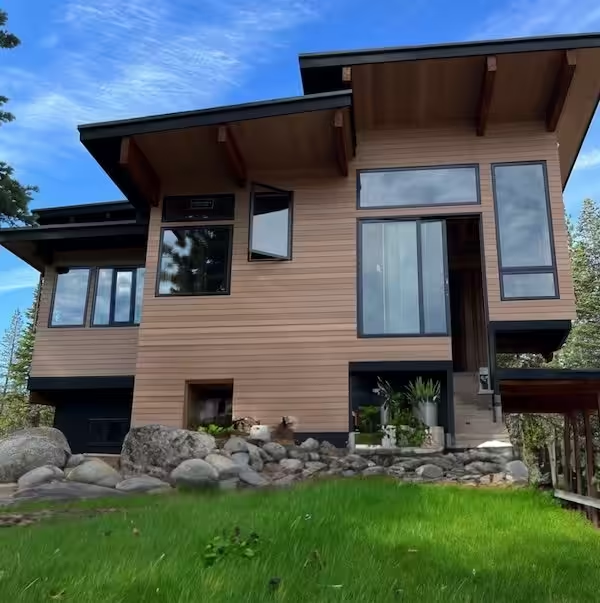
Outside, nickel gap reads as a more contemporary take on lap siding. You can run it as full cladding or as an accent on a gable, an entry, or a single elevation to break up a facade. Run horizontally, it looks classic. Run vertically, it draws the eye up and makes a wall feel taller, which is a popular move on contemporary builds.
Orientation changes the details, though. A vertical install needs the furred drainage detail covered in the installation section, plus trim and flashing that shed water rather than collect it. Material choice matters more outdoors as well. Paint-grade pine and interior-grade panels do not belong on a weather wall, so save those for protected interior runs and reserve cedar, engineered wood, cellular PVC, or composite for the exterior.
Choosing the Right Material for Nickel Gap
Once you have settled on the profile, the material decides how the wall holds up, what it costs to maintain, and where you can use it. Nickel gap is milled from nearly everything, and each option trades cost against durability and upkeep.
- Paint-grade pine: Budget interior option. Needs sealing and finishing. Not rated for exposed exterior applications.
- Primed MDF: Interior only. Holds paint well but swells with moisture. Keep it out of bathrooms and away from any exterior application.
- Cedar: Works interior and exterior. Natural rot resistance and a grain people love, at a premium and with periodic re-staining.
- Engineered wood: Durable exterior workhorse. Moisture and termite resistant, with prefinished options that reduce finishing labor on site.
- Fiber cement: Solid exterior choice, though heavy and requiring specialized cutting.
- Cellular PVC: Handles wet areas and exterior exposure well, but limited to lighter paint colors.
- ACRE: Interior and exterior rated. Low maintenance, tree-free, and the only composite that accepts paint or stain without primer. Coatings must follow manufacturer guidelines.
A few trade-offs are worth calling out. MDF holds paint beautifully and costs little, but it swells in humidity, so it stays inside. Cedar brings real rot resistance and a grain people love, at a premium and with periodic refinishing. If you are comparing it head to head, see our look at ACRE versus cedar siding. Engineered wood and fiber cement are durable exterior workhorses, though fiber cement is heavy and fussy to cut.
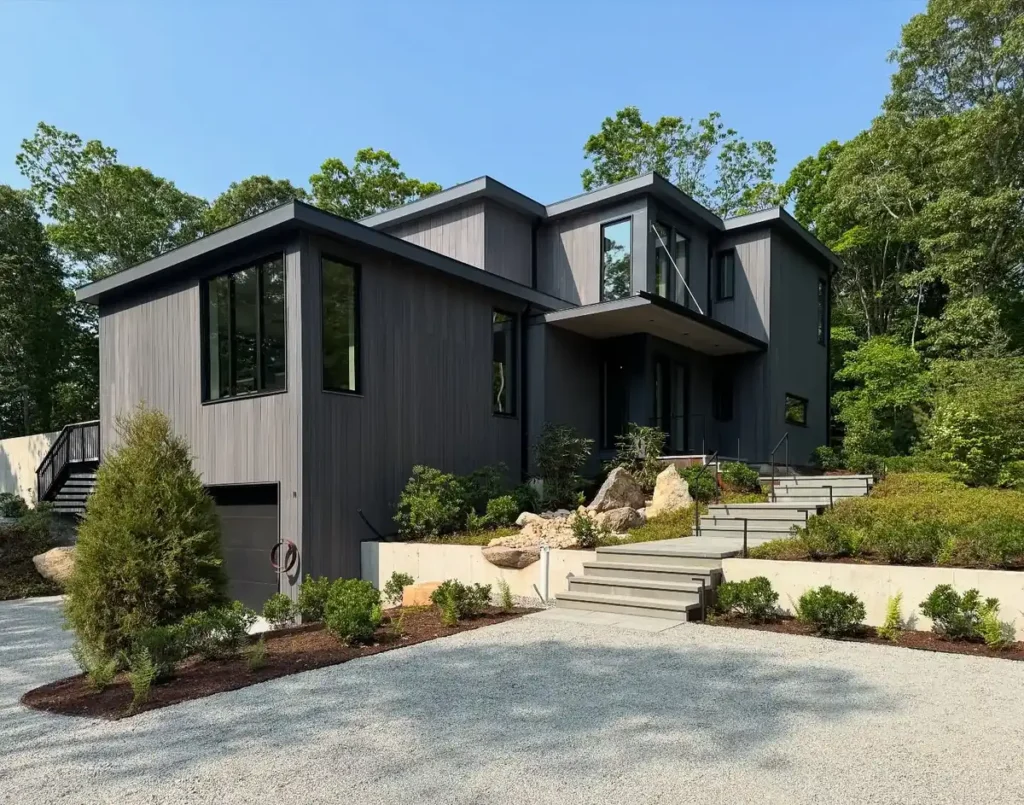
One limit catches people on composite and PVC: dark colors. Because these materials absorb heat and expand more than lighter finishes allow, manufacturers restrict how dark you can go. For ACRE, the requirement is a water-based paint or stain with a Light Reflective Value (LRV) of 55 or higher. If a color falls below LRV 55, or if you are unsure where a color lands, contact your Modern Mill rep before finishing. Using a coating outside those parameters affects how the product performs and may void warranty coverage.
Our ACRE nickel gap siding is tree-free and resists water, weather, rot, and pests. It’s backed by a limited lifetime warranty covering manufacturing defects, accepts paint or stain without primer, and comes in nominal 1×6, 1×8, and 1×10 boards in 12-, 16-, and 20-foot lengths at 3/4-inch thickness with a 1/8-inch gap. Architectural Record named it one of the best building products of 2025, and Builder Online covered the profile at launch for its precise, consistent spacing. In our experience, the projects that age best are the ones where the material was matched to the exposure from the start, rather than asked to do a job it was never rated for.
Bringing it Together
Nickel gap rewards planning more than it rewards budget. Match the material to the exposure, leave the reveals open, and build the wall to drain, and the profile holds its crisp lines for years, indoors or out.
If you want that look without the upkeep of natural wood, order ACRE nickel gap samples to see the texture and reveal in person. Our team can help you spec the right profile and finish for your project.
Ready to Experience the
Difference?
Ask for ACRE at your local lumber yard or order samples to see for yourself why builders are making the switch.