Pros and Cons of Sustainable Building Materials
November 2025Rethinking Sustainability in Modern Design
Sustainable building materials have rapidly moved from niche interest to mainstream specification. Homeowners, architects, and builders are increasingly prioritizing products that reduce environmental impact and contribute to healthier living spaces. From siding and decking to trim and wall finishes, sustainable construction materials are now a vital part of every design conversation.
However, sustainability as a category hasn’t always been easy to apply. While the goals were clear, early eco-friendly building materials often came with real performance tradeoffs. Today, that’s changing. The next generation of sustainable materials is redefining how we design and build—combining responsibility, durability, and design freedom.
The Pros of Sustainable Building Materials
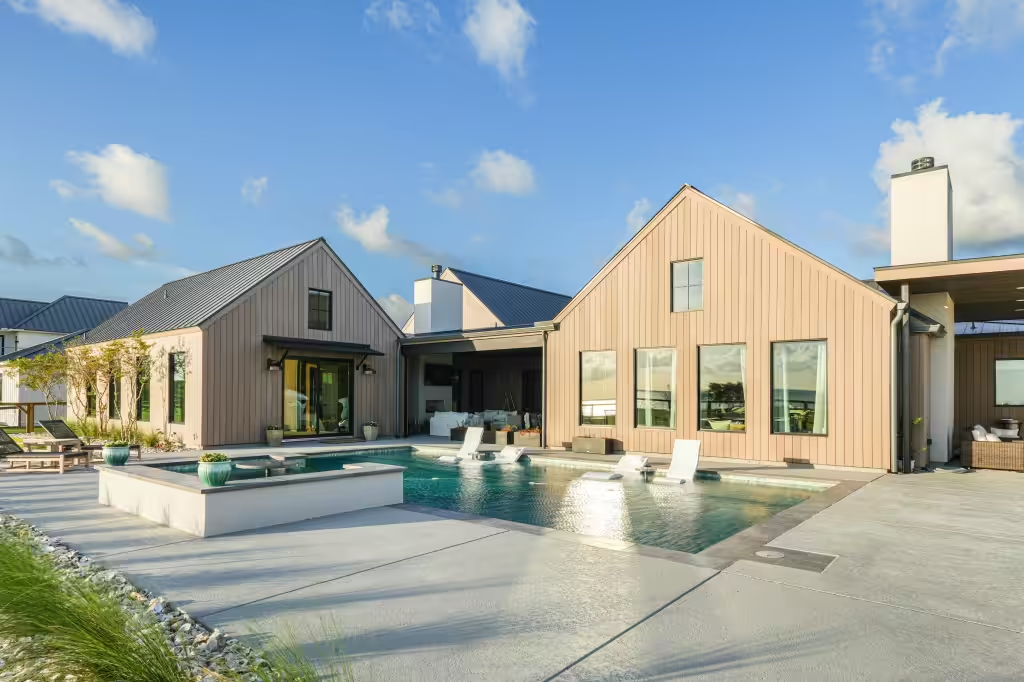
Sustainable building materials offer tangible benefits that support both environmental stewardship and long-term value. Key advantages include:
- Preserve forests: Reduce the need for harvesting trees and help slow deforestation.
- Repurpose waste materials: Upcycle byproducts that would otherwise end up in landfills, giving new life to existing resources.
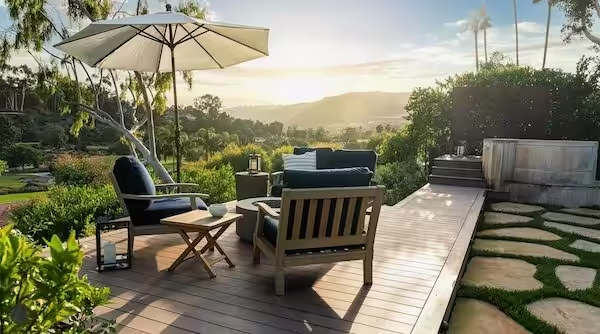
- Minimize maintenance: Advanced composites resist moisture, weather, pests, and rot—reducing upkeep and replacement needs.
- Support healthy environments: Cleaner formulations are free of phenol, formaldehyde, added adhesives, VOCs, and forever chemicals—which also means no hazardous dust on the jobsite (see building materials with no harmful dust).
- Promote responsible manufacturing: Many are produced in zero-waste facilities, lowering environmental impact from start to finish.
- Deliver authentic beauty: Next-generation composites are nearly indistinguishable from real wood, offering the same warmth and tactile appeal.
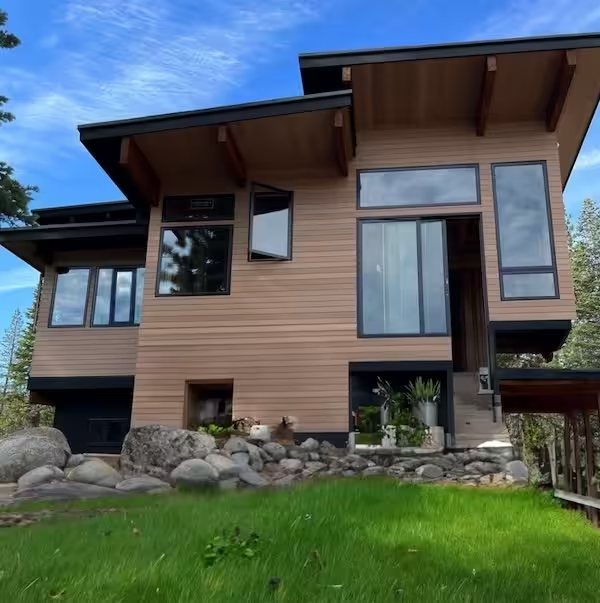
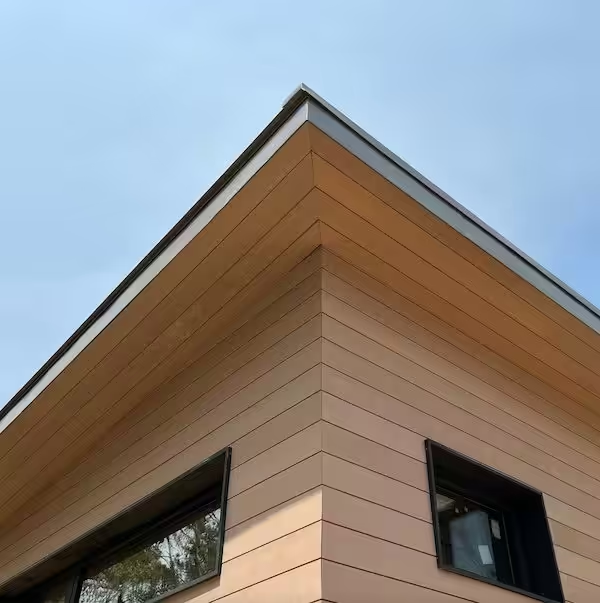
In siding specifically, sustainable innovation has led to composite and synthetic wood siding that replicates the warmth and character of natural wood while reducing environmental strain. Designers can now specify eco-friendly materials without sacrificing the aesthetics that make wood so timeless.
The Cons of Sustainable Building Materials
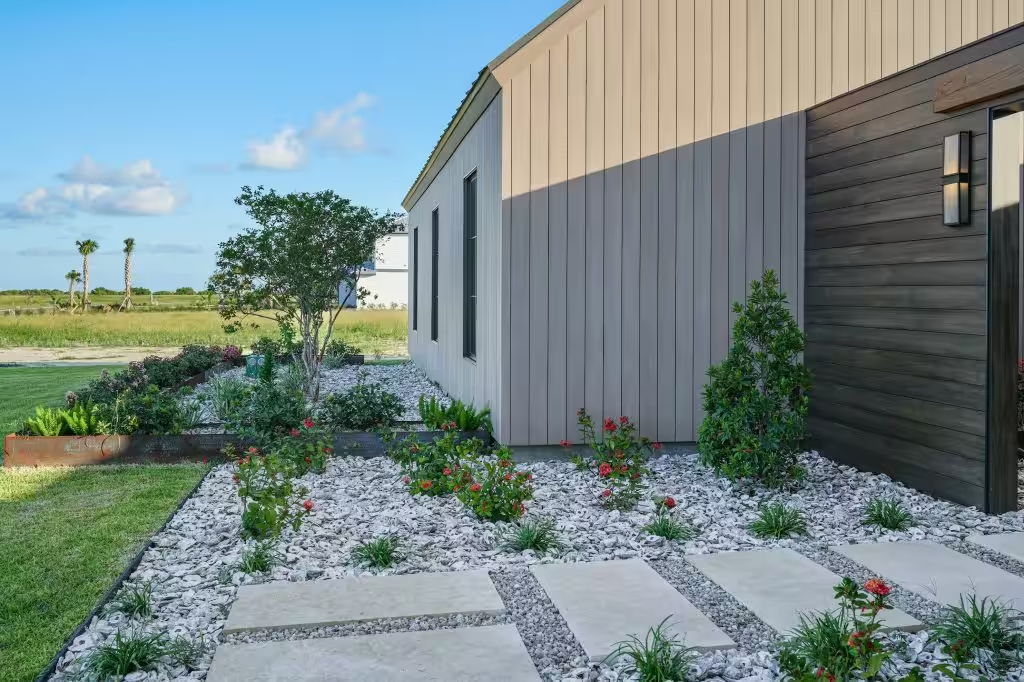
Despite growing demand, early sustainable materials faced real challenges that slowed adoption:
- Higher initial costs compared to traditional products
- Inconsistent performance against moisture, pests, and weather
- Limited color or surface customization
- Difficulty achieving realistic wood aesthetics
- Lack of scalability, making them harder to standardize across projects
Many early eco-friendly materials also had shorter lifespans, leading to replacements that diminished their overall environmental value. The industry needed sustainable materials that offered durability, beauty, and versatility—without compromise.
The Future of Sustainable Materials
Today’s sustainable materials are designed to meet those expectations. The next wave of innovation focuses on products that balance wood-like authenticity, long-term performance, and ease of specification.
Advanced synthetic and composite wood alternatives now give designers the freedom to achieve their creative vision while building responsibly. This shift has created a new standard—where sustainability and performance go hand in hand.
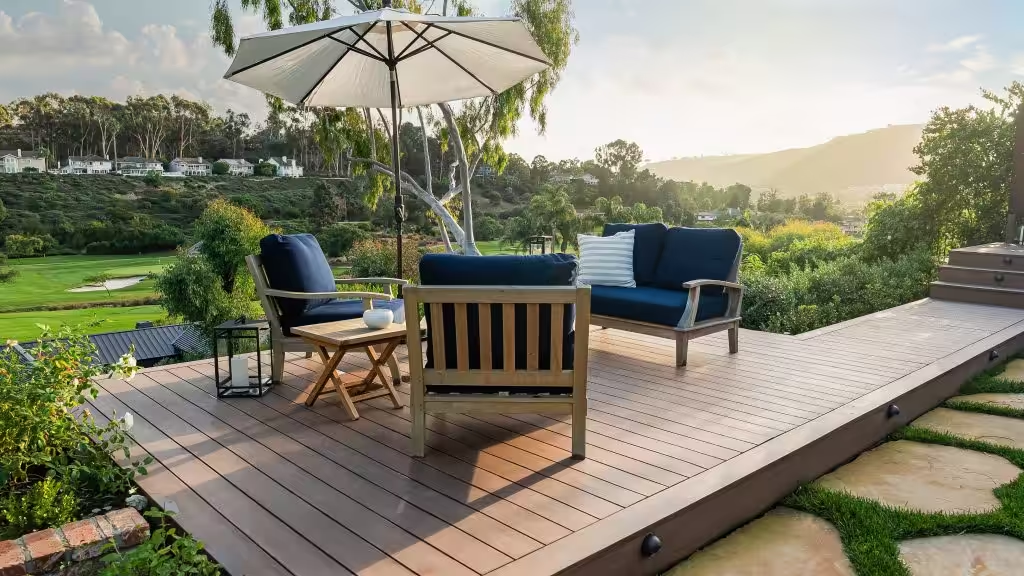
ACRE™: Sustainability Without the Tradeoffs
ACRE represents how far sustainable materials have come. Made from upcycled rice hulls in a zero-waste facility in Mississippi, ACRE is completely tree-free and built to last. It contains no phenol, formaldehyde, added adhesives, or forever chemicals, supporting healthier environments and safer building.
ACRE eliminates the tradeoffs that once defined eco-friendly materials. It’s the first and only stainable composite that can be finished to achieve a wide range of aesthetics—from rich natural wood tones to modern painted palettes.
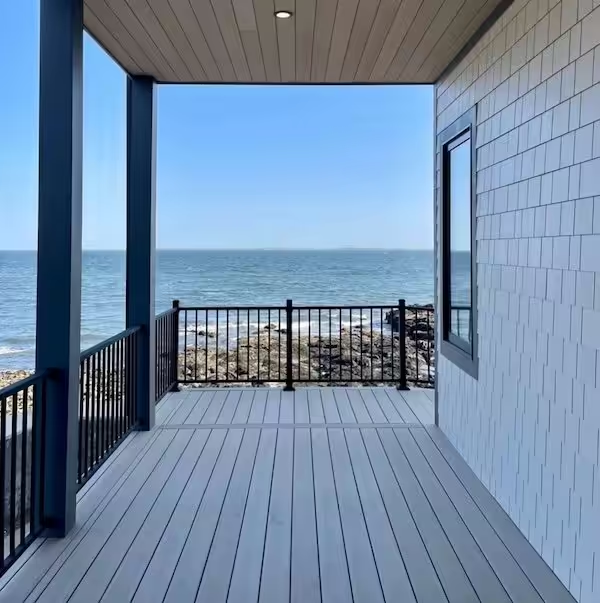
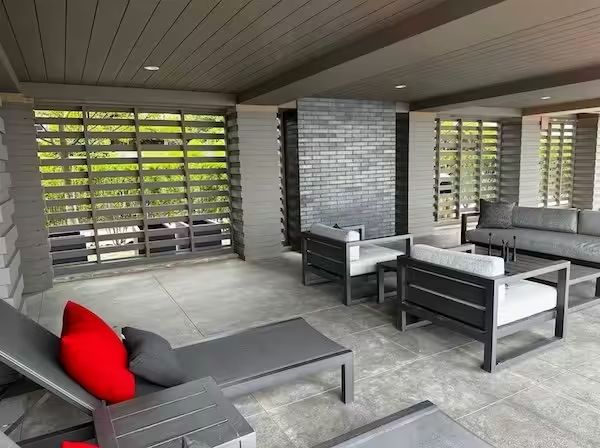
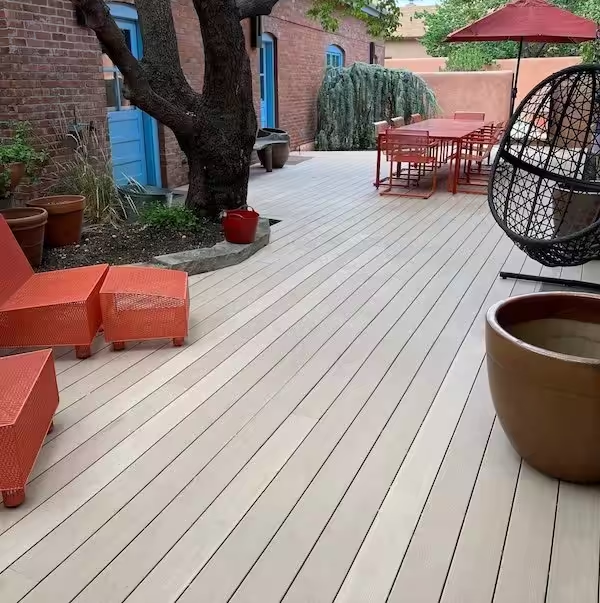
Available in multiple profiles—including shiplap siding, beadboard ceilings, decking, trim boards, porch boards, and sheets—ACRE gives designers complete creative flexibility. It’s a sustainable solution that meets the demands of people, projects, and the planet.
Building Responsibly, Without Compromise
Sustainable building materials are now essential in an industry focused on long-term responsibility. While early solutions introduced tradeoffs in cost, beauty, and performance, today’s materials—led by ACRE—prove that sustainability and practicality can coexist.
ACRE preserves natural resources, supports zero-waste manufacturing, and provides unmatched durability—all while offering the timeless beauty of wood. It’s the evolution of sustainable design—built to perform beautifully for years to come.
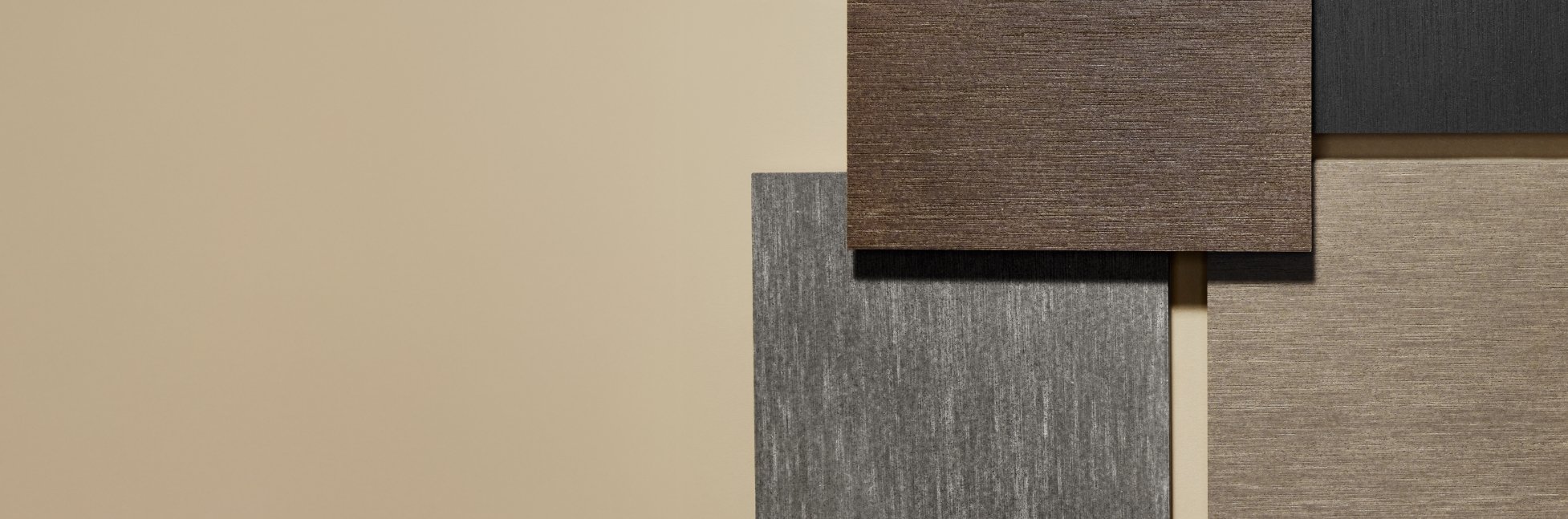
Ready to see how ACRE transforms your next project? Order Samples today and experience the difference for yourself.
Ready to Experience the
Difference?
Ask for ACRE at your local lumber yard or order samples to see for yourself why builders are making the switch.