Shiplap Siding Options for Coastal Environments
February 2026Coastal homes are designed to live with their surroundings, not fight them. Salt air, humidity, wind-driven rain, and intense sun exposure all shape how exterior materials behave over time. When shiplap siding is used in these environments, the material choice matters as much as the design itself.
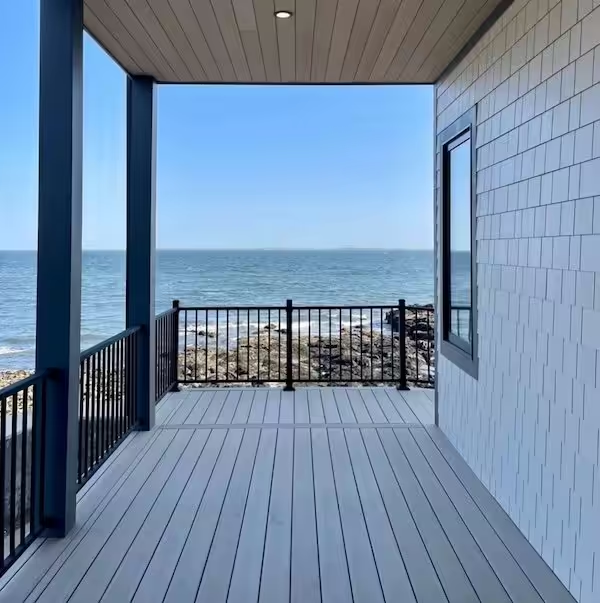
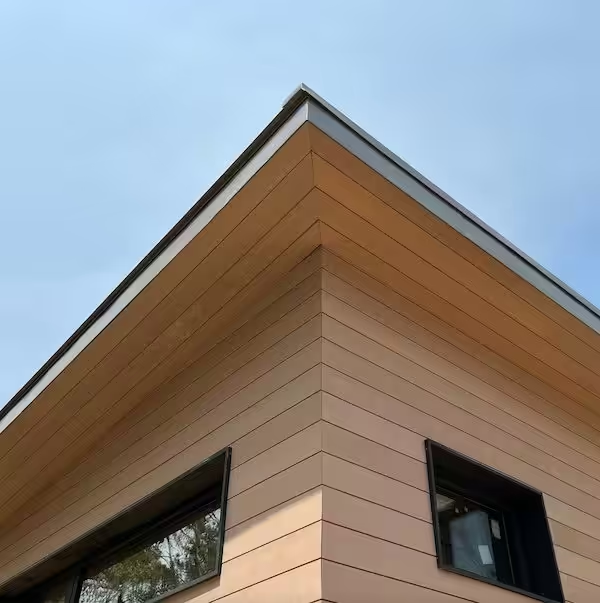
Shiplap works especially well along the coast because of its clean horizontal lines and subtle shadow detail. Those lines echo the horizon and help structures feel grounded in open landscapes. But those same details can become liabilities if the siding material isn’t suited for constant exposure.
Choosing the right material for exterior shiplap siding means looking beyond appearance and focusing on how the product will perform years after installation. After finishes have been tested, after seasons repeat, and after maintenance expectations meet reality.
What Coastal Conditions Demand From Shiplap Siding
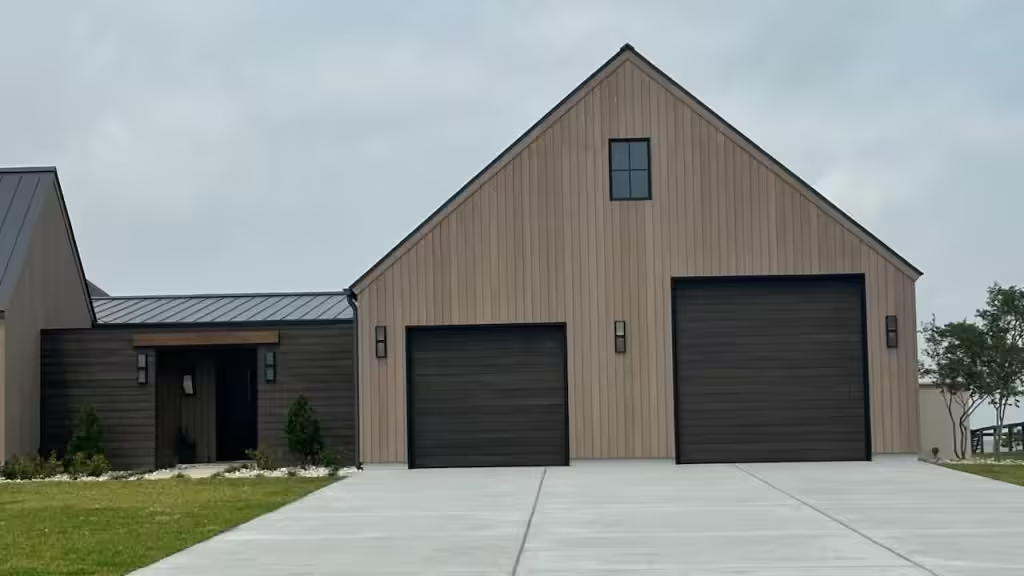
Exterior shiplap siding installed near the coast faces a unique set of challenges that tend to accelerate wear and reveal weaknesses early. Coastal environments demand materials that can:
- Resist persistent humidity and moisture intrusion
- Withstand salt exposure without premature degradation
- Maintain consistent spacing through expansion and contraction cycles
- Hold finishes under strong, direct UV exposure
- Perform across multiple elevations with different sun and wind exposure
In these settings, small material shortcomings tend to show up faster. Shadow lines drift, finishes fade unevenly, and boards move in ways that disrupt the clean rhythm shiplap is known for. That’s why material selection is less about aesthetics alone and more about long-term stability.
Natural Wood Shiplap: Familiar, but High Maintenance
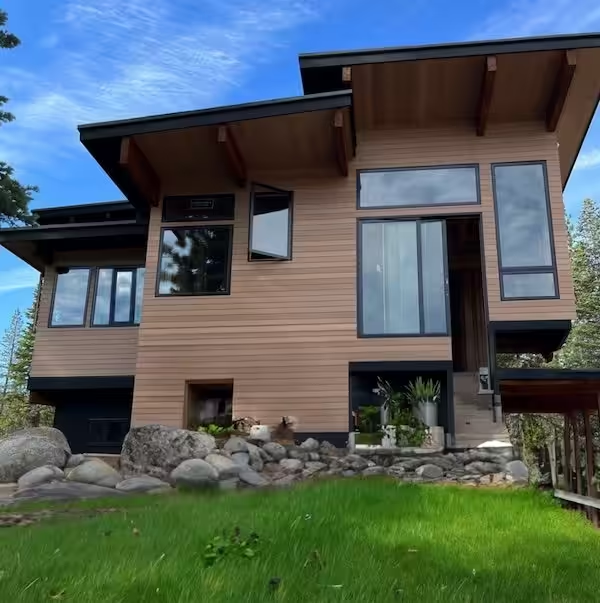
Natural wood remains the visual reference point for shiplap aesthetics. Its grain, texture, and warmth are what made the profile popular in the first place, especially in coastal architecture.
However, wood’s performance changes significantly in coastal conditions. Moisture absorption increases material movement, salt air shortens finish life, and sun exposure can cause dramatic variation between elevations. A shaded wall may weather slowly, while a west-facing elevation shows visible wear much sooner.
In coastal applications, regular refinishing becomes a necessity rather than a preference. For some homeowners, that level of stewardship is expected. For others, it quickly becomes a burden.
Natural wood can still make sense in protected locations or for projects where long-term maintenance is part of the design intent. But for many coastal homes, it’s no longer the most practical option for full exterior shiplap installations.
Composite Shiplap Siding for Greater Stability
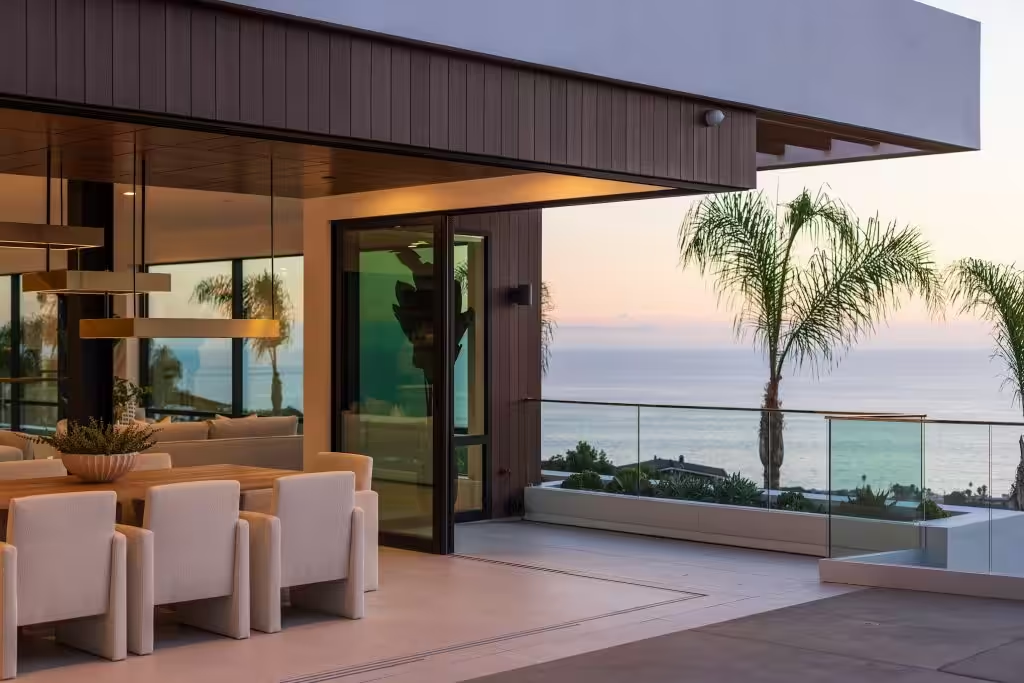
Many modern coastal projects now rely on composite siding instead of traditional wood. Composite materials are engineered to limit expansion and contraction, resist moisture, and maintain consistent board alignment over time. For horizontal profiles like shiplap, that stability is critical. Clean lines only work if they stay clean.
Composite shiplap siding typically offers:
- Improved dimensional stability
- Reduced risk of cupping or splitting
- Better performance in humid or salt-heavy environments
- More predictable spacing and alignment across elevations
For designers and builders looking to preserve the look of shiplap while reducing long-term upkeep, composite materials offer a practical balance between aesthetics and performance.
Synthetic Wood Shiplap Siding in Coastal Applications
High-quality synthetic wood siding performs especially well in coastal environments because it removes organic vulnerabilities altogether.
Synthetic shiplap siding is often chosen where:
- Moisture exposure is constant
- Salt air accelerates material degradation
- Freeze–thaw cycles are common
- Long-term finish consistency matters
- Maintenance access may be limited
The goal here isn’t to replace the look of wood with something artificial. It’s to retain the warmth and rhythm of shiplap while ensuring the material behaves predictably year after year, regardless of exposure.
Why Factory Finished Siding Matters Along the Coast
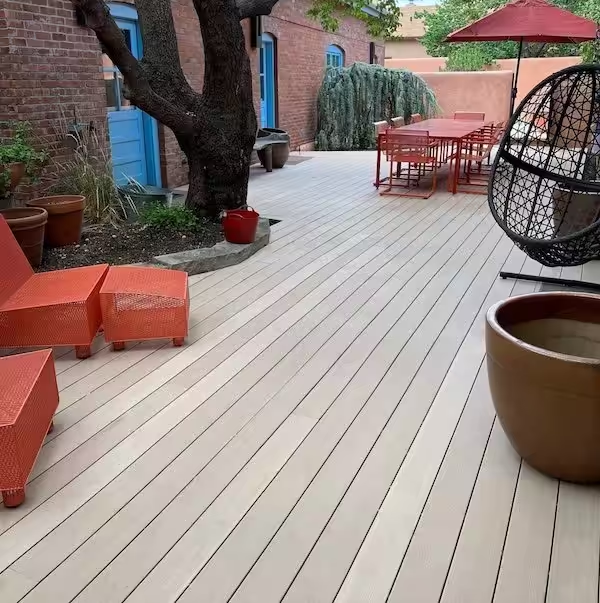
Finish performance is often the weakest link in coastal installations. Using factory finished siding helps remove many of the risks associated with site-applied finishes. Coatings are applied and cured in controlled conditions, color consistency is maintained across elevations, installation isn’t delayed by weather windows, and boards are protected before exposure begins.
For exterior shiplap siding, this matters even more. Small variations in finish become highly visible when boards run horizontally across large surfaces. Where the climate is going to put materials to the toughest test, builders can now rely on controlled environments to deliver the consistency their clients expect.
Sustainability and Coastal Longevity
Sustainability in coastal construction is closely tied to durability. Exterior materials that require frequent refinishing or early replacement consume more resources over time. That’s why many designers now evaluate siding through the lens of sustainable building materials, prioritizing longevity, reduced maintenance, and lower replacement cycles rather than just initial composition.
Materials that perform consistently over decades often have a lower environmental impact than materials that need repeated intervention, even if those materials are traditionally considered “natural.”
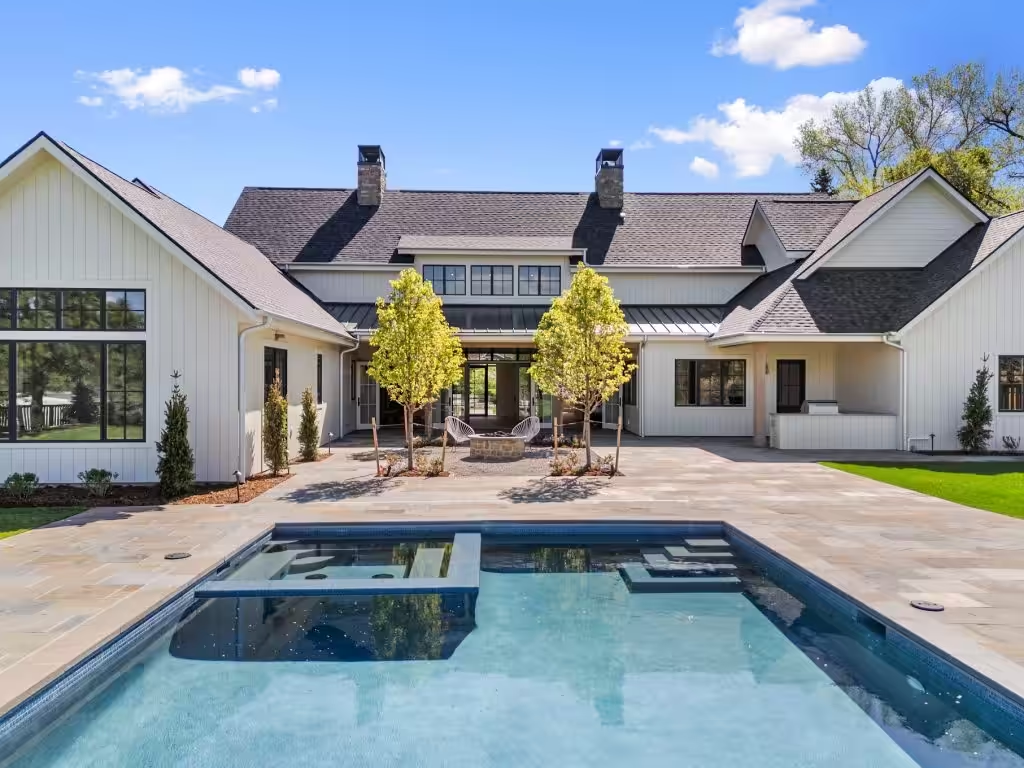
Where ACRE Fits for Coastal Shiplap Siding
For projects that want the warmth of wood with modern coastal performance, ACRE siding offers a balanced solution.
Made from upcycled rice hulls, ACRE resists moisture while maintaining consistent profiles and shadow lines. It can be milled into exterior shiplap and finished on site or specified in factory-finished options for added protection. In coastal installations, materials like ACRE help bridge the gap between appearance and long-term performance, supporting design intent without introducing unnecessary maintenance or risk.
Conclusion
Shiplap siding can work beautifully in coastal environments—but only when the material is chosen with exposure in mind. Natural wood offers familiarity and character but demands ongoing care. Composite and synthetic options provide greater stability, reduced maintenance, and more predictable long-term performance. The best exterior shiplap siding solutions are the ones that look intentional not just on installation day, but years later, after sun, salt, and moisture have had their say.
If you’re planning a coastal project and want to explore shiplap options built for long-term exposure, ordering samples is often the easiest place to start. Order ACRE samples today or contact our team in the form below to explore where the material fits into your next build.
Ready to Experience the
Difference?
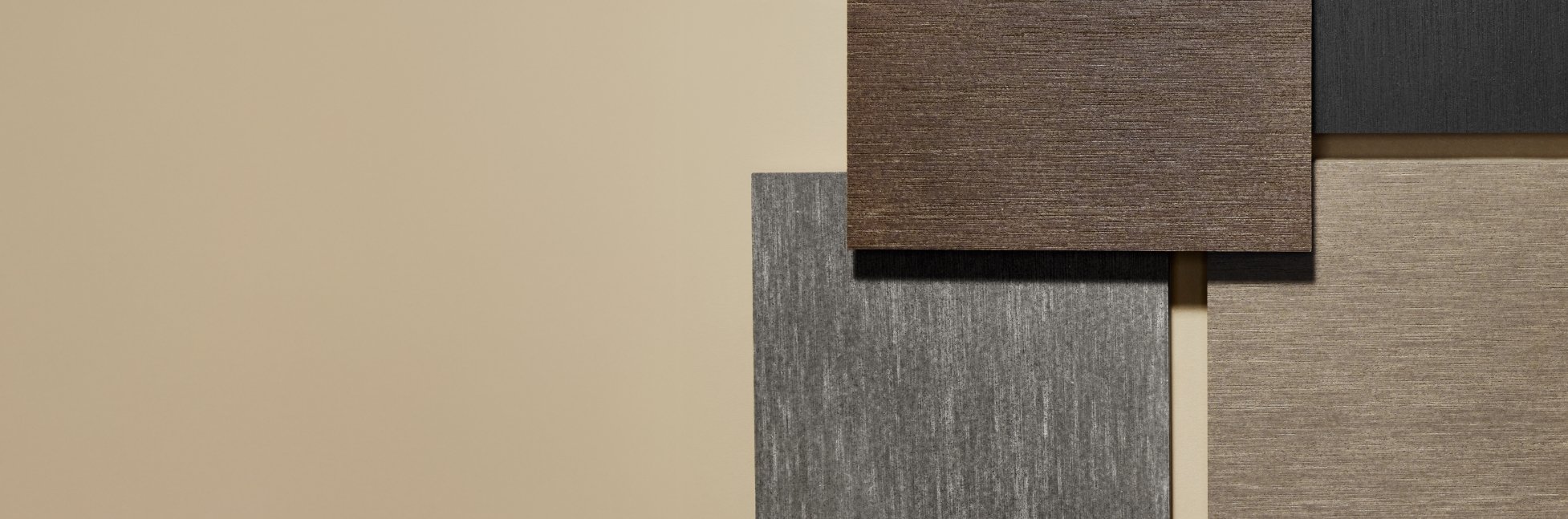
Ask for ACRE at your local lumber yard or order samples to see for yourself why builders are making the switch.