Transitioning to Sustainable Materials During Renovations
April 2025Home renovations offer an ideal opportunity to make meaningful, lasting changes and choosing sustainable materials is one of the most impactful decisions you can make. Whether you’re remodeling a single room or undertaking a whole-home update, integrating eco-friendly building materials can significantly reduce your project’s environmental footprint while creating a healthier, more comfortable living space. Sustainable renovations can also lower long-term maintenance needs, improve energy efficiency, and boost property value.
With more high-performance, design-forward materials available than ever before, making the switch to sustainability doesn’t mean sacrificing quality or aesthetics. This guide shares practical insights to help you transition to better, more responsible material choices during your next renovation.
Assess Your Renovation Goals with Sustainability in Mind
Before starting your project, take time to clearly define your sustainability objectives. Are you aiming to improve energy efficiency, reduce waste, use healthier materials, or all of the above? Identifying your core goals upfront will help guide every decision, from design to material selection.
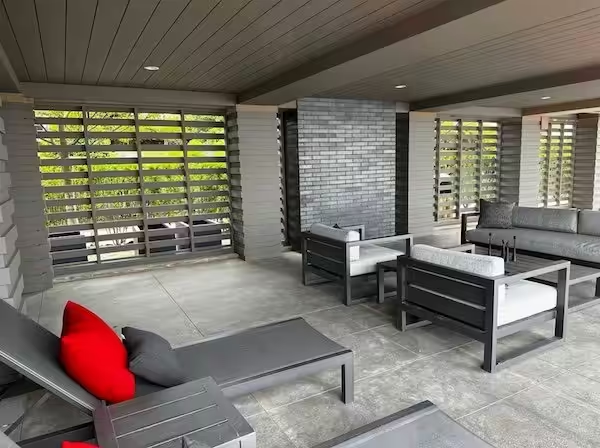
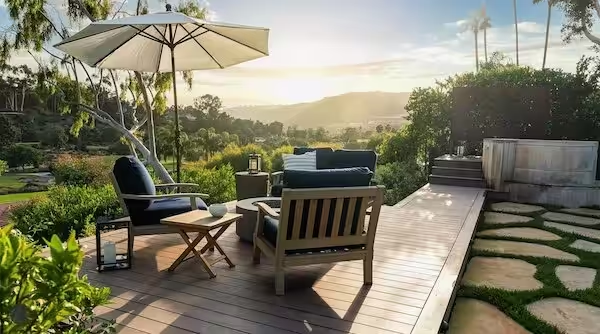
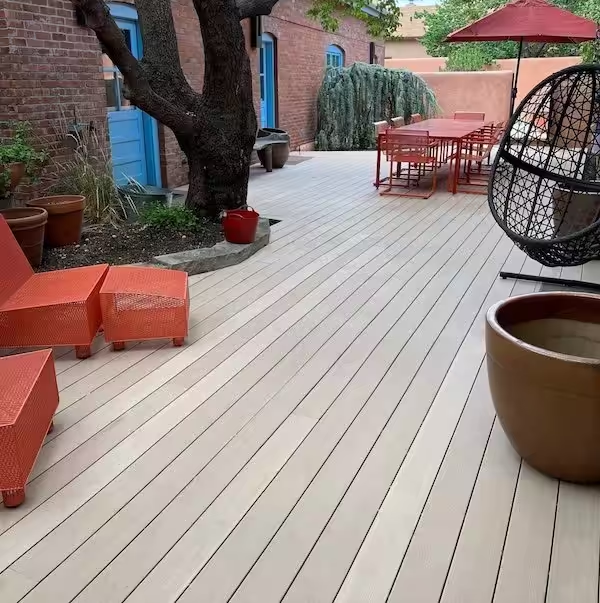
Consider which areas of your renovation will benefit most from sustainable upgrades—such as siding, outdoor living or interior finishes. Prioritizing these categories allows you to make the biggest environmental impact while aligning with your renovation goals and budget.
Ask yourself:
- What materials will significantly improve my home’s environmental footprint?
- Which materials can improve indoor air quality?
- Are there sustainable options available that match my desired aesthetics?
By understanding what matters most, whether it’s reducing emissions, enhancing comfort, or achieving a specific look, you can make confident, informed choices that support both your lifestyle and the environment.
Evaluate Materials for Sustainability and Performance
Once your renovation goals are in place, the next step is evaluating materials with a critical eye toward sustainability and long-term performance. Not all “green” products are created equal. Dig into how a material is sourced, manufactured, used, and disposed of at the end of its life.
Look for materials that:
- Are made from renewable, recycled, or upcycled content
- Are manufactured through low-waste or energy-efficient processes
- Are durable enough to reduce the need for replacement or intensive maintenance
- Can be reused, recycled, or safely disposed
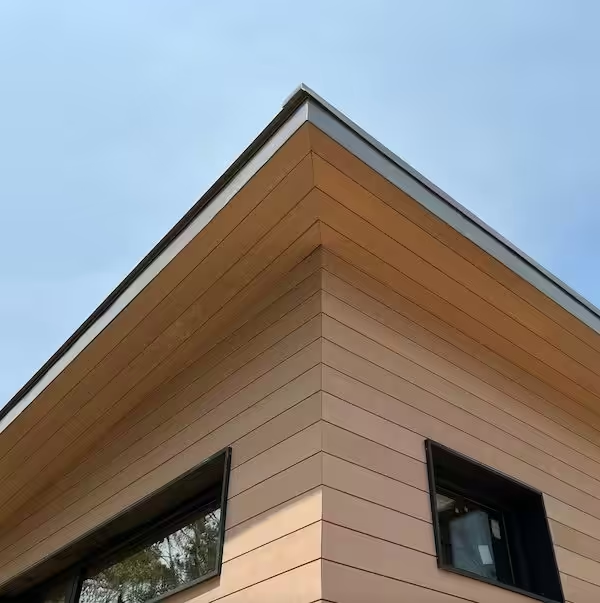
For example, products like ACRE by Modern Mill are made from upcycled rice hulls in a zero-waste facility and offer the beauty of wood without the environmental cost. Choosing high-performance materials like these ensures that sustainability doesn’t come at the expense of durability or aesthetics.
Integrating Sustainability Into Design and Planning
Sustainability starts well before the first material is installed. Thoughtful design and planning can significantly reduce your renovation’s environmental footprint while improving long-term livability.
Collaborate with architects, designers, or contractors who understand and prioritize eco-conscious building practices. Look for opportunities to:
- Maximize natural light and ventilation to reduce reliance on artificial lighting and HVAC systems.
- Repurpose existing structures or materials rather than defaulting to demolition.
- Right-size your renovation to avoid unnecessary material use and energy demands—bigger isn’t always better.
- Design for durability and adaptability, ensuring your space evolves with your lifestyle without needing future overhauls.
By integrating sustainability into the planning phase, you lay a solid foundation for a renovation that’s efficient, cost-effective, and environmentally responsible from start to finish.
Sustainable Siding and Exterior Materials
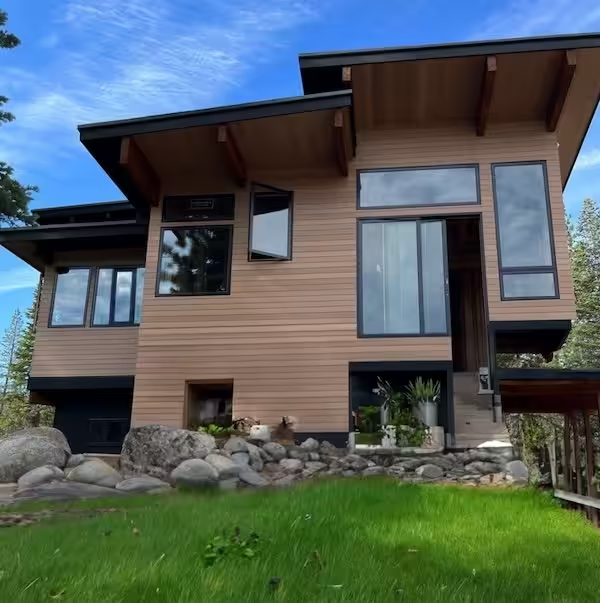
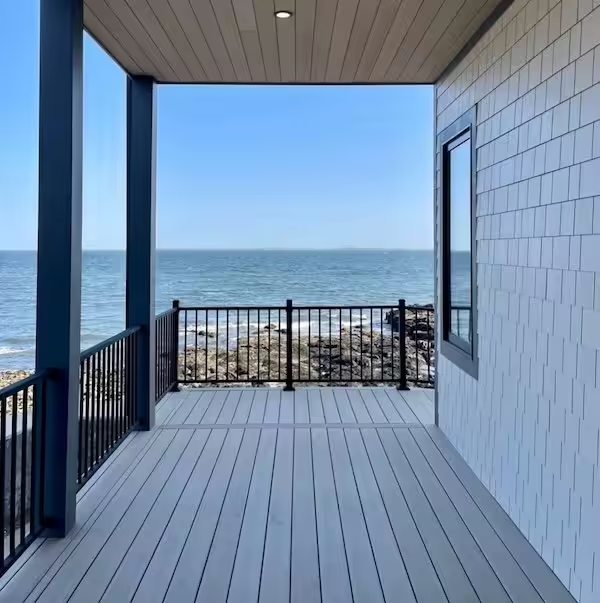
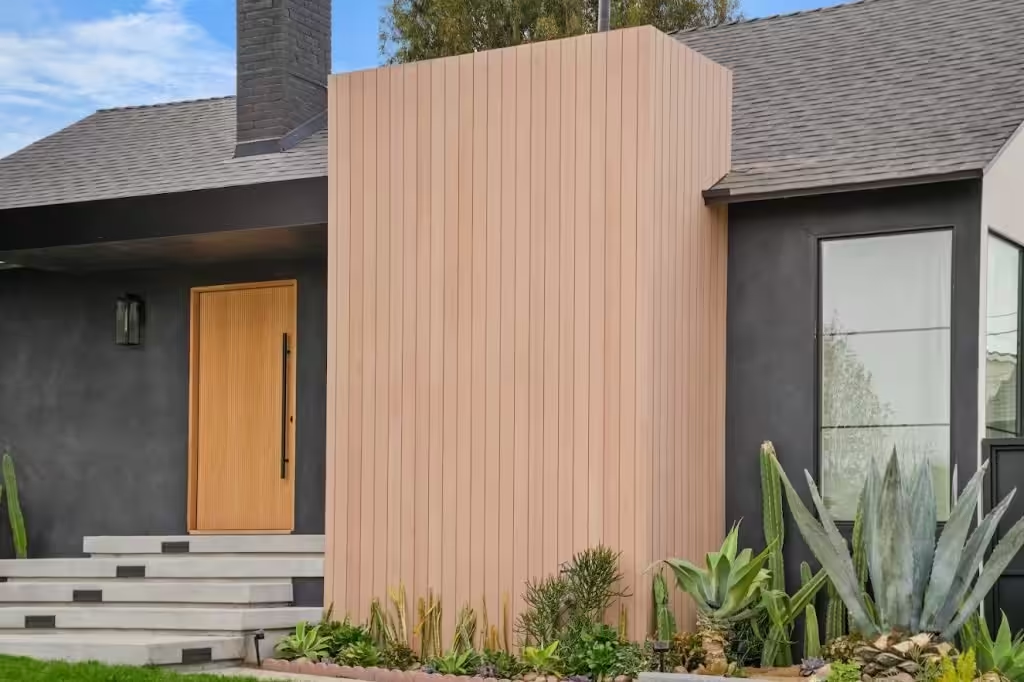
Exterior updates, especially siding, offer a major opportunity to improve your home’s sustainability during a renovation. Choosing the right materials can enhance durability, reduce maintenance, and significantly cut environmental impact over time.
Look for siding made from recycled or rapidly renewable materials, such as options that repurpose agricultural byproducts. These alternatives not only reduce dependence on virgin resources but also often outperform traditional wood or vinyl in terms of longevity and weather resistance. Additionally, if the product is manufactured domestically and uses locally sourced inputs, reducing transportation emissions and supporting local economies.
Consider prioritizing materials that are:
- Durable and weather resistant – able to withstand moisture, pests, fire, and severe weather without degrading.
- Low-maintenance – requiring minimal painting, staining, or chemical treatments over time.
- Recyclable or non-toxic – contributing to a cleaner lifecycle and healthier home environment.
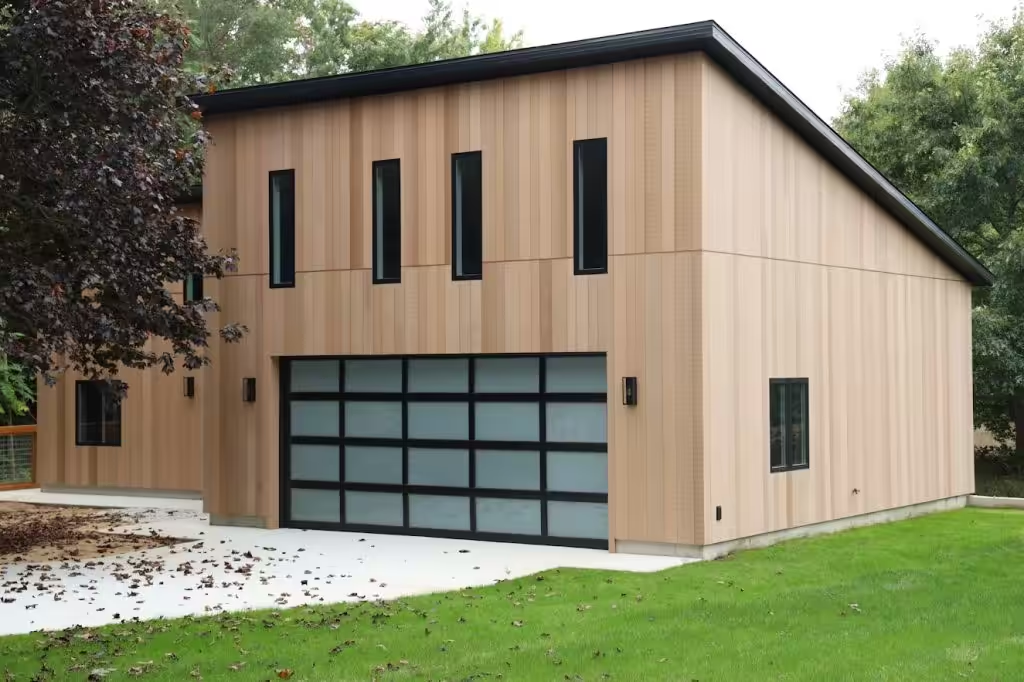
Products like ACRE siding check every box, offering the beauty of wood without the environmental downsides. Made in the U.S. from upcycled rice hulls, ACRE is 100% tree-free, recyclable, and resistant to water, weather, pests, and decay.
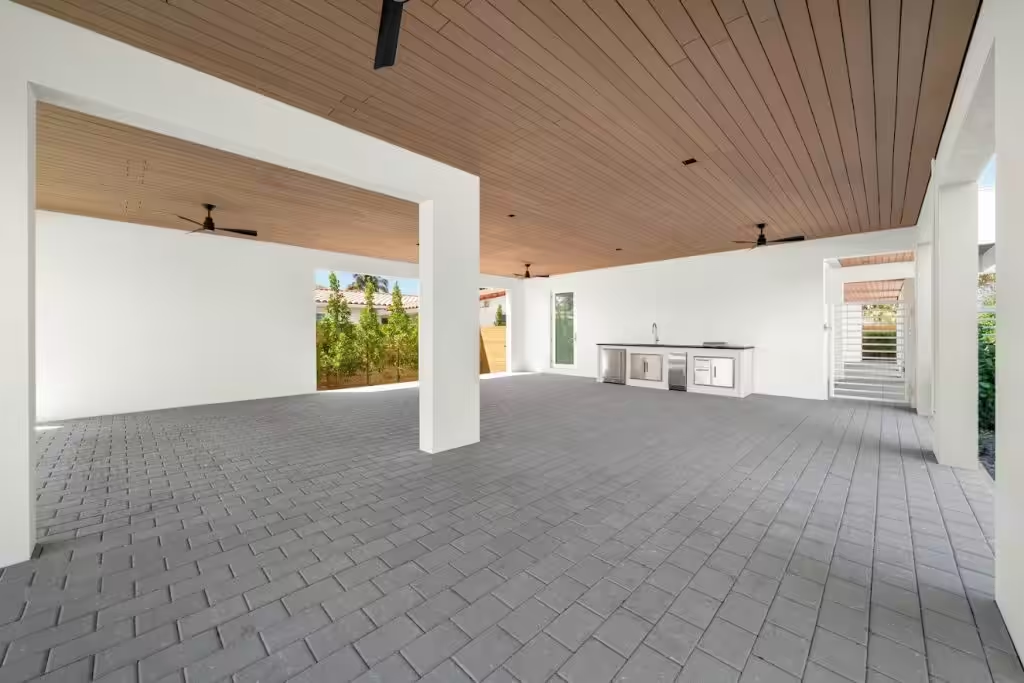
Whether you’re re-siding your home or adding exterior features like soffits or trim, sustainable materials can help you build a more resilient, eco-friendly home that’s designed to last.
Conclusion
Transitioning to sustainable materials during your renovation is an investment in both the environment and your home’s long-term value. By considering your renovation goals, evaluating materials for their sustainability and performance, and integrating eco-conscious practices into the design and planning phases, you can create a home that’s healthier, more energy-efficient, and easier to maintain.
Sustainable siding and exterior materials, such as ACRE, offer the durability, aesthetics, and environmental benefits that align with these objectives. With a variety of options available, making the shift to sustainable materials doesn’t have to be a sacrifice—it’s an opportunity to build a home that’s as forward-thinking and responsible as it is beautiful.
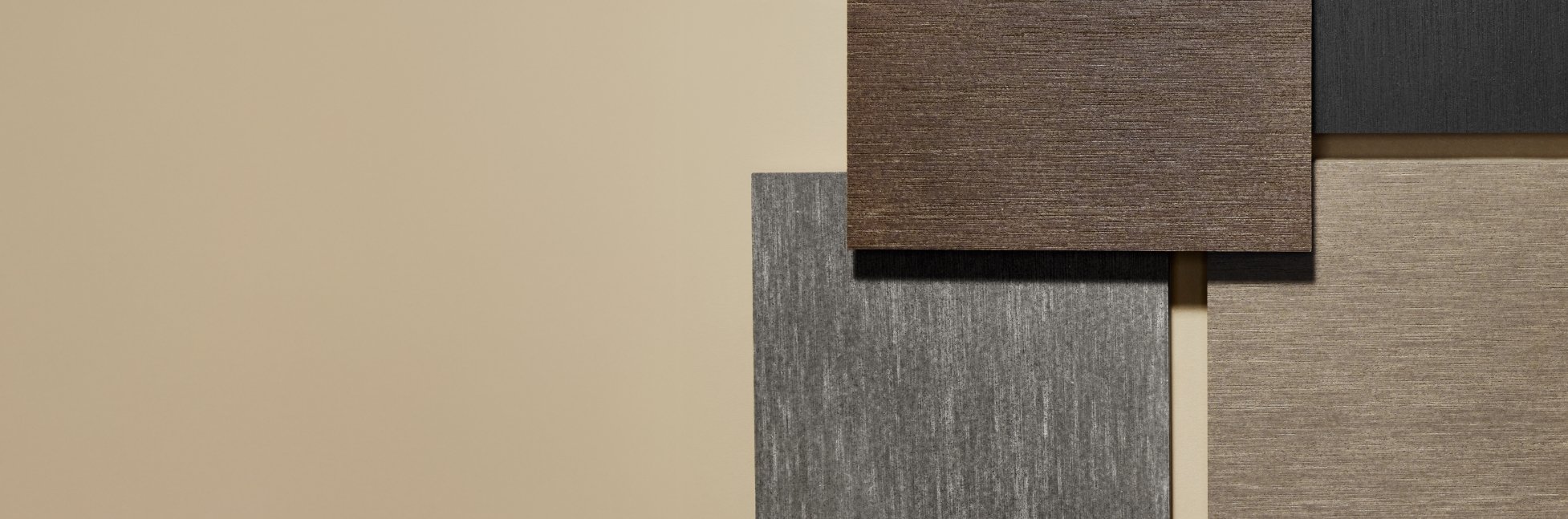
Ready to explore sustainable material for your project today? Order ACRE samples or fill out the contact form below to discuss your project needs with the Modern Mill team today.
Ready to Experience the
Difference?
Ask for ACRE at your local lumber yard or order samples to see for yourself why builders are making the switch.