What Is Biophilic Design and Why It Matters
December 2025Biophilic design is reshaping how we think about the built environment. What began as a theoretical concept has evolved into a measurable design strategy grounded in environmental psychology and human wellness. Architects and designers are increasingly turning to nature-inspired materials, patterns, and forms not just for aesthetics, but to improve how people feel in the spaces they occupy.
As more clients prioritize well-being, sustainable living, and meaningful connection to nature, biophilic design is no longer a niche conversation. It is becoming a defining characteristic of high-performing homes, workplaces, hospitality spaces, and public environments.
What Is Biophilic Design?
At its core, biophilic design integrates elements of nature into architecture to support physical, emotional, and cognitive health. The approach draws from the concept of biophilia which suggests that humans are inherently drawn to natural systems, textures, and patterns.
Biophilic design architecture typically incorporates one or more of the following strategies:
- Natural materials such as wood, stone, or clay
- Nature-inspired patterns, textures, and grain movement
- Views to the outdoors and dynamic lighting
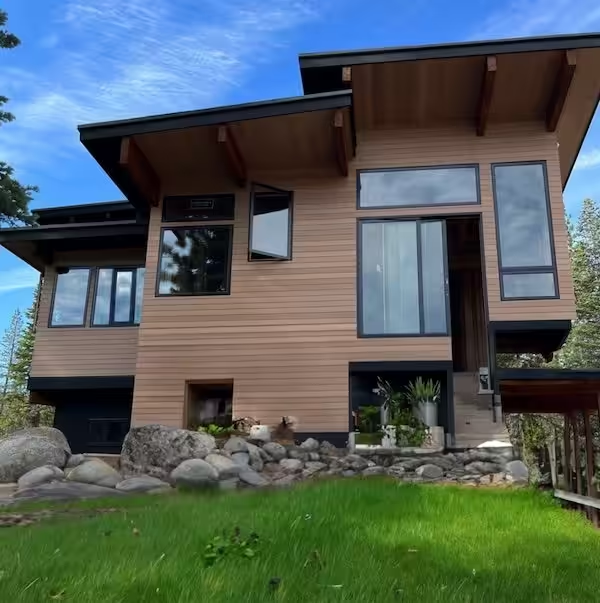
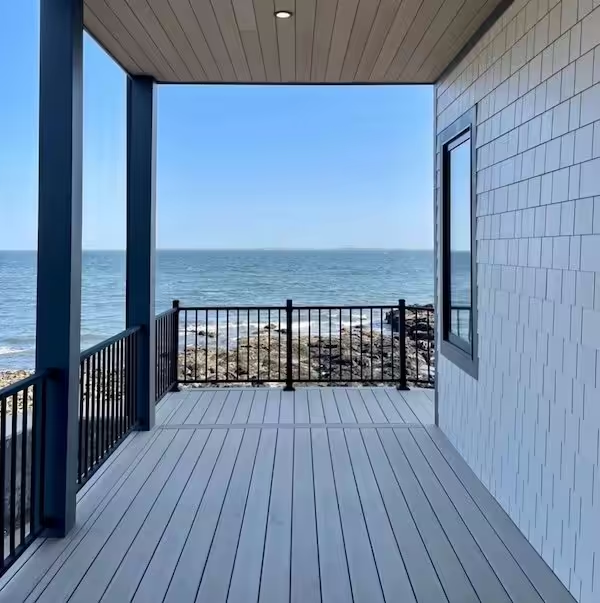
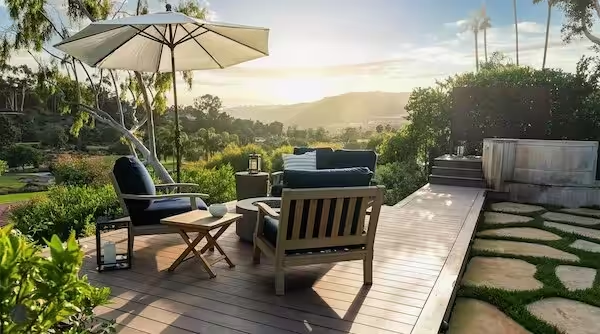
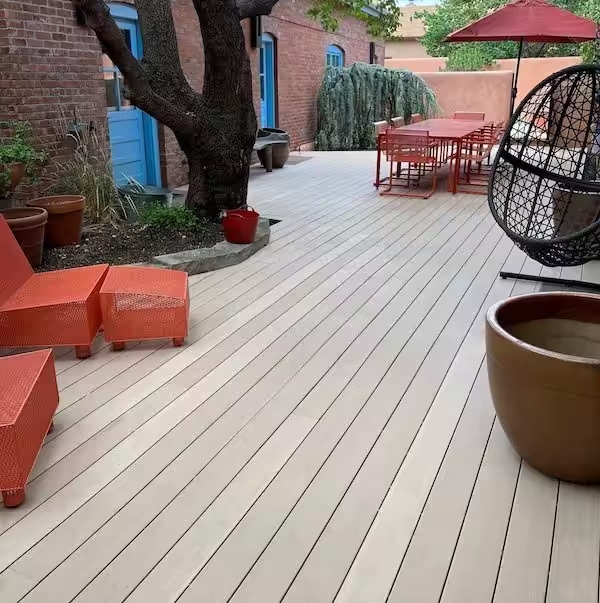
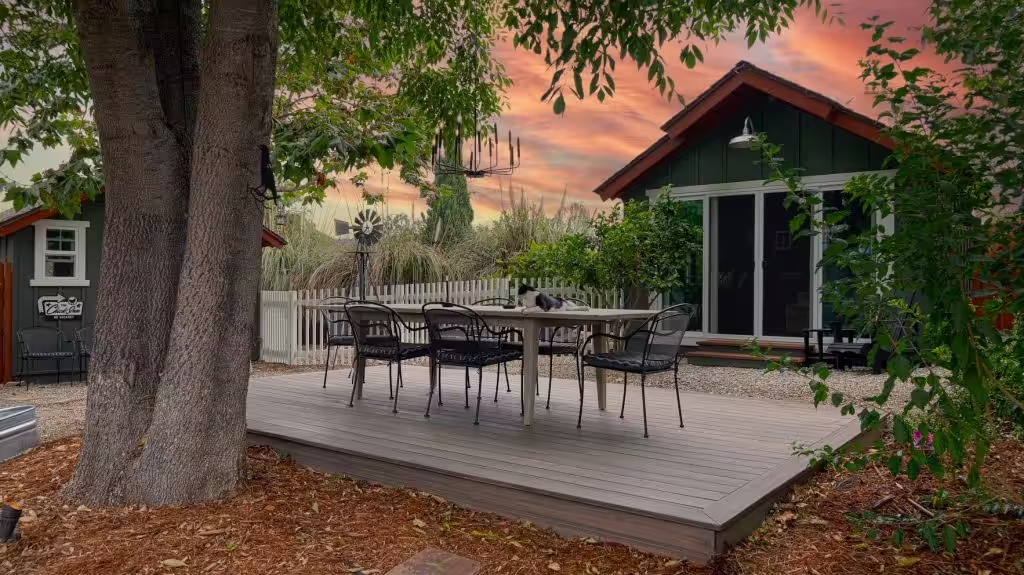
- Indoor/outdoor connections through transitions like decks, patios, or windows
- Organic forms and colors found in the natural world
These elements help reduce stress, improve mood, support focus, and create a more intuitive sense of comfort, outcomes now backed by an expanding body of research in design and behavioral science.
Why Biophilic Design Matters Today
Biophilic design is gaining momentum for three interconnected reasons:
1. Human Wellness Is Becoming a Design Priority
Residential and commercial occupants increasingly expect spaces that promote emotional balance and healthier lifestyles. Studies continue to show that exposure to nature-inspired environments can:
- Lower stress hormones
- Improve cognitive performance
- Increase creativity and productivity
- Foster a sense of calm and belonging
Design decisions are no longer evaluated solely on cost and function, they are judged on how they affect people.
2. Sustainability Is Part of the Spec
Biophilic spaces align naturally with sustainable building materials, which reduce the need for harvesting trees and allow architects to specify products with smaller environmental footprints. The emotional connection created by natural textures encourages longer product lifecycles, reducing waste and unnecessary replacements.
3. Material Innovation Has Removed Previous Barriers
Historically, biophilic design faced predictable obstacles:
- Natural materials required high maintenance
- Premium wood species were expensive and resource-limited
- Finishes were not easily customizable
- Designers were forced to compromise between beauty and performance
Modern Mill’s study on biophilic design revealed a key insight: simulated nature materials that are engineered to replicate the look and feel of natural wood are helping biophilic design scale because they eliminate these challenges. When a material looks natural, feels tactile, and performs reliably over time, architects can apply biophilic principles in more spaces without the maintenance burdens associated with traditional wood.
Simulated Nature: Expanding What Biophilic Design Can Achieve
There is a persistent misconception that biophilic design requires real, organic materials to be effective. Research now shows that well-designed products that closely resemble the visual, textural, and emotional qualities of natural elements can trigger similar positive wellness responses.
This opens the door to durable, sustainable materials that:
- Deliver realistic wood-like texture and tone
- Support biophilic design architecture without harvesting trees
- Offer broader finish and color customization
- Perform in exterior and interior environments with minimal upkeep
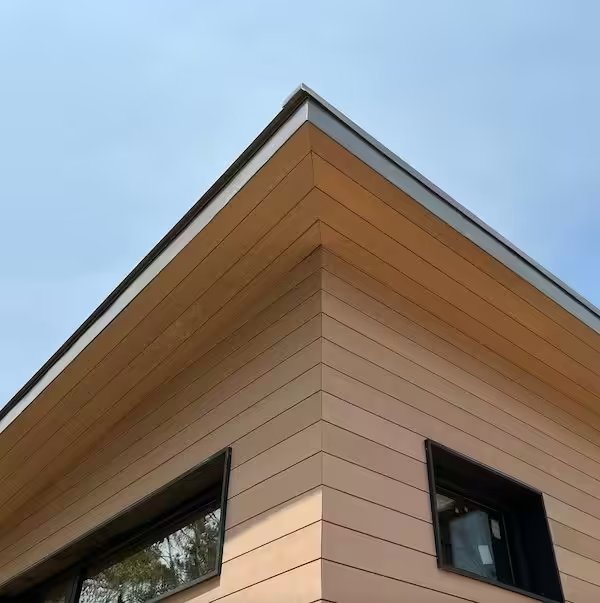
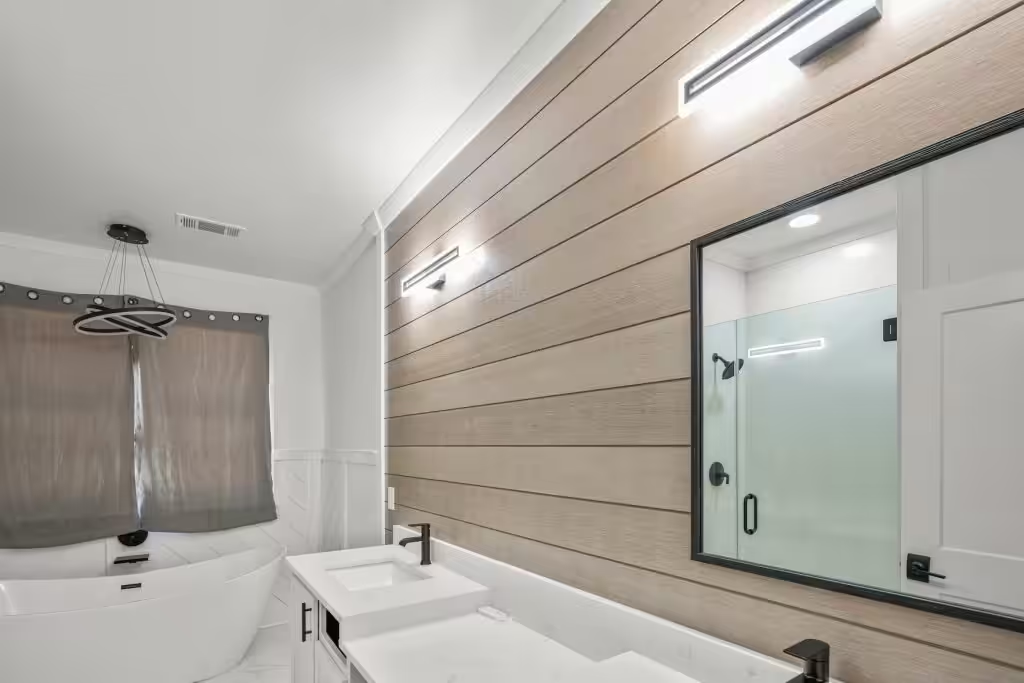
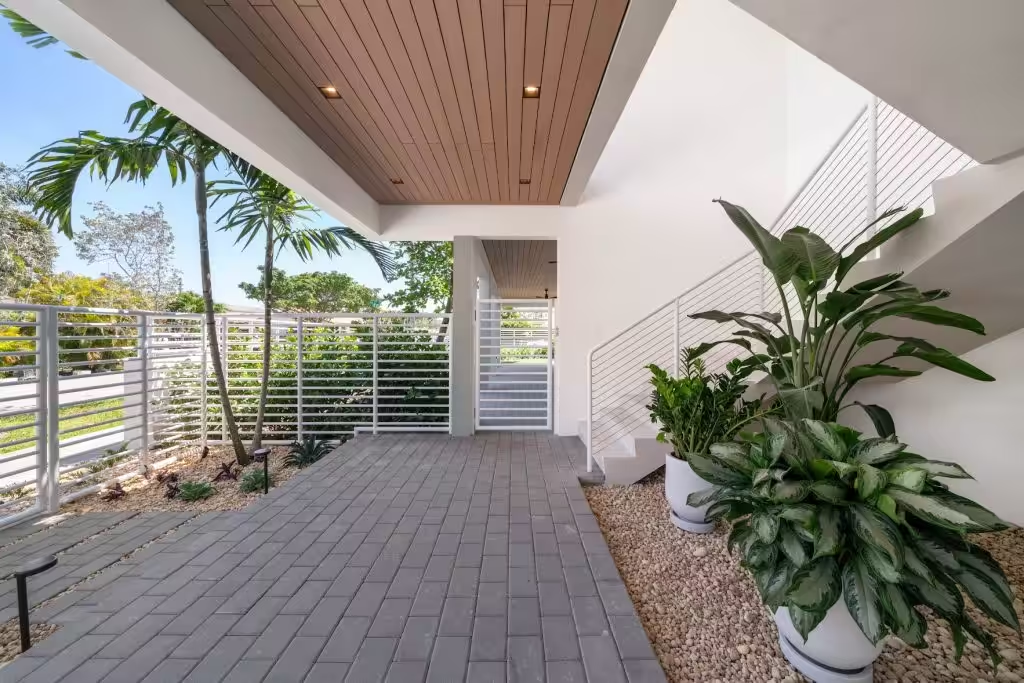
These advances enable designers to specify luxurious, nature-inspired elements for applications such as shiplap siding, interior walls, beadboard ceilings and much more without being limited by climate, species availability, or maintenance cycles.
How ACRE Helps Biophilic Design Scale
ACRE by Modern Mill represents the next evolution of simulated nature materials. Made in the USA from upcycled rice hulls, ACRE is a composite that looks and feels like wood, accepts stains and paints, and can be cut and drilled using standard woodworking tools, all without cutting down a single tree.
It supports biophilic outcomes because it delivers:
- A warm, tactile, wood-like grain
- Zero added phenol, formaldehyde, or adhesives
- Long-term durability without rot, swelling, or cracking
- Low maintenance requirements that eliminate the burdens of natural wood
ACRE removes the tradeoffs that have historically restricted biophilic design, allowing architects to create healthier spaces that are scalable, repeatable, and visually compelling.
Conclusion
Biophilic design matters because humans are wired for nature. When buildings reflect the materials, forms, and patterns found in the natural world, they support emotional well-being and elevate everyday spaces into restorative environments.
Today, the future of biophilic design depends not on returning to raw materials, but on innovative products that deliver the same sensory experience without environmental or maintenance drawbacks. Simulated nature materials like ACRE are helping designers apply biophilic principles more broadly, responsibly, and beautifully.
Ready to bring biophilic design to life in your next project? Order ACRE samples and schedule an accredited AIA course on biophilic design with Modern Mill today.
Ready to Experience the
Difference?
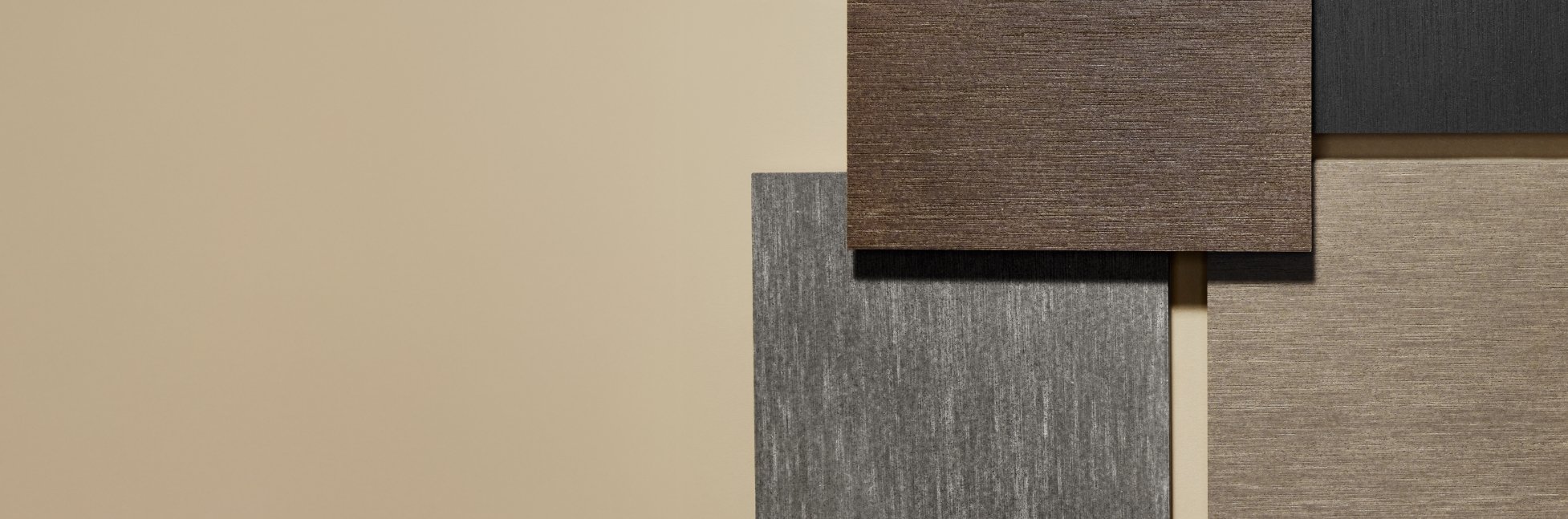
Ask for ACRE at your local lumber yard or order samples to see for yourself why builders are making the switch.