Vinyl Siding Alternatives: Better-Looking Options That Last Longer
July 2026Vinyl siding alternatives exist because vinyl wins on price and loses almost everywhere else. If your siding looks flat and plastic from the curb, has faded unevenly, or cracked after one bad winter, you are ready for the upgrade.
The best alternatives to vinyl siding – fiber cement, engineered wood, rice-hull composite, natural wood, metal, and masonry – beat it on looks first and usually on lifespan, at very different prices and upkeep loads. Below: real installed costs, honest maintenance cycles, and the climate fit for each.
Why Homeowners Replace Vinyl Siding
Two complaints drive most vinyl replacements: the way it looks and the way it ages. Everything else is secondary.
Start with the looks. Vinyl panels overlap at the ends, so every wall carries a pattern of visible seams. Add the plastic sheen that catches afternoon light and the fade that hits sun-facing walls first, and curb appeal takes the hit: the home reads as “builder-grade” no matter how well it was installed.
That sameness is part of the problem. About 26% of new homes started in 2024 used vinyl siding, per National Association of Home Builders (NAHB) analysis of Census data, and in New England the figure hits 73%. In vinyl-heavy regions, an upgrade is what stands out on the street.
Then there’s how vinyl ages. It is polyvinyl chloride (PVC), plastic at its core, and heat is its enemy. It softens and distorts in intense sun and near grills, and the vinyl industry’s own trade group acknowledges that energy-efficient windows can concentrate reflected sunlight strongly enough to distort panels nearby, a rare but documented failure. Its suggested fixes include planting shrubs or adding window screens to cut the reflected heat.
Cold weather brings the opposite failure. Vinyl turns brittle, hail or an errant baseball cracks panels that can’t be patched, and replacements rarely match the faded color around them: one repair becomes a visibly mismatched wall.
Side note: You can paint vinyl siding, but only with vinyl-safe paint in colors formulated to limit heat absorption. Ordinary paint darker than the original color can make panels warp and can void the warranty.
Homeowners associations and historic districts add one more push: many restrict or ban vinyl outright, making a better-looking alternative the only path to approval.
Vinyl Siding Alternatives Compared
Here is how the major vinyl siding alternatives stack up on cost, lifespan, upkeep, and weather resistance. Installed costs come from national siding cost guides; lifespan figures come from the sources cited in each material’s section below.
| Material | Installed Cost (per sq. ft.) | Expected Lifespan | Upkeep Reality | The Look |
|---|---|---|---|---|
| Vinyl (baseline) | $3-$12 | 20-40 years | Washing; panels fade and crack | Plastic sheen, visible seams |
| Fiber cement | $5-$14 | Up to 50 years | Caulk checks, periodic repainting | Convincing painted wood |
| Engineered wood | $7-$12 | 20-40 years | Repainting on a shorter cycle | Real wood-grain texture |
| Composite (rice hull) | Dealer-quoted | Newer material; limited lifetime warranty (ACRE) | Soap-and-water cleaning; no required repaint | Matte, milled-wood character |
| Natural wood (cedar) | $1-$15 | 20-40 years, longer with upkeep | Regular stain or seal | The benchmark everything imitates |
| Steel | $4-$16 | 40-70 years | Minimal; watch for dents and scratched coatings | Crisp lines, wood-look options |
| Aluminum | $6-$10 | 20-40 years | Low; dents easily | Painted metal, the coastal staple |
| Brick veneer | $8-$13 | 50+ years | Occasional mortar repointing | Permanent, traditional |
| Stucco | $7-$17 | 50-80 years | Crack patching, especially in freeze-thaw | Seamless, textured masonry |
Note: Board and batten, shiplap, nickel gap, and traditional lap siding are profiles, not materials. Most of the options above come in those styles, so pick the material first, then the profile. In solid-board materials, board and batten has a quiet repair advantage: a damaged board can be swapped individually instead of redoing the wall.
Our guide to board and batten siding covers how material choice changes that look.
The table tells one story clearly: nothing beats vinyl upfront. The alternatives win on looks across the board, and on lifespan everything except engineered wood, natural wood, and aluminum beats vinyl, often by decades.
Fiber Cement Siding
Fiber cement is the default vinyl upgrade, and for good reason. A blend of cement, sand, and cellulose fibers, it holds paint well, stands up to weather that cracks vinyl, and brings true fire resistance. The boards don’t burn, rot, or feed termites.
The aesthetic gap is real. Fiber cement planks are thicker than vinyl panels, so they cast crisper shadow lines, and the painted finish has none of vinyl’s plastic glare. From the sidewalk, a fiber cement wall passes for painted wood. James Hardie’s Hardie board made the category famous, and brands like Allura compete on similar formulations.
This Old House puts fiber cement at $5 to $14 per square foot installed, with a national project average of $14,674, and notes it can last 50 years when properly installed.
Here’s the part the brochures soft-pedal: fiber cement is not maintenance-free. The same guide recommends spraying the surface down with water twice a year, checking caulked seams every few years, and budgeting around $2.50 per square foot when repainting day arrives. The Ask This Old House crew puts that repaint cycle at 10 to 15 years. Failed caulk joints are the material’s quiet weak spot, because they let water reach the substrate.
Installation is the other constraint. The boards are heavy, cutting them releases silica dust that requires proper equipment, and a bad install can crack boards or void warranties. This is a professional-crew material, not a weekend project.
If you are weighing it against a newer composite, our ACRE vs fiber cement comparison walks through where each one wins.
Engineered Wood Siding
Engineered wood siding splits the difference between natural wood siding and fiber cement. Real wood fibers and strands get bonded with resins and waxes, then pressed into boards with a genuine grain texture that vinyl embossing never quite matches.
Why choose it over fiber cement? Weight and workability. Engineered wood boards are lighter, cut like lumber without silica dust, and go up faster, which trims labor costs even when material prices run close, and engineered wood typically runs $7 to $12 per square foot installed.
Because the surface is actual wood fiber, stained and painted finishes look warmer than paint over cement. LP SmartSide is the name most contractors reach for in this category.
The trade-offs are about moisture and upkeep. Angi rates engineered wood at 20 to 40 years of service, shorter than fiber cement, and it needs repainting on a shorter cycle to keep that moisture protection intact. The resins add rot and termite resistance far beyond raw lumber, but in persistently wet climates the boards can swell at cut edges if the factory sealing is compromised during installation.
Composite Siding Without the Plastic Look
The newest class of vinyl siding alternatives is wood-free composite, built to skip both the upkeep of wood and the plastic look.
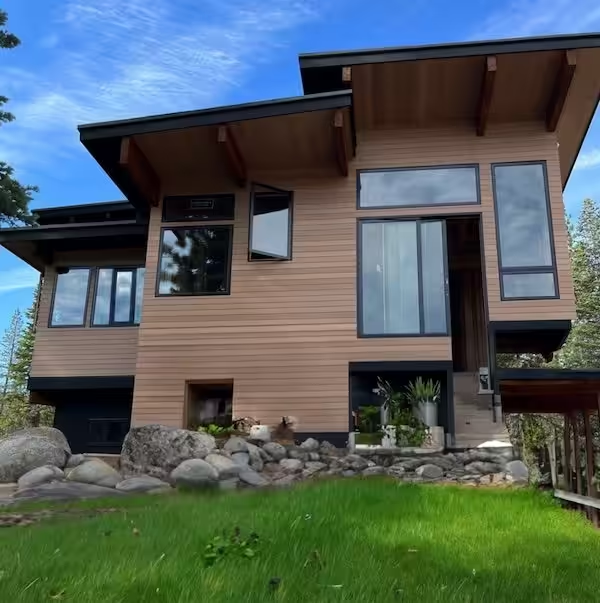
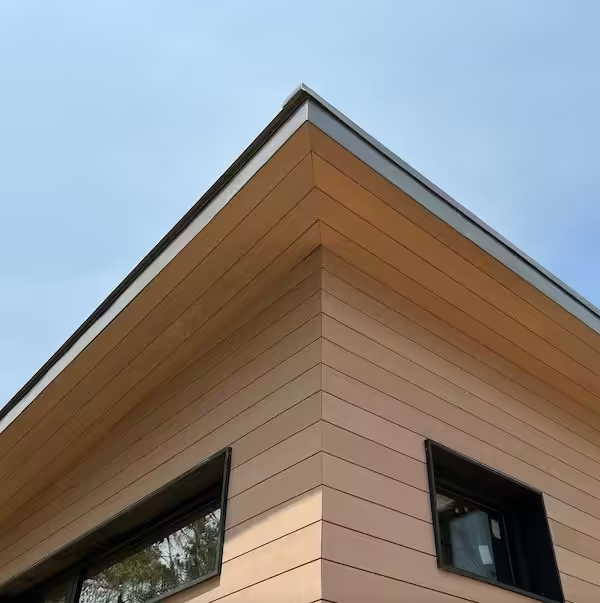
ACRE, Modern Mill’s rice-hull composite, is built around that idea. The boards blend over 50% upcycled rice hulls by volume, a tree-free agricultural byproduct, with a proprietary PVC resin: the same chemistry family as vinyl, but in a solid, millable board that is mostly plant matter. The surface mills and paints like wood, with a matte, milled-wood character instead of gloss.
The maintenance profile is the draw. ACRE resists water, weather, rot, and pests, so there is no stain-and-seal cycle. Cleaning is soap and water. The boards take paint if you want a color change, but they don’t require one to stay protected; like vinyl, warranty-approved coatings are water-based and stay on the lighter end (LRV 55 or higher). The material is backed by a limited lifetime warranty covering manufacturing defects.
Modern Mill’s ACRE Shiplap siding is listed by the California State Fire Marshal for use in the wildland-urban interface (listing 8140-2385:0001). The listing covers the brown color in 1-inch-thick boards installed over the specific wall assembly that was tested, and it runs through June 30, 2027, so confirm the listed assembly with your building department.
A few practical notes: ACRE is a premium product quoted through dealers rather than priced per square foot, and like any exterior board it expands and contracts with temperature, so installation follows a specific gapping-and-fastener spec. An optional clear coat keeps the color fresh in strong sun. As a newer category it cannot point to 50-year-old installations the way fiber cement or masonry can, but the lifetime warranty and the WUI fire listing are how we back that bet.
In our experience, the homeowners happiest with composite are the ones leaving vinyl specifically because of the look. They want deeper profiles and a wood face without cedar’s maintenance calendar. Our ACRE vs vinyl breakdown covers the head-to-head.
Natural Wood Siding
Wood siding in cedar or redwood is still the look every other material imitates. Nothing else weathers into the same silver-gray patina or takes stain with the same depth, so wood remains the pick for appearance-first homeowners.
Wood also gives installers a flexibility no rigid panel can match. On the same Ask This Old House comparison, the crew shows how tapered cedar clapboards allow exposure adjustment course by course, shrinking the overlap slightly so rows hit door and window tops with a clean line. Vinyl is locked in once the first course is set, and fiber cement allows far less adjustment before visible shadow lines appear.
Now the cost side. Wood is the highest-maintenance option on this page. The same crew budgets repainting every 7 to 10 years, plus sanding. Skip a cycle and you invite rot, insects, and woodpeckers. Installed pricing spans the widest band on the page, $1 to $15 per square foot in Angi’s data, depending on species and grade, but the real cost accrues over decades of refinishing.
The result? Wood rewards owners who genuinely enjoy the upkeep ritual or budget for a painter on schedule. If you love cedar’s face but not its calendar, our guide to alternatives to cedar siding maps the imitators worth considering.
Metal Siding: Steel and Aluminum
Steel siding is the durability pick. Fire, pest, and impact resistance come standard, it won’t warp, and modern coatings emboss convincing wood grain onto the panels. Steel siding commonly lasts 40 to 70 years or more, a service life only masonry tops.
Steel earns its keep in the hail belt, where impact resistance decides what survives a storm. Weather that leaves a vinyl wall cracked and a fiber cement wall chipped will usually leave coated steel with nothing worse than cosmetic scuffs. Panels are commonly made with recycled content and are recyclable at end of life.
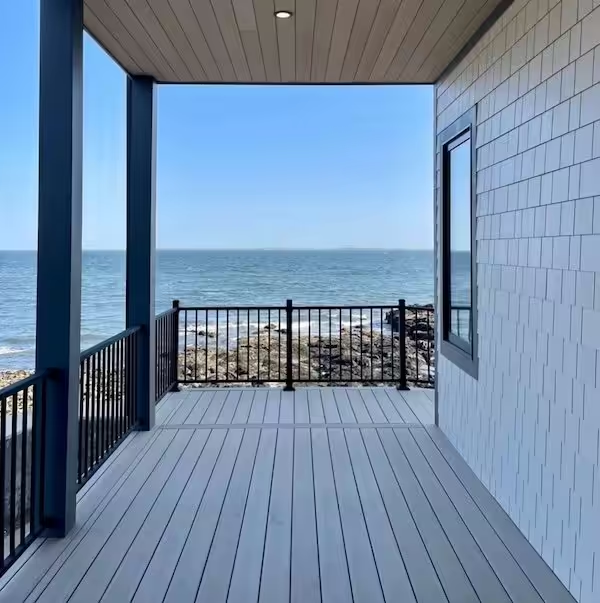
Aluminum siding plays a different role. It never rusts, so it handles salt air better than steel, which makes it the metal of choice within sight of the ocean. The trade-off is softness: aluminum dents where steel doesn’t.
Two caveats: rain and hail are audible without good insulation behind the panels, and scratches that breach a steel coating need touch-up before corrosion starts. At Angi’s $4 to $16 per square foot installed, steel costs roughly fiber cement money for a longer-lived wall that is about as low maintenance as siding gets.
Brick, Stone Veneer, and Stucco
The masonry options sit at the top of the lifespan table, with caveats that come down to weight, water, and climate.
Brick veneer runs $8 to $13 per square foot installed and lasts 50 years or more with nothing beyond occasional mortar repointing. The catch: brick is heavy, and homes not designed for it may need a support ledge or foundation work first.
Manufactured stone veneer delivers the stone look at a fraction of natural stone’s weight and price. Its weakness is hidden water: installed without proper drainage detailing, the veneer can trap moisture against the wall and crack through freeze-thaw cycles.
Stucco siding is the regional specialist: the default exterior across the dry Southwest, fire-resistant, seamless, and rated in This Old House’s data at 50 to 80 years with sound installation. In wet or freeze-thaw climates it demands careful drainage design, and the synthetic EIFS (exterior insulation and finish system) variants carry a documented history of moisture problems when detailing is sloppy.
All three reward homeowners planning to stay put. The upfront premium amortizes beautifully over 50 years, and badly if you sell in five.
How to Choose: Match the Siding to Your Climate and Budget
Start with your climate, because it eliminates options faster than any showroom visit.
| Your Climate | Strongest Fits | Why |
|---|---|---|
| Hail belt (Plains, Midwest) | Steel | Impact resistance; hail cracks vinyl and chips fiber cement |
| Coastal salt air | Aluminum siding | No rust; handles salt spray that corrodes steel |
| Humid Southeast | Engineered wood, rice-hull composite | Moisture resistance without cedar’s upkeep |
| Wildfire / WUI zones | Fiber cement, WUI-listed composite assemblies | Fire resistance is written into building codes |
| Freeze-thaw North | Fiber cement, brick veneer | Stucco and stone veneer crack without careful drainage detailing |
Then do the lifetime math instead of comparing cost per square foot. A $7,000 vinyl job replaced after 20 years costs more per year of service than a $14,000 wall that runs 50. Resale value follows the same logic: Zonda’s 2025 Cost vs. Value report found fiber-cement siding replacement recoups 113.7% of its cost at resale, against 96.5% for vinyl. Buyers can see the difference from the driveway.
Budget for the hidden work, too. Quotes that look high usually include what cheap quotes omit: tearing off and disposing of the old siding, replacing trim, flashing, and soffits, and upgrading the water-resistive barrier underneath. Those line items belong in every bid you compare. The tear-off moment is also the cheapest time to add insulated sheathing, which does far more for energy efficiency than any siding material on its own.
One practical tip for HOA neighborhoods: bring physical samples to the review board. Wood-look steel, fiber cement, and composite all photograph like plastic and convince in person.
If durability is your deciding factor, the longest-lasting siding options ranking goes deeper on service life. For most homeowners leaving vinyl, though, the short list of house siding alternatives comes down to fiber cement, steel, or a modern composite like ACRE, decided by climate and the low maintenance bar you set.
Ready to Experience the
Difference?
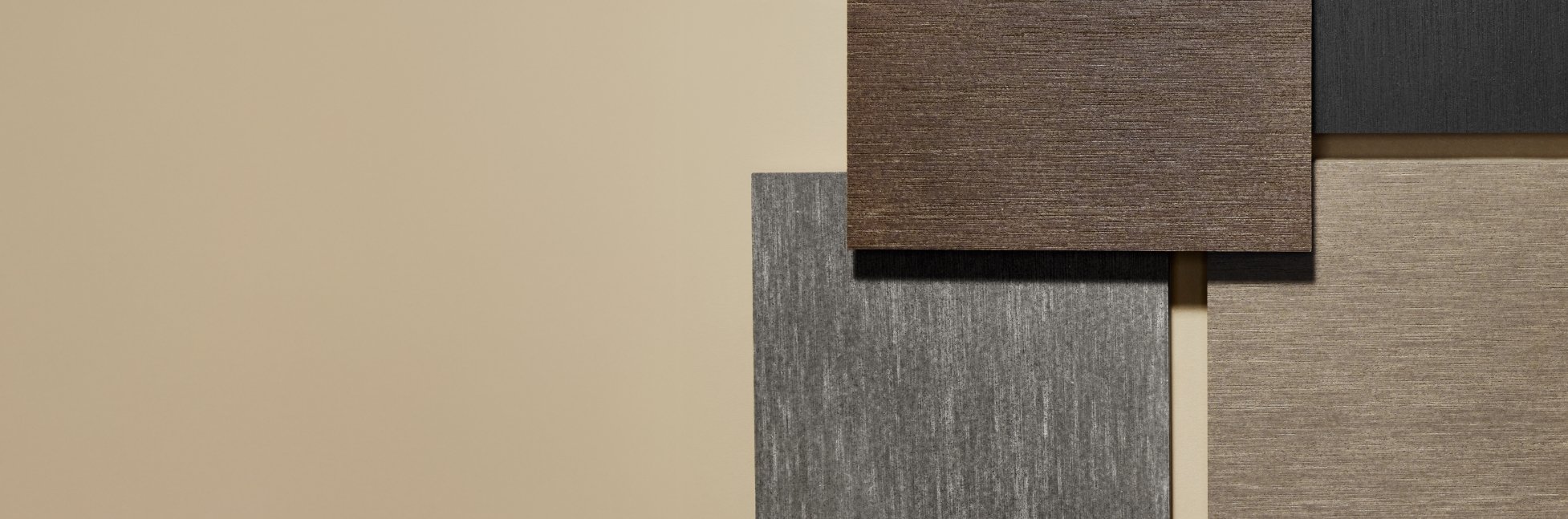
Ask for ACRE at your local lumber yard or order samples to see for yourself why builders are making the switch.
Frequently Asked Questions
What Is the Best Alternative to Vinyl Siding?
Fiber cement is the best-known vinyl siding alternative, balancing cost, looks, and a lifespan of up to 50 years. The best choice depends on climate and maintenance requirements: steel for impact-prone regions, engineered wood and rice-hull composites for humid ones, and composites if eliminating the repaint cycle matters most.
Is There Anything Cheaper Than Vinyl Siding?
Not in any practical sense. Budget wood starts lower on paper, but once finishing and upkeep are counted, vinyl’s $3-$12 installed cost per square foot stays the cheapest finished wall. The better comparison is cost per year of service, where 40-to-70-year materials like steel routinely beat a vinyl wall that gets replaced after 20.
What Are People Replacing Vinyl Siding With?
Fiber cement is the most common upgrade path, alongside engineered wood, steel, and newer wood-free composites built on rice hulls. The common thread: thicker boards, real shadow lines, a finish that doesn’t read as plastic, and a longer service life. Among new builds, vinyl actually retook the top spot in 2024, which is why an upgraded wall stands out.
Can You Put New Siding Over Old Vinyl?
Usually you shouldn’t, even where code allows it. Layering over vinyl traps an uneven, moving surface under the new wall and hides any moisture damage in the sheathing. A proper job strips the vinyl, inspects the substrate, and upgrades the water-resistive barrier.
See the Difference in Person
Spec sheets can’t settle a siding decision. Texture, shadow lines, and how a board takes light are things you can only judge with material in hand.
If a wood look without the wood upkeep is what pulled you away from vinyl, order an ACRE sample and put it next to your contractor’s fiber cement board.
Modern Mill makes ACRE siding for homeowners who want the better-looking wall to be the one they never have to babysit.