Why More Builders Are Specifying Composite Siding
March 2026The material conversation used to be straightforward. Wood was the go to specification, the client approved it, and the project closed. The callbacks arrived later with repainting questions at year five, rot repairs at year eight, the occasional pest situation that nobody budgeted for.
Repaints and rot repairs are the standard maintenance cycle every wood-sided project carries, and enough builders have tracked them to change what goes on the bid. Composite siding has taken up that ground, picked for its lower maintenance demands, better performance in difficult climates, and a long-term cost profile that looks different once the full project lifecycle is on the table. Below are the reasons why more builders are making the switch.
Composite Siding Costs Less Than Wood Over 10 Years
The upfront cost of composite siding runs $10 to $25 per square foot with installation, per HomGuide’s 2026 pricing data. At first glance, the price looks premium compared to lower end wood options but over a 10-20 year window, composites provide better value.
Wood siding requires repainting or restaining every three to seven years. Per Angi’s 2026 cost data, exterior repainting runs a wide average starting around $1,000. Over the lifetime of a house, the need to professionally refinish your home every so many years will cost thousands extra than you originally planned for. This isn’t counting any water damage, rot, pests or other replacement needs affiliated with wood.
Composite siding carries a minimal refinishing schedule. In our experience selling siding jobs across the country, one of the biggest questions we hear is “how often will I need to repaint or restain this product once it’s installed?”. With composites like our rice hull based material ACRE, there’s only need for minimal touchups every 3-5 years versus the yearly touchups and major repairs that you can expect down the line with wood. For projects where field-applied finish is preferred, ACRE is the only composite siding on the market that accepts stain and can now arrive at the job finished and ready to install — see whether pre-finished siding is worth it for your bid.
Composites Resist Termites and Rot
Termites and wood-boring insects feed on cellulose, the organic fiber in natural wood that gives pests both nutrition and a structural entry point. Composites have another advantage over wood since there is nothing in their material composition for wood-boring insects to digest or metabolize.
According to the National Pest Management Association, termites damage an estimated 600,000 U.S. homes every year, with homeowners spending $5 billion annually on controlled repairs, averaging $3,000 per affected home.
Specifying a material with no cellulose substrate removes that exposure from the project entirely. Composites like rice hull siding also don’t retain moisture the way wood fiber does, removing the wet-substrate conditions that allow rot and fungal growth independent of pest activity. For builders working in the Southeast, Gulf Coast, and Southwest where subterranean termite pressure is highest year-round, this shift eliminates termite and rot worries altogether.
More Fire Compliance with Composites
According to the USDA Forest Service, 44 million homes in the United States sit within Wildland-Urban Interface zones, representing 32 percent of all housing nationwide. That number grew 47 percent between 1990 and 2020, and state fire codes across California, Colorado, and Oregon have responded with tighter material requirements that natural wood siding cannot meet.
In WUI-designated areas, exterior cladding is a code compliance decision before it is a design one. Composite siding built from inorganic mineral compounds carries fire resistance driven by material composition rather than chemical treatment. Wood can be pushed toward higher fire ratings with fire-retardant additives, but those treatments degrade over time. Mineral-based composites are typically higher fire rated and have better resistance.
For builders working in WUI zones, verifying material eligibility before the design is finalized prevents costly mid-project redesigns. Composite siding qualifies where many conventional products don’t.
Composite Siding Handles Wet, Cold, and Hurricane-Prone Climates
Wood siding absorbs moisture. In high-humidity markets, coastal environments, and regions with significant freeze-thaw cycling, that absorption leads to warping, swelling, cracking, and paint failure over time. The maintenance cycle that follows is not a worst-case outcome. It’s the standard trajectory for wood in these conditions.
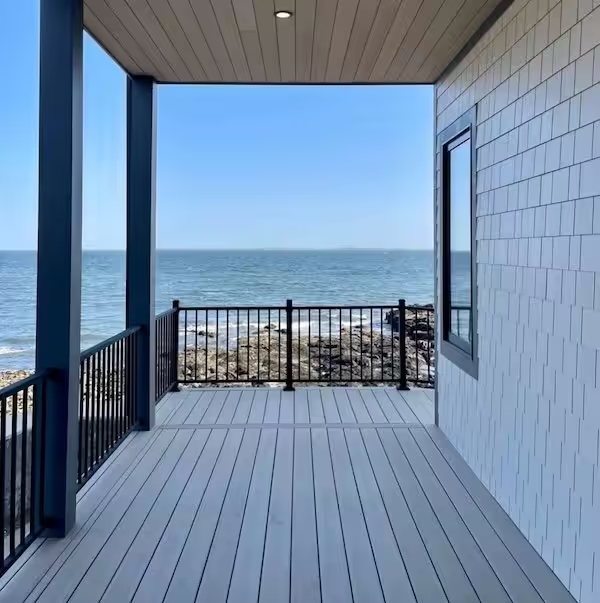
Synthetic wood siding built from inorganic mineral compounds resists moisture absorption in a way wood fiber cannot. It doesn’t rot, swell, or degrade from sustained water exposure, which matters most in markets where humidity and precipitation are constant rather than seasonal. In hurricane-prone regions along the Gulf Coast, Florida, and the Carolinas — and in the freeze-thaw markets covered in this guide to cold-climate shiplap installations — composite siding’s consistency under sustained wind and rain exposure adds another layer of performance that wood products struggle to match.
Composite Siding Comes in Every Profile Wood Gets Specified In
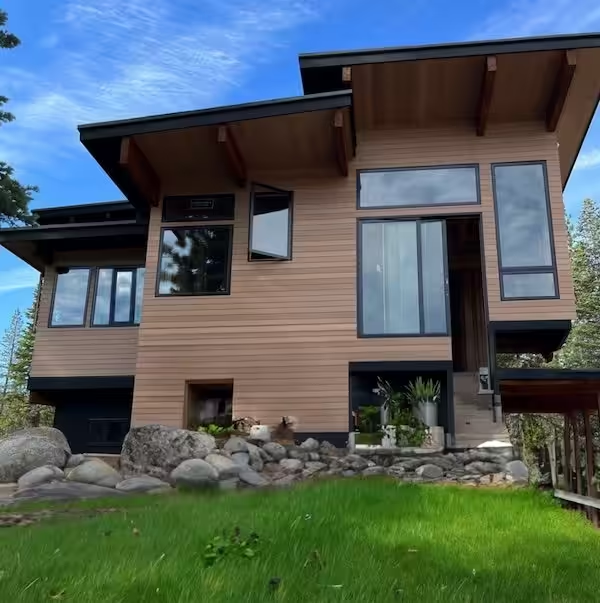
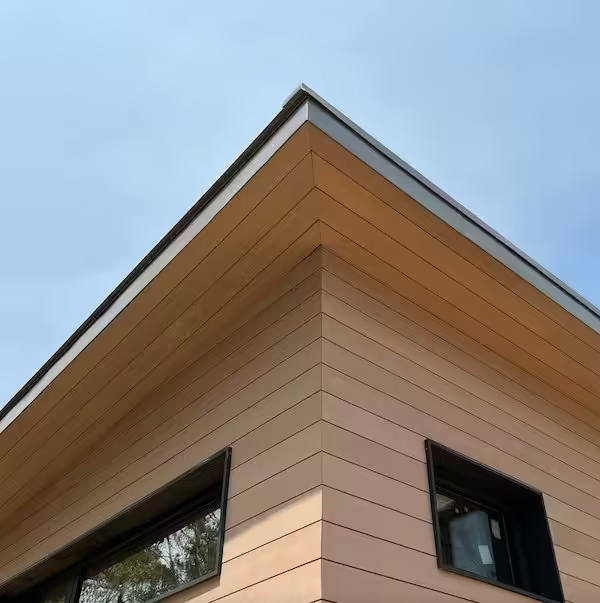
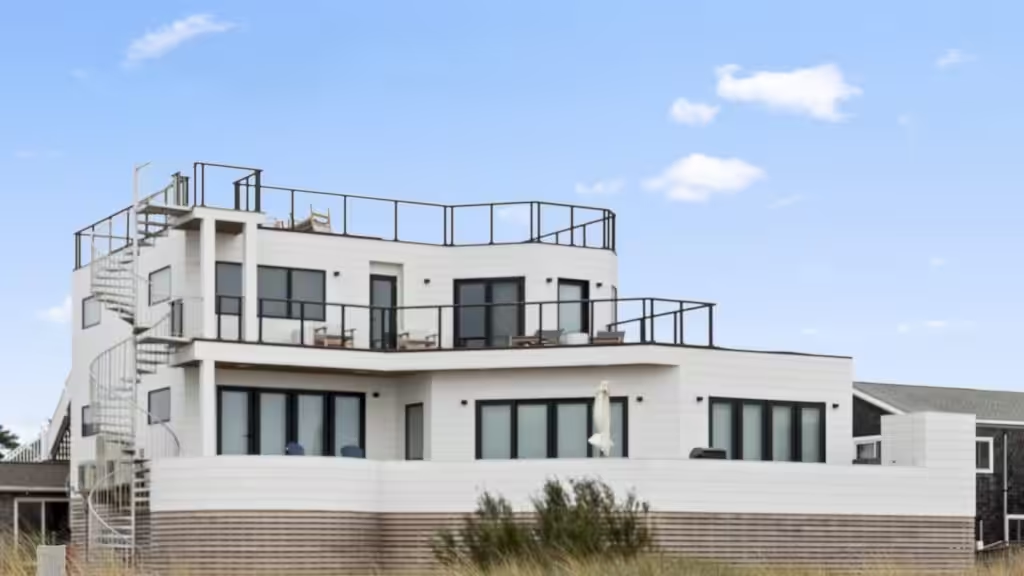
One of the last remaining objections to composite siding is aesthetic, and it is increasingly outdated. Early composite products could be milled into the same profiles as wood, but they looked fake and like plastic. That’s no longer the case for innovative composites.
Today, composite siding is available in shiplap siding, board and batten siding, nickel gap, v-groove, and edge bead, covering the full range of exterior profiles the market calls for. A single composite material family can carry an entire facade without the aesthetic compromises that came with earlier product generations.
Writing in LA Times Spaces, Modern Mill’s Architectural Specialist Mary Lynn Hadix noted that the perception of composite materials as aesthetically limiting no longer holds: “Today’s high-quality materials are designed with a clear attention to detail, with textures and finishes that authentically replicate what they are trying to mimic.”
Explore Composites for Your Next Job
The case for composite siding is built across the full project timeline. Lower maintenance costs, no cellulose for pests to feed on, better fire compliance in high-risk zones, and performance in climates that wear wood down fast. Builders who have made the switch are not going back, and the ones still specifying wood are increasingly doing it out of habit rather than analysis.
If you’re working through the material decision, Modern Mill’s for builders page covers specifications, installation resources, and helpful considerations. For a closer look at how composite performs across specific regional climates, how to choose the right siding for your climate walks through the regional performance questions in detail.
Ready to Experience the
Difference?
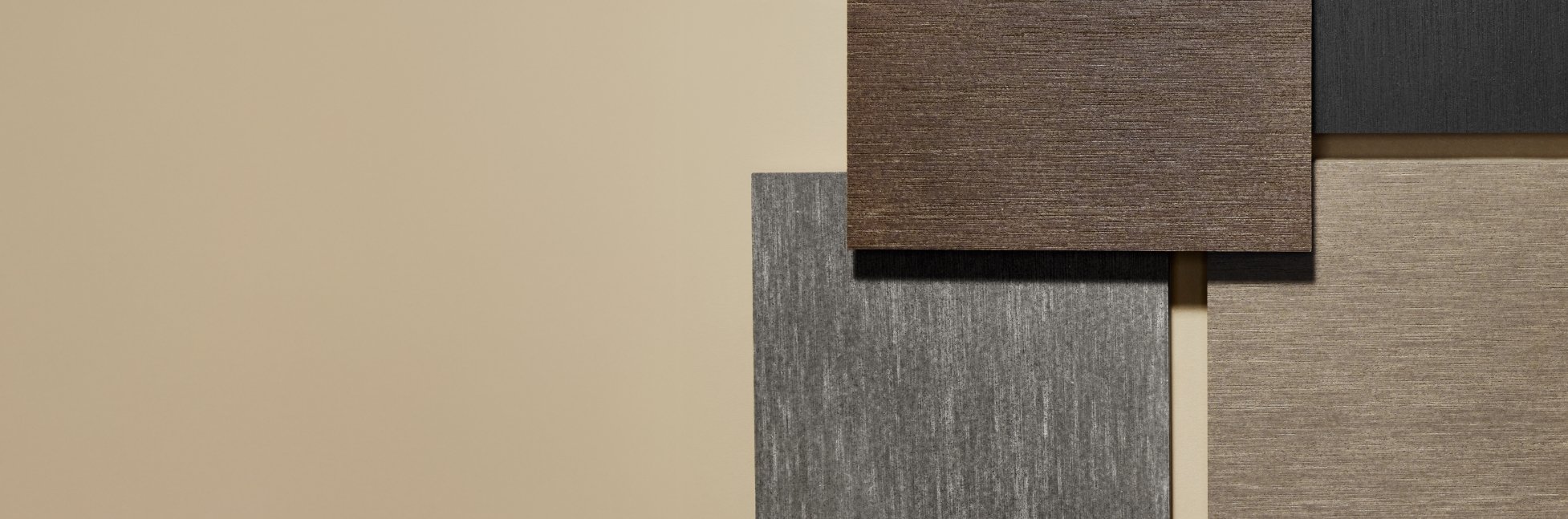
Ask for ACRE at your local lumber yard or order samples to see for yourself why builders are making the switch.